

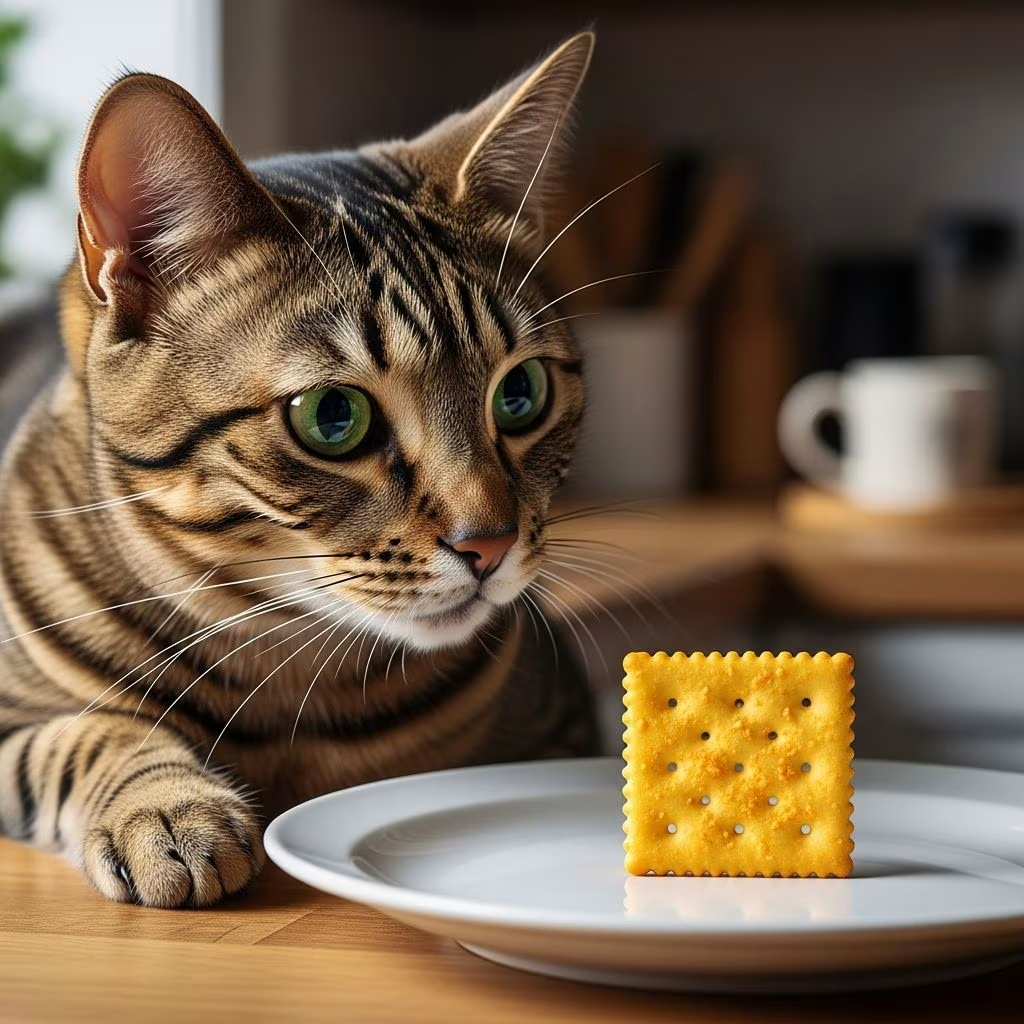
Cheez-Its are a beloved crunchy snack for humans, but when your cat eyes the box, cat owners often wonder: can cats eat Cheez-Its? The short answer is no, they shouldn’t make regular appearances in your feline’s diet. While a tiny nibble won’t likely cause immediate harm, these crackers pack ingredients that clash with a cat’s nutritional needs as obligate carnivores.
Cats require a meat-based diet rich in animal proteins, taurine, and specific fats—not the carbs, salts, and processed cheeses found in Cheez-Its. Regular consumption can lead to health issues like digestive upset, obesity, and kidney strain. This article breaks down the ingredients, risks, safer alternatives, and expert advice to keep your cat healthy and happy.
What Are Cheez-Its?
Cheez-Its are square-shaped, baked cheese crackers produced by Kellogg’s. Introduced in 1921, they’ve become a staple snack with bold cheese flavor and addictive crunch. The primary ingredients include:
- Enriched wheat flour
- Vegetable oils (like soybean or palm oil)
- Cheese made with skim milk (containing cheese cultures, salt, enzymes)
- Salt
- Yeast, sugar, and spices
- Artificial colors and preservatives in some varieties
A single serving (about 27 crackers) delivers around 150 calories, 8 grams of fat, 230 milligrams of sodium, and minimal protein. For humans, it’s a tasty treat; for cats, it’s largely empty calories with potential pitfalls.
Flavors like Original, Cheddar, White Cheddar, and Hot & Spicy vary slightly, but all share high sodium and fat profiles. Extra toasty or reduced-fat versions still prioritize carbs over cat-friendly nutrition.
Are Cheez-Its Safe for Cats?
Cheez-Its are not toxic to cats—no ingredients like chocolate, xylitol, or onions pose acute poisoning risks. However, “safe” doesn’t mean “healthy.” Veterinary sources agree that occasional small amounts (one or two crackers) are unlikely to harm a healthy adult cat, but they’re far from ideal.
Cats are obligate carnivores, evolved to derive nearly all nutrition from animal sources. Their digestive systems struggle with grains, dairy, and excessive salts. PetMD explicitly lists Cheez-Its as a “no-go” due to high calories, fats, carbs, and additives that offer zero benefits for felines. Multiple vet-reviewed guides emphasize monitoring for issues post-consumption, but prevention is best.
Health Risks of Feeding Cheez-Its to Cats
While not poisonous, Cheez-Its can trigger several problems:
- Lactose Intolerance: Most adult cats lack lactase enzyme to digest lactose in cheese, leading to diarrhea, vomiting, gas, or stomach pain. Cheez-Its’ cheese powder exacerbates this.
- High Sodium: Excessive salt causes thirst, frequent urination, dehydration, and long-term kidney damage or hypertension. A few crackers can exceed a cat’s daily sodium needs.
- Fats and Calories: Contribute to obesity, diabetes, pancreatitis, and joint issues. Cats don’t burn carbs efficiently, turning snacks into fat stores.
- Carbohydrates and Grains: Unnecessary for cats; can disrupt gut bacteria and lead to nutrient imbalances if replacing proper food.
- Additives and Allergens: Artificial flavors, preservatives, or wheat may cause allergies (itching, ear infections) or digestive upset.
- Choking Hazard: Hard texture risks dental fractures or choking, especially in kittens, seniors, or cats with poor teeth.
- Behavioral Issues: Cats may beg for junk food, reject kibble/wet food, leading to picky eating and malnutrition.
In severe cases or large quantities (e.g., a whole box), symptoms escalate to lethargy, tremors from salt toxicity, or emergency vet visits. Kittens, seniors, or cats with pre-existing conditions (kidney disease, obesity) face amplified risks.
What to Do If Your Cat Eats Cheez-Its
Don’t panic if your cat sneaks a cracker—most tolerate tiny amounts fine. Steps include:
- Monitor Closely: Watch for vomiting, diarrhea, excessive thirst/urination, lethargy, or appetite loss for 24-48 hours.
- Hydrate: Provide fresh water to counter salt; encourage drinking with fountains or wet food.
- Withhold Snacks: Stick to normal meals; avoid more human food.
- Contact Vet: Call if symptoms appear, your cat ate many crackers, or has health issues. Describe quantity and timing.
Vets like those at Dial A Vet recommend observation but err on caution for salty snacks.
Can Kittens Eat Cheez-Its?
No—kittens are even more vulnerable. Their immature digestive systems can’t handle dairy, salt, or carbs well. Growing bodies need high-protein, calorie-dense kitten food for development. Cheez-Its risk stunted growth, diarrhea, or dehydration. Stick to kitten-specific treats.
Alternatives: Safe and Healthy Treats for Cats
Skip Cheez-Its for vet-approved options that mimic crunch and flavor benefits:
| Treat Type | Benefits | Examples |
|---|---|---|
| Commercial Cat Treats | Balanced nutrition, low-cal | Greenies, Temptations, Wellness CORE |
| Freeze-Dried Meat | High protein, natural | Stella & Chewy’s, Primal |
| Plain Cooked Meats | Obligate carnivore-friendly | Chicken, turkey (no seasoning) |
| Veggies | Low-cal crunch | Cucumber slices, steamed broccoli |
| Dairy Alternatives | Lactose-free if tolerated | Whipped cream cheese (tiny amounts) |
Limit treats to 10% of daily calories. Rotate for variety and dental health.
How We Vet-Reviewed This Article
This guide draws from peer-reviewed veterinary insights and expert consensus. Our team consulted sources like PetMD (veterinarian-written) and cross-referenced with multiple pet nutrition sites for accuracy as of 2026. We prioritize evidence-based advice over anecdotes.
Frequently Asked Questions (FAQs)
Can cats eat Cheez-Its safely?
A small piece occasionally won’t harm most cats, but regular feeding risks digestive issues, obesity, and kidney strain due to salt, fat, and lactose.
What happens if a cat eats Cheez-Its?
Possible upset stomach, diarrhea from lactose, thirst from sodium, or weight gain. Monitor and consult a vet if symptoms persist.
Are Cheez-Its toxic to cats?
No, not toxic, but unhealthy. No deadly ingredients, but poor fit for feline biology.
Can kittens have Cheez-Its?
Absolutely not—kittens need specialized nutrition; risks are higher.
What are better snacks than Cheez-Its for cats?
Meat-based treats like freeze-dried chicken or commercial dental chews provide nutrition without risks.
Do Cheez-Its cause allergies in cats?
Possible from wheat or dairy; watch for itching, GI issues.
In summary, while tempting to share, Cheez-Its don’t align with your cat’s needs. Opt for species-appropriate treats to ensure long-term health. Always prioritize a balanced commercial diet and consult your vet for personalized advice.
References
- Can Cats Eat Cheese? — PetMD. 2023-05-15. https://www.petmd.com/cat/nutrition/can-cats-eat-cheese
- Can Cats Eat Cheez-Its? Vet Reviewed Nutritional Guide — Hepper. 2024-02-20. https://articles.hepper.com/can-cats-eat-cheez-its/
- Can my cat eat Cheez-Its, or could they make her sick? — Dial A Vet. 2023-11-10. https://www.dialavet.com/vet-answers/post/cat-ate-cheez-its-48497
- Can Cats Eat Cheez Its? Vet-Verified Facts — Huston Veterinary Clinic. 2024-08-05. https://hustonveterinary.com/can-cats-eat-cheez-its/
- Can Cats Eat Cheez-It Crackers? — Zoorithm. 2023-12-01. https://www.zoorithm.com/cats/can-cat-eat-cheez-it



