

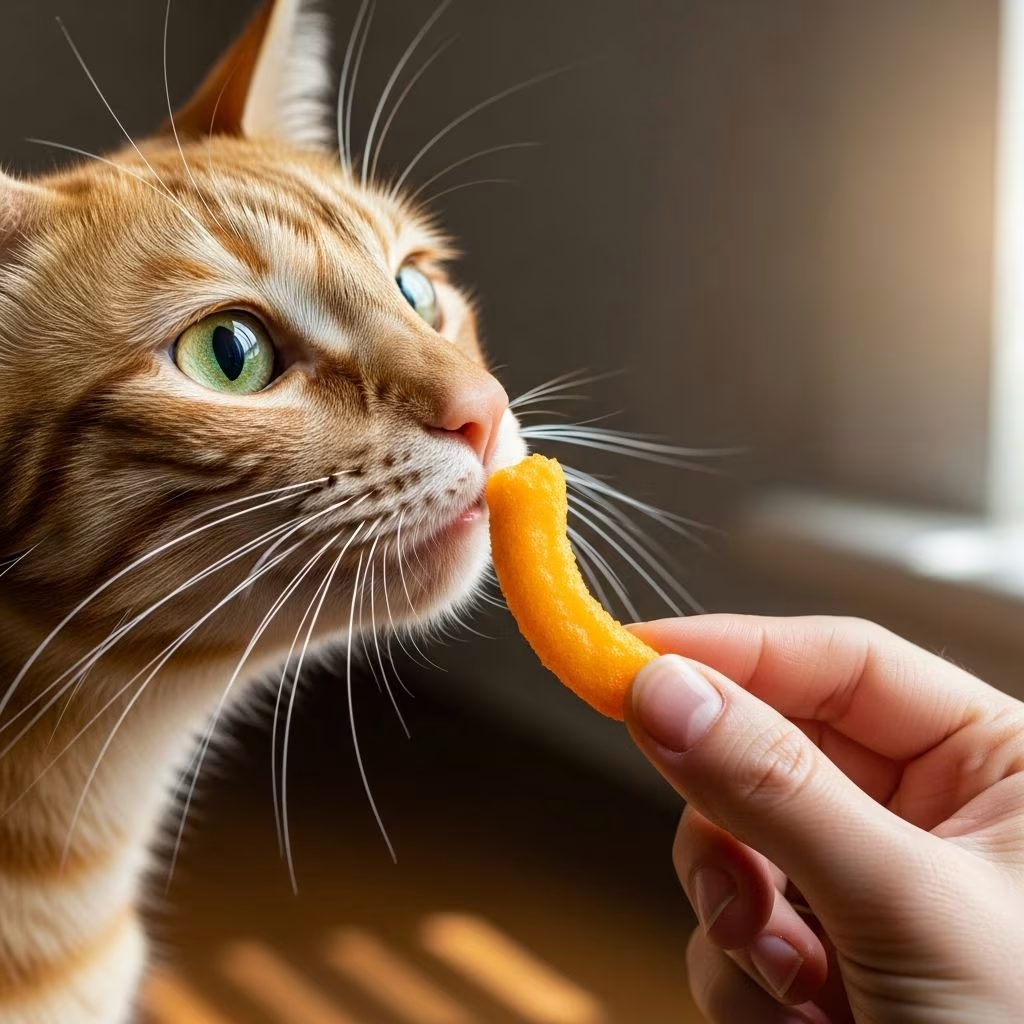
Many cat owners wonder if it’s okay to share their crunchy Cheetos snack with their feline friends, especially when those curious whiskers start twitching near the bag. While a single Cheeto won’t likely send your cat to the vet, these popular human snacks are not designed for cats and come with several health concerns. Cheetos are loaded with high levels of salt, fat, artificial additives, and in some flavors like Hot Cheetos, spicy ingredients that can irritate a cat’s sensitive digestive system. This comprehensive guide breaks down the nutritional profile of Cheetos, explores the risks involved, discusses safer alternatives, and answers common questions to help you keep your cat healthy and happy.
Quick Answer: Can Cats Eat Cheetos?
No, cats should not eat Cheetos. Technically, plain Cheetos are not toxic or poisonous to cats in very small amounts, such as a tiny nibble here and there. However, they offer zero nutritional value and can lead to serious issues like gastrointestinal distress, obesity, dehydration from excess sodium, and potential allergic reactions from artificial ingredients. Spicy varieties like Hot Cheetos are even worse due to capsaicin and other irritants that cause burning sensations, drooling, and vomiting. Veterinarians strongly advise against feeding any Cheetos regularly, emphasizing a diet tailored to feline needs with high-quality proteins and minimal carbs.
Cheetos Ingredients and Why They’re Trouble for Cats
Cheetos are made primarily from cornmeal, vegetable oils, cheese powder, salt, and various flavorings. While corn isn’t inherently toxic, cats are obligate carnivores whose digestive systems are optimized for meat-based proteins, not processed grains and fats. Here’s a closer look at problematic ingredients:
- Salt (Sodium): Cheetos are notoriously high in sodium, which can lead to excessive thirst, dehydration, electrolyte imbalances, and in severe cases, sodium ion toxicosis or kidney strain.
- Fats and Oils: The vegetable oils contribute empty calories and fats that promote weight gain and risk pancreatitis, a painful inflammation of the pancreas.
- Artificial Colors and Flavors: These additives may trigger allergies, skin irritations, or digestive upset in sensitive cats.
- Lactic and Citric Acid: Generally safe in small doses, but large quantities of citric acid can irritate the gut.
- Onion/Garlic Powder (in some flavors): Toxic to cats, potentially causing hemolytic anemia by damaging red blood cells.
- Spicy Elements (Hot Cheetos): Capsaicin from chili causes mouth burning, drooling, pawing at the face, and diarrhea.
A single Cheeto might pass without incident, but repeated exposure accumulates harm. Cats lack the taste receptors for sweetness or spice, so they don’t ‘enjoy’ Cheetos like humans might think—they’re drawn by the crunch and fat.
Health Risks of Feeding Cheetos to Cats
Even occasional Cheetos can disrupt your cat’s health. Cats have shorter digestive tracts suited for raw meat, not processed junk food, making them prone to upset from unnatural ingredients. Key risks include:
- Digestive Issues: Vomiting, diarrhea, gas, and abdominal pain from fats, salt, and spices.
- Obesity and Related Problems: High calories lead to weight gain, diabetes, arthritis, and heart disease over time.
- Dehydration and Kidney Strain: Excess salt forces kidneys to work overtime, risky for cats with pre-existing conditions.
- Allergic Reactions: Itching, rashes, or chronic GI problems from preservatives.
- Pancreatitis: Fatty content inflames the pancreas, causing severe pain and lethargy.
- Behavioral Changes: Cats may paw at their mouth, drool excessively, or show lethargy after spicy varieties.
| Nutrient | Cheetos (per 28g serving) | Cat Daily Needs (avg. adult) | Impact on Cats |
|---|---|---|---|
| Protein | ~2g (mostly from cheese powder) | 20-30g+ from animal sources | Insufficient; cats need taurine-rich meat |
| Fat | 10g+ | Moderate, high-quality | Excess leads to obesity/pancreatitis |
| Sodium | ~300mg | <50mg> | Dehydration, hypertension risk |
| Carbs | 15g+ (cornmeal) | Minimal (cats don’t process well) | GI upset, no energy benefit |
This table highlights why Cheetos mismatch feline biology—cats thrive on 50%+ protein diets, not carb-heavy snacks.
Symptoms to Watch If Your Cat Eats Cheetos
If your cat sneaks a Cheeto, monitor closely for 24-48 hours. Mild cases may resolve, but intervene early:
- Immediate Signs: Vomiting, retching, diarrhea, excessive drooling, pawing at mouth (esp. Hot Cheetos).
- Short-Term: Lethargy, loss of appetite, abdominal pain (hunched posture).
- Severe: Tremors, rapid breathing, pale gums (from anemia in onion-flavored), seizures from salt toxicity.
Contact a vet immediately if symptoms persist beyond a few hours or if more than a few pieces were eaten. Provide details like quantity and flavor.
When Might a Tiny Bit Be Okay?
In rare cases, a minuscule plain Cheeto crumb during couch lounging won’t cause harm for most healthy cats—ingredients aren’t acutely toxic. However, avoid spicy flavors entirely and never make it routine. Kittens, seniors, or cats with health issues (e.g., kidney disease, obesity) face higher risks even from tiny amounts.
Safe and Healthy Alternatives to Cheetos for Cats
Skip the junk—opt for vet-recommended treats that support nutrition:
- Commercial Cat Treats: Freeze-dried meat like chicken or salmon (e.g., Stella & Chewy’s), low-calorie options under 2 kcal/treat.
- Homemade: Plain boiled chicken, turkey, or fish—unseasoned, in tiny pieces (10% of daily calories max).
- Veggies: Small bits of cucumber, steamed broccoli, or pumpkin for fiber (cats may ignore, but safe).
- Dental Chews: Greenies or similar for tartar control and crunch satisfaction.
- Hydration Boosts: Churu licks or tuna flakes in water to mimic cheesy appeal safely.
Always limit treats to 10% of diet; the rest should be AAFCO-approved complete cat food. Consult your vet for personalized advice.
How to Prevent Cats from Eating Cheetos
- Store snacks in closed cabinets or high shelves—cats are acrobatic jumpers.
- Distract with toys or puzzle feeders during your snack time.
- Use baby gates or closed doors to create no-snack zones.
- Train with ‘leave it’ commands reinforced by cat treats.
Frequently Asked Questions (FAQs)
Q: Are Cheetos toxic to cats?
A: No, plain Cheetos aren’t directly toxic, but high fat, salt, and additives make them harmful, especially in quantity or spicy versions.
Q: What if my cat ate Hot Cheetos?
A: Watch for vomiting, diarrhea, drooling, or pain. Contact a vet promptly due to spice irritation and potential toxicity.
Q: Can a small amount of Cheetos hurt my cat?
A: Unlikely for one tiny piece in healthy cats, but avoid habit-forming; risks accumulate.
Q: Why do cats like Cheetos?
A: The fatty, crunchy texture appeals to their hunting instincts, not flavor—they can’t taste spice or much sweetness.
Q: What are the best treats for cats?
A: Meat-based, low-cal treats like freeze-dried chicken or vet-formulated chews. Limit to 10% of calories.
Q: My cat ate a whole Cheeto—what now?
A: Monitor for symptoms. Offer water, withhold food briefly, and call vet or Pet Poison Hotline (1-855-213-6680) if concerned.
References
- Can Cats Eat Hot Cheetos? Safety & Risks Explained — Zoorithm. 2023. https://www.zoorithm.com/cats/can-cat-eat-hot-cheeto
- Can Cats Eat Cheetos? Are Cheetos Safe For Cats? — CatTime. 2023. https://cattime.com/cat-facts/health/42916-can-cats-eat-cheetos-safe
- Can Cats Eat Hot Cheetos? Vet-Verified Facts — Huston Veterinary Clinic. 2024. https://hustonveterinary.com/can-cats-eat-hot-cheetos/
- Can Cats Eat Cheetos? What You Need to Know! — Hepper. 2023. https://articles.hepper.com/can-cats-eat-cheetos/
- Can Cats Eat Cheetos? Vet Approved Nutrition Facts & FAQ — Catster. 2025-01-10. https://www.catster.com/cat-health-care/can-cats-eat-cheetos/



