

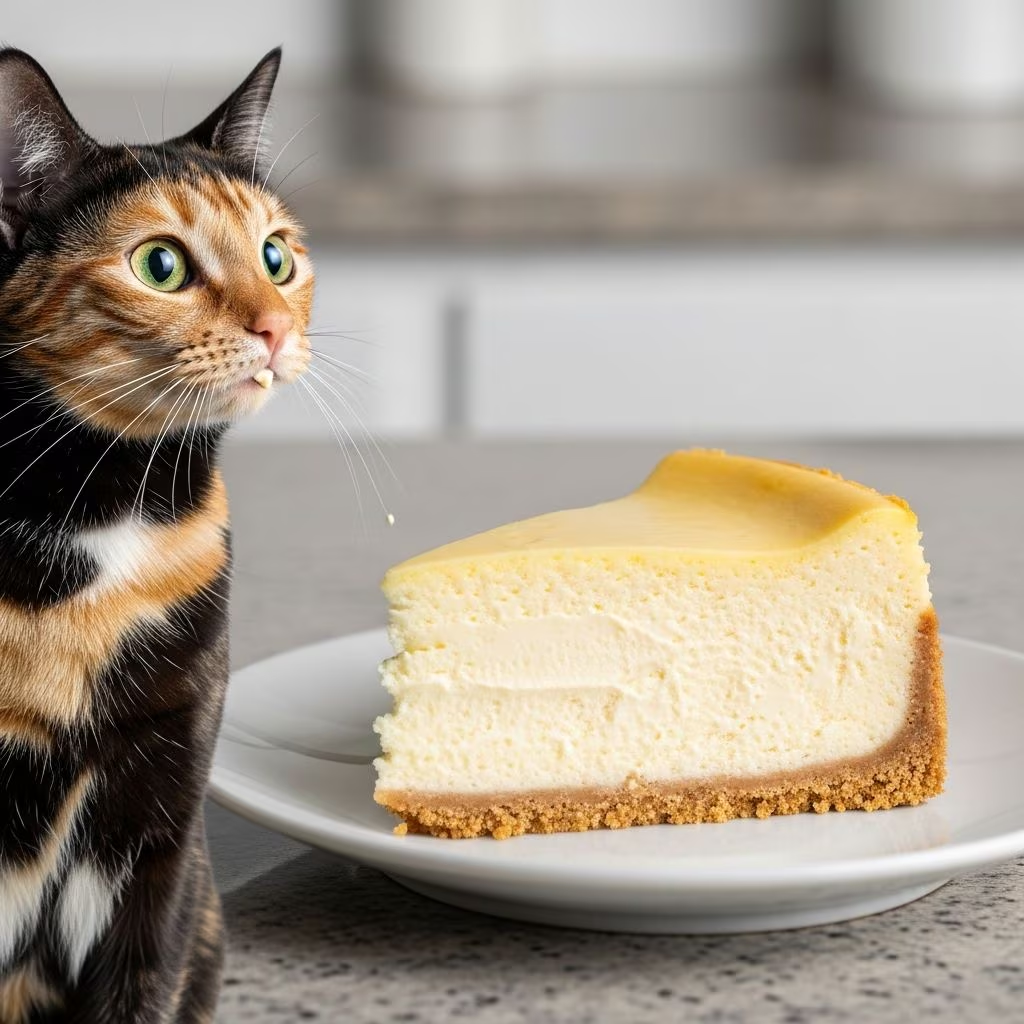
Cheesecake is a beloved human dessert, but it’s not suitable for cats. While a tiny lick might not cause immediate harm, regular or larger amounts can lead to digestive upset, weight gain, and other health issues due to high sugar, fat, dairy content, and potential toxic additives like chocolate.
Can Cats Eat Cheesecake?
It is not recommended to feed cheesecake to cats. Cheesecake typically contains cream cheese, sugar, eggs, and a graham cracker crust, none of which align with a cat’s nutritional needs as obligate carnivores. A small bite on rare occasions might be tolerated by some cats, but many varieties include harmful ingredients such as chocolate, coffee, or alcohol, which are toxic to felines.
Cats lack the digestive enzymes to process large amounts of dairy and carbohydrates effectively. Even plain cheesecake can cause gastrointestinal distress. Veterinary experts advise against offering it altogether to prevent short-term symptoms like vomiting and long-term risks like obesity.
Is It Healthy for Them?
No, cheesecake is not healthy for cats. As obligate carnivores, cats derive essential nutrients from meat-based proteins, requiring minimal carbohydrates—certainly not from processed sugars or dairy.
High Sugar Content
Cheesecake is loaded with refined sugars, which provide empty calories without nutritional value. Excess sugar can disrupt a cat’s metabolism, leading to rapid blood sugar spikes and potential predisposition to diabetes over time.
Dairy and Lactose Intolerance
The cream cheese base is a major issue. Most adult cats are lactose intolerant, lacking sufficient lactase enzyme to break down lactose in dairy products. This results in fermentation in the gut, causing gas, bloating, diarrhea, nausea, and vomiting. Softer cheeses like cream cheese have higher lactose levels than aged varieties, exacerbating the problem.
- Lactose intolerance affects ~70% of adult cats, per veterinary observations, as lactase production declines after weaning.
- Even kittens, who produce more lactase, should avoid cheese due to high fat and additives.
High Fat and Calories
Cheesecake’s rich fat content from cream cheese and buttery crust exceeds a cat’s dietary needs. Cats require moderate fats (around 20-30% of diet from quality sources), but cheesecake’s saturated fats promote weight gain. Obesity in cats increases risks for diabetes, heart disease, arthritis, and hepatic lipidosis.
For context, a small slice of cheesecake can equal a significant portion of a cat’s daily caloric intake (200-300 kcal for an average adult cat), akin to a human consuming multiple high-calorie meals.
Potential Toxic Ingredients
Flavored cheesecakes often include chocolate (theobromine toxic to cats), coffee, nuts (macadamia toxic), or xylitol-sweetened varieties (causes hypoglycemia). Even plain versions risk salt overload from processed elements.
| Ingredient | Risk Level for Cats | Potential Effects |
|---|---|---|
| Cream Cheese | High | Lactose intolerance, diarrhea, vomiting |
| Sugar | Medium-High | Obesity, diabetes risk |
| Fat/Butter | High | Pancreatitis, weight gain |
| Chocolate | Toxic | Seizures, heart issues |
| Graham Crust | Medium | Carb overload, digestive upset |
What Happens If Your Cat Eats Cheesecake?
Short-Term Effects
If a cat consumes cheesecake, monitor for immediate reactions. Common symptoms include:
- Vomiting or diarrhea within 12-24 hours.
- Gas, bloating, and lethargy from lactose fermentation.
- Appetite loss or drooling due to nausea.
A tiny accidental lick often passes without issue, but larger amounts warrant veterinary attention if symptoms persist beyond 48 hours.
Long-Term Effects
Repeated exposure leads to cumulative harm:
- Obesity: High calories contribute to 60% of cats being overweight, per vet stats, raising disease risks.
- Metabolic Disorders: Sugar and fat promote insulin resistance and fatty liver disease.
- Dental Issues: Sticky sugars foster plaque and gingivitis.
One-time incidents are low-risk, but habitual sharing shortens lifespan.
Can Kittens Eat Cheesecake?
No, kittens should not eat cheesecake. Though they retain more lactase than adults, the high fat, sugar, and potential allergens still pose risks like diarrhea and stunted growth. Stick to kitten formula and meat-based foods.
Cheesecake Alternatives: Safe Treats for Cats
Opt for cat-specific treats to satisfy curiosity without harm. Safe options include:
- Commercial cat treats (low-calorie, grain-free).
- Plain cooked meat (chicken, turkey—unseasoned).
- Fish like salmon (in moderation, cooked).
- Catnip or silver vine for fun.
- Freeze-dried meat nibbles.
Avoid all human desserts. Consult your vet for personalized treat recommendations based on your cat’s health.
Tips for Preventing Cats from Eating Cheesecake
- Store desserts out of reach—cats are agile climbers.
- Use covered plates or eat in cat-free zones.
- Distract with toys during mealtimes.
- Train “leave it” commands with positive reinforcement.
- Opt for cat-safe kitchen counters.
Frequently Asked Questions (FAQs)
Is a small amount of cheesecake okay for cats?
A tiny bite might not harm most cats occasionally, but it’s best avoided due to lactose and sugar risks. Monitor for upset.
Why can’t cats have dairy like cheesecake?
Adult cats lose lactase post-weaning, leading to poor dairy digestion and GI issues.
What if my cat ate a lot of cheesecake?
Watch for vomiting, diarrhea, or lethargy. Contact a vet if symptoms appear or worsen.
Are there cat-friendly cheesecake recipes?
No safe homemade versions exist; meat-based “treats” are better alternatives.
Can cheese in cheesecake hurt cats long-term?
Yes, repeated dairy contributes to obesity and related diseases.
Conclusion
Cheesecake tempts many cats with its creamy allure, but it’s an unhealthy choice laden with dairy, sugar, and fats that clash with feline biology. While not acutely toxic in minuscule amounts, the risks of digestive woes, obesity, and chronic illness outweigh any treat appeal. Prioritize species-appropriate nutrition: high-protein, low-carb diets keep cats thriving. Share your plate wisely, or better yet, offer vet-approved treats instead. Your cat’s health—and waistline—will thank you.
References
- Can Cats Eat Cheesecake? Vet-Verified Nutritional Facts – Catster — Catster. 2023. https://www.catster.com/cat-health-care/can-cats-eat-cheesecake/
- Can Cats Eat Cheese? Risks & Safe Feeding Tips – MichuPet — MichuPet. 2024. https://michupet.com/blogs/nutrition/can-cats-eat-cheese
- My cat got into some leftover cheesecake; should I be … – Dial A Vet — Dial A Vet. 2023. https://www.dialavet.com/vet-answers/cat-ate-cheesecake-49785
- Can Cats Eat Cheesecake? Vet Approved Nutrition Facts & Potential … — Hepper. 2024. https://articles.hepper.com/can-cats-eat-cheesecake/
- Can Cats Eat Cheese, Milk and Dairy Products? | Vets Now — Vets Now. 2023. https://www.vets-now.com/pet-care-advice/can-cats-eat-cheese/



