

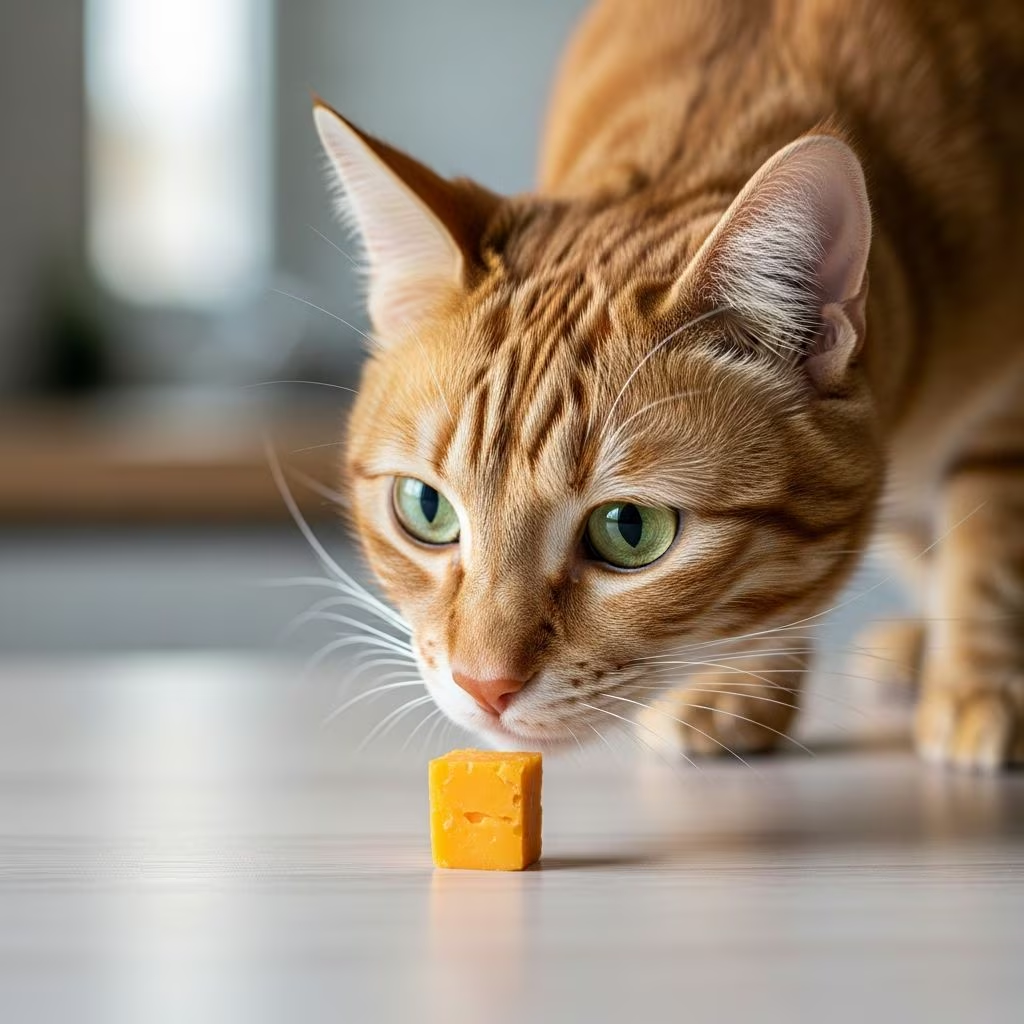
Cats can eat small amounts of certain low-lactose cheeses like cheddar, parmesan, or swiss as occasional treats, but most cheeses pose risks due to lactose intolerance, high fat, salt, and calorie content that can lead to digestive upset, obesity, and other health issues in felines.
Why Are Cats Lactose Intolerant?
Most adult cats are lactose intolerant because they stop producing sufficient lactase enzyme after weaning, making it difficult to digest lactose—a sugar in dairy products like cheese—which can cause diarrhea, vomiting, gas, and stomach upset.
Kittens produce more lactase and tolerate dairy better initially, but even they should avoid cheese due to high calories and sodium; mother’s milk remains ideal.
Obligate carnivores by nature, cats thrive on meat-based proteins and lack nutritional need for dairy; cheese provides protein and calcium but these are better sourced from quality cat food.
Nutritional Breakdown of Cheese for Cats
A typical 28g slice of cheddar cheese delivers 113 calories, 9.3g fat, 28mg cholesterol, 183mg sodium, 6.4g protein, and 199mg calcium—far exceeding a cat’s needs and risking weight gain, high blood pressure, and dehydration from excess sodium.
High fat (e.g., 33g per 100g in cheddar) contributes to obesity, while cholesterol and calories compound the issue; cats process meat proteins efficiently but struggle with dairy fats.
| Nutrient (per 28g Cheddar) | Amount | Impact on Cats |
|---|---|---|
| Calories | 113 | Promotes obesity if frequent |
| Total Fat | 9.3g | Excess leads to weight gain |
| Sodium | 183mg | Causes thirst, vomiting, diarrhea |
| Protein | 6.4g | Insufficient for carnivore needs |
| Calcium | 199mg | Available in better cat foods |
Which Types of Cheese Can Cats Eat?
- Cheddar: Low lactose due to aging, safer in tiny pieces; still high fat/salt—offer rarely.
- Swiss: Lower lactose, fat, and salt than many; very small amounts only.
- Parmesan: Very low lactose, acceptable occasionally in moderation; high fat remains a concern.
- Cottage Cheese: Low lactose, protein-rich; choose low-fat varieties sparingly.
- Feta: High fat/salt—occasional tiny treat at most; digestive risks high.
Cheeses Cats Should Avoid
- Cream Cheese: Higher lactose, very high calories despite low salt—likely causes upset; avoid entirely.
- Mozzarella: Higher lactose than hard cheeses, leads to gas/diarrhea; not suitable.
- Blue Cheese: Contains toxic Penicillium mold, causes vomiting/diarrhea; high calories—never feed.
- Soft/Processed Cheeses (e.g., American, Brie): High lactose, potential spices/garlic/onion toxic to cats.
- Spiced Cheeses: Garlic, onion, herbs are poisonous; always check ingredients.
Health Risks of Feeding Cheese to Cats
Beyond lactose issues, cheese’s high fat promotes obesity, especially in sedentary cats; excess calories lead to chonkiness, straining joints and organs.
High sodium triggers excessive thirst/urination, lethargy, ataxia, diarrhea, vomiting; long-term risks include hypertension.
Allergic cats or those with milk sensitivities face severe reactions even from small amounts; overweight felines should skip cheese entirely.
How Much Cheese Can Cats Eat?
Limit to tiny dice-sized pieces (pea-sized) once in a while, no more than 10% of daily calories from treats; use for pill-hiding if needed, but monitor for reactions.
Frequency: Once weekly max for tolerant cats; avoid if history of digestive issues, obesity, or age (seniors/kittens more vulnerable).
Signs of Cheese Intolerance in Cats
- Diarrhea or loose stools shortly after eating
- Vomiting or regurgitation
- Excessive gas or bloating
- Lethargy or weakness
- Increased thirst/urination from salt
- Ataxia (uncoordinated movement)
If symptoms appear, withhold dairy, hydrate cat, and consult a vet; persistent issues may indicate allergy.
Are There Benefits to Cheese for Cats?
Minimal: Protein and calcium are present but inferior to meat sources; no unique benefits justify risks when commercial cat foods provide complete nutrition.
Vets generally advise against regular dairy; focus on taurine-rich meats for heart/eye health.
Safe and Healthy Alternatives to Cheese
- Cooked Chicken/Beef/Turkey: Plain, boneless, skinless—high protein, low fat.
- Fish (e.g., Salmon, Tuna): Cooked without salt/oil; mercury caution in tuna.
- Commercial Cat Treats: Formulated for nutrition, low calorie.
- Cat-Safe Veggies: Steamed carrot/pumpkin in tiny bits for fiber.
- Yogurt (Plain, Low-Fat): Probiotic benefits if lactose-tolerant, but test small amounts.
Prioritize treats mimicking natural prey: meat-based, unseasoned.
Frequently Asked Questions
Can kittens eat cheese?
Kittens tolerate lactose better but cheese’s calories/sodium make it unsuitable; stick to kitten formula or mother’s milk.
Why do some cats seem to love cheese?
Fatty, umami flavor appeals to carnivores, but enjoyment doesn’t mean safe; monitor tolerance.
Can cheese help hide medication?
Yes, small amounts of hard cheese work well for pilling; vet-approved only.
Is all cheese equally bad for cats?
No—hard, aged varieties lower lactose; soft/moldy types riskier.
What if my cat ate a lot of cheese?
Watch for symptoms; induce vomiting only if vet advises; seek immediate care for severe reactions.
Conclusion: Treat Sparingly, Choose Wisely
While tiny bits of low-lactose cheese won’t harm most cats occasionally, it’s not nutritionally essential and carries risks—opt for meat treats to keep your cat healthy and happy. Always consult your vet for personalized advice, especially for cats with health conditions.
References
- Can Cats Eat Cheese? A Guide to Safety — Purina. 2023. https://www.purina.com/articles/cat/feeding/can-cats-eat/cheese
- Can Cats Eat Cheese? An Investigation Into Feline Dietary Habits — Genius Litter. 2023. https://geniuslitter.com/blogs/cat-nutrition/can-cats-eat-cheese-an-investigation-into-feline-dietary-habits
- Can Cats Eat Cheese? Risks & Safe Feeding Tips — MichuPet. 2024. https://michupet.com/blogs/nutrition/can-cats-eat-cheese
- Can Cats Eat Cheese? — Chewy. 2023. https://www.chewy.com/education/cat/food-and-nutrition/nutrition-pet-diet-tips-can-cats-eat-cheese
- Can Cats Eat Cheese? Yes, But… — Pumpkin Pet Insurance. 2024. https://www.pumpkin.care/post/can-cats-eat-cheese
- Can Cats Eat Cheese? — Hill’s Pet Nutrition. 2023. https://www.hillspet.com/cat-care/nutrition-feeding/can-cats-eat-cheese
- Can Cats Eat Cheese? What Kinds of Cheese Are Cat-friendly? — HowStuffWorks. 2023. https://animals.howstuffworks.com/pets/can-cats-eat-cheese.htm



