

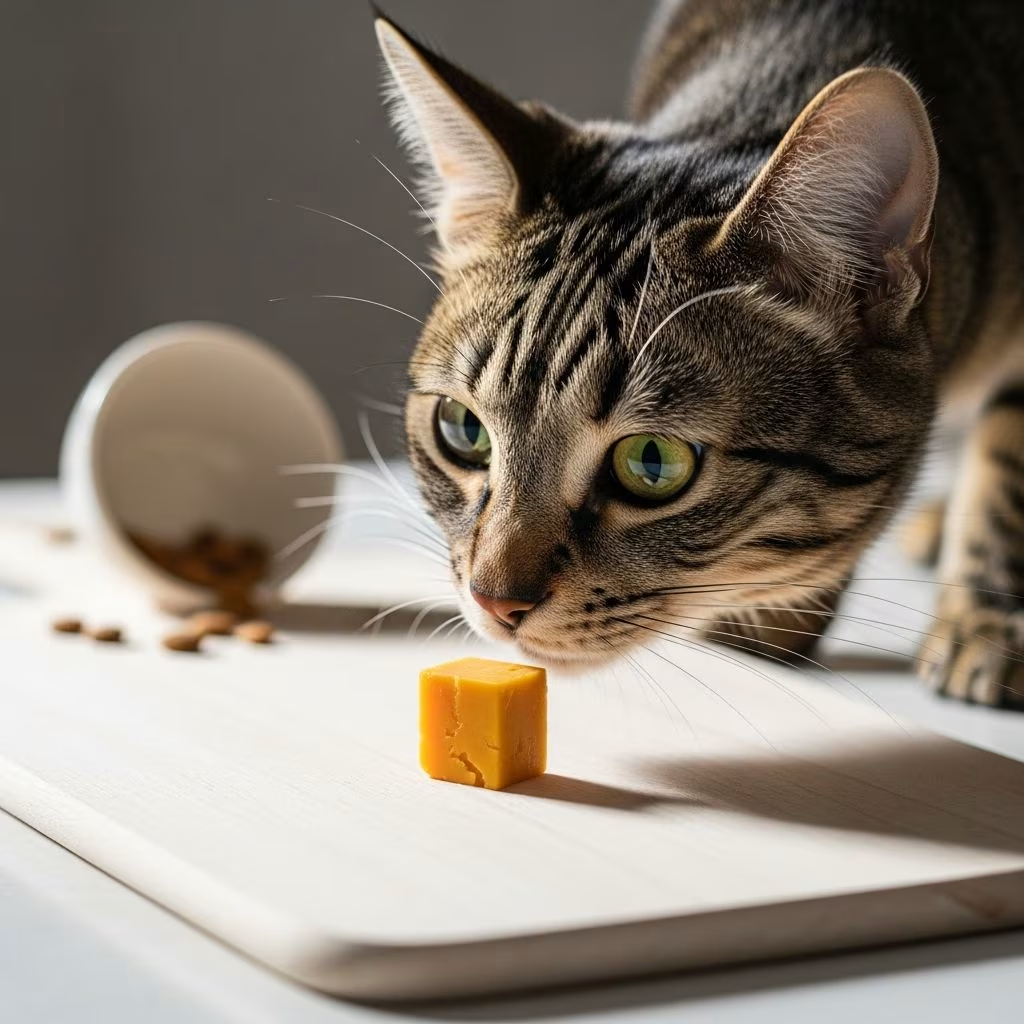
Can Cats Eat Cheese? A Complete Guide to Feline Nutrition
Many cat owners wonder whether it’s safe to share their favorite cheese with their furry companions. The short answer is yes, cats can eat cheese, but with significant caveats. While cheese offers some nutritional benefits, it also presents several health risks that every cat owner should understand before offering this dairy product to their pet. This comprehensive guide explores the benefits and risks of feeding cheese to cats, identifies which types are safest, and provides expert recommendations on portion control and alternatives.
The Benefits of Feeding Cats Cheese
When given in appropriate amounts, cheese can provide certain nutritional advantages for your feline friend. Understanding these benefits helps pet owners make informed decisions about incorporating cheese into their cat’s occasional treats.
Protein Content
Cheese is high in protein, which is essential for cats as obligate carnivores. Protein supports muscle development, helps maintain energy levels, and is crucial for keeping your cat strong and healthy as they age. Additionally, protein plays a vital role in maintaining a robust immune system that protects against infections and diseases. A strong immune system helps your cat fight off illnesses and maintain overall wellness throughout their life.
Calcium and Bone Health
Cheese contains significant amounts of calcium, an important mineral for maintaining strong bones and teeth in cats. Beyond skeletal health, calcium promotes proper muscle function, nerve transmission, and hormone regulation. This mineral also supports blood clotting and helps facilitate various metabolic functions that keep your cat’s body running smoothly.
Phosphorus for Cellular Function
The phosphorus found in cheese works synergistically with calcium to build and maintain strong bones and teeth. Phosphorus also contributes to cellular function, energy production, and the metabolism of proteins and fats. Furthermore, this mineral supports normal muscle and nerve function, making it an important component of your cat’s nutritional profile.
Low Carbohydrate Treat
Cheese is naturally low in carbohydrates, which makes it an ideal treat choice for cats. Unlike many commercial cat treats, cheese contains virtually no carbohydrates, and since cats have no dietary requirement for carbohydrates, this is particularly advantageous for maintaining their natural feline diet composition.
Practical Uses for Medication
One of the most practical benefits of cheese is its utility in helping cats take medications. A small piece of cheese can effectively mask the taste of pills and make them more palatable, facilitating easier administration of necessary medications. This application alone makes cheese valuable for pet owners dealing with cats that resist taking prescribed medications.
The Downsides of Feeding Cats Cheese
Despite the potential benefits, there are substantial reasons why cheese should only be an occasional treat for most cats. Understanding these risks is essential for responsible pet ownership.
Lactose Intolerance
The most significant issue with cheese for cats is lactose intolerance. Many adult cats are unable to digest lactose properly because their bodies don’t produce sufficient lactase, the enzyme responsible for breaking down lactose in dairy products. This occurs because, like most mammals, cats lose the ability to produce lactase after they finish nursing from their mother.
When cats consume cheese, undigested lactose ferments in their gut, leading to uncomfortable digestive problems. These issues include diarrhea, bloating, gas, stomach cramps, constipation, and vomiting. Even small amounts of cheese can trigger these symptoms in cats with sensitive digestive systems or those with diagnosed lactose intolerance.
High Fat and Calorie Content
Cheese is notoriously high in fat and calories, which poses a serious concern for weight management in cats. Overweight and obese cats are at increased risk for numerous health problems, including diabetes, joint disease, and heart conditions. For cats already struggling with weight issues, cheese consumption can exacerbate obesity and related health complications.
Most nutrition professionals recommend that calories from foods outside a cat’s regular diet should not exceed 8-10% of their total daily intake. Cheese’s high caloric density makes it easy to exceed these guidelines with even small portions.
Excessive Sodium
In addition to fat content, many cheeses contain high levels of sodium, which can contribute to health problems in cats. Cats with heart conditions or hypertension should absolutely avoid cheese due to its salt content, and even healthy cats should only receive minimal amounts.
Nutritional Redundancy
While cheese contains protein and calcium, these nutrients are more readily accessible and better balanced in high-quality cat food or cat-specific treats. Premium commercial cat foods are formulated to meet all of your cat’s nutritional needs in optimal proportions, making cheese an unnecessary source of these nutrients.
Which Types of Cheese Are Safe for Cats?
Not all cheese is created equal when it comes to feline safety. The type of cheese matters significantly because different varieties contain varying amounts of lactose and other potentially problematic ingredients.
Safe Hard and Aged Cheeses
Hard, aged cheeses are the safest options for cats because they contain minimal lactose. The aging process dramatically reduces lactose content, making these varieties less likely to cause digestive issues. Recommended safe cheeses include:
- Cheddar cheese
- Swiss cheese
- Parmesan cheese
These hard cheeses can be offered to cats on rare occasions in very small portions.
Moderate Options
Cottage cheese is considered safer than many other varieties because it’s naturally low in lactose and rich in protein. However, it’s important to choose low-fat varieties to minimize digestive upset. Feta cheese can also be occasionally offered, though it should only be given infrequently due to its high fat and salt content, which can cause digestive problems and other health issues.
Cheeses to Avoid
Soft cheeses should never be given to cats as they typically contain higher lactose levels and can cause significant digestive distress. Avoid the following varieties:
- Mozzarella
- Brie
- Camembert
- Blue cheese (contains Penicillium, which is toxic to pets)
- Cheeses with added spices like garlic or onion
- Processed cheese products
Blue cheese and other moldy varieties are particularly dangerous because they contain Penicillium, a fungus that can be toxic to cats. Cheeses containing garlic, onion, or other seasonings should also be avoided as these ingredients can be harmful to feline health.
How Much Cheese Can a Cat Have?
If you decide to offer cheese to your cat, portion control is absolutely critical. Understanding appropriate serving sizes helps prevent weight gain and digestive issues.
Recommended Portion Size
Experts recommend offering cheese in extremely small amounts—approximately the size of a dice or just a tiny bite. Keep servings to a small sprinkle atop your cat’s regular food or offer the tiniest possible piece. This conservative approach minimizes the risks associated with cheese consumption while still providing the treat your cat may enjoy.
Caloric Content Reference
Understanding the calorie content of different cheeses helps determine appropriate portions. Here’s a breakdown of calories in common cat-friendly cheese varieties per 10-gram serving:
| Cheese Type | Calories (per 10g) | Lactose Level |
|---|---|---|
| Cheddar | 40 calories | Low |
| Swiss | 39 calories | Low |
| Parmesan | 42 calories | Very Low |
| Cottage Cheese | 9.8 calories | Very Low |
| Feta | 26.5 calories | Moderate |
| Goat Cheese | 26.5 calories | Low |
These caloric values demonstrate why portion sizes must be minuscule. A typical adult cat consuming 1,800-2,000 calories daily should get no more than 180-200 calories from treats, meaning only a few grams of cheese occasionally.
Cats That Should Avoid Cheese Completely
Certain cats have specific health conditions that make cheese an absolute no-go. These cats should never be offered cheese under any circumstances:
- Cats with diagnosed lactose intolerance
- Cats with dairy allergies
- Overweight or obese cats (described as “tubby cats”)
- Cats with heart conditions
- Cats with existing digestive issues
- Cats with food sensitivities
If your cat falls into any of these categories, it’s best to find alternative treats that won’t compromise their health.
Special Considerations for Kittens
Kittens have somewhat different digestive capabilities compared to adult cats. While kittens are better able to digest lactose than adult cats because they still produce lactase, this doesn’t mean they should regularly consume cheese. Kittens should only have tiny amounts of cheese due to its high calorie and sodium levels, which can disrupt their developing bodies. Mother’s milk remains the most nutritious option for nursing kittens, and as they wean, specially formulated kitten food provides appropriate nutrition far better than cheese or other human foods.
Healthier Alternatives to Cheese
If you want to offer your cat special treats beyond their regular diet, several options are far superior to cheese nutritionally and digestively.
Meat-Based Treats
As obligate carnivores, the healthiest treats for cats are meat-based options such as cooked chicken, beef, and fish. These protein sources provide complete amino acids without the problematic fat and lactose found in cheese. When preparing meat treats, ensure all preparation is done without added salt, fats, or spices. Remove all bones from chicken and fish to prevent choking hazards or internal injuries.
Commercial Cat Treats
High-quality commercial cat treats formulated specifically for feline nutritional needs offer a superior alternative to cheese. These products are designed with cats’ digestive systems in mind and provide appropriate nutrition without the risks associated with human foods.
Frequently Asked Questions About Cats and Cheese
Q: Is cheese toxic to cats?
A: Cheese is not inherently toxic to cats, but it can cause digestive upset due to lactose content and may contribute to obesity due to high fat and calorie content. However, moldy cheeses like blue cheese contain Penicillium, which is toxic to cats and should never be offered.
Q: Can all cats digest cheese?
A: No, most adult cats are lactose intolerant and cannot digest cheese properly. However, some cats may tolerate small amounts of hard, aged cheeses like cheddar or Swiss due to their low lactose content. Each cat is different, so monitor your individual cat’s response carefully.
Q: What should I do if my cat eats cheese?
A: If your cat consumes a small amount of cheese, monitor them for signs of digestive upset including diarrhea, vomiting, gas, or constipation. If your cat eats a large quantity or shows severe symptoms, contact your veterinarian. Most minor cheese consumption resolves on its own within 24 hours.
Q: Can I use cheese to hide my cat’s medication?
A: Yes, cheese can be useful for hiding pills occasionally. Use only a tiny piece of hard cheese like cheddar or parmesan, and only when necessary for medication administration. Discuss this strategy with your veterinarian to ensure it won’t interfere with the medication’s effectiveness or your cat’s digestive health.
Q: How often can I give my cat cheese?
A: Cheese should only be offered very occasionally—perhaps once every few weeks to once a month, and only in tiny amounts. Most cats don’t need cheese as part of their diet, so it should be considered an extremely rare treat rather than a regular addition to their feeding schedule.
Q: Are there any cheeses that are completely safe for cats?
A: While no cheese is perfectly safe for all cats, hard, aged varieties like cheddar, Swiss, and parmesan contain significantly less lactose and are considered the safest options. Even with these varieties, portions should be minimal and offered only occasionally.
Conclusion: Making the Right Decision for Your Cat
While cats can technically eat cheese, the benefits are minimal and the risks are substantial. The nutrients provided by cheese are more readily available through high-quality cat food or cat-specific treats. Most veterinary experts recommend avoiding cheese altogether for most cats, particularly those with lactose intolerance, dairy allergies, obesity, or underlying health conditions.
If you choose to offer cheese to your cat, remember these key principles: use only hard, aged varieties like cheddar or Swiss; keep portions extremely small (about the size of a dice); offer cheese only on rare occasions; and avoid soft cheeses, moldy varieties, and cheeses with added seasonings. Always monitor your cat for adverse reactions and consult your veterinarian if your cat experiences digestive upset.
Your cat’s health and digestive comfort should always take priority. When in doubt, choose meat-based treats or commercial cat treats formulated for feline nutrition instead. Your cat will be just as happy with healthier alternatives, and you’ll have the peace of mind knowing you’re making the best possible dietary choices for your beloved companion.
References
- Can Cats Eat Cheese? Is Cheese Bad for Cats? — Noble Veterinary Clinic. 2024. https://noblevetclinic.com/blog/can-cats-eat-cheese
- Can Cats Eat Cheese? A Guide to Safety — Purina US. 2024. https://www.purina.com/articles/cat/feeding/can-cats-eat/cheese
- Can Cats Eat Cheese? — Chewy Education. 2024. https://www.chewy.com/education/cat/food-and-nutrition/nutrition-pet-diet-tips-can-cats-eat-cheese
- Can Cats Eat Cheese? Yes, But… — Pumpkin Pet Insurance. 2024. https://www.pumpkin.care/post/can-cats-eat-cheese
- Can Cats Eat Cheese? — OnlyFresh. 2024. https://onlyfresh.com/en/blogs/noticias/los-gatos-pueden-comer-queso
- Can Cats Eat Cheese? — Hill’s Pet Nutrition. 2024. https://www.hillspet.com/cat-care/nutrition-feeding/can-cats-eat-cheese



