

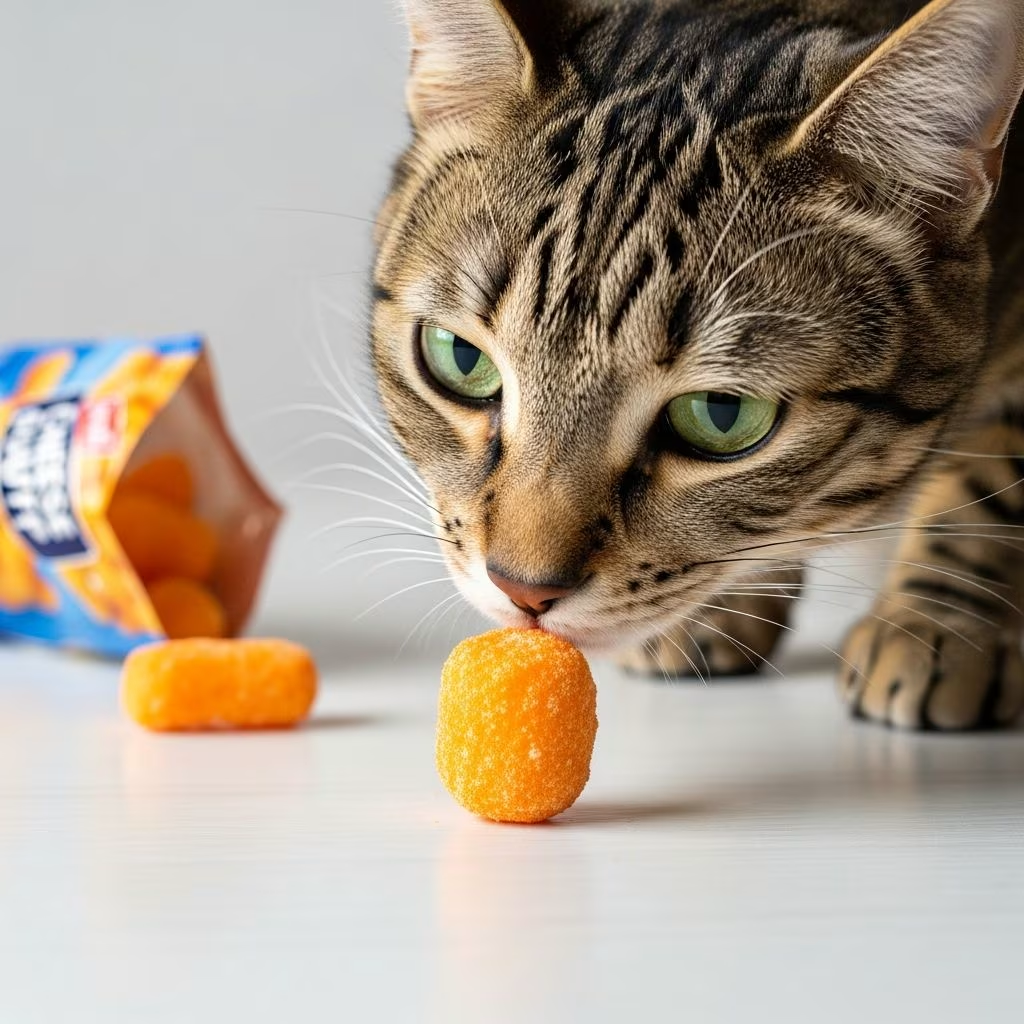
Can Cats Eat Cheese Puffs?
Many cat owners wonder whether it’s safe to share their favorite snacks with their feline companions. Cheese puffs are a beloved human snack, but when it comes to cats, the answer is clear: cats should not eat cheese puffs. While cheese puffs aren’t technically toxic to cats, they pose significant health risks that make them unsuitable as treats for your pet. Understanding why cheese puffs are problematic for cats helps you make informed decisions about your cat’s diet and ensure their long-term health and wellbeing.
Why Cheese Puffs Are Not Safe for Cats
Cheese puffs are a popular human snack made from cornmeal and coated with cheese flavoring, but they’re fundamentally incompatible with feline nutritional needs. Cats are obligate carnivores, meaning their bodies are designed to derive nutrition primarily from meat-based proteins rather than processed carbohydrates and fats. Cheese puffs contain several problematic ingredients that can harm your cat’s health:
- High salt content: Cheese puffs contain elevated levels of sodium, which can cause dehydration and place strain on your cat’s kidneys if consumed in excess.
- Artificial flavorings and additives: The artificial cheese flavoring, colors, and preservatives in cheese puffs may upset your cat’s digestive system or trigger allergic reactions.
- High fat and carbohydrate content: Cheese puffs are primarily composed of carbohydrates and fat, which do not align with your cat’s natural dietary requirements.
- Choking hazard: The crunchy texture and size of cheese puffs may pose a choking risk, particularly for smaller cats or kittens.
- Lack of nutritional value: Unlike foods designed for cats, cheese puffs provide no meaningful nutritional benefit.
Health Risks Associated with Cheese Puffs
Even occasional consumption of cheese puffs can lead to various health complications in cats. Understanding these risks helps you protect your pet from unnecessary illness and long-term health problems.
Digestive Issues and Lactose Intolerance
One of the primary concerns with cheese puffs is their dairy content. Most adult cats are lactose intolerant, meaning they lack the enzyme necessary to digest lactose properly. Kittens can process lactose better than adult cats because they still produce the lactose-digesting enzyme while nursing from their mothers. However, once weaning begins around four weeks of age, lactose enzyme production decreases significantly.
When cats consume dairy-based products like cheese puffs, they may experience:
- Vomiting
- Diarrhea
- Gas and stomach cramps
- General gastrointestinal distress
The severity of these symptoms varies among individual cats. Some cats may tolerate small amounts of dairy better than others, but it’s difficult to predict negative reactions in advance. Even minor dairy consumption can trigger digestive upset in sensitive cats.
Salt Toxicity and Electrolyte Imbalance
Cats require significantly less salt than humans, and excessive sodium intake can lead to serious health consequences. The high salt content in cheese puffs can cause:
- Increased thirst and urination
- Dehydration
- Kidney strain
- Sodium ion poisoning in severe cases
Over time, regular consumption of salty snacks can contribute to chronic kidney disease, which is already a common problem in older cats.
Obesity and Metabolic Disorders
Cheese puffs are high-calorie foods rich in fat and carbohydrates, making them a major contributor to weight gain in cats. Nearly 60% of domestic cats in North America are overweight, and obesity dramatically impacts a cat’s quality of life. Regular consumption of cheese puffs can lead to:
- Rapid weight gain
- Obesity-related health complications
- Diabetes
- Cancer risk
- Heart disease
- Osteoarthritis
- Urinary bladder stones
Pancreatitis Risk
The high fat content in cheese puffs can contribute to pancreatitis, a painful inflammation of the pancreas that’s relatively common in cats with poor diets. This condition causes severe abdominal pain and can significantly impact your cat’s quality of life.
Artificial Additives and Allergic Reactions
Cheese puffs typically contain artificial flavors, colors, and preservatives that are unnecessary for cats and can trigger adverse reactions. Cats with sensitive digestive systems or pre-existing food allergies are particularly vulnerable to gastrointestinal distress from these additives.
What Happens If Your Cat Eats Cheese Puffs?
If your cat manages to eat a single cheese puff or small amount of cheese puffs, don’t panic. In most cases, cats without sensitive stomachs or food allergies won’t experience immediate serious health issues from a single bite. However, you should monitor your cat closely for signs of digestive distress.
Watch for the following symptoms:
- Vomiting
- Diarrhea
- Loss of appetite
- Lethargy
- Abdominal pain or discomfort
If your cat shows any of these signs, contact your veterinarian. If symptoms persist for more than 48 hours or worsen, seek immediate veterinary attention. The key is to prevent your cat from developing a taste for cheese puffs by avoiding repeated exposure.
Understanding Your Cat’s Nutritional Needs
To appreciate why cheese puffs are unsuitable for cats, it’s important to understand feline nutritional requirements. Cats are obligate carnivores whose diet should consist primarily of high-quality animal proteins. Their digestive systems are optimized for processing meat, not plant-based carbohydrates.
A proper feline diet should include:
- High-quality animal proteins (at least 26% for adults, 30% for kittens)
- Moderate amounts of healthy fats
- Minimal carbohydrates
- Essential amino acids like taurine
- Appropriate vitamins and minerals
Cheese puffs contain primarily cornmeal, flour, and oil—ingredients that provide carbohydrates and fat without the essential nutrients cats need. They’re fundamentally misaligned with feline dietary requirements.
Safe and Healthy Treat Alternatives
Instead of offering cheese puffs, provide your cat with treats that support their health and nutrition. Here are some excellent alternatives:
- Cooked plain chicken: Small pieces of unseasoned, cooked chicken provide high-quality protein with no harmful additives.
- Cooked turkey: Another lean protein option that cats typically enjoy.
- Commercial cat treats: Choose treats specifically formulated for cats that meet nutritional standards.
- Freeze-dried meat: These treats retain the nutritional value of meat without additives.
- Pumpkin: A small amount of plain pumpkin provides fiber and is safe for most cats.
- Limited wet food: A small portion of high-quality cat food makes a nutritious treat.
When introducing any new treat, do so gradually and monitor your cat for any adverse reactions. Remember that treats should constitute no more than 10% of your cat’s daily caloric intake to maintain balanced nutrition.
Tips for Preventing Cheese Puff Consumption
The best approach is to prevent your cat from accessing cheese puffs in the first place:
- Store securely: Keep cheese puffs and other human snacks in sealed containers or cabinets where your cat cannot access them.
- Educate family members: Ensure everyone in your household understands that human snacks should never be shared with cats.
- Avoid feeding at table: Don’t offer table scraps or human foods to your cat, even as a special treat.
- Use designated cat treats: Keep cat-specific treats readily available and offer only these to your pet.
- Clean up immediately: Remove food debris promptly to prevent your cat from scavenging.
Frequently Asked Questions
Q: Can cats eat cheese puffs safely?
A: No. While cheese puffs aren’t toxic, they’re unsuitable for cats due to high salt, fat, and artificial ingredients that pose serious health risks.
Q: What if my cat accidentally eats a cheese puff?
A: Most cats won’t experience severe problems from a single cheese puff, but monitor for digestive upset. Contact your veterinarian if symptoms like vomiting or diarrhea develop.
Q: Are all cats lactose intolerant?
A: Most adult cats lack the enzyme to digest lactose and become lactose intolerant after weaning. While some may tolerate dairy better than others, it’s unpredictable and best avoided.
Q: What are the best treats for cats?
A: Safe options include cooked plain meat, commercial cat treats, freeze-dried meat, and limited amounts of plain pumpkin. Always ensure treats don’t exceed 10% of daily caloric intake.
Q: Can kittens eat cheese puffs?
A: No. Kittens should avoid cheese puffs. Although kittens can process some lactose better than adult cats, the high fat and salt content poses significant risks to their developing digestive systems.
Q: How can I prevent my cat from eating cheese puffs?
A: Store cheese puffs in sealed containers in unreachable locations, educate family members about not sharing human snacks, and provide cat-specific treats instead.
Q: What symptoms indicate my cat has a food allergy?
A: Signs include vomiting, diarrhea, skin irritation, excessive grooming, or respiratory issues. Consult your veterinarian if you notice these symptoms after your cat eats a new food.
Q: Is any amount of cheese safe for cats?
A: While small amounts of plain cheese occasionally won’t cause immediate harm, it’s best to avoid cheese altogether as cats derive no nutritional benefit from it and face digestive risks.
Conclusion
While your cat might show interest in cheese puffs due to their appealing smell and texture, these snacks pose unnecessary health risks. The combination of high salt, fat, artificial additives, and dairy content makes cheese puffs unsuitable for feline consumption. As a responsible cat owner, prioritize your pet’s long-term health by offering only cat-appropriate treats and maintaining a diet aligned with their carnivorous nature.
If you have questions about your cat’s diet or are concerned about accidental consumption of cheese puffs, consult your veterinarian for personalized guidance. Your veterinarian can recommend treats that complement your cat’s regular diet while supporting optimal health. By making informed choices about what you feed your cat, you’re investing in many happy, healthy years together.
References
- Can Cats Eat Cheese Puffs? Safety & Alternatives — Zoorithm. Accessed January 14, 2026. https://www.zoorithm.com/cats/can-cat-eat-cheese-puff
- Can Cats Eat Cheese Puffs? Vet-Approved Facts & FAQ — Hepper. Accessed January 14, 2026. https://articles.hepper.com/can-cats-eat-cheese-puffs/
- Can Cats Eat Cheese, Milk and Dairy Products? — Vets Now. Accessed January 14, 2026. https://www.vets-now.com/pet-care-advice/can-cats-eat-cheese/



