

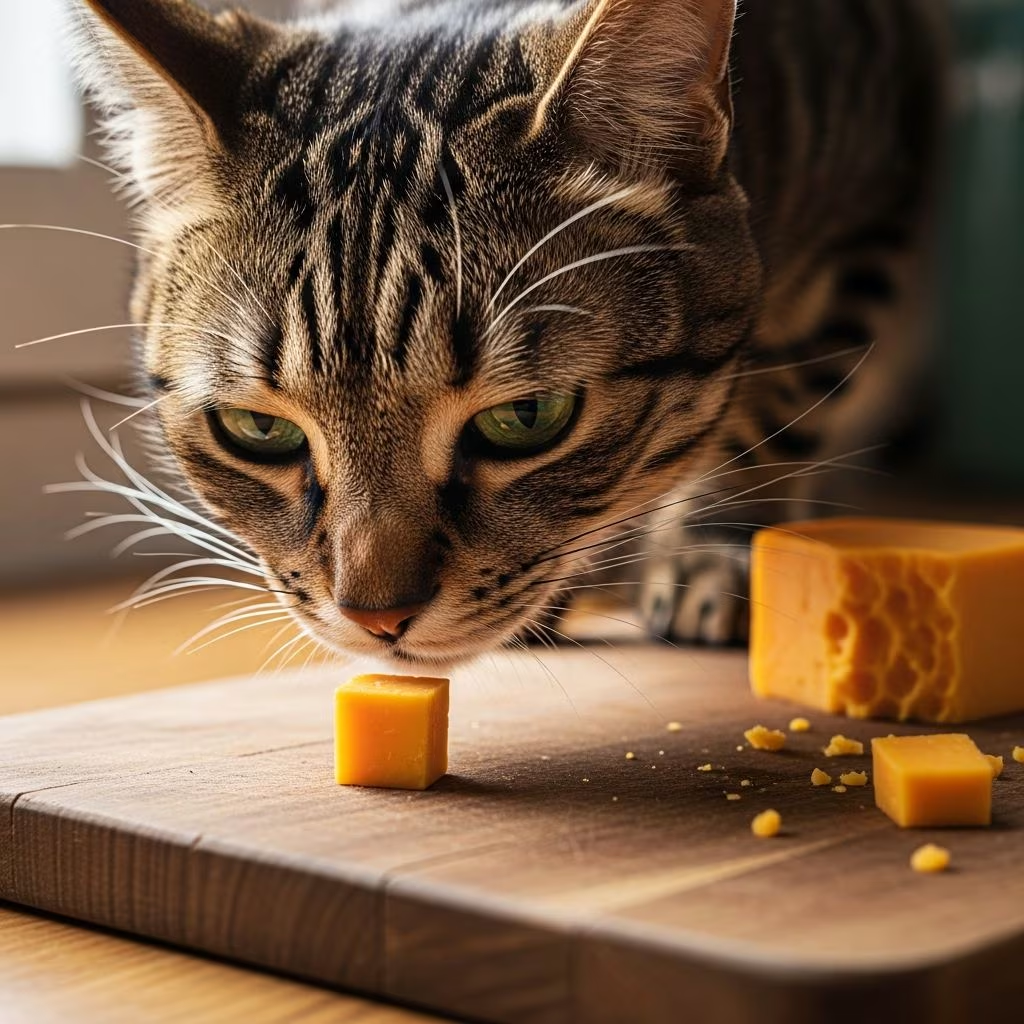
Cats can eat small amounts of certain cheeses occasionally, but it’s not recommended as a regular treat due to lactose intolerance, high fat, and salt content in most varieties.
Understanding Feline Digestive Systems and Dairy
Cats are obligate carnivores, evolved to thrive on meat-based diets rich in animal proteins and fats. Their digestive systems produce limited lactase, the enzyme needed to break down lactose, a sugar prevalent in dairy products including cheese. Kittens naturally produce more lactase, but adult cats typically lose this ability, leading to potential gastrointestinal distress from dairy consumption.
While cheese undergoes fermentation that reduces lactose compared to milk, it rarely eliminates it entirely. This partial breakdown makes some cheeses tolerable in tiny portions for many cats, but individual tolerance varies widely based on genetics and health status.
Potential Health Risks of Feeding Cheese to Cats
Offering cheese poses several concerns beyond digestion. Key risks include:
- Lactose Intolerance Symptoms: Diarrhea, vomiting, gas, and abdominal pain can occur within hours of ingestion as undigested lactose ferments in the gut.
- Obesity and Weight Gain: Cheese is calorie-dense; a 28-gram slice of cheddar delivers 113 calories, equivalent to a significant portion of a cat’s daily needs, promoting fat accumulation.
- High Sodium Levels: Excessive salt can trigger thirst, urination issues, lethargy, and in severe cases, salt toxicity.
- Cholesterol and Fat Overload: Elevated fats (e.g., 9.3g per cheddar slice) strain the pancreas and contribute to pancreatitis or cardiovascular strain over time.
Veterinarians emphasize that treats like cheese should never exceed 10% of daily calories to avoid nutritional imbalances.
Nutritional Breakdown: What Cheese Offers Cats
Cheese provides protein, calcium, and minor vitamins, but these are inefficient for cats compared to meat sources. A typical cheddar profile per 28g serving includes:
| Nutrient | Amount | Cat Relevance |
|---|---|---|
| Total Fat | 9.3g | Excessive; risks obesity |
| Protein | 6.4g | Present but plant/incomplete vs. meat |
| Sodium | 183mg | High; potential toxicity |
| Calcium | 199mg | Beneficial but available in kibble |
| Calories | 113 | ~10% daily for 10lb cat |
Cat foods are formulated to deliver these nutrients optimally without dairy’s downsides.
Safest Cheese Varieties for Cats
Not all cheeses are equal; aged, hard types have lower lactose due to bacterial breakdown during aging. Here’s a comparison:
| Cheese Type | Lactose Level | Fat/Salt | Safety Rating | Notes |
|---|---|---|---|---|
| Goat Cheese | Low | Low salt | High | Safest option; occasional small bits |
| Parmesan | Very Low | Moderate | High | Hard, aged; tiny amounts only |
| Cheddar | Low | High fat | Moderate | Aged varieties better; pea-sized |
| Swiss | Low | Lower fat/salt | Moderate | Occasional treat |
| Cottage (Low-Fat) | Moderate | Protein-rich | Moderate | Small servings; monitor digestion |
| Feta | Moderate | High salt | Low | Rarely; health risks |
Always opt for plain, unprocessed versions without additives.
Cheeses to Strictly Avoid
Some varieties pose immediate dangers:
- Blue Cheese: Contains Penicillium mold, potentially toxic, causing vomiting and diarrhea.
- Cream Cheese: High lactose and calories despite low salt; leads to GI upset.
- Mozzarella: Softer texture means higher lactose; frequent diarrhea trigger.
- Flavored Cheeses: Garlic, onion, or herbs are toxic to cats.
Steer clear to prevent emergencies.
Guidelines for Safe Cheese Treats
If offering cheese, follow these rules:
- Limit to pea-sized pieces (e.g., 1/8 oz max per week).
- Choose low-lactose, low-fat options.
- Introduce gradually; watch for 24-hour reactions.
- Reserve for pill-hiding or rare rewards.
- Consult vets for overweight, senior, or sensitive cats.
Daily calorie cap: 10% from treats.
Healthier Alternatives to Cheese
Prioritize cat-specific snacks for nutrition without risks:
- Cooked Chicken or Fish: Lean protein, low calorie.
- Commercial Cat Treats: Vet-formulated, lactose-free.
- Vegetable Bits: Steamed carrot or pumpkin for fiber (small amounts).
- Frozen Tuna Juice: Hydrating, appealing.
These align better with carnivorous needs.
Special Considerations for Kittens and Senior Cats
Kittens tolerate dairy slightly better due to higher lactase but still risk diarrhea; stick to kitten formula. Seniors face amplified obesity and digestion issues, making cheese unwise.
Frequently Asked Questions
Is cheese toxic to cats?
No, but problematic due to lactose and fat; not acutely poisonous like chocolate.
Why do some cats love cheese?
Umami flavor from fats/proteins appeals, but enjoyment doesn’t equal safety.
Can cheese help with pill administration?
Yes, small amounts to mask meds; discard uneaten portions.
How much cheese is too much?
Anything over 10% daily calories or causing symptoms.
What if my cat ate a lot of cheese?
Monitor for vomiting/diarrhea; contact vet if persistent.
Expert Tips for Optimal Feline Nutrition
Focus on balanced commercial diets meeting AAFCO standards. Supplements or human foods like cheese disrupt this. Regular weigh-ins and vet checkups catch issues early. Hydration via wet food reduces dairy temptation effects.
In summary, while a rare nibble of safe cheese won’t harm most cats, it’s far from ideal. Opt for purpose-made treats to ensure long-term health and vitality.
References
- Can Cats Eat Cheese? Here’s Everything You Need to Know — Pawlicy Advisor. 2023. https://www.pawlicy.com/blog/can-cats-eat-cheese/
- Can Cats Eat Cheese? A Guide to Safety — Purina US. 2024. https://www.purina.com/articles/cat/feeding/can-cats-eat/cheese
- Can Cats Eat Cheese? An Investigation Into Feline Dietary Habits — Genius Litter. 2023. https://geniuslitter.com/blogs/cat-nutrition/can-cats-eat-cheese-an-investigation-into-feline-dietary-habits
- Can Cats Eat Cheese? Risks & Safe Feeding Tips — MichuPet. 2024. https://michupet.com/blogs/nutrition/can-cats-eat-cheese
- Can Cats Eat Cheese? — Chewy. 2024. https://www.chewy.com/education/cat/food-and-nutrition/nutrition-pet-diet-tips-can-cats-eat-cheese
- Can Cats Eat Cheese? — Hill’s Pet Nutrition. 2023. https://www.hillspet.com/cat-care/nutrition-feeding/can-cats-eat-cheese



