

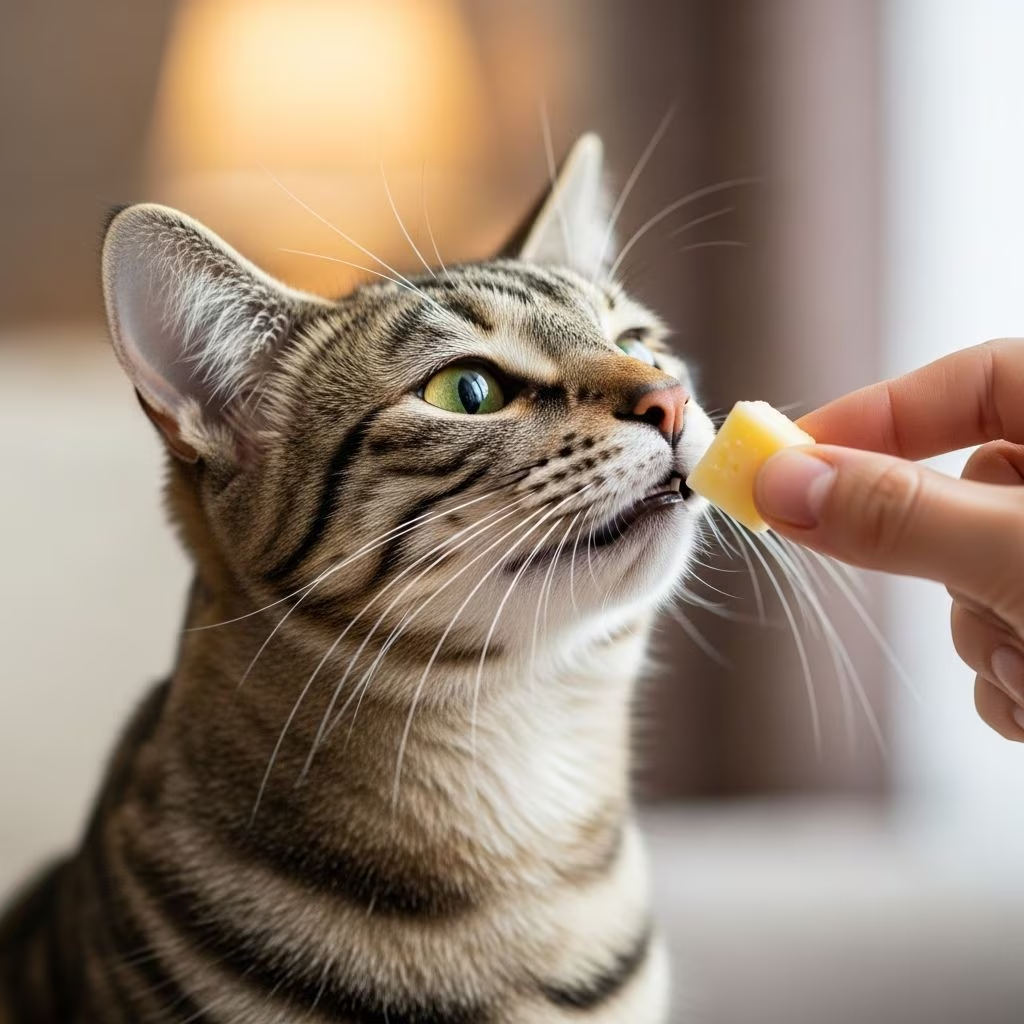
While cheese might seem like a tempting treat to share with your feline friend, it’s not always the best choice for their diet. Most adult cats struggle to digest dairy due to lactose intolerance, but small amounts of certain low-lactose cheeses can be offered occasionally without harm. Understanding the nutritional profile, potential risks, and safer alternatives ensures your cat stays healthy.
The Feline Digestive System and Dairy Challenges
Cats are obligate carnivores, evolved to thrive on meat-based diets rather than dairy products. Kittens produce lactase, an enzyme that breaks down lactose in mother’s milk, but production drops sharply after weaning, typically around 4-8 weeks old. This leads to lactose intolerance in most adults, where undigested lactose ferments in the gut, causing bloating, gas, diarrhea, and vomiting.
Cheese varies in lactose content based on aging and processing. Aged, hard varieties undergo fermentation that reduces lactose levels significantly, making them more tolerable than fresh, soft types. However, even low-lactose cheese carries other concerns like high fat and sodium, which can contribute to obesity, hypertension, and pancreatitis if overfed.
Nutritional Breakdown: Benefits vs. Risks of Cheese for Cats
Cheese offers protein, calcium, and fats, which sound beneficial but exceed a cat’s needs in small portions. A 100g serving of cheddar contains about 33g fat—far more than required for a 4-5kg cat’s daily intake of 10-20g total fat. Salt levels in many cheeses can strain kidneys, especially in older cats prone to chronic kidney disease.
| Nutrient | Amount in 100g Cheddar | Cat’s Daily Need (Avg. Adult) | Potential Issue |
|---|---|---|---|
| Fat | 33g | 10-20g | Obesity, pancreatitis |
| Sodium | 620mg | <100mg | High blood pressure |
| Protein | 25g | 20-30g | Beneficial in tiny amounts |
| Calcium | 710mg | 200-400mg | Supports bones, but excess risky |
This table highlights why cheese should never exceed 10% of daily calories—equivalent to a pea-sized piece for most cats.
Safe Cheese Varieties: Low-Risk Options for Occasional Treats
Not all cheeses are equal for cats. Opt for hard, aged types with minimal lactose (under 1g per 100g) and plain varieties without additives.
- Cheddar: Semi-hard and aged, low lactose makes it a top choice. Offer a tiny shred as a pill hider.
- Swiss: Naturally low in lactose and salt, with holes from fermentation reducing dairy sugars. Very small amounts only.
- Parmesan: Extremely low moisture and lactose due to long aging; grate finely for minimal portions.
- Provolone or Gouda: Similar aging process lowers lactose; check for plain, unsalted versions.
These can provide a protein boost in moderation, but always introduce gradually to monitor tolerance.
Cheeses to Steer Clear Of: High-Risk Varieties
Soft, fresh, or processed cheeses pose greater dangers due to higher lactose, fat, mold, or additives.
- Cottage Cheese: Around 3.3g lactose per 100g; leads to diarrhea despite seeming mild.
- Cream Cheese: High lactose and fat content triggers vomiting and gut upset.
- Mozzarella: Fresher type with more lactose; causes gas and loose stools.
- Brie or Camembert: Creamy textures mean elevated lactose and fat; avoid entirely.
- Blue Cheese: Contains toxic Penicillium mold, plus salt and fat; potentially fatal.
- Feta: Briny and high in salt/fat, risks digestive and heart issues.
- American Cheese: Processed with carbs, additives, and salt; nutritionally poor.
Melted cheese, like on pizza, retains these risks plus added carbs from dough or toxins like garlic/onion.
Immediate and Long-Term Health Effects of Cheese Overindulgence
Short-term reactions appear within hours: abdominal pain, flatulence, watery stools, or itchiness from allergies. Long-term, regular feeding promotes weight gain—cats need precise calorie control—and elevates risks for diabetes, urinary issues, and organ strain. Kittens face amplified dangers; their smaller bodies handle fat/salt poorly post-weaning.
Vulnerable groups include seniors, overweight cats, or those with GI sensitivities—consult a vet first.
Smart Feeding Strategies: How to Offer Cheese Safely
If your cat shows no adverse reactions to tiny tests, follow these rules:
- Limit to 5-10 calories max per day (e.g., 1/4 tsp shredded cheddar).
- Choose organic, low-sodium, plain varieties.
- Mix into meals or use for meds, not free-feeding.
- Observe for 24-48 hours post-introduction.
- Prioritize vet-approved commercial treats mimicking cheese flavor without dairy.
Freshness matters—spoiled cheese amplifies bacteria risks.
Superior Alternatives: Dairy-Free Treats Cats Love
Skip cheese for these vet-recommended options matching protein/fat profiles without lactose:
- Freeze-dried meat treats (chicken, salmon).
- Commercial cat treats low in carbs.
- Plain cooked meats (turkey, fish) in pea-sized bits.
- Veggie purees like pumpkin for fiber.
- Hydrating options: tuna flakes in water.
A balanced commercial diet meets all needs; treats enhance bonding, not nutrition.
Common Myths About Cats and Dairy Debunked
Myth: Cats love cheese, so it’s fine. Preference doesn’t equal safety—many crave inappropriate foods.
Myth: All cheese is like milk. Aging reduces lactose, but fat/salt persist.
Myth: Kittens handle it best. Post-weaning, intolerance sets in quickly.
Frequently Asked Questions
Is cheese toxic to cats?
No, but it causes digestive upset in most due to lactose intolerance. Hard cheeses in tiny amounts are safer.
Can kittens have cheese?
Avoid it; even with temporary lactase, high fat/salt risks outweigh benefits post-weaning.
Why do some cats tolerate cheese better than milk?
Cheese has less lactose from aging, but neither is ideal for obligate carnivores.
Is melted cheese okay, like from pizza?
No—retains fat/lactose, plus carbs and potential toxins from toppings.
How much cheese is too much?
Never more than 10% of diet; pea-sized occasionally at most.
Expert Advice: When to Consult Your Veterinarian
Before any dairy trial, discuss with your vet, especially for cats with health conditions. They can test for allergies or recommend tailored diets. Prioritizing evidence-based nutrition keeps your cat thriving long-term.
References
- Can Cats Eat Cheese? Risks & Safe Feeding Tips — MichuPet. 2023. https://michupet.com/blogs/nutrition/can-cats-eat-cheese
- Can Cats Eat Cheese, Milk and Dairy Products? — Vets Now. 2024-01-15. https://www.vets-now.com/pet-care-advice/can-cats-eat-cheese/
- Can Cats Eat Cheese? — Chewy. 2023-05-10. https://www.chewy.com/education/cat/food-and-nutrition/nutrition-pet-diet-tips-can-cats-eat-cheese
- Can Cats Eat Cheese? — Hill’s Pet Nutrition. 2024-02-20. https://www.hillspet.com/cat-care/nutrition-feeding/can-cats-eat-cheese
- Can Cats Eat Cheese? — PetMD. 2024-11-05. https://www.petmd.com/cat/nutrition/can-cats-eat-cheese



