

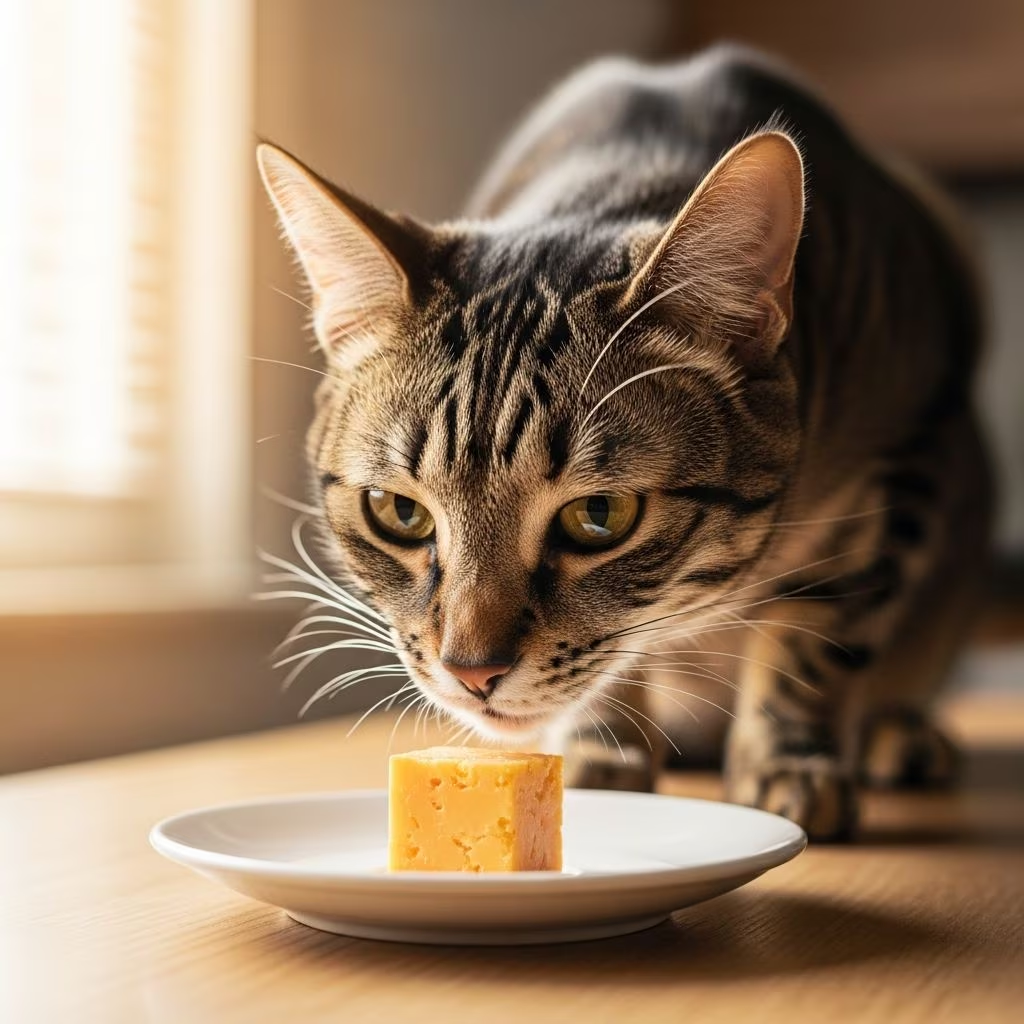
Feline dietary needs differ significantly from humans, especially regarding dairy products like cheese. While cheese might seem like a harmless snack, most adult cats struggle to process it due to lactose intolerance, leading to potential digestive distress. This guide examines the science behind cats and cheese, identifies safe options, outlines risks, and suggests superior alternatives to keep your pet healthy.
Understanding Feline Digestive Biology and Dairy
Cats are obligate carnivores, evolved to thrive on meat-based diets with minimal plant or dairy intake. Kittens produce lactase, an enzyme that breaks down lactose in mother’s milk, but production drops sharply after weaning around 4-8 weeks. Adult cats retain little lactase, making dairy sugars hard to digest.
Cheese forms through milk fermentation, reducing lactose compared to liquid milk, yet remnants persist. Harder, aged varieties like cheddar or parmesan contain trace amounts (often under 1g per 100g), while softer types retain more (3g+ per 100g). Even low-lactose cheese can trigger issues in sensitive cats due to fats, salts, and proteins.
Immediate Health Risks of Feeding Cheese to Cats
Short-term effects from cheese consumption mimic lactose intolerance symptoms. Undigested lactose ferments in the gut, producing gas, bloating, diarrhea, vomiting, and abdominal pain within hours. A small nibble might pass unnoticed in tolerant cats, but larger amounts overwhelm the system.
- Gas and Bloating: Fermentation causes discomfort, evident in lethargy or hiding.
- Diarrhea: Loose stools signal malabsorption, risking dehydration.
- Vomiting: The body’s rejection mechanism for irritants.
Skin reactions like itching or rashes occur in dairy-allergic cats, though less common than intolerance.
Long-Term Consequences of Regular Cheese Treats
Chronic exposure amplifies risks beyond digestion. Cheese’s high caloric density—around 400 calories per 100g for many types—promotes obesity when added to balanced kibble or wet food. Excess fat (up to 33g per 100g in cheddar) contributes to weight gain, mirroring a human eating multiple burgers from one ounce.
Obesity links to diabetes, heart disease, joint issues, and reduced lifespan in cats. High sodium elevates blood pressure risks, while saturated fats strain the liver and pancreas. Veterinary consensus urges avoiding dairy as routine treats.
Cheese Varieties: Safe Bets vs. Total No-Gos
Not all cheeses pose equal threats. Lactose levels, fat, mold, and additives determine safety. Use this table for quick reference:
| Cheese Type | Lactose Level | Key Risks | Safety Rating |
|---|---|---|---|
| Cheddar (aged) | Low (<1g/100g) | High fat, calories | Occasional tiny amounts OK |
| Parmesan | Very low | Fat, salt | Occasional tiny amounts OK |
| Cottage | High (3.3g/100g) | Lactose, moisture | Avoid |
| Cream | High | Lactose, fat | Avoid |
| Mozzarella | Moderate-high | Lactose, fat | Avoid |
| Brie/Camembert | High | Lactose, mold potential | Avoid |
| Blue (e.g., Roquefort) | Low-moderate | Mold toxins, salt, fat | Strictly avoid |
| Feta | Low-moderate | Extreme salt, fat | Avoid |
| American (processed) | Moderate | Additives, salt, carbs | Avoid |
Data synthesized from veterinary analyses. Opt for hardest, lowest-lactose types if treating, limited to pea-sized portions weekly.
Special Cases: Kittens, Seniors, and Health Conditions
Kittens and Cheese
Kittens tolerate lactose better pre-weaning but lose capacity soon after. By 8 weeks, most mirror adult intolerance. High-fat cheese risks pancreatitis or diarrhea in developing systems—avoid entirely.
Senior Cats
Aging reduces digestive efficiency further. Seniors prone to kidney disease face salt overload dangers; obese elders risk exacerbated joint pain. Stick to vet-prescribed diets.
Cats with Pre-Existing Issues
Diabetic, overweight, or GI-sensitive cats should never get cheese. Allergy testing via vets confirms dairy reactions.
How Much Cheese Is Too Much? Portion Guidelines
Moderation defines any dairy indulgence. Limit to 1-2g (dice-sized) of low-lactose hard cheese, max once weekly, comprising under 10% total calories. Monitor for symptoms post-trial; discontinue if issues arise.
Pizza and Cooked Cheese Warning: Melted forms retain risks; pizza adds toxic onions/garlic and carb-heavy crust.
Spotting and Managing Cheese Reactions
Observe 24-48 hours post-exposure:
- Immediate: Vomiting, diarrhea—offer water, bland diet (boiled chicken/rice), vet if persistent.
- Mild: Probiotics aid recovery.
- Severe: Dehydration signs (dry gums, sunken eyes) demand urgent care.
Prevent by securing counters; train ‘leave it’ commands.
Superior Alternatives to Cheese for Cat Treats
Ditch dairy for nutritionally matched options:
- Commercial Cat Treats: Low-cal, meat-based (e.g., freeze-dried chicken).
- Plain Cooked Meats: Turkey, chicken—lactose-free protein boosts.
- Cat-Safe Veggies: Steamed broccoli, pumpkin for fiber (tiny amounts).
- Fish: Salmon flakes (cooked, deboned) for omegas, sparingly.
- Yogurt (Vet-Approved): Low/no-lactose Greek varieties, probiotic-rich, spoon-tip only.
These mimic cheese’s appeal without pitfalls, supporting dental health and satiety.
Frequently Asked Questions
Can kittens safely eat cheese?
No—despite temporary lactase, cheese’s fats overwhelm young guts, causing upset. Mother’s milk suffices.
Why do some cats handle cheese better than milk?
Aged cheese has less lactose via fermentation; milk retains full sugar load. Tolerance varies individually.
What if my cat licks cheese accidentally?
Tiny amounts often harmless, but watch for GI signs. Hydrate and monitor; withhold more dairy.
Is any cheese toxic to cats?
Blue cheese mold produces roquefortine C, potentially neurotoxic. Others irritate, not poison.
Can cheese help hide medication?
Yes, sparingly for low-lactose hard types. Consult vet for dairy-free pill pockets.
Expert Tips for Optimal Feline Nutrition
Prioritize AAFCO-approved complete foods covering 90%+ nutrition. Treats enhance bonding, not diets. Annual vet checkups tailor advice; bloodwork detects intolerances early. Hydration via fountains counters dairy dehydration risks.
References
- Can Cats Eat Cheese? Risks & Safe Feeding Tips — MichuPet. 2023. https://michupet.com/blogs/nutrition/can-cats-eat-cheese
- Can Cats Eat Cheese, Milk and Dairy Products? — Vets Now. 2024-02-15. https://www.vets-now.com/pet-care-advice/can-cats-eat-cheese/
- Can Cats Eat Cheese? — PetMD. 2024. https://www.petmd.com/cat/nutrition/can-cats-eat-cheese
- Can Cats Eat Cheese? — Hill’s Pet Nutrition. 2023-11-01. https://www.hillspet.com/cat-care/nutrition-feeding/can-cats-eat-cheese
- Foods Your Cat Should Never Eat — WebMD. 2024. https://www.webmd.com/pets/cats/ss/slideshow-foods-your-cat-should-never-eat



