

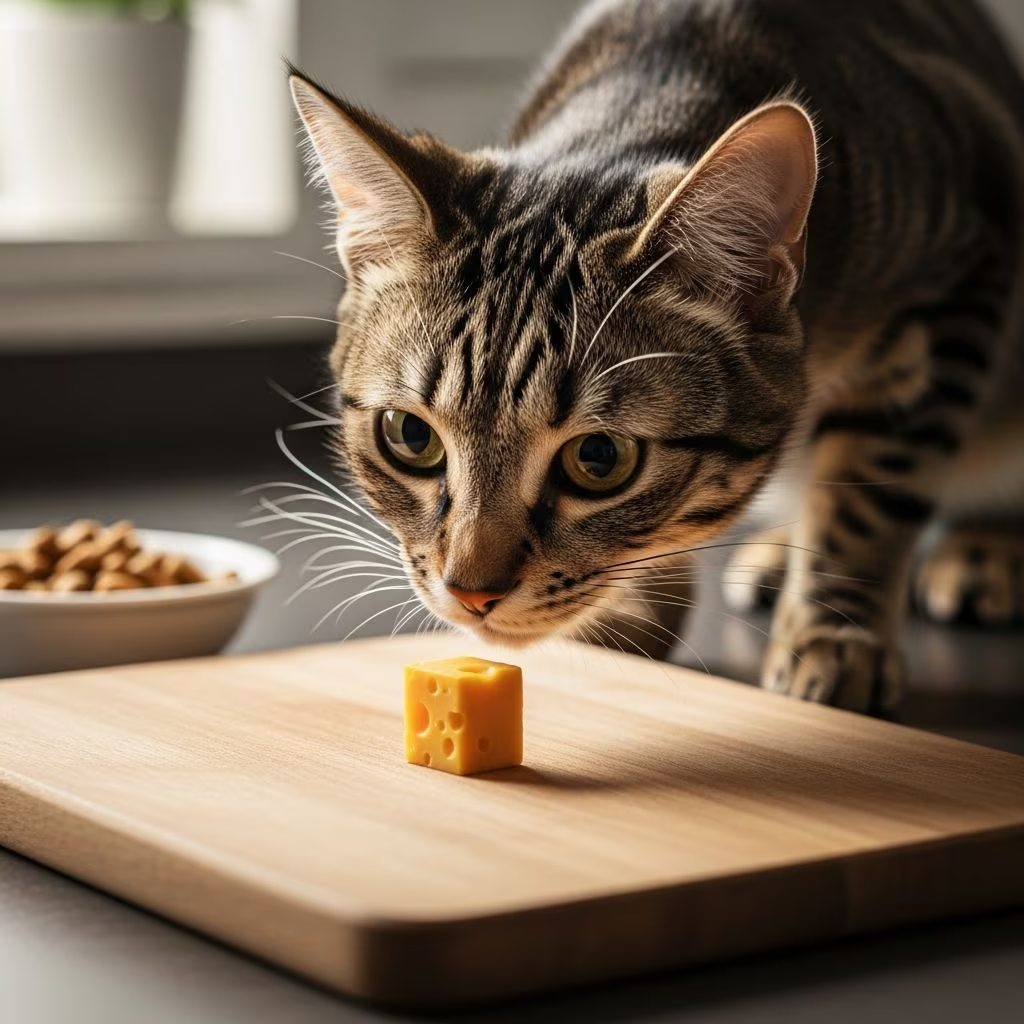
Can Cats Eat Cheese? A Complete Guide for Cat Owners
As a cat owner, you may wonder whether it’s safe to share cheese with your feline companion. While cheese is a nutritious food for humans, it presents unique challenges for cats due to their digestive system and dietary needs. The short answer is that cats can eat cheese in very small amounts, but it’s generally not recommended as a regular treat. Understanding the reasons why and which types of cheese are safer can help you make informed decisions about your cat’s diet.
Why Cats Have Difficulty Digesting Cheese
The primary reason cheese poses challenges for cats relates to lactose intolerance. Unlike humans who may continue producing lactase (the enzyme needed to break down lactose) into adulthood, most cats stop producing this enzyme after weaning. This means that as adult cats, they struggle to digest lactose, a sugar found in all dairy products including cheese.
When cats consume cheese, the lactose they cannot properly digest can lead to several digestive problems. The lactose ferments in the digestive tract, causing gas, bloating, and discomfort. Additionally, kittens produce more lactase than adult cats and can tolerate cheese slightly better, but even young cats should consume cheese only in minimal amounts due to other nutritional concerns.
Health Risks Associated with Feeding Cheese to Cats
Beyond lactose intolerance, cheese presents several health risks that make it an unsuitable treat for most cats:
High Fat and Calorie Content
Cheese is exceptionally high in fat and calories, which can contribute to weight gain in cats. For example, cheddar cheese contains approximately 33 grams of fat per 100 grams, far exceeding what a cat’s body requires. Obesity in cats can lead to numerous health complications, including joint problems, diabetes, and reduced mobility. Cats that are already overweight should avoid cheese entirely.
Excessive Sodium Levels
Many cheeses contain high levels of sodium (salt), which can be problematic for cats. While a 28-gram slice of cheddar cheese contains about 183 mg of sodium, excessive salt consumption can cause diarrhea, vomiting, lethargy, excessive thirst, and increased urination. Regular consumption of high-sodium foods may contribute to long-term health issues in felines.
Lack of Nutritional Value
Although cheese does contain protein and calcium, these nutrients are more readily available and better suited to cats through high-quality cat food and specialized feline treats. Since cats are obligate carnivores, their nutritional needs are best met through meat-based proteins rather than dairy products. Cheese offers little benefit to a cat’s health and takes up space that could be filled with more appropriate foods.
Which Cheeses Are Safest for Cats?
If you choose to offer cheese to your cat, certain types are safer than others. The key distinction involves lactose content: hard, aged cheeses are generally safer than soft varieties.
Safer Cheese Options
- Cheddar: Hard, aged cheddar has relatively low lactose levels compared to soft cheeses, making it one of the safer options
- Parmesan: This hard cheese can be consumed by cats in small amounts as an infrequent treat, though it remains high in fat and salt
- Swiss: Another hard, aged cheese with lower lactose content that may be tolerated better by some cats
If offering any of these cheeses, portion size is critical. Experts recommend limiting cheese to a piece about the size of a dice, offered only occasionally. Some cats may tolerate these harder cheeses without immediate digestive upset, but regular consumption is not advisable.
Cheeses to Avoid
- Mozzarella: This soft cheese is higher in lactose compared to hard varieties and can cause gas, diarrhea, or upset stomach
- Cream Cheese: Although lower in some aspects, cream cheese is high in calories and contains more lactose than many harder cheeses, making it likely to cause vomiting or diarrhea
- Blue Cheese: This moldy cheese contains Penicillium, which can be toxic to cats
- Cheeses with Added Ingredients: Avoid any cheese containing garlic, onion, or other spices, as these can be harmful to felines
- Brie and Other Soft Cheeses: These varieties are higher in lactose and should be avoided
Special Considerations for Different Types of Cheese
Cottage Cheese
Cottage cheese is sometimes recommended as a safer option because it is lower in lactose than many cheeses and provides protein. However, other sources suggest caution, as 100 grams of cottage cheese contains approximately 3.3 grams of lactose, which can still lead to diarrhea and stomach upset. If you offer cottage cheese, choose low-fat varieties and limit portions strictly.
Feta Cheese
While feta cheese may be lower in lactose than some other varieties, it is extremely high in salt and fat content. These properties make it unsuitable for regular consumption, as it can cause digestive problems and lead to long-term health issues if eaten regularly. Feta should be avoided or offered only in the rarest circumstances.
Cheese and Kittens
Young kittens have a greater capacity to produce lactase than adult cats, meaning they can tolerate small amounts of cheese better than their older counterparts. However, this doesn’t make cheese an appropriate treat for kittens. Kittens should consume only tiny amounts of cheese due to high calorie and sodium levels. Their nutritional needs are best met through their mother’s milk during nursing and high-quality kitten food after weaning.
Why Cats Can Sometimes Tolerate Cheese Better Than Milk
Some cat owners notice their cats seem to handle cheese better than liquid milk. This occurs because cheese, particularly hard varieties, has significantly less lactose than cow’s milk due to the aging and processing methods used in cheese production. However, this reduced lactose content doesn’t mean cheese is a healthy choice for cats—it simply means it may be slightly less likely to cause immediate digestive upset. The high fat, calorie, and sodium content still makes it problematic.
Safe and Nutritious Alternatives to Cheese
Rather than risk digestive upset and nutritional imbalance by offering cheese, consider these healthier treat alternatives that align better with your cat’s carnivorous nature:
- Cooked Chicken: Plain, unseasoned cooked chicken breast is an excellent protein source and safe treat
- Cooked Fish: Fish like salmon or tuna provides protein and omega-3 fatty acids beneficial for coat health
- Beef: Lean, cooked beef without salt, fat, or spices makes a nutritious occasional treat
- Commercial Cat Treats: Specially formulated feline treats are designed to meet cats’ nutritional needs and are safer than human foods
When offering any meat treat, ensure it is cooked without added salt, fats, or seasonings, and remove all bones to prevent choking hazards or internal injuries.
Signs Your Cat May Be Lactose Intolerant
If your cat has consumed cheese and shows signs of digestive distress, lactose intolerance may be the culprit. Common symptoms include:
- Diarrhea or loose stools
- Vomiting
- Gas or bloating
- Abdominal discomfort or cramping
- Lethargy or reduced activity levels
- Excessive thirst and urination (from high sodium intake)
If your cat experiences persistent digestive issues after consuming dairy, consult your veterinarian to confirm lactose intolerance and receive guidance on appropriate dietary management.
Understanding Your Cat’s Nutritional Needs
Cats are obligate carnivores, meaning their bodies are designed to derive nutrition primarily from meat rather than plant-based or dairy sources. Their dietary requirements differ significantly from humans, and foods that are nutritious for people may be unsuitable or even harmful for cats. High-quality commercial cat food is formulated to meet all essential nutritional needs without the digestive challenges presented by dairy products.
When choosing treats for your cat, prioritize foods that support their natural dietary requirements. This approach ensures optimal health, maintains a healthy weight, and prevents digestive upset.
Frequently Asked Questions About Cats and Cheese
Q: Can I give my cat cheese as a treat?
A: While small amounts of hard cheeses like cheddar or parmesan may be tolerated by some cats, cheese is generally not recommended as a treat. If you choose to offer it, limit portions to a piece about the size of a dice and do so only occasionally.
Q: Is cottage cheese safe for cats?
A: Cottage cheese is lower in lactose than many cheeses, but it still contains significant lactose that can cause digestive upset. If offered, choose low-fat varieties in very small amounts only.
Q: What should I do if my cat accidentally ate cheese?
A: If your cat consumed a small amount of cheese, monitor for signs of digestive upset such as vomiting or diarrhea. Most cats will experience only mild symptoms. However, if symptoms persist or your cat appears in distress, contact your veterinarian.
Q: Can kittens eat cheese?
A: Although kittens produce more lactase than adult cats, cheese is still not a good choice for them due to high calorie and sodium content. Mother’s milk and specialized kitten food provide better nutrition.
Q: Are there cheeses with added ingredients I should avoid?
A: Yes, absolutely avoid any cheeses containing garlic, onion, or spices, as these are toxic to cats. Also avoid moldy cheeses like blue cheese, which contain Penicillium that can harm your feline.
Q: What are better alternatives to cheese for cat treats?
A: Cooked chicken, fish, and lean beef without seasoning are far superior treat options that align with your cat’s carnivorous nature. Commercial cat treats designed specifically for feline nutrition are also excellent choices.
Q: Why can’t cats digest lactose like humans can?
A: After weaning, cats stop producing lactase, the enzyme required to break down lactose. This is normal feline physiology, as most cats don’t consume milk naturally after infancy in the wild.
References
- Can Cats Eat Cheese? A Guide to Safety — Purina US. 2024. https://www.purina.com/articles/cat/feeding/can-cats-eat/cheese
- Can Cats Eat Cheese? An Investigation Into Feline Dietary Habits — Genius Litter. 2024. https://geniuslitter.com/blogs/cat-nutrition/can-cats-eat-cheese-an-investigation-into-feline-dietary-habits
- Can Cats Eat Cheese? Risks & Safe Feeding Tips — MichuPet. 2024. https://michupet.com/blogs/nutrition/can-cats-eat-cheese
- Can Cats Eat Cheese? — Chewy Pet Education. 2024. https://www.chewy.com/education/cat/food-and-nutrition/nutrition-pet-diet-tips-can-cats-eat-cheese
- Can Cats Eat Cheese, Milk and Dairy Products? — Vets Now. 2024. https://www.vets-now.com/pet-care-advice/can-cats-eat-cheese/
- Can Cats Eat Cheese? Yes, But… — Pumpkin Pet Insurance. 2024. https://www.pumpkin.care/post/can-cats-eat-cheese
- Can Cats Eat Cheese? — Cats.com. 2024. https://cats.com/can-cats-eat-cheese



