

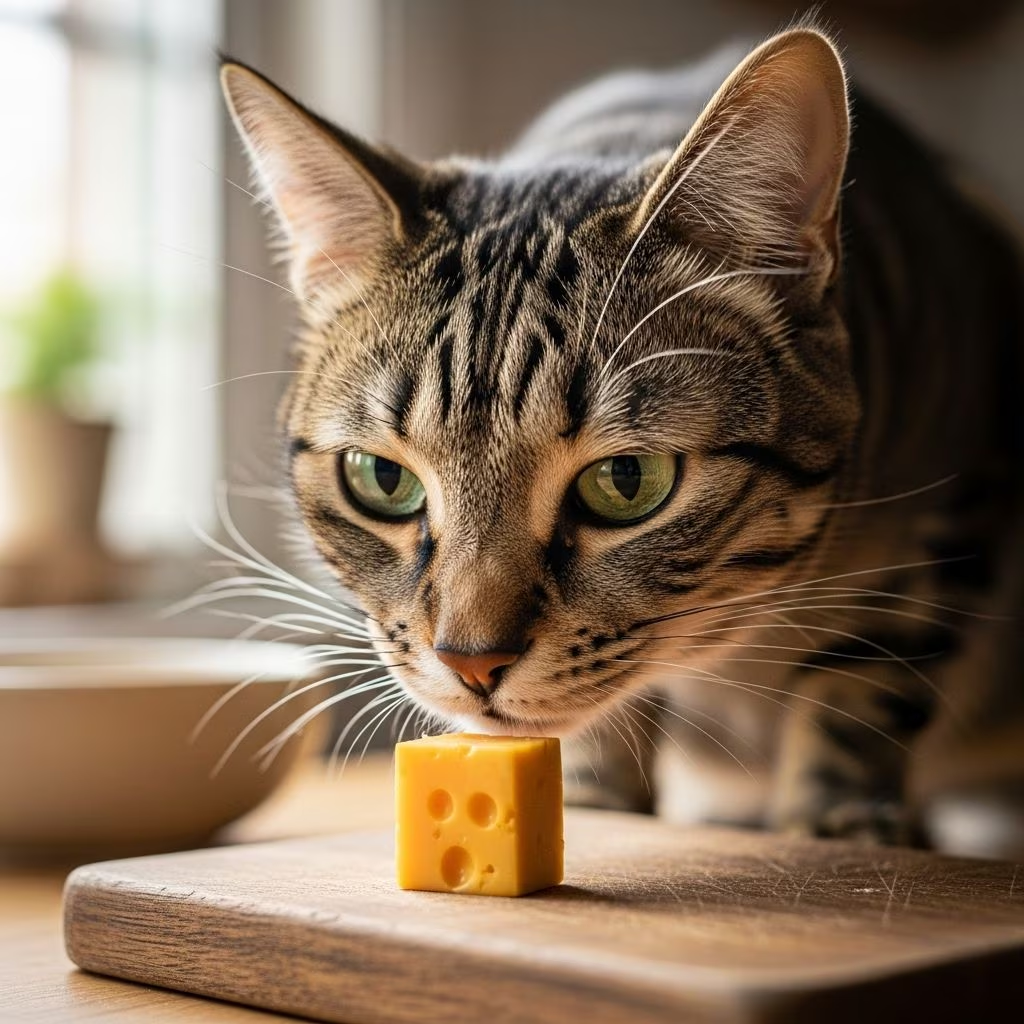
Can Cats Eat Cheese?
Cheese is a beloved food for many humans, and it’s natural to want to share our favorite foods with our feline companions. However, when it comes to cheese, cat owners should exercise caution. While cats can technically consume small amounts of certain types of cheese, it is not an ideal food for them and comes with several potential health risks. Understanding these risks and knowing which cheeses are safer options can help you make informed decisions about your cat’s diet.
Why Cats Struggle with Cheese
Cats are obligate carnivores, meaning their digestive systems are designed primarily to process meat rather than other animal products like dairy. The main reason cheese can be problematic for cats relates to their inability to digest lactose properly. After kittens are weaned from their mother’s milk (typically around four weeks of age), cats stop producing sufficient lactase enzymes, which are necessary to break down lactose found in dairy products. This makes most adult cats lactose intolerant.
When cats consume cheese, the undigested lactose can pass through their digestive system, leading to discomfort and gastrointestinal upset. Additionally, cheese presents several other nutritional concerns for feline health:
- High Fat Content: Cheese is calorie-dense and high in fat, which can contribute to weight gain and obesity in cats over time.
- Excessive Sodium: Many cheeses contain high levels of salt, which can cause diarrhea, vomiting, lethargy, excessive thirst, and urination in cats.
- Limited Nutritional Benefit: While cheese contains protein and calcium, these nutrients are more easily accessible to cats through quality commercial cat food or specially formulated feline treats.
- Unnecessary Calories: A single slice of cheddar cheese contains approximately 113 calories with 9.3 grams of fat, representing a significant portion of a typical cat’s daily caloric needs.
Understanding Lactose Intolerance in Cats
Lactose intolerance in cats is a natural biological phenomenon rather than an allergy. When cats nurse from their mothers as kittens, their bodies produce the lactase enzyme to digest the lactose in milk. Once weaning begins, lactase production decreases significantly. By the time a kitten reaches eight weeks of age (when they typically come home with their new owners), they are essentially lactose intolerant. This is why feeding cheese to kittens carries risks similar to feeding it to adult cats, though kittens have a slightly higher tolerance during their first few weeks of life. However, the high fat and salt content in cheese pose even greater risks to young, developing kittens than to adult cats.
Which Cheeses Are Safer for Cats?
If you choose to give your cat cheese as an occasional treat, some varieties are safer than others. Hard, aged cheeses naturally contain less lactose than soft cheeses due to their processing methods. The following cheeses are generally considered safer options when given in very small quantities:
Safe Cheese Options
| Cheese Type | Lactose Level | Safety Notes | Recommendation |
|---|---|---|---|
| Cheddar | Low | Hard, aged cheese with reduced lactose | Occasional tiny pieces only |
| Parmesan | Very Low | Very low in lactose; good for occasional treats | Occasional tiny pieces only |
| Swiss | Low | Hard cheese with lower lactose content | Occasional tiny pieces only |
| Cottage Cheese | Moderate | Low in lactose but high in calories; use low-fat varieties | Best avoided or minimal amounts |
| Cream Cheese | Low | Low in lactose and salt but very high in calories | Best avoided entirely |
Parmesan Cheese for Cats
Parmesan cheese is often considered one of the safest cheese options for cats due to its very low lactose content. However, even low-lactose cheese should only be given as an infrequent treat in tiny amounts, roughly the size of a dice. Parmesan is still high in salt and calories, so moderation is essential. If you offer parmesan to your cat, ensure it is plain with no added spices or seasonings.
Cottage Cheese for Cats
While cottage cheese is lower in lactose than many other cheese varieties and provides protein, it still contains approximately 3.3 grams of lactose per 100 grams. This level of lactose can trigger digestive upset in many cats. If you choose to offer cottage cheese, select low-fat varieties and provide only tiny portions. For most cats, avoiding cottage cheese altogether is the safer choice.
Feta Cheese for Cats
Feta cheese should be avoided as a regular treat for cats. Although it contains lower lactose levels than some other soft cheeses, feta is extremely high in salt and fat, both of which can cause digestive problems and long-term health issues if consumed regularly. The sodium content in feta makes it a poor choice for feline nutrition.
Cheeses to Avoid Completely
Certain cheeses should never be fed to cats due to serious health risks:
- Blue Cheese: Contains Penicillium mold, which is toxic to cats and can cause vomiting and diarrhea. The high calorie content also makes it unsuitable for feline consumption.
- Soft Cheeses (Mozzarella, Brie): These varieties are higher in lactose and more likely to cause digestive upset.
- Cheeses with Spices: Any cheese containing garlic, onion, or other seasonings should be avoided, as these ingredients are toxic to cats.
- Processed Cheese: American cheese and other processed varieties often contain additives and preservatives that are not suitable for cats.
Health Risks Associated with Feeding Cheese to Cats
Digestive Issues
The most immediate risk of feeding cheese to lactose-intolerant cats is gastrointestinal distress. Symptoms may include vomiting, diarrhea, and stomach upset. These issues can occur within hours of cheese consumption and may persist for several hours.
Obesity and Weight Gain
Cheese is calorie-dense and high in fat, making it a significant contributor to weight gain when fed regularly. Overweight cats face increased risks of diabetes, arthritis, heart disease, and other serious health conditions. Obese cats should completely avoid cheese consumption.
Excessive Sodium Intake
Many cheeses contain high levels of sodium, which can cause serious health problems in cats. Cats require significantly less salt than humans. Excessive sodium from cheese can lead to diarrhea, vomiting, lethargy, ataxia (loss of muscle coordination), excessive thirst, and increased urination.
Individual Sensitivities
Some cats may have milk allergies in addition to lactose intolerance. For these cats, even small amounts of cheese can trigger severe allergic reactions. If your cat has a known milk allergy, cheese should be strictly avoided.
Can Kittens Eat Cheese?
Kittens can technically tolerate lactose better than adult cats during their first few weeks of life while they are still producing lactase enzymes. However, this does not mean cheese is appropriate for kittens. The high fat and sodium content in cheese poses serious risks to young, developing cats. Kittens have more delicate digestive systems and lower caloric requirements than adult cats, making the concentration of fat and salt in cheese particularly problematic. Mother’s milk, or appropriate kitten formula, provides superior nutrition. If you must give a kitten cheese, limit it to a tiny amount as an occasional treat. However, avoiding cheese entirely is the safest approach for kittens.
Safer Treat Alternatives for Your Cat
Rather than cheese, cats benefit most from treats that align with their carnivorous nature. Healthy alternatives include:
- Cooked Chicken: Plain, unseasoned, boneless chicken is an excellent protein source.
- Cooked Fish: Fish like salmon provides protein and omega-3 fatty acids; remove all bones carefully.
- Cooked Beef: Lean beef without added salt or seasonings makes a nutritious treat.
- Commercial Cat Treats: Choose treats specifically formulated for cats, which provide balanced nutrition without excess fat or sodium.
- Cat-Safe Human Foods: Small amounts of cooked pumpkin or plain cooked turkey can be appropriate occasional treats.
When offering any meat-based treat, ensure it is cooked thoroughly without added salt, fats, oils, or seasonings. Remove all bones, as these can cause choking or intestinal blockages.
Guidelines for Giving Your Cat Cheese
If you decide to offer cheese to your cat despite the risks, follow these guidelines to minimize potential harm:
- Offer only tiny pieces, approximately the size of a dice or pea.
- Choose hard, aged cheeses like cheddar, Swiss, or parmesan rather than soft varieties.
- Give cheese only as an infrequent treat, no more than once weekly.
- Never use cheese as a regular part of your cat’s diet.
- Monitor your cat for any signs of digestive upset after cheese consumption.
- Avoid cheese entirely if your cat has a history of lactose intolerance or milk allergies.
- Keep cheese away from overweight or obese cats.
- Never offer flavored or processed cheeses.
Frequently Asked Questions
Q: Is cheese toxic to cats?
A: No, cheese is not toxic to cats in the way that certain foods like chocolate or xylitol are. However, cheese can cause serious digestive upset and health problems due to lactose content, high fat, and excessive sodium. It is best avoided or given only in tiny amounts on rare occasions.
Q: Can all cats eat cheese?
A: No, not all cats can tolerate cheese equally. While some cats may experience minimal digestive upset from small amounts of hard cheese, others are more sensitive to lactose. Additionally, cats with milk allergies should never consume cheese. Age, weight, and overall health status also affect a cat’s ability to tolerate cheese.
Q: What should I do if my cat eats cheese?
A: If your cat accidentally consumes cheese, monitor them closely for signs of digestive upset such as vomiting, diarrhea, or lethargy. Most cats will recover within a few hours to a day. If symptoms persist beyond 24 hours or worsen, contact your veterinarian.
Q: Is hard cheese better than soft cheese for cats?
A: Yes, hard, aged cheeses like cheddar, Swiss, and parmesan contain less lactose than soft cheeses such as mozzarella or brie, making them slightly safer options. However, both types should be avoided or given only in minimal amounts.
Q: Can cheese help hide my cat’s medication?
A: While small amounts of cheese can potentially mask the taste of medication, better alternatives exist. Consult your veterinarian about pill pockets designed for cats, or consider using small amounts of wet cat food, cooked chicken, or specially formulated medication treats instead.
Q: How much cheese is safe for my cat?
A: If offering cheese at all, limit it to a piece roughly the size of a dice, given no more than once weekly. For most cats, avoiding cheese entirely is the safest approach. The amount should never exceed a small percentage of your cat’s daily caloric intake.
Q: Should I give cheese to my overweight cat?
A: No, overweight and obese cats should not eat cheese due to its high fat and calorie content. Focus on maintaining a healthy weight through appropriate portion sizes of balanced cat food and consultation with your veterinarian.
Q: What are the best treats for cats instead of cheese?
A: The healthiest treats for cats are meat-based options such as cooked chicken, fish, and beef without added seasonings. Commercial cat treats formulated for feline nutrition are also appropriate choices. These alternatives align better with cats’ carnivorous dietary needs.
References
- Can Cats Eat Cheese? A Guide to Safety — Purina US. 2025. https://www.purina.com/articles/cat/feeding/can-cats-eat/cheese
- Can Cats Eat Cheese? An Investigation Into Feline Dietary Habits — Genius Litter. 2025. https://geniuslitter.com/blogs/cat-nutrition/can-cats-eat-cheese-an-investigation-into-feline-dietary-habits
- Can Cats Eat Cheese? — Chewy Education. 2025. https://www.chewy.com/education/cat/food-and-nutrition/nutrition-pet-diet-tips-can-cats-eat-cheese
- Can Cats Eat Cheese, Milk and Dairy Products? — Vets Now. 2025. https://www.vets-now.com/pet-care-advice/can-cats-eat-cheese/
- Can Cats Eat Cheese? Yes, But… — Pumpkin Pet Insurance. 2025. https://www.pumpkin.care/post/can-cats-eat-cheese
- Can Cats Eat Cheese? — Hill’s Pet Nutrition. 2025. https://www.hillspet.com/cat-care/nutrition-feeding/can-cats-eat-cheese



