

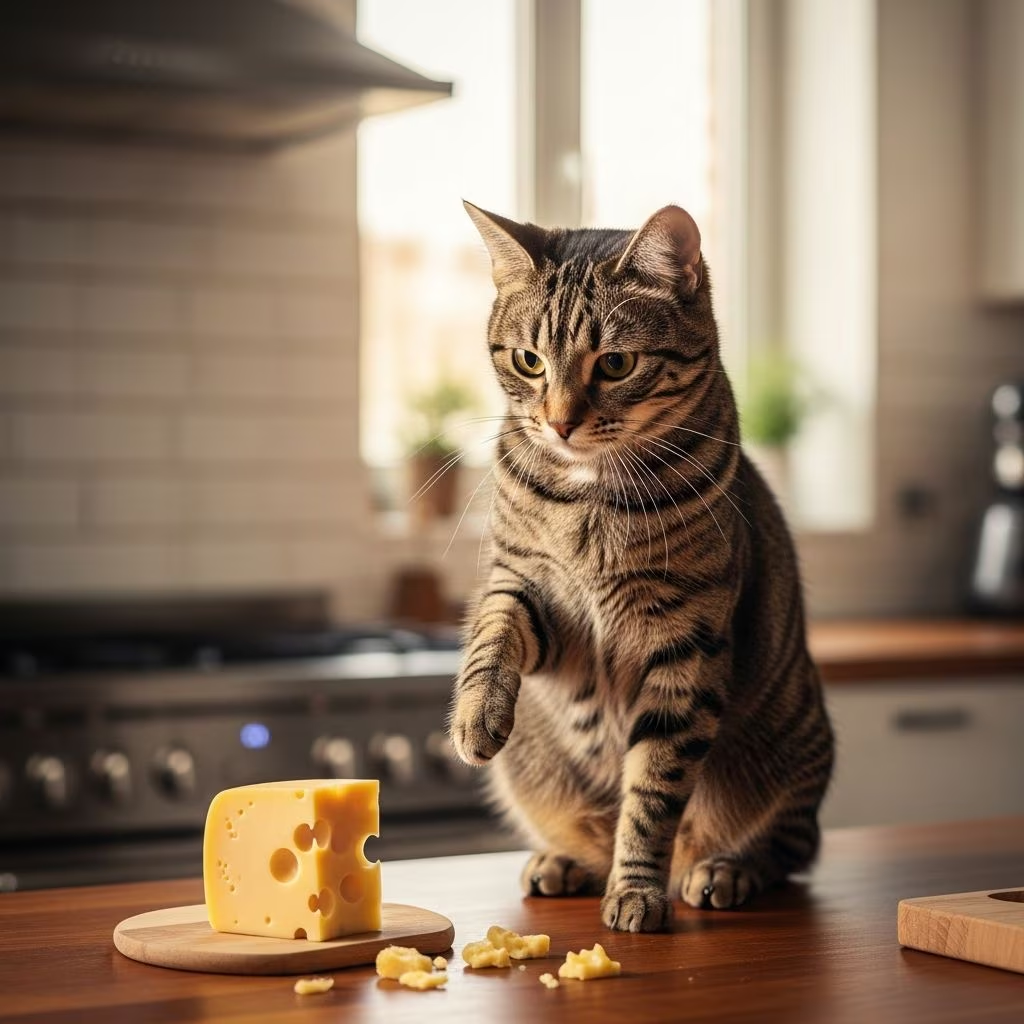
Cats often show interest in human foods like cheese due to its smell and texture, but most adult cats are lactose intolerant, making cheese potentially problematic despite not being toxic. While small amounts of low-lactose cheeses like cheddar may be tolerated by some cats in moderation, regular consumption can lead to digestive upset, weight gain, and nutritional imbalances since cats are obligate carnivores requiring meat-based diets.
Is Cheese Bad for Cats?
Cheese is not inherently toxic to cats, but it poses several health risks primarily due to lactose content and high fat levels. Most cats lose the ability to produce lactase enzyme after weaning, leading to poor digestion of dairy products.
- Lactose Intolerance: Undigested lactose ferments in the gut, causing gas, diarrhea, vomiting, and stomach pain.
- High Fat Content: Excess fat can lead to pancreatitis, obesity, and related issues like diabetes or arthritis.
- Caloric Density: A small piece of cheese can exceed a cat’s daily calorie needs, promoting weight gain.
- Toxic Additives: Some cheeses contain garlic, onions, or spices harmful to cats.
According to veterinary insights, while kittens tolerate mother’s milk, adult cats do not, making dairy an unsuitable staple. University of Missouri notes cheese as safe only in tiny, occasional amounts for healthy cats.
Can Cats Eat Cheese in Moderation?
Yes, some cats can handle very small amounts of cheese occasionally without issues, but it’s not recommended as a regular treat. Opt for low-lactose varieties and monitor for adverse reactions.
| Cheese Type | Lactose Level | Fat Content | Suitability for Cats |
|---|---|---|---|
| Cheddar | Low | Moderate-High | Occasional small amounts OK |
| Cottage Cheese | Low-Moderate | Low | Better option in tiny servings; high protein |
| Cream Cheese | Moderate | High | Avoid due to fat; may cause upset |
| Feta | Low | Moderate | Not ideal; lacks proper proteins |
| Processed (Puffs/Balls) | Varies | High | No; carbs indigestible, unhealthy |
Cottage cheese stands out with 25-40g protein per serving, low fat (5-10g), and minimal carbs, making it somewhat more suitable for pill-hiding or rare treats. Always drain excess liquid to reduce lactose.
Nutritional Facts: Why Cheese Isn’t Ideal for Cats
Cats are obligate carnivores, thriving on high-protein, moderate-fat meat diets with specific nutrients like taurine absent in dairy. Cheese provides protein and fat but in imbalanced forms, plus unnecessary lactose and calories.
- Protein Quality: Dairy protein differs from feline needs.
- Digestion: Lacks enzymes for carbs in processed cheeses.
- Energy: Up to 400 kcal per serving, far exceeding cat portions.
Cheesecake exemplifies risks: high sugar leads to obesity and digestive chaos.
Can Kittens Eat Cheese?
No, avoid cheese for kittens beyond weaning. They produce lactase briefly for mother’s milk, but this fades quickly with solid food transition. Offering cheese risks early digestive issues and poor nutrition.
What Happens If My Cat Ate Cheese?
If your cat sneaks cheese, monitor for mild symptoms like gas or loose stool, which typically resolve without intervention. Severe vomiting, lethargy, or persistent diarrhea warrants a vet visit. Hydrate and withhold dairy. No panic needed for small amounts, but prevent repeats.
How Much Cheese Can Cats Eat?
Limit to a teaspoon or less weekly for tolerant cats, focusing on low-lactose types. Treats should not exceed 10% of daily calories. Consult a vet for personalized advice, especially for overweight or sensitive cats.
Healthier Alternatives to Cheese for Cats
Skip cheese; choose vet-approved treats mimicking its appeal:
- Commercial Cat Treats: Low-cal, meat-based options.
- Plain Cooked Meat: Chicken, turkey (no seasoning).
- Fish: Salmon flakes, cooked without bones.
- Cat-Safe Dairy: Lactose-free cat milk.
- Veggies: Cucumber or pumpkin for fiber (small bits).
These provide nutrition without risks.
Frequently Asked Questions
Is cheese toxic to cats?
No, but lactose and fat can cause digestive upset.
What cheeses can cats eat?
Low-lactose like cheddar or cottage in tiny amounts.
Can I give my cat cream cheese?
Avoid; high fat problematic.
Is cottage cheese OK for cats?
Moderation only; drain liquid.
What if my cat ate cheese puffs?
Likely OK in tiny bits, but avoid; carbs harmful.
Why do cats like cheese?
Protein/fat appeal, despite intolerance.
Conclusion
While not poisonous, cheese isn’t cat-friendly due to lactose intolerance and nutritional mismatches. Reserve for rare, minimal treats if tolerated, prioritizing meat-based diets and vet guidance for optimal health.
References
- Can Cats Eat Cream Cheese? Vet-Reviewed Nutrition Facts & FAQ — Catster. 2023. https://www.catster.com/cat-health-care/can-cats-eat-cream-cheese/
- Can Cats Eat Cottage Cheese? Vet-Verified Nutrition Facts — Catster. 2023. https://www.catster.com/nutrition/can-cats-eat-cottage-cheese/
- My Cat Ate Cheese: Vet Approved Advice on What to Do — Catster. 2023. https://www.catster.com/nutrition/cat-ate-cheese-what-to-do/
- Can Cats Eat Cheese Puffs or Balls? Vet Reviewed Risks & Health — Catster. 2023. https://www.catster.com/nutrition/can-cats-eat-cheese-puffs-or-balls/
- Can Cats Eat Cheesecake? Vet-Verified Nutritional Facts — Catster. 2023. https://www.catster.com/cat-health-care/can-cats-eat-cheesecake/
- Can Cats Eat Feta Cheese? Vet-Approved Risks & Alternatives — Catster. 2023. https://www.catster.com/nutrition/can-cats-eat-feta-cheese/



