

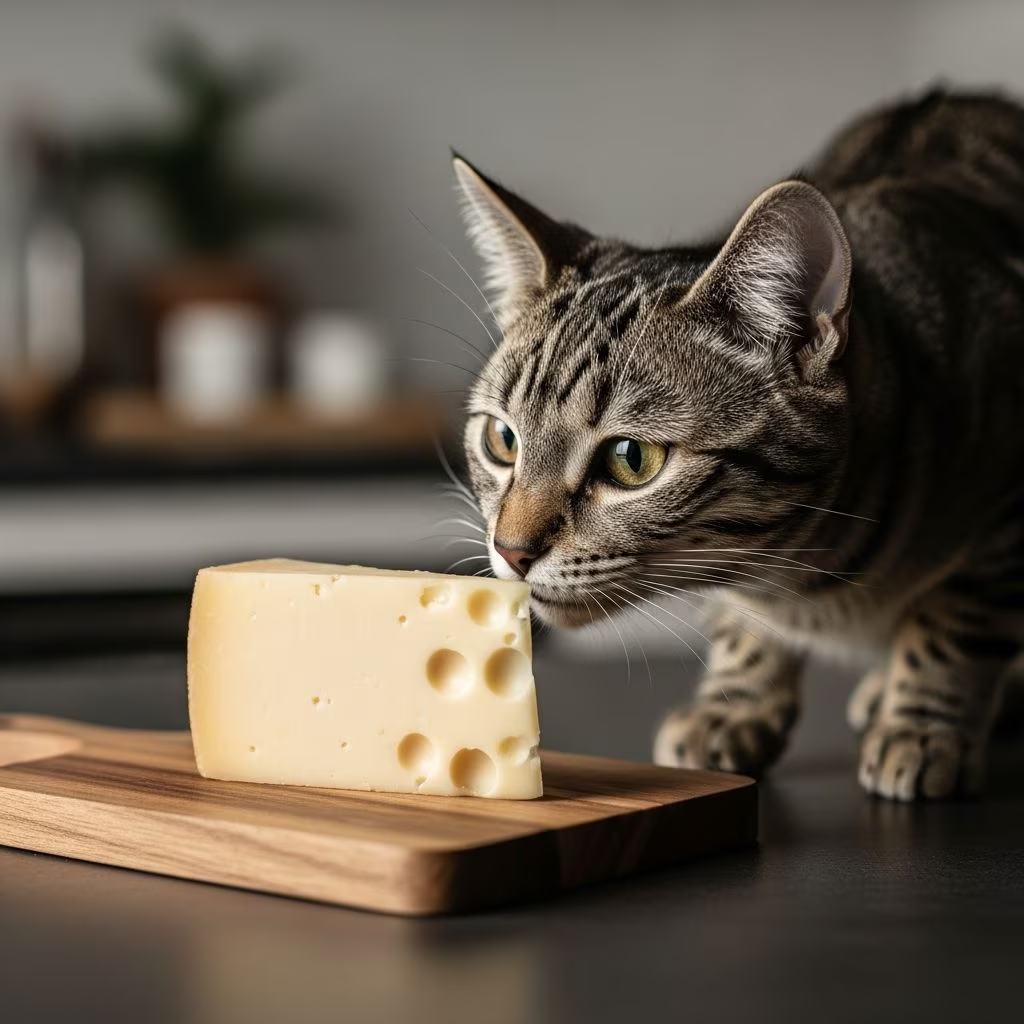
Can Cats Eat Cheese? Understanding Your Cat’s Dietary Needs
Many cat owners wonder if they can share their favorite cheesy snacks with their feline companions. The short answer is: cats can eat small amounts of certain types of cheese occasionally, but it should never become a regular part of their diet. While cheese might seem like a harmless treat, there are several important considerations to understand before offering it to your cat. Understanding your cat’s unique digestive system and nutritional requirements is essential for making informed feeding decisions.
Why Cats Have Difficulty Digesting Cheese
Lactose intolerance is the primary reason why cheese poses challenges for most cats. As obligate carnivores, cats are biologically designed to thrive on a meat-based diet, and their digestive systems have evolved accordingly. Most cats, after weaning from their mother’s milk, stop producing sufficient amounts of lactase—the enzyme required to break down lactose, a natural sugar found in dairy products.
When lactase production decreases, cats that consume cheese may experience digestive upset. The lactose in cheese cannot be properly processed, leading to potential gastrointestinal issues. Additionally, while cheese contains protein and calcium, cats do not require these nutrients from dairy sources. These same nutrients are far more accessible through high-quality cat food specifically formulated for feline nutrition.
Health Risks Associated with Feeding Cheese to Cats
Beyond lactose intolerance, cheese presents several other health concerns for feline companions:
- High Fat Content: Cheese is calorie-dense and contains excessive amounts of fat. For example, cheddar cheese contains approximately 33 grams of fat per 100 grams, far exceeding what a cat requires. Regular consumption can lead to weight gain and obesity.
- Excessive Sodium: Many cheese varieties contain high levels of sodium, which can cause diarrhea, vomiting, lethargy, ataxia, excessive thirst, and increased urination in cats.
- Caloric Overload: A single 28-gram slice of cheddar cheese contains 113 calories—a significant portion of a cat’s daily caloric needs, depending on their size and age.
- Obesity Risk: The combination of high fat and calorie content makes cheese problematic for weight management. Overweight cats should avoid cheese entirely.
- Digestive Upset: Even in small amounts, cheese can trigger digestive issues including gas, diarrhea, vomiting, and general stomach upset in sensitive cats.
Which Cheeses Are Safer for Cats?
Not all cheeses are equally problematic for cats. Some varieties contain lower lactose levels, making them marginally safer if offered in very small quantities. However, even “safer” cheeses should only be given as occasional treats.
Low-Lactose Cheese Options
Cheddar Cheese: Cheddar is a semi-hard cheese that has been aged, reducing its lactose content. A small piece of cheddar is less likely to cause immediate stomach upset compared to softer varieties, though it still contains significant fat and sodium.
Parmesan Cheese: As a hard, aged cheese, parmesan is considered low in lactose and is generally safe for cats in small quantities. Many veterinarians suggest parmesan as one of the safer cheese options when treats are absolutely necessary.
Swiss Cheese: Swiss cheese ranks among the better choices for cats due to its low lactose content and reduced fat and salt levels compared to other varieties. However, it should still be offered only in very small amounts as an occasional treat.
Cottage Cheese: Cottage cheese is low in lactose and rich in protein, making it one of the safer dairy options for cats. Choosing low-fat varieties can help minimize digestive issues.
Cheeses to Avoid
Cream Cheese: Despite being soft and seemingly mild, cream cheese contains more lactose than harder cheeses and is likely to cause vomiting or diarrhea. Its high-calorie content makes it unsuitable for cats regardless of lactose tolerance.
Mozzarella: Mozzarella is higher in lactose compared to aged cheeses, making it more likely to cause digestive upset including gas, diarrhea, and stomach distress.
Feta Cheese: While cats can technically eat small amounts of feta, its high fat and salt content makes it problematic for regular consumption. It should only be offered as an extremely rare treat, if at all.
Blue Cheese: Blue cheese should be completely avoided. Not only is it high in calories, but it also contains Penicillium mold, which can be toxic to cats and may cause vomiting and diarrhea.
Cheeses with Added Ingredients: Any cheese containing garlic, onion, or other seasonings should never be given to cats, as these ingredients can be toxic.
Proper Portion Sizes for Cheese
If you decide to offer your cat cheese as an occasional treat, portion control is critical. The recommended serving is approximately the size of a single die—an incredibly small amount. To put this in perspective, here are the caloric values of popular cat-friendly cheeses in small portions:
- Cheddar cheese (10 grams): 40 calories
- Swiss cheese (10 grams): 39 calories
- Parmesan cheese (10 grams): 42 calories
For a typical indoor cat consuming approximately 200-300 calories daily, even a small piece of cheese represents a substantial portion of their daily intake. Reserve cheese treats for special occasions, such as when you need to hide medication for your cat.
Can Kittens Eat Cheese?
While kittens produce more lactase enzyme than adult cats, making them somewhat better equipped to digest lactose, cheese is still not an ideal treat for young felines. Kittens should only receive tiny amounts of cheese due to high calorie and sodium levels. Their mother’s milk during the nursing phase provides all the dairy nutrition they require. Once weaned, kittens benefit far more from high-quality kitten food formulated specifically for their developmental needs than from any dairy products.
Why Do Some Cats Tolerate Cheese Better Than Milk?
You may notice that some cats seem to tolerate cheese better than liquid milk. This apparent tolerance exists because cheese typically contains less lactose than whole milk due to the aging and fermentation process. However, this does not mean cheese is a healthy dietary choice. Many cats that seem to tolerate cheese without immediate symptoms may still experience subclinical digestive stress. Additionally, the high fat, sodium, and caloric content remain problematic regardless of lactose levels.
Healthier Treat Alternatives for Your Cat
Rather than risking digestive upset and nutritional imbalance with cheese, consider these cat-appropriate alternatives that align with your cat’s natural dietary needs:
- Cooked Chicken: Plain, cooked chicken without salt, fat, or spices is an excellent protein source and highly palatable to most cats.
- Cooked Fish: Fish provides omega-3 fatty acids and is naturally appealing to cats. Remove all bones before serving.
- Cooked Beef: Lean, unseasoned beef is another protein-rich option that supports your cat’s carnivorous nature.
- Commercial Cat Treats: Purpose-formulated cat treats provide balanced nutrition without the risks associated with human foods.
- High-Quality Cat Food: The most nutritious “treats” are actually premium cat foods and wet food options that meet all feline nutritional requirements.
These alternatives provide genuine nutritional value while respecting your cat’s digestive capabilities and dietary requirements.
Signs Your Cat May Have Cheese Intolerance
If your cat has consumed cheese and you’re concerned about potential digestive upset, watch for these warning signs:
- Vomiting or retching
- Diarrhea or loose stools
- Excessive gas or abdominal discomfort
- Loss of appetite
- Lethargy or unusual behavior
- Excessive thirst or urination
If your cat displays any of these symptoms after consuming cheese, contact your veterinarian. Cats with pre-existing digestive conditions or milk allergies may experience severe reactions even to small amounts of cheese.
Special Considerations for Overweight Cats
Cats that are already overweight or obese should not receive cheese treats under any circumstances. The high fat and calorie content of cheese can exacerbate weight problems and contribute to obesity-related health conditions including diabetes, joint problems, and reduced lifespan. If your cat needs to lose weight, focus exclusively on portion-controlled, high-quality cat food and consult with your veterinarian about appropriate weight management strategies.
Frequently Asked Questions
Q: Is cheese toxic to cats?
A: Cheese itself is not toxic, but the lactose, high fat content, and sodium can cause digestive upset and health problems. Blue cheese, however, contains Penicillium mold which can be toxic.
Q: Can I use cheese to hide medications?
A: Yes, this is one acceptable use of cheese. A tiny piece can be used to conceal medication on occasion, though you should consult your veterinarian about alternative pill-hiding methods if your cat needs regular medication.
Q: What should I do if my cat eats a large amount of cheese?
A: Monitor your cat for digestive upset over the next 24 hours. Contact your veterinarian if vomiting, diarrhea, or other concerning symptoms develop.
Q: Are there any cheeses completely safe for cats?
A: No cheese is completely “safe” or beneficial for cats. Some varieties pose fewer risks than others when offered in tiny amounts, but cats have no nutritional need for cheese at all.
Q: Do all cats have the same cheese tolerance?
A: No. Individual cats vary in their ability to tolerate dairy. Some cats may show no immediate symptoms, while others experience digestive upset from even small amounts. Older cats and those with pre-existing conditions may be more sensitive.
Q: What if my cat has a milk allergy?
A: Cats with milk allergies should never consume any dairy products, including cheese. Even trace amounts can trigger allergic reactions.
Q: How often can I safely give my cat cheese?
A: If at all, cheese should be offered only occasionally—perhaps once monthly or even less frequently. For most cats, it’s best to avoid cheese entirely in favor of species-appropriate treats.
Conclusion: Making the Best Choice for Your Cat
While the question “Can cats eat cheese?” has a technically affirmative answer, the more practical answer is that cats don’t need cheese and shouldn’t eat it regularly. The digestive challenges, high fat content, excessive sodium, and caloric density make cheese a suboptimal treat choice. Instead, focus on providing your cat with high-quality nutrition through properly formulated cat food and protein-rich treats like plain cooked chicken or fish. Your veterinarian can offer personalized guidance based on your individual cat’s health status, age, and dietary needs. By making informed feeding choices, you’ll contribute to your cat’s long-term health, optimal weight management, and overall well-being.
References
- Can Cats Eat Cheese? A Guide to Safety — Purina US. 2024. https://www.purina.com/articles/cat/feeding/can-cats-eat/cheese
- Can Cats Eat Cheese? An Investigation Into Feline Dietary Habits — Genius Litter. 2024. https://geniuslitter.com/blogs/cat-nutrition/can-cats-eat-cheese-an-investigation-into-feline-dietary-habits
- Can Cats Eat Cheese? Risks & Safe Feeding Tips — MichuPet. 2024. https://michupet.com/blogs/nutrition/can-cats-eat-cheese
- Can Cats Eat Cheese? Yes, But… — Pumpkin Pet Insurance. 2024. https://www.pumpkin.care/post/can-cats-eat-cheese
- Can Cats Eat Cheese? — Chewy. 2024. https://www.chewy.com/education/cat/food-and-nutrition/nutrition-pet-diet-tips-can-cats-eat-cheese
- Can Cats Eat Cheese? — Hill’s Pet Nutrition. 2024. https://www.hillspet.com/cat-care/nutrition-feeding/can-cats-eat-cheese



