

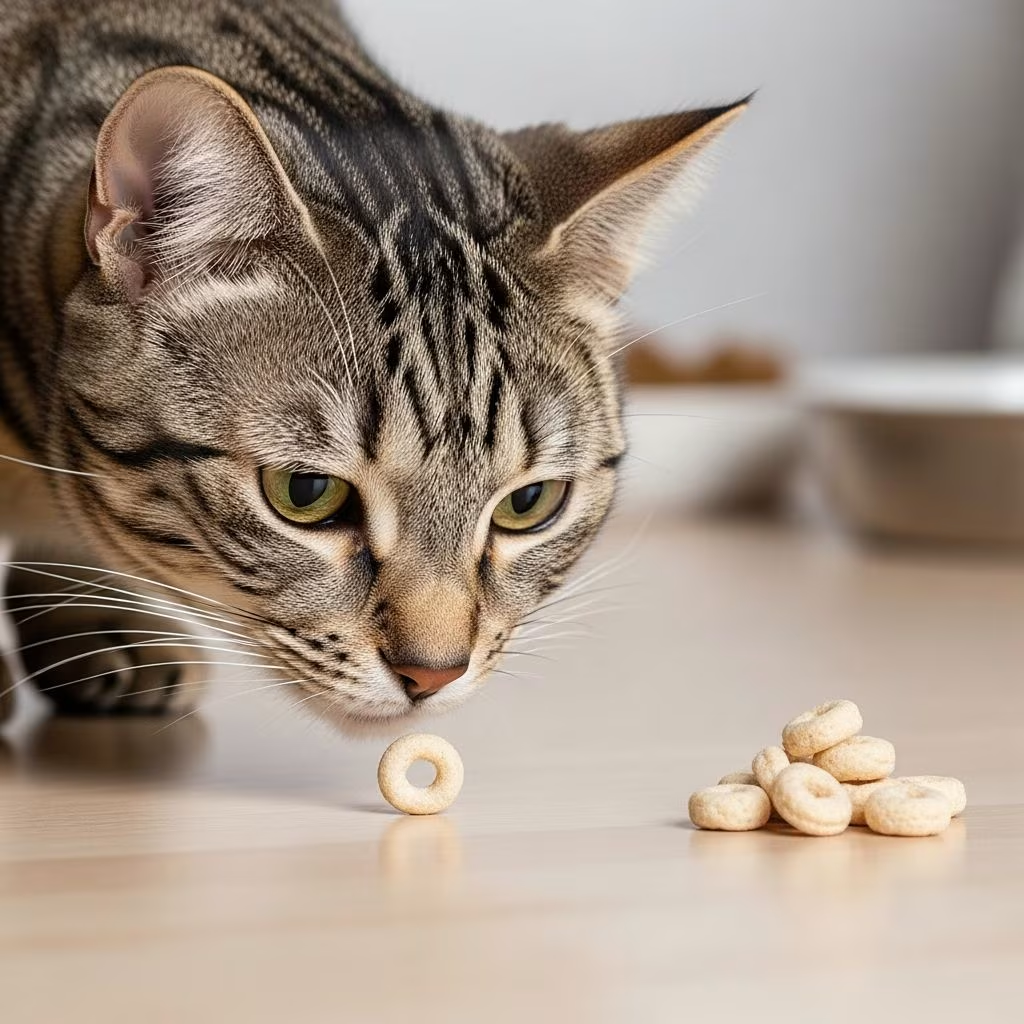
Can Cats Eat Cheerios? Vet-Verified Nutrition Facts & Advice
The short answer is no—Cheerios are not a suitable food for your feline friend. While Cheerios are not toxic to cats, none of their ingredients provide any nutritional benefit to your pet. Many cat owners wonder if they can share their breakfast cereal with their cats, but it’s crucial to understand that cats have very different dietary requirements than humans. Cheerios may seem like a harmless snack, but regularly feeding them to your cat can lead to serious health complications over time.
Are Cheerios Safe for Cats?
Technically, cats can eat a Cheerio or two without experiencing any immediate adverse effects, unless they have a sensitivity to gluten or sugar. If your cat accidentally finds a few Cheerios on the floor and nibbles on them, there’s no need to panic. The cereal pieces are small and dissolve quickly, posing little to no choking risk. However, this does not mean that Cheerios make good snacks for cats. Just because something won’t immediately harm your cat doesn’t mean it’s appropriate to feed regularly or intentionally.
Eating too many Cheerios over a prolonged period can end up causing health risks and potentially put your cat’s life in danger. That outcome is only likely to happen if your cat consumes many of them for weeks at a time, but it’s still important to keep in mind when selecting treats for your feline companion. It is best to find something else to give your cat as treats rather than relying on human breakfast cereals.
Why Cheerios Are Not Good for Cats
Cheerios are not good options for your cat to eat, even as occasional treats, because of the ingredients used to make them. These ingredients include:
- Sugar
- Corn starch
- Brown sugar syrup
All of these components are harmful over the long term for your cat’s health. Cats are obligate carnivores, meaning they require nutrients primarily from animal sources. Their digestive systems have evolved over thousands of years to process meat, not grains or processed carbohydrates. When you feed your cat Cheerios, you’re essentially giving them food that their bodies cannot efficiently process or benefit from nutritionally.
Understanding Feline Nutritional Requirements
To understand why Cheerios are unsuitable for cats, it’s essential to recognize what cats actually need to thrive. Cats require several key nutrients that Cheerios simply cannot provide:
- High-quality protein from animal sources: Cats need elevated levels of protein to maintain muscle and organ health. Cheerios contain minimal protein and mostly carbohydrates.
- Essential amino acids: Taurine is a critical amino acid found only in meat that cats cannot synthesize themselves. This nutrient is vital for heart health and vision, and Cheerios do not provide it.
- Animal-based fats: Cats require fats from animal sources for energy and coat health. Cheerios contain vegetable oils, which are not ideal for feline nutrition.
- Vitamins and minerals: Commercial cat foods include balanced vitamins and minerals tailored for feline health, which Cheerios lack entirely.
Digestive Issues Associated with Cheerios
Cats have limited ability to digest carbohydrates, so grain-based foods like Cheerios can cause stomach upset or diarrhea. Many cats experience adverse digestive reactions when consuming foods outside their natural diet. These reactions may include:
- Vomiting
- Diarrhea
- General stomach discomfort
- Loss of appetite
Cheerios are made from oats and corn. While grains are not as immediately harmful as certain refined sugars, they are still problematic for cats. Research regarding the value of grain in cat diets is ongoing, but historically, cats only consume a minimal amount of grains if it is within their prey’s gut. Some cats may have specific food sensitivities or allergies to ingredients found in Cheerios, causing itching, digestive problems, or other inflammatory responses.
Nutritional Comparison: Cheerios vs. Cat Food
Comparing the nutritional content of Cheerios and commercial cat food highlights why Cheerios are completely unsuitable for cats. The differences are striking:
| Nutrient | Cheerios | Commercial Cat Food |
|---|---|---|
| Protein Content | Very low, mostly carbohydrates | 30-40% from animal sources |
| Taurine | Absent | Essential amino acid present |
| Vitamin A | Absent or minimal | Balanced for feline requirements |
| Arachidonic Acid | Absent | Present |
| Carbohydrate Content | High (not needed by cats) | Low to moderate, easily digestible |
Cat foods are specifically formulated to meet feline nutritional requirements, unlike human cereals. Because of these nutritional gaps, Cheerios cannot support your cat’s health and should absolutely not replace their regular food.
Potential Health Risks of Feeding Cheerios to Cats
Feeding Cheerios to cats can lead to various health risks, especially if given frequently or in large amounts. Even though Cheerios are not toxic, they are not designed for feline digestion or nutrition. Some potential health consequences include:
- Obesity: Regular consumption of Cheerios may cause weight gain due to excess carbohydrates and calories that cats do not need. In the long run, this can lead to obesity and associated problems including eating difficulties, exercise intolerance, diabetes, heart disease, and cancer.
- Nutrient deficiencies: Cheerios may contribute to nutrient deficiencies by displacing essential nutrients your cat needs from their balanced diet.
- Digestive upset: Vomiting or diarrhea can occur if cats eat Cheerios, especially in individuals with sensitive digestive systems.
- Allergic reactions: Some ingredients or additives in Cheerios could trigger allergic reactions or food sensitivities in cats.
To protect your cat’s health, it’s best to avoid feeding Cheerios and stick to veterinarian-recommended foods and treats.
Dangerous Cheerios Varieties to Avoid
While plain Cheerios are problematic, certain varieties pose significantly greater risks to your feline companion. Chocolate Cheerios are a definitive no-no for your cat. These contain cocoa, which is toxic for cats and other pets, and consuming it can put their lives at risk.
Cocoa and chocolate contain a substance called theobromine, which cats and other pets cannot metabolize. Their bodies lack the necessary enzymes to break down this compound, leading to toxicity. Chocolate can also contain a small amount of caffeine, which is harmful to cats. Additionally, chocolate Cheerios have much more sugar compared to traditional plain or honey nut varieties, making them even more dangerous.
Never share chocolates or chocolate-flavored cereals with your beloved cat. If your cat accidentally consumes chocolate Cheerios, contact your veterinarian immediately for guidance.
Better Treat Options for Your Cat
Rather than offering Cheerios, there are far better options you can provide to your cat as treats:
- Commercial cat treats: These are specifically formulated for feline nutrition and portion control.
- Small pieces of cooked meat: Chicken, turkey, or beef provide high-quality protein and satisfy your cat’s natural carnivorous instincts.
- Freeze-dried meat snacks: These offer protein and nutrients cats need in a convenient format.
- Cat-safe fruits and vegetables: Small amounts of cooked pumpkin, carrots, or cat grass provide variety and fiber.
- Specially formulated cat snacks: Look for products designed by veterinary nutritionists for feline dietary needs.
These alternatives provide actual nutritional value while keeping your cat’s health and happiness in mind. Always introduce new treats gradually and in moderation.
Frequently Asked Questions (FAQs)
Q: Can cats eat Cheerios safely?
A: A small accidental bite of plain Cheerios is generally safe, but they should not be a regular part of your cat’s diet due to poor nutritional value and potential digestive issues. Cats can eat a Cheerio or two without feeling any adverse effects unless they have a sensitivity to gluten or sugar, but that doesn’t mean Cheerios make good snacks.
Q: Are Cheerios toxic to cats?
A: No, Cheerios are not toxic to cats. However, they lack essential nutrients and can cause digestive upset if fed frequently or in large amounts. The key distinction is that non-toxic does not mean healthy or appropriate.
Q: What should I do if my cat eats Cheerios?
A: If your cat accidentally consumes a few Cheerios, there’s no need to panic. Most cats experience no adverse reactions. However, if your cat experiences vomiting, diarrhea, or other digestive distress, contact your veterinarian for advice.
Q: Are grains dangerous for cats?
A: Grains are not as immediately harmful as refined sugars, but cats historically consumed only minimal amounts of grains within their prey’s gut. Feeding your cats too many grains could leave them feeling unsatisfied since they don’t obtain necessary nutrition from plant-based carbohydrates.
Q: Can feeding Cheerios cause health problems in cats?
A: Regular feeding of Cheerios can lead to obesity, digestive upset, and nutrient deficiencies because they are high in carbohydrates and low in essential feline nutrients. Prolonged consumption could lead to numerous health problems including diabetes, heart disease, and cancer.
Q: What makes Cheerios unhealthy for cats compared to their regular food?
A: Cat foods contain 30-40% protein from animal sources and essential nutrients like taurine, vitamin A, and arachidonic acid that cats require for optimal health. Cheerios have minimal protein, mostly carbohydrates, and lack all these critical nutrients.
Q: Are any Cheerios varieties safe for cats?
A: Plain Cheerios without added flavorings or chocolate are the least harmful option, but they still provide no nutritional benefit. Chocolate Cheerios and flavored varieties with added sugars pose greater health risks and should be completely avoided.
Conclusion
Although Cheerios aren’t toxic to cats, they shouldn’t eat Cheerios, especially regularly or in large amounts due to the sugar and other components that aren’t a part of your cat’s natural diet. If your cat eats a Cheerio or two that they find lying around, it shouldn’t hurt them. However, if you want to feed treats to your cat, it is best to stick to treats made especially for cats or cat-safe foods that are healthier than Cheerios.
Your cat’s nutritional needs are best met through high-quality commercial cat food and veterinarian-approved treats. By understanding why Cheerios are inappropriate for feline consumption, you can make informed decisions about what to feed your beloved pet. Remember to always consult your veterinarian for personalized feeding advice to keep your cat thriving and healthy throughout their life.
References
- Can Cats Eat Cheerios? Vet-Verified Nutrition Facts & Advice — Catster. 2024. https://www.catster.com/cat-health-care/can-cats-eat-cheerios/
- Can Cats Eat Cheerios? Safety & Nutrition Guide — Zoorithm. 2024. https://www.zoorithm.com/cats/can-cat-eat-cheerio
- Can Cats Eat Cheerios? Vet-Reviewed Feeding Facts — Hepper. 2024. https://articles.hepper.com/can-cats-eat-cheerios/
- Association of American Feed Control Officials (AAFCO) — Official nutrient profiles for complete and balanced cat foods. https://www.aafco.org/
- Feline Nutrition and Health — Cornell Feline Health Center, College of Veterinary Medicine. https://www.vet.cornell.edu/departments-centers-and-institutes/cornell-feline-health-center



