

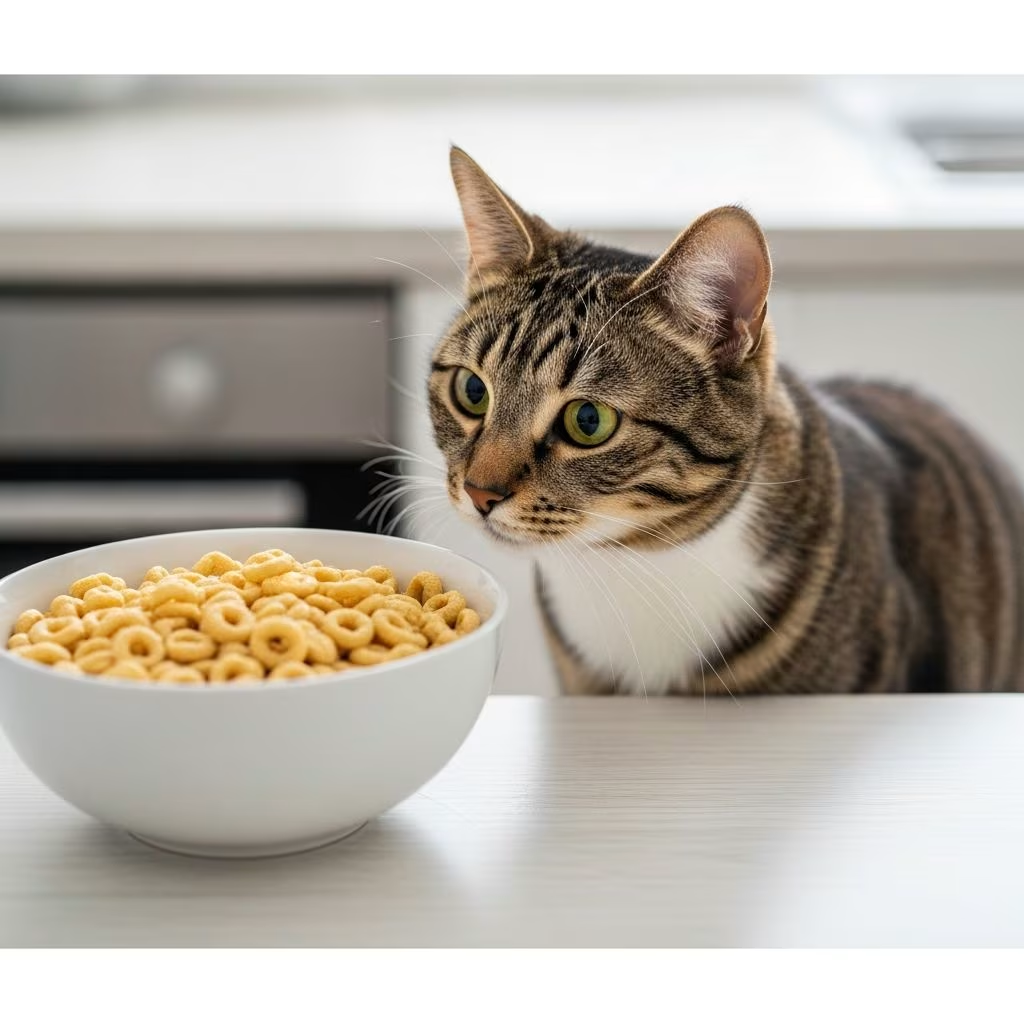
Cats are obligate carnivores, meaning their diet should primarily consist of meat-based proteins rather than grains like those found in cereal. While small amounts of plain cereal are generally non-toxic, it provides minimal nutritional value and can pose risks such as digestive upset or allergies in sensitive cats.
This comprehensive guide examines the safety, benefits, and drawbacks of feeding cereal to cats, drawing from veterinary insights and nutritional science to help you make informed choices for your pet’s health.
The Short Answer
No, cats should not eat cereal as a regular part of their diet. Although plain, unsweetened cereal isn’t poisonous in tiny quantities, it lacks the essential nutrients cats need and may lead to health issues over time.
Do Cats Need Cereal in Their Diet?
Cats do not need cereal or any grains in their diet. As obligate carnivores, their digestive systems are adapted for high-protein, low-carbohydrate foods derived from animal sources. Cereal, primarily composed of grains like wheat, corn, or oats, offers carbohydrates that cats cannot efficiently metabolize.
A study referenced in veterinary literature indicates that only about 0.1% of cats have grain allergies, but even without allergies, grains provide no significant benefit. Cats require taurine, arachidonic acid, and other nutrients abundant in meat but absent or insufficient in cereals. Feeding cereal could displace vital nutrients from commercial cat foods formulated to meet AAFCO standards.
- Cats’ short digestive tracts are optimized for protein digestion, not fiber-heavy grains.
- Excess carbs from cereal can contribute to obesity, especially in indoor cats.
- High-quality kibble or wet food already supplies all necessary vitamins and minerals.
Is Cereal Safe for Cats?
In small amounts, plain dry cereal is safe for most cats and won’t cause immediate harm. However, safety depends on the type of cereal and your cat’s individual tolerances. Avoid varieties with toxic additives like chocolate, raisins, grapes, or xylitol, which are poisonous to felines.
Potential risks include:
- Grain or gluten sensitivity: Rare but possible, leading to vomiting, diarrhea, or skin irritation.
- Choking hazard: Hard, dry pieces may be difficult for some cats to chew.
- Sugar content: Many cereals are high in sugars, promoting weight gain and dental issues.
Veterinarians recommend limiting human foods to occasional treats, comprising no more than 10% of daily calories. If offering cereal, crush it into small pieces and monitor for adverse reactions.
Potential Risks and Dangers of Cereal for Cats
While not outright toxic, cereal poses several risks that outweigh any minor perks. Cats lack the amylase enzyme needed to break down starches effectively, potentially causing bloating or constipation.
| Risk | Description | Symptoms |
|---|---|---|
| High Carbohydrates | Leads to energy spikes and crashes, unsuitable for carnivores | Obesity, lethargy |
| Fiber Overload | Excess insoluble fiber disrupts gut balance | Diarrhea, gas |
| Allergies | Reaction to wheat or corn (0.1% prevalence) | Itchy skin, vomiting |
| Additives | Sugars, flavors harmful long-term | Dental disease, diabetes risk |
Chronic consumption may contribute to urinary tract issues or diabetes, as carbs convert to glucose inefficiently in cats.
Is Cereal Bad for Cats?
Cereal isn’t “bad” in the sense of being poisonous, but it’s nutritionally poor for cats. Grains provide fiber that might aid mild digestion, yet better sources exist like pumpkin puree or vet-approved supplements. Ultimately, cereal offers empty calories without the protein cats crave.
For context, a balanced feline diet is 40-50% protein, 20-30% fat, and minimal carbs, per Cornell Feline Health Center guidelines. Cereal flips this ratio unfavorably.
What About Cereal with Milk? The Lactose Myth
A common misconception is that cats love milk with cereal. Most adult cats are lactose intolerant, lacking lactase enzyme to digest dairy, leading to diarrhea, vomiting, and abdominal pain.
Kittens can handle mother’s milk, but cow’s milk is too high in lactose. Opt for lactose-free cat milk alternatives if desired. Never pair cereal with any dairy—stick to water.
- 80-90% of cats develop lactose intolerance after weaning.
- Symptoms appear within 30 minutes to hours.
- Even small amounts can cause dehydration in severe cases.
Do Cats Get Any Benefits from Eating Cereal?
Minimal benefits exist, such as trace vitamins (B vitamins, iron) from whole grains or fiber for occasional constipation relief. However, these are negligible compared to cat food, which is fortified with bioavailable forms.
Some cats enjoy the crunch, mistaking it for prey texture, but this sensory appeal doesn’t justify nutritional shortcomings. Cats derive no essential fatty acids or amino acids from cereal.
Healthier Alternatives to Cereal for Cats
Instead of cereal, offer these cat-safe treats:
- Cooked plain meat: Chicken, turkey, or fish (no seasoning).
- Veggies: Steamed broccoli, carrots, or green beans for fiber.
- Grains in moderation: Cooked oatmeal or brown rice occasionally.
- Commercial treats: High-protein options like freeze-dried meat.
- Fruits: Small pieces of apple or pumpkin (deseeded, no skin).
Always introduce new foods gradually and consult a vet for cats with health conditions.
How to Feed Cereal Safely (If You Must)
If insisting on sharing, follow these rules:
- Choose plain, unsweetened, whole-grain cereal without toxic ingredients.
- Offer tiny portions (1-2 pieces) no more than once a week.
- Soak in water if dry to prevent choking.
- Never with milk; use water only.
- Monitor for allergies or upset stomach.
Prioritize a complete cat diet meeting nutritional standards.
Frequently Asked Questions (FAQs)
Can cats eat dry cereal?
Yes, in very small amounts, but soften if needed to avoid choking. It’s not nutritionally necessary.
Is sugary cereal toxic to cats?
Not acutely toxic, but high sugar promotes obesity and dental problems. Avoid entirely.
What cereals are safest for cats?
Plain oat or rice-based without additives. Still, limit to rare treats.
Why do cats beg for cereal?
They like the texture or novelty, not nutrition. Redirect to cat treats.
Can cereal help with cat constipation?
Fiber might help mildly, but pumpkin or vet fiber supplements are better.
Conclusion
While cats can technically eat small amounts of plain cereal without dire consequences, it’s not recommended due to poor nutritional fit for their carnivorous needs. Risks like digestive issues, allergies, and obesity make it an inferior choice compared to purpose-made cat foods and treats. Keep cereal for humans and spoil your cat with meaty, vet-approved options to ensure a long, healthy life.
References
- Can Cats Eat Cereal? Nutrition Facts & Potential Risks — Hepper. 2023. https://articles.hepper.com/can-cats-eat-cereal/
- Can Cats Eat Cereal? — TrustedHousesitters. 2023-12-05. https://www.trustedhousesitters.com/blog/pets/can-cats-eat-cereal/
- List of Human Foods Cats Can And Can’t Eat — Pawlicy Advisor. N/A. https://www.pawlicy.com/blog/food-cats-can-and-cant-eat/
- Feeding Your Cat — Cornell University College of Veterinary Medicine. N/A. https://www.vet.cornell.edu/departments-centers-and-institutes/cornell-feline-health-center/health-information/feline-health-topics/feeding-your-cat



