

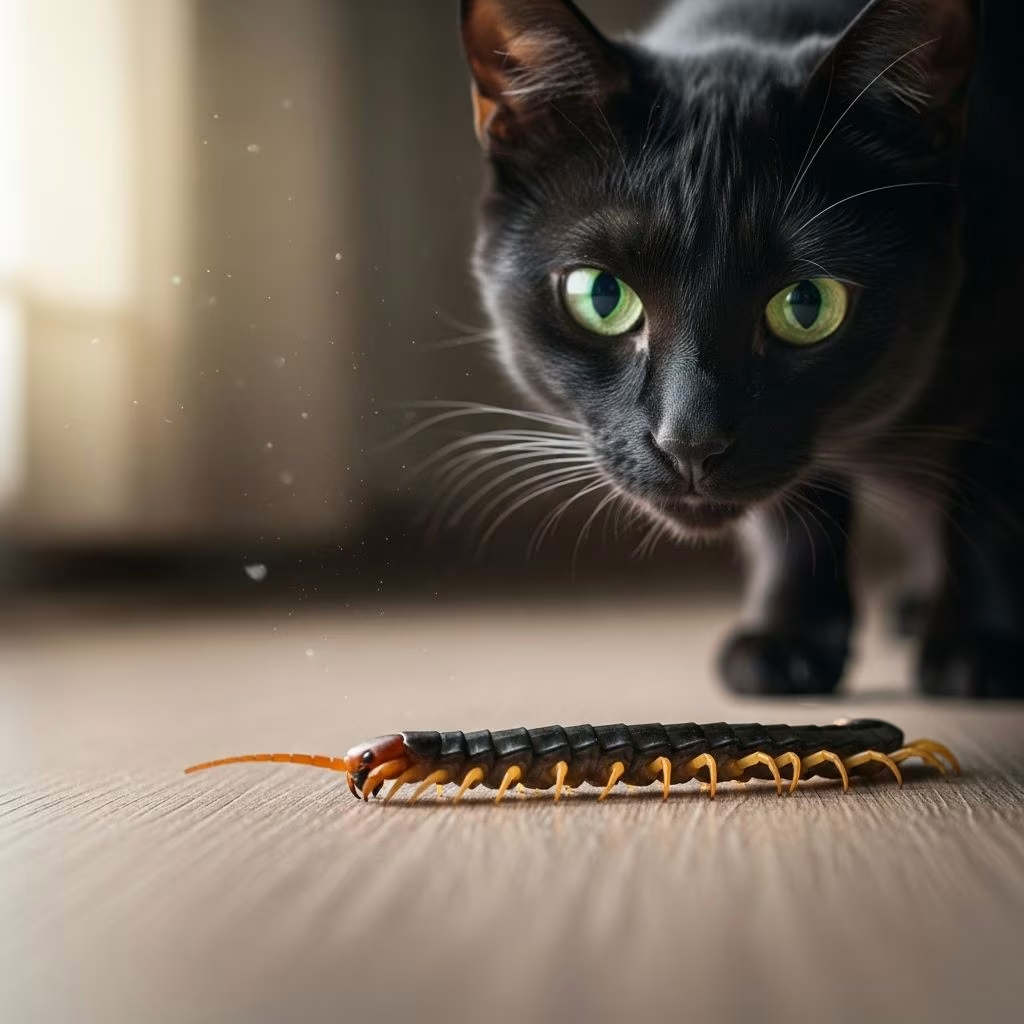
Can Cats Eat Centipedes? A Comprehensive Guide
Cats are curious creatures by nature, and their hunting instincts often lead them to chase and capture various insects and small creatures around the home and yard. One common insect that cats may encounter is the centipede. If you’ve witnessed your feline friend pouncing on a centipede or are concerned about the possibility, you likely have questions about whether this is safe. The short answer is that most common house centipedes are not dangerous for cats to consume, but there are important exceptions and considerations you should understand to keep your pet safe.
Are Centipedes Safe for Cats?
The safety of centipedes for cats largely depends on the species your cat encounters. Common house centipedes are generally safe for cats to eat. These small centipedes, typically less than 2 inches in length, have venom that is not potent enough to harm your feline companion. If your cat catches and consumes a common house centipede, they will likely be fine.
However, not all centipedes are created equal. While most centipedes found inside and around typical households pose minimal risk, some varieties carry potent venom that could cause serious health issues or even be life-threatening to your pet. Understanding the difference between harmless and dangerous centipedes is crucial for protecting your cat.
Even when a cat is bitten by a centipede, the typical result is localized pain and inflammation at the bite site. In most cases, cats can continue attacking and killing the centipede after being bitten, and the wound will heal relatively quickly without intervention. Some cats may regurgitate parts of the centipede they’ve eaten simply because their digestive systems aren’t accustomed to processing whole insects.
Which Centipedes Are Dangerous to Cats?
While most centipedes pose no serious danger, you should be aware of the species that do. One of the most concerning types is the Giant Red-Headed Centipede, which is bright in color and resides in areas like Missouri and Texas. These centipedes are extremely venomous and can cause significant harm not only to cats but also to humans. They are capable of pinching and biting to defend themselves with considerable force.
Another dangerous variety is the Giant Desert Centipede, also known as the Texas Redheaded Centipede in other regions. These larger centipedes possess venom that can cause serious reactions in cats.
The good news is that these dangerous centipede species typically live in woodlands and under rocks, far away from most households, so they are not commonly found inside homes. If you live in an area known for these dangerous centipedes, however, it’s important to take extra precautions to prevent them from entering your living space.
Nutritional Value and Health Concerns
Beyond the immediate risk of venom, centipedes offer no nutritional value to your cat. Cats require a balanced diet rich in protein, healthy fats, and essential vitamins and minerals to thrive. Centipedes simply do not provide these necessary nutrients. While catching insects is a natural behavior for cats, allowing them to consume centipedes is not a healthy dietary choice and should be discouraged.
Additionally, some centipedes are part of the arthropod family, meaning they have hard exoskeletons that can be difficult for cats to digest. This may cause digestive upset and occasionally lead to vomiting or regurgitation.
What to Do If Your Cat Eats or Is Bitten by a Centipede
If you witness your cat eating a centipede or notice signs of a centipede bite, here are the appropriate steps to take:
- Monitor the bite site: Watch for signs of healing. Most centipede bites will begin healing quickly without human intervention.
- Provide water and regular meals: Ensure your cat has access to unlimited water and continue offering regular meals to support recovery.
- Expect possible appetite loss: Your cat may skip a meal or two while recovering, especially if the venom was potent.
- Seek veterinary care if needed: If your cat misses more than one meal or shows signs of serious distress, contact your veterinarian immediately.
- Identify the centipede species: If possible, try to identify what type of centipede was involved. This information can help your vet provide appropriate treatment.
Prevention Strategies: Keeping Centipedes Away From Your Cat
While you cannot completely eliminate the possibility of your cat encountering a centipede, several preventative measures can significantly reduce the risk:
Keep Your Cat Indoors
The most effective way to prevent centipede encounters is to keep your cat exclusively indoors. If your cat cannot access the outdoor environment where centipedes thrive, they will have far fewer opportunities to hunt and consume these creatures. Indoor cats also benefit from protection against other outdoor hazards, including predators, vehicles, and diseases.
Professional Pest Control
Consider having your home professionally treated for insects and pests throughout the year. Regular professional treatments significantly reduce the number of centipedes that enter your home, which in turn reduces the likelihood of your cat encountering them indoors.
Regular Home Inspections
Make it a habit to inspect your cupboards and closets for signs of centipedes. Early detection allows you to address any pest infiltration before it becomes a serious problem. Look for centipede droppings, exoskeletons, or the creatures themselves in dark, damp areas where they tend to hide.
Environmental Controls
Reduce conditions that attract centipedes by:
- Reducing moisture in your home, as centipedes are attracted to damp environments
- Sealing cracks and crevices in your home’s foundation and walls
- Keeping your yard clean and removing dead leaves or mulch where centipedes hide
- Using deterrent sprays that keep pests at bay and discourage your cat from hunting
Enrichment and Play
Provide your cat with engaging toys and regular play sessions that satisfy their hunting instincts. When cats have adequate mental and physical stimulation, they’re less likely to seek out insects for entertainment and hunting practice.
Balanced Diet as Prevention
Feeding your cat a high-quality, balanced diet is one of the best preventative strategies. When cats receive proper nutrition with adequate protein and all essential nutrients, they’re less likely to seek out insects as supplementary food sources. Focus on nutrient-dense cat foods formulated to meet all your cat’s dietary requirements.
Centipede Encounters: What You Need to Know
It’s important to understand some basic facts about centipede behavior when they encounter cats:
- Centipedes are usually no match for cats: Due to their size and speed disadvantage, centipedes typically succumb quickly when hunted by a cat. This means the risk of multiple bites and envenomation is low.
- Not all cats eat what they catch: Some cats will kill a centipede but leave the body where it fell rather than consuming it. If your cat exhibits this behavior, you don’t need to worry about ingestion risks.
- Centipedes are defensive, not aggressive: Centipedes bite and inject venom only as a defense mechanism when they feel threatened. A cat hunting a centipede will trigger this defensive response.
- Venom potency varies by species: While common house centipede venom is weak, venom from larger species can be quite potent and cause significant reactions.
Signs of a Centipede Bite or Envenomation
If you’re concerned your cat may have been bitten by a centipede, watch for these signs:
- Swelling or redness at the bite site
- Pain or tenderness when touching the affected area
- Limping or reluctance to use a limb if bitten on a paw or leg
- Excessive drooling or difficulty eating if bitten near the mouth
- Lethargy or unusual behavior
- Loss of appetite lasting more than one meal
- Signs of allergic reaction such as facial swelling or difficulty breathing (rare)
Most of these symptoms should resolve within a short time for common centipede bites. However, if symptoms persist or worsen, veterinary evaluation is warranted.
When to Contact Your Veterinarian
You should seek veterinary care if:
- You know or suspect your cat was bitten by a Giant Red-Headed Centipede or other dangerous species
- Your cat shows signs of severe pain or distress
- Swelling is significant or spreading
- Your cat refuses multiple meals
- Your cat shows signs of an allergic reaction
- The bite site shows signs of infection several days after the bite
Your veterinarian can provide appropriate treatment and guidance based on the severity of the situation and the species involved.
Frequently Asked Questions
Q: Can cats die from eating a centipede?
A: Death is extremely unlikely from common house centipede encounters. Only if your cat is bitten by a Giant Red-Headed Centipede or similar dangerous species and doesn’t receive treatment would there be any serious risk. Most house centipede bites cause only minor, localized reactions.
Q: Will my cat get sick from eating a centipede?
A: Most likely, no. Common house centipedes are generally safe for cats to eat. Your cat may experience mild digestive upset and regurgitate parts of the centipede, but serious illness is uncommon with standard house centipedes.
Q: How can I tell if a centipede is poisonous?
A: Dangerous centipedes like the Giant Red-Headed Centipede are brightly colored and significantly larger than common house centipedes. If you see a large, brightly colored centipede in areas like Texas or Missouri, avoid contact. Common house centipedes are small, grayish, and relatively harmless.
Q: Should I stop my cat from hunting centipedes?
A: Yes, it’s best to prevent your cat from hunting centipedes when possible. While most encounters are harmless, discouraging this behavior eliminates any risk entirely. Use deterrents, provide enrichment activities, and keep your home pest-free.
Q: What should I do if I find a centipede in my house?
A: If you find a common house centipede, you can safely remove it and release it outdoors or dispose of it. If you find a large, brightly colored centipede that appears dangerous, avoid handling it and contact a pest control professional or your local animal control for safe removal.
Q: Are there centipedes that would seriously harm my cat?
A: Yes. Giant Red-Headed Centipedes and Giant Desert Centipedes possess venom capable of causing serious harm. However, these species typically live in remote areas away from homes and are not commonly encountered by indoor cats.
Q: Can I use pesticides to eliminate centipedes safely around my cat?
A: Yes, but carefully. Consult with a professional pest control company experienced in pet-safe treatments. Always follow instructions and keep your cat away from treated areas until it’s safe. Professional pest control services can recommend cat-safe options.
References
- Can Cats Eat Centipedes? Nutritional Health & Safety Guide — Hepper. Accessed January 2026. https://articles.hepper.com/can-cats-eat-centipedes/
- Can Cats Eat Centipedes? Vet-Verified Facts — Hustonveterinary.com. Accessed January 2026. https://hustonveterinary.com/can-cats-eat-centipedes/
- Are Centipedes Poisonous to Cats? — Anasazi Animal Clinic. Accessed January 2026. https://anasazivet.com/are-centipedes-poisonous-to-cats/
- Can Centipedes be Dangerous to Humans or Animals? — Orkin. Accessed January 2026. https://www.orkin.com/pests/centipedes/are-house-centipedes-dangerous
- Is It Safe if My Cat Ate a Bug, or 10? — Rover.com. Accessed January 2026. https://www.rover.com/blog/can-cats-eat-bugs/



