

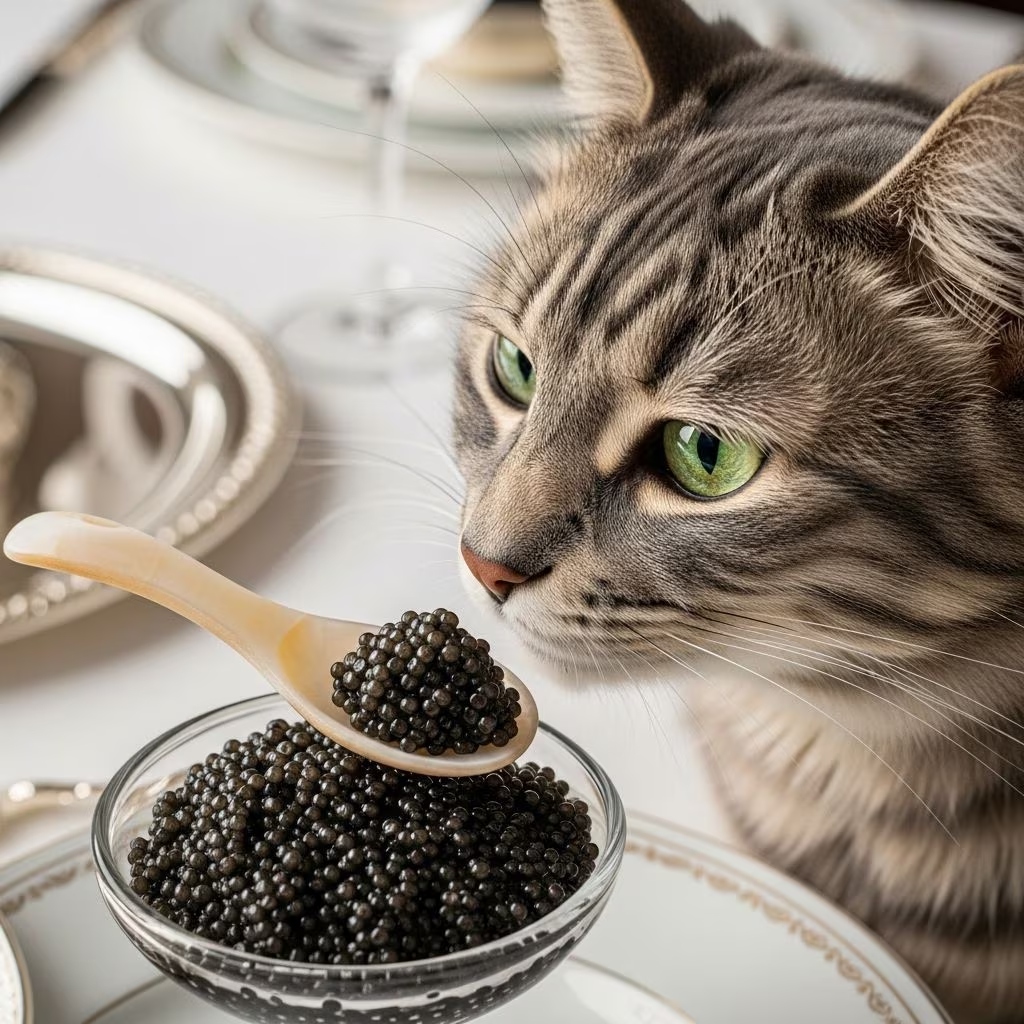
Caviar, the luxurious delicacy of salted fish eggs, tempts many cat owners to share a taste with their feline companions. But is this high-end treat safe for cats? In small amounts, plain caviar can be an occasional indulgence, but high sodium, potential bacteria, and additives make it risky for regular feeding. This comprehensive guide covers everything cat owners need to know about feeding caviar to cats, including nutritional benefits, health risks, safe feeding practices, and superior alternatives.
What Is Caviar?
Caviar refers to salted roe from sturgeon or other fish, prized for its rich flavor and texture. True caviar comes from specific sturgeon species, while artificial versions use dyes, jellies, or other fish eggs. For cats, the key concerns are salt content—often exceeding safe levels for felines—and processing methods that preserve but don’t cook the eggs, leaving bacterial risks intact. Unlike human cuisine where caviar enhances meals, cats require a balanced, low-sodium diet focused on high-quality animal proteins.
Is Caviar Safe for Cats?
Caviar is not toxic to cats and can be given as a rare treat in tiny portions, particularly unsalted varieties. However, most commercial caviar poses risks due to high salt (sodium) levels that can lead to dehydration, thirst, or salt poisoning with repeated exposure. True caviar’s raw nature introduces bacteria like Salmonella or Vibrio, while artificial caviar offers no nutrition and may contain harmful colorings. Veterinary consensus: occasional nibbles are unlikely to harm healthy cats, but it’s not recommended as a staple.
- True caviar: Salted sturgeon roe, nutrient-dense but risky raw.
- Artificial caviar: Jelly-based imitation, low-value and potentially irritating.
- Key safety rule: Limit to a few eggs, once a month max for adults.
Nutritional Benefits of Caviar for Cats
Despite risks, caviar packs nutrients beneficial for cats when fed sparingly. High-quality protein supports muscle maintenance, while omega-3 fatty acids promote skin, coat health, reduce inflammation, and aid brain function. Vitamins like B12 boost energy metabolism and nervous system health, and selenium acts as an antioxidant for immunity. These perks mimic benefits from safer fish sources, but caviar’s luxury price doesn’t justify routine use.
| Nutrient | Benefit for Cats | Amount in Caviar (per 100g) |
|---|---|---|
| Protein | Muscle growth, energy | ~25g |
| Omega-3s | Coat shine, anti-inflammatory | ~7g |
| Vitamin B12 | Nerve health, metabolism | ~20µg |
| Selenium | Antioxidant, immunity | ~40µg |
Note: Values approximate; cats need far less than humans.
Potential Risks and Dangers of Caviar for Cats
The downsides often outweigh benefits. High sodium (up to 4,000mg per 100g) risks salt poisoning symptoms: excessive thirst, vomiting, diarrhea, lethargy, or kidney strain. Fatty content can trigger pancreatitis in sensitive cats, causing severe pain. Allergies manifest as itching, swelling, or GI upset. Raw eggs carry parasites/bacteria, and preservatives/flavorings add toxicity. Cats with kidney, heart, or digestive issues face amplified dangers—avoid entirely.
- Salt poisoning: Dehydration, tremors, seizures in extreme cases.
- Digestive upset: Vomiting, diarrhea from fats/additives.
- Bacterial risk: Salmonella leads to fever, lethargy.
- Allergies: Rare but possible fish egg reactions.
- Pancreatitis: From high fats, especially in predisposed breeds.
How to Safely Feed Caviar to Cats
If offering caviar, prioritize safety. Choose fresh, unsalted, high-quality true caviar without additives. Start with 2-3 eggs for a 10lb cat, monitoring 24-48 hours for reactions. Kittens, seniors, or ill cats should skip it. Never make it over 5-10% of calories; pair with water to counter sodium. Gradually introduce and consult vets for personalized advice.
- Select plain, low-sodium caviar.
- Portion: Pea-sized for small cats.
- Observe: Watch for vomiting, lethargy, thirst.
- Frequency: Once monthly max.
- Vet check: Essential for health-compromised cats.
Signs of Problems After Cats Eat Caviar
Monitor closely post-treat. Mild issues like increased thirst or loose stool may resolve; severe signs warrant immediate vet care. Contact professionals if symptoms persist beyond 24 hours or include blood, seizures, or collapse.
- Increased thirst/urination
- Vomiting or diarrhea
- Lethargy, weakness
- Appetite loss
- Itching, swelling (allergies)
Healthier Alternatives to Caviar for Cats
Skip caviar’s risks with nutrient-equivalent treats. Commercial omega-3 cat treats, freeze-dried fish, or cooked unseasoned salmon provide protein and fats safely. Vet-formulated supplements ensure balanced intake without excess salt.
| Alternative | Key Benefits | Why Better Than Caviar |
|---|---|---|
| Freeze-dried fish treats | Omega-3, protein | Low salt, no bacteria risk |
| Cooked salmon (plain) | Healthy fats, vitamins | Cooking kills pathogens |
| Omega-3 supplements | Targeted coat/skin support | Precise dosing, vet-approved |
| Commercial fish treats | Balanced nutrition | Formulated for cats |
Conclusion
Caviar isn’t toxic but isn’t ideal for cats due to salt, bacteria, and fat risks overshadowing modest omega-3 and protein gains. Reserve for rare treats in healthy adults, opting for safer alternatives daily. Prioritize vet-recommended diets for thriving felines—luxury shouldn’t compromise health.
Frequently Asked Questions
Can cats eat caviar safely?
Yes, in tiny amounts of unsalted caviar occasionally, but avoid regular feeding due to high salt and bacteria risks.
What are the risks of feeding caviar to cats?
High sodium causes dehydration or poisoning; raw eggs risk bacteria; fats may upset digestion or cause pancreatitis.
Are there nutritional benefits of caviar for cats?
Offers omega-3s for coat health, protein for muscles, B12 for energy, but safer sources exist.
How much caviar can I give my cat?
2-3 eggs max per treat, once a month for a medium cat; less for small or sensitive ones.
Is artificial caviar safe for cats?
No nutritional value and potential harmful dyes/jellies; stick to true caviar if indulging.
What if my cat ate a lot of caviar?
Watch for vomiting, thirst, lethargy; seek vet if symptoms appear.
Can kittens eat caviar?
No, their systems are too sensitive; wait until adulthood.
References
- Can Cats Eat Caviar? Safety & Nutrition Guide — Zoorithm. 2023. https://www.zoorithm.com/cats/can-cat-eat-caviar
- Can Cats Eat Caviar? What You Need To Know! — Hepper. 2023. https://articles.hepper.com/can-cats-eat-caviar/
- Can Cats Eat Caviar? Vet-Verified Benefits & Precautions — Catster. 2023. https://www.catster.com/nutrition/can-cats-eat-caviar/
- Is it safe to give my cat a tiny taste of caviar — Dialavet. 2023. https://www.dialavet.com/vet-answers/cat-ate-caviar-49453
- Can Cats Eat Caviar? Vet-Verified Facts — Huston Veterinary. 2023. https://hustonveterinary.com/can-cats-eat-caviar/



