

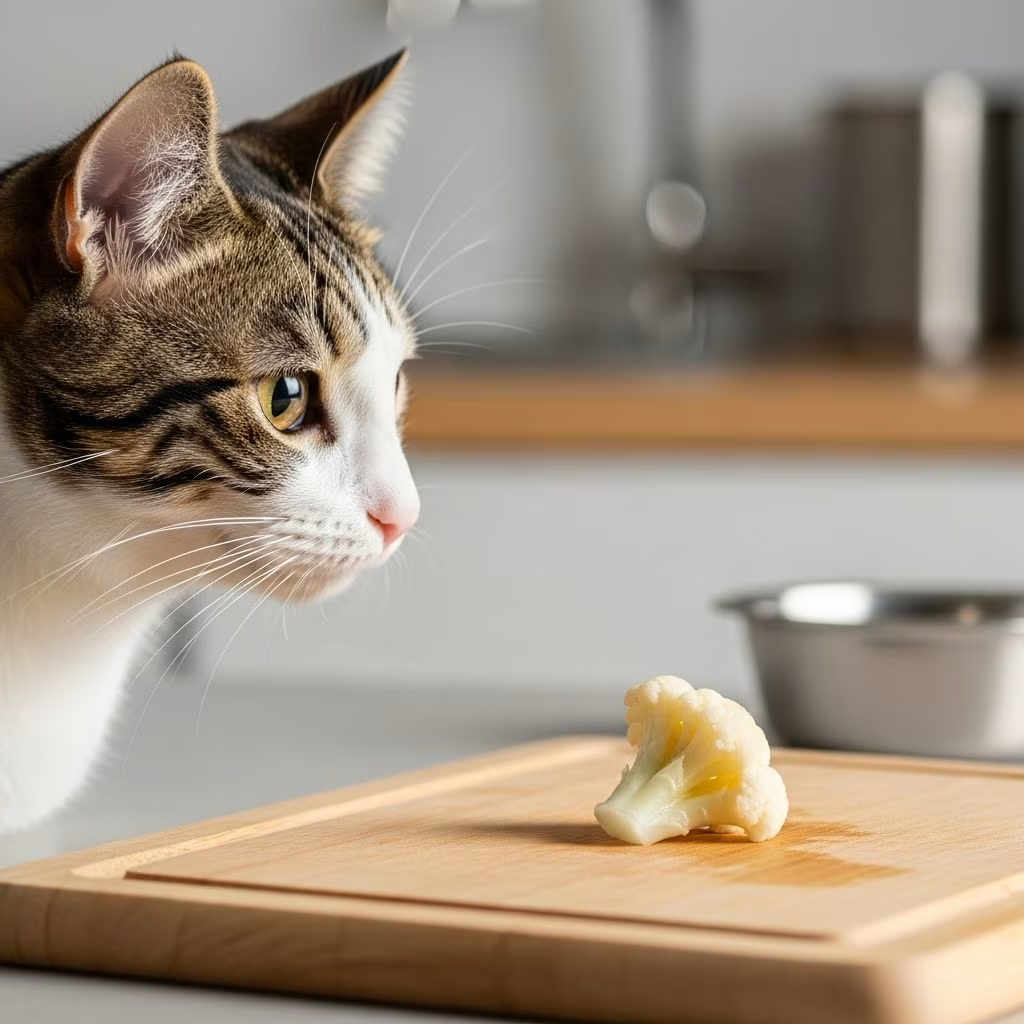
Can Cats Eat Cauliflower? Vet-Verified Nutritional Facts & FAQ
If your cat eats cauliflower, the good news is that it is completely non-toxic for cats, so you don’t have to worry about it harming them. That’s not to say that you don’t have cause for concern, though. Eating too much cauliflower can wreak havoc on your cat’s digestive system, leading to digestive upset and litter box issues.
Is Cauliflower Safe for Cats?
Cauliflower is safe for cats to consume in small quantities. Unlike foods such as onions, garlic, or chocolate, which are toxic to felines, cauliflower contains no known toxins that would poison your cat. However, safety and appropriateness are two different things when it comes to feline nutrition.
This is especially true with raw cauliflower, so if you consider offering it to your cat, be sure to cook it first. Steaming is the recommended preparation method. Additionally, be sure to trim the stems and leaves off before serving, as they may be a choking hazard for some cats. Most cats won’t gorge themselves on cauliflower, so overconsumption shouldn’t be much of an issue if you’re offering small portions.
Understanding Your Cat’s Nutritional Requirements
Cats are obligate carnivores, which means their bodies require nutrients found primarily in animal tissue. Unlike humans or dogs, cats lack certain digestive enzymes needed to process plant matter efficiently. Their digestive systems evolved over thousands of years to break down and extract nutrients from meat, not vegetables.
This fundamental biological difference means that while cauliflower may be non-toxic, it provides little nutritional value to your feline companion. Cats require specific amino acids such as taurine and arachidonic acid, as well as vitamin A, which are found exclusively in animal tissues. Cauliflower cannot provide these essential nutrients that cats need to thrive.
Raw vs. Cooked Cauliflower: Which Is Safer?
When considering offering cauliflower to your cat, the preparation method makes a significant difference in safety and digestibility.
Can Cats Eat Raw Cauliflower?
Technically, raw cauliflower is not toxic to cats, but it comes with several risks. The tough fibers can be difficult for cats to chew and digest properly. Some cats may even choke on larger chunks of raw cauliflower. Additionally, raw cruciferous vegetables contain compounds that can cause gas and digestive discomfort in felines.
Raw cauliflower contains raffinose, a complex sugar that cats cannot properly digest, often leading to uncomfortable gas and bloating. For these reasons, raw cauliflower is not recommended as a treat for your cat.
Can Cats Eat Cooked Cauliflower?
Cooked cauliflower is much safer for cats than raw. Cooking softens the tough fibers, making them easier to chew and digest. The best preparation methods are steaming or boiling, with no added oil, butter, or seasoning. Avoid fried cauliflower, which contains too much fat and may upset your cat’s stomach. Also avoid serving cauliflower with cheese, as many cats are lactose intolerant.
If you’re introducing cauliflower to your cat for the first time, start with a pea-sized piece and carefully monitor your cat for any adverse reactions over the next 24 hours.
Safe Preparation Methods for Cats
If you decide to offer cauliflower to your cat, proper preparation is crucial for their safety and comfort.
- Always cook it: Steaming or boiling until soft eliminates choking hazards and breaks down complex sugars
- Serve in tiny portions: No larger than one teaspoon for an average cat
- Avoid all seasonings: Never add garlic, onions, salt, spices, or butter
- Cool completely: Allow the cauliflower to cool before offering to prevent mouth burns
- Remove stems and leaves: These firm parts pose a choking hazard and should be trimmed away
- Introduce slowly: Start with tiny amounts and watch for digestive upset
Benefits vs. Risks: The Complete Picture
While not nutritionally essential for cats, cauliflower does offer some potential benefits when served correctly. However, these must be carefully weighed against significant limitations and risks.
| Benefits | Risks |
|---|---|
| Provides dietary fiber for occasional constipation relief | Excessive amounts cause gas and abdominal discomfort |
| Contains vitamin C (though cats produce their own) | Raw pieces pose choking hazard |
| Low-calorie option for overweight cats | No essential nutrients cats cannot get from meat |
| May encourage hydration when steamed | Can cause diarrhea if introduced too quickly |
| Contains antioxidants for inflammation reduction | Limited research on feline health benefits |
While cauliflower does contain antioxidants that can help reduce inflammation, there is no peer-reviewed research demonstrating that these compounds would benefit felines or in what amounts. Since felines are obligate carnivores and thrive on a meat-based diet, cauliflower should never be considered a dietary staple or primary treat for your cat.
When Cauliflower Becomes Dangerous
While cauliflower isn’t poisonous to cats, there are serious risks if fed incorrectly or in excessive quantities.
Choking Hazard
Large, raw pieces of cauliflower can become lodged in a cat’s throat. Always cut pieces into tiny bits, no larger than a pea. Monitor your cat closely while they consume any cauliflower to ensure they don’t attempt to swallow large chunks.
Digestive Upset
Too much cauliflower can cause vomiting, diarrhea, and stomach pain in cats. Because cats lack the enzymes to properly digest plant matter, excessive consumption can lead to serious digestive distress. If your cat consumes a large quantity of cauliflower, monitor them carefully for signs of gastrointestinal upset.
Toxic Additives
Never feed your cat cauliflower prepared with any of the following:
- Garlic or onions (extremely toxic to cats)
- Salt or spices (can harm kidneys)
- Butter or oils (can cause pancreatitis)
- Cheese or dairy (causes digestive upset due to lactose intolerance)
Can Cats Eat Different Parts of Cauliflower?
Different parts of the cauliflower plant present varying levels of safety for your feline companion.
Cauliflower Florets (The White Part)
The florets are the safest part of the cauliflower for cats. They are the softest and easiest to digest when properly cooked. Serve only in small amounts and ensure they are fully cooked and cooled before offering to your cat.
Cauliflower Leaves (The Green Outer Leaves)
The green outer leaves are non-toxic but much tougher and more fibrous than the florets. If you choose to offer cauliflower leaves to your cat, wash them thoroughly to remove any pesticides or dirt, and cook them until very soft. However, the florets are preferable due to easier digestibility.
Cauliflower Stems (The Hard Core)
Cauliflower stems are too fibrous and hard for cats to chew effectively. They pose a serious choking hazard and risk of intestinal blockage. Never offer cauliflower stems to your cat. Always trim these away before preparing any cauliflower for your feline.
What to Do If Your Cat Ate Cauliflower
Accidents happen, and your cat may nibble raw cauliflower from your plate or garden. If this occurs, follow these steps:
- Assess quantity consumed: A single floret requires less concern than multiple pieces
- Monitor for 24 hours: Watch for signs of distress including vomiting, diarrhea, or lethargy
- Provide fresh water: Help flush their system and prevent dehydration
- Contact your veterinarian: If any symptoms persist beyond 12 hours or worsen
Most cats recover from minor cauliflower consumption without intervention. However, professional veterinary advice is crucial when symptoms develop or your cat consumed a significant quantity.
When to Consult Your Veterinarian
While occasional cauliflower consumption rarely causes serious issues, contact your veterinarian immediately if your cat shows any of these warning signs:
- Repeated vomiting or diarrhea lasting more than 12 hours
- Signs of abdominal pain, such as hunched posture or reluctance to move
- Loss of appetite for more than 24 hours
- Difficulty breathing or excessive drooling
- Lethargy or unusual behavior
Professional guidance becomes essential when considering regular cauliflower consumption. The answer is a definitive no for daily or frequent feeding. Cats require taurine, arachidonic acid, and vitamin A exclusively found in animal tissues, which cauliflower cannot provide.
Additionally, if you have an older cat or a cat with underlying health conditions, consult with your veterinarian before offering any new foods, including cauliflower. It may not be appropriate for your cat depending on their health status or concurrent illnesses.
Can Cauliflower Help With Feline Constipation?
There’s a great deal of fiber in cauliflower, so some pet owners wonder if it can help their cats with constipation. While adding fiber to a cat’s diet may help ease defecation to a point, this should only be done under veterinary supervision. Always consult with a veterinarian first to get to the root cause of constipation, which can cause your cat significant pain.
Constipation in cats may indicate an underlying health issue that requires professional diagnosis and treatment. Your veterinarian can recommend appropriate dietary adjustments or medications if necessary, rather than relying on home remedies like cauliflower.
The Bottom Line on Cauliflower for Cats
Cats can eat cauliflower, but its health benefits are likely quite limited. These potential benefits are extrapolated from human medicine and have not been proven in cats. If you notice your cat batting around a piece of cooked cauliflower, you don’t need to steal it from them, but also don’t expect your cat to reap any significant health benefits.
Cauliflower can cause digestive issues, though, so we recommend limiting their intake and only feeding them fully cooked cauliflower without the stems or leaves, which are firm and may become a choking hazard. We wouldn’t go so far as to label cauliflower as a “superfood,” but it is safe for cats, so you may try to occasionally incorporate some into your pet’s diet if your veterinarian gives you the green light.
Frequently Asked Questions
Q: Is cauliflower toxic to cats?
A: No, cauliflower is not toxic to cats. It is completely safe in small amounts when properly prepared and cooked.
Q: How much cauliflower can my cat eat?
A: Cats should only consume cauliflower in very small amounts—no more than one teaspoon for an average cat, and only occasionally as a treat.
Q: Should I cook cauliflower before giving it to my cat?
A: Yes, always cook cauliflower before offering it to your cat. Steaming or boiling is recommended. Raw cauliflower is harder to digest and poses choking hazards.
Q: Can cauliflower upset my cat’s stomach?
A: Yes, excessive amounts of cauliflower can cause gas, bloating, vomiting, and diarrhea. Introduce it very slowly and in tiny portions.
Q: What parts of cauliflower are safe for cats?
A: The white florets are the safest part. Avoid stems and leaves, which are choking hazards. Green leaves can be offered but are tougher to digest.
Q: Can I season cauliflower for my cat?
A: No, never add any seasonings. Avoid garlic, onions, salt, butter, oils, or cheese. Plain steamed cauliflower is the safest option.
Q: Is cauliflower good for overweight cats?
A: While cauliflower is low in calories, it provides minimal nutritional benefit for cats. Consult your veterinarian about appropriate diet modifications for weight management.
Q: Can cauliflower help my cat’s constipation?
A: While fiber may help in some cases, always consult your veterinarian first. Constipation may indicate underlying health issues requiring professional treatment.
References
- Can Cats Eat Cauliflower? Vet-Approved Safety Guide — Alibaba Spice. 2024. https://spice.alibaba.com/spice-basics/can-cats-eat-cauliflower
- Can Cats Eat Cauliflower? The Surprising Science Behind Feline Nutrition — Vocal Media Petlife. 2024. https://vocal.media/petlife/can-cats-eat-cauliflower
- Can Cats Eat Cauliflower? Vet-Verified Nutritional Facts & FAQ — Catster. 2024. https://www.catster.com/nutrition/can-cats-eat-cauliflower
- Can cats eat cauliflower, or should I avoid giving it to them? — DialAVet. 2024. https://www.dialavet.com/vet-answers/post/cat-eating-cauliflower-safety-17128
- Foods Poisonous to Cats: Dangerous Ones to Avoid — PetPlace. 2024. https://www.petplace.com/article/cats/pet-health/cat-health/cat-diet-nutrition/the-ultimate-guide-to-what-cats-cant-eat



