

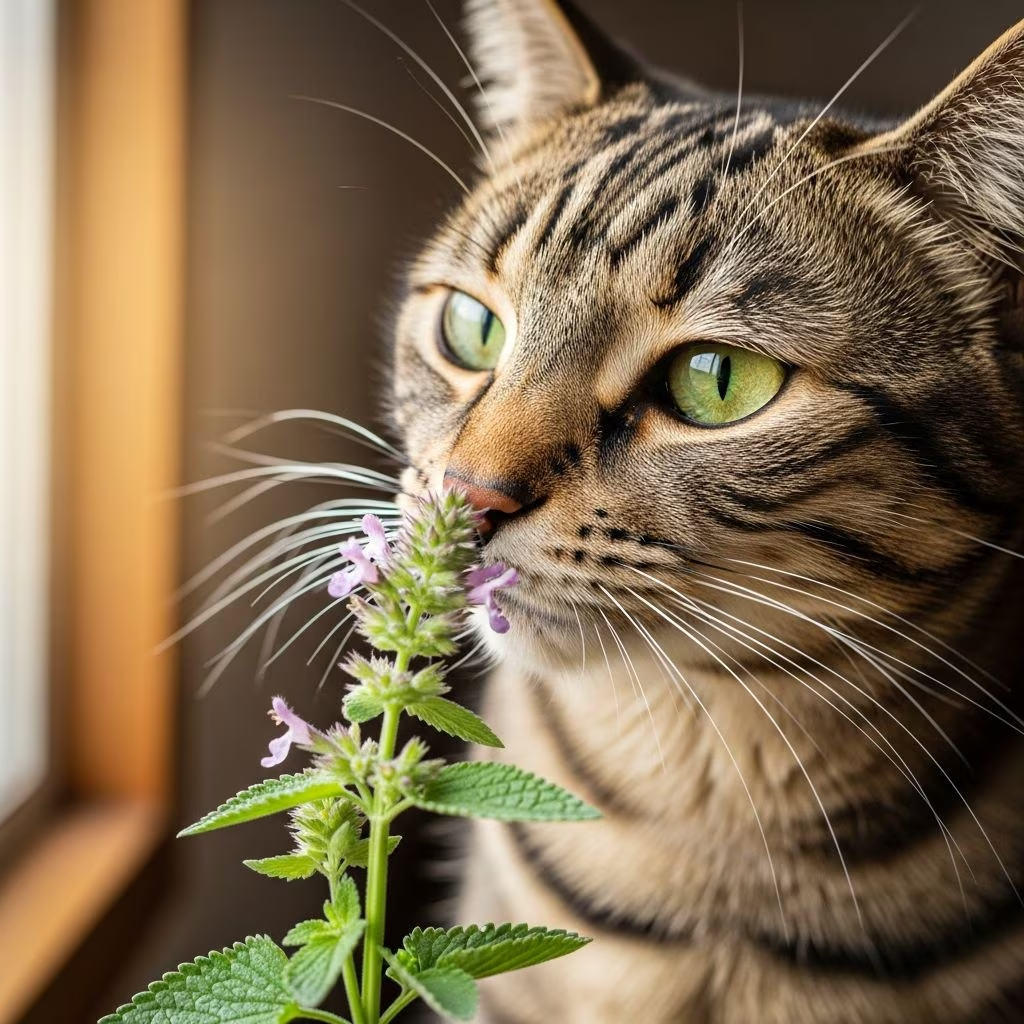
Can Cats Eat Catnip? A Complete Guide to Safety and Benefits
Catnip is one of the most popular feline enrichment tools available to cat owners, but many pet parents wonder whether it’s truly safe for their beloved companions to consume. The good news is that catnip is entirely safe for cats to eat when used responsibly and in moderation. This comprehensive guide will walk you through everything you need to know about catnip, including its safety profile, how it works, potential health benefits, and best practices for introducing it to your cat.
What Exactly Is Catnip?
Catnip, scientifically known as Nepeta cataria, is an herb that belongs to the mint family. This perennial plant contains a powerful chemical compound called nepetalactone, which is responsible for the distinctive reactions many cats display when exposed to the herb. The nepetalactone is stored in tiny oil-filled bulbs that cover the leaves, stems, and seedpods of the catnip plant. When a cat (or any animal) brushes against the plant or when the herb is crushed or dried, these oils are released into the air or become more concentrated, triggering the compound to interact with your cat’s sensory systems.
Catnip has been used for centuries, not just for feline enrichment but also in human medicine and herbal remedies. The plant has antidiarrheal properties and has traditionally been used to support digestive health in both humans and animals, making it more than just a source of entertainment for your furry friend.
How Does Catnip Work on Cats?
Understanding the mechanism behind catnip’s effects on cats can help you appreciate this natural herb even more. The active ingredient nepetalactone works through a fascinating biological process that begins with your cat’s sense of smell. When a cat sniffs catnip, the nepetalactone rapidly changes from a liquid to a gas and binds to specific receptors in the cat’s nasal tissues. These receptors then send signals to the cat’s brain, triggering a psychoactive response that differs depending on how the catnip is consumed.
When catnip is inhaled through smell, it typically acts as a stimulant, causing increased energy, playfulness, and excitement in responsive cats. However, when a cat ingests or eats catnip, it tends to have more of a sedative effect, promoting relaxation and calmness. This is why the same herb can produce seemingly opposite effects depending on the route of consumption. The euphoric effects of catnip typically last between 5 to 15 minutes, after which cats become temporarily resistant to its effects for approximately two hours, a phenomenon known as tachyphylaxis.
Is Catnip Safe for Cats to Eat?
Yes, catnip is completely safe and nontoxic for cats to consume. There is no danger of your cat experiencing a toxic reaction from eating catnip, and it does not carry the risk of addiction that some pet parents worry about. The herb is so safe that it’s commonly used in veterinary settings and recommended by veterinarians as a form of enrichment for cats of all ages, including senior cats and those dealing with stress or anxiety.
However, while catnip itself is safe, moderation is key to preventing digestive upset. Cats can eat catnip leaves, dried catnip, or catnip that’s been processed into various forms such as sprays, toys, or treats. The form you choose may depend on your cat’s preferences and your household situation.
Can Cats Overdose on Catnip?
While true toxicity from catnip is not a concern, cats cannot technically overdose on catnip in the way they might with other substances. However, consuming excessive amounts of catnip can cause digestive disturbances and other uncomfortable symptoms. It’s important to understand the difference between overdosing and overindulgence when it comes to this herb.
Most cats will naturally self-regulate their catnip consumption and stop eating when they’ve had enough. The likelihood of a cat consuming a dangerous amount of catnip on their own is quite low. Nevertheless, it’s your responsibility as a pet owner to monitor your cat’s catnip intake and ensure they’re not eating too much, particularly if you have multiple cats or if your cat has unusual eating behaviors.
Potential Side Effects of Too Much Catnip
When cats ingest excessive amounts of catnip, they may experience mild to moderate digestive upset, including:
- Vomiting
- Diarrhea
- Stomach discomfort
- Dizziness or loss of coordination
- Temporary difficulty walking
These symptoms are generally mild and temporary, resolving on their own within a short period. However, if your cat experiences severe vomiting or persistent diarrhea after consuming catnip, or if you suspect your cat may be dehydrated, contact your veterinarian immediately. Freshly grown catnip leaves appear to be more likely to cause stomach upset compared to dried catnip or other processed varieties, so keep this in mind when deciding which form to offer your cat.
Proper Catnip Dosage Guidelines
Understanding the appropriate amount of catnip to give your cat is crucial for ensuring their safety and maximizing the positive effects of this enrichment tool. The recommended dosage for catnip is approximately one tablespoon at a time. Any amount significantly exceeding this may prove to be too much for your cat, especially if they’ve never been exposed to catnip before.
Fresh catnip is significantly more potent than dried catnip, so you won’t need to provide as much fresh herb to achieve the desired effect. If you’re using fresh catnip leaves from a plant you’re growing, use less than you would with dried varieties. Additionally, highly concentrated catnip oils should be avoided entirely, as their potency can easily lead to overconsumption and adverse effects.
When introducing catnip to your cat for the first time, start with a very small amount and carefully observe your cat’s response. This allows you to gauge your cat’s sensitivity to the herb and ensure they tolerate it well. Always consult with your veterinarian if you’re unsure about the appropriate dosage for your individual cat, especially if your cat has underlying health conditions.
Health Benefits of Catnip for Cats
Beyond its entertainment value, catnip offers several legitimate health benefits for cats:
- Stress Reduction: Catnip can help reduce anxiety and stress in cats, promoting relaxation and emotional well-being.
- Digestive Support: The herb may support healthy digestion, much like it has been used historically in human medicine for digestive wellness.
- Increased Physical Activity: When cats react playfully to catnip, it encourages physical exercise and movement, which is essential for maintaining a healthy weight and overall fitness.
- Mental Enrichment: Catnip provides mental stimulation and helps prevent boredom, particularly important for indoor cats that may have limited environmental variety.
- Pest Deterrent: Interestingly, while cats are attracted to catnip, many pests find it repellent. This dual action can help keep mosquitoes away from your cat, reducing the risk of heartworm transmission.
Different Forms of Catnip Available
Catnip comes in various forms, allowing you to choose what works best for your cat and your household:
- Fresh Catnip: Living plants or freshly harvested leaves offer maximum potency. Fresh catnip is thought to be easier on cats’ mouths, though it requires monitoring to prevent overconsumption and needs proper plant care if grown at home.
- Dried Catnip: The most common form available in stores, dried catnip is less potent than fresh but still effective. It’s easy to store and measure out appropriate portions.
- Catnip Spray: Concentrated liquid form that can be applied to toys or scratching posts for quick, controlled dosing.
- Catnip Toys: Toys pre-filled with dried catnip offer a convenient way to provide enrichment while controlling intake. Many of these toys are refillable for ongoing use.
- Catnip Treats: Commercially available treats infused with catnip that combine nutrition with enrichment.
Not All Cats Respond to Catnip
Interestingly, not every cat will respond to catnip. The sensitivity to catnip is hereditary, determined by multiple genes. Cats without these specific genes will simply treat catnip as another ordinary plant and show no interest. Kittens younger than 3 to 6 months old typically don’t respond to catnip regardless of their genetic predisposition and may actually avoid it. Whether an older kitten will react depends entirely on whether they inherited the genes for catnip sensitivity from their parents.
If your cat doesn’t respond to catnip, don’t be discouraged. There are alternative plants you can try, such as silvervine and Tatarian honeysuckle. These alternatives are also nontoxic, non-addictive, and can provide similar enrichment benefits for cats that don’t respond to traditional catnip.
Best Practices for Using Catnip Safely
To ensure your cat enjoys catnip safely and continues to benefit from its positive effects, follow these guidelines:
- Offer in Moderation: Provide catnip only a few times per week rather than daily. This helps prevent your cat from building tolerance to the herb’s effects.
- Monitor Consumption: Supervise your cat when they’re using fresh catnip plants to prevent excessive ingestion.
- Store Properly: Keep catnip in sealed, airtight containers away from excessive heat and humidity to maintain its potency and freshness.
- Start Small: When introducing catnip for the first time, begin with a tiny amount and watch for any adverse reactions.
- Use Toys Strategically: Consider using catnip-infused toys to prevent direct ingestion and make portion control easier.
- Consult Your Veterinarian: Before introducing catnip to your cat for the first time, it’s wise to consult with your veterinarian, especially if your cat has any underlying health conditions or is taking medications.
- Provide Fresh Water: Ensure your cat has access to plenty of fresh water, especially after catnip use.
Can Catnip Affect Your Cat’s Eating Behavior?
While catnip can have relaxing effects on some cats, it should not be used as an appetite stimulant or suppressant. Because catnip’s sedative properties may reduce appetite in some cats temporarily, it’s not recommended as a tool for managing eating behaviors or addressing appetite concerns. If you’re struggling with your cat’s appetite or eating habits, consult with your veterinarian about appropriate dietary adjustments or medical interventions rather than relying on catnip.
Allergic Reactions to Catnip
Allergic reactions to catnip in cats are extremely rare. The vast majority of cats tolerate catnip well with no adverse effects beyond the temporary behavioral changes associated with its psychoactive properties. However, if you notice any unusual symptoms such as excessive drooling, skin irritation, or respiratory difficulty after your cat’s exposure to catnip, stop use immediately and consult your veterinarian to rule out an uncommon allergic sensitivity.
Frequently Asked Questions About Catnip
Q: Is catnip addictive for cats?
A: No, catnip is not addictive. However, if your cat is exposed to catnip too frequently, they can become desensitized or accustomed to its effects, reducing how much they respond to it. Limiting access to a few times per week helps maintain the herb’s effectiveness.
Q: How long do catnip effects last?
A: The euphoric effects of catnip typically last 5 to 15 minutes. After the effects wear off, your cat will be temporarily immune to catnip’s effects for approximately 2 hours before they can respond to it again.
Q: Can kittens have catnip?
A: Kittens under 3 to 6 months old typically won’t respond to catnip and often ignore it completely. Older kittens may respond if they have the genetic predisposition, which depends on their parents’ genetics.
Q: What should I do if my cat eats too much catnip?
A: If your cat has overindulged in catnip, monitor them for signs of vomiting or diarrhea. These symptoms are usually mild and temporary. Ensure your cat stays hydrated and has access to fresh water. Contact your veterinarian if symptoms persist or if you suspect dehydration.
Q: Can I grow catnip at home for my cat?
A: Yes, you can grow catnip at home. It’s a hardy perennial plant that’s relatively easy to cultivate. However, monitor your cat’s consumption if they have direct access to a fresh catnip plant to prevent overconsumption.
Q: Are catnip toys safer than loose catnip?
A: Catnip-infused toys can be a good way to control how much catnip your cat consumes, as they limit direct ingestion. However, both toys and loose catnip are safe when used appropriately and in moderation.
References
- What Is Catnip and What Does It Do to Cats? — PetMD. Accessed 2025. https://www.petmd.com/cat/general-health/what-is-catnip
- Can Cats Eat Catnip? Benefits, Risks and Fun Facts — Taste of the Wild Pet Food. Accessed 2025. https://www.tasteofthewildpetfood.com/articles/nutrition/can-cats-eat-catnip/
- Everything You Need to Know About Catnip — Burns Pet Nutrition. Accessed 2025. https://burnspet.co.uk/blogs/nutrition/everything-you-need-to-know-about-catnip
- Can Cats Eat Catnip? Do’s and Don’ts of Catnip — Whisker. Accessed 2025. https://www.whisker.com/blog/can-cats-eat-catnip
- What is Catnip? The Effects Catnip Has on Cats — Boulder Veterinary Medicine. Accessed 2025. https://bouldervet.com/blog/the-effects-catnip-has-on-cats/
- Can Cats Eat Catnip? — Chewy Education. Accessed 2025. https://www.chewy.com/education/cat/food-and-nutrition/can-cats-eat-catnip
- The Magic of Catnip: Safe & Smart Ways to Use It for Your Cat — Independence Veterinary Clinic. Accessed 2025. https://independenceveterinaryclinic.com/the-magic-of-catnip-and-how-to-use-it-safely-and-sparingly-for-your-feline-companion/



