

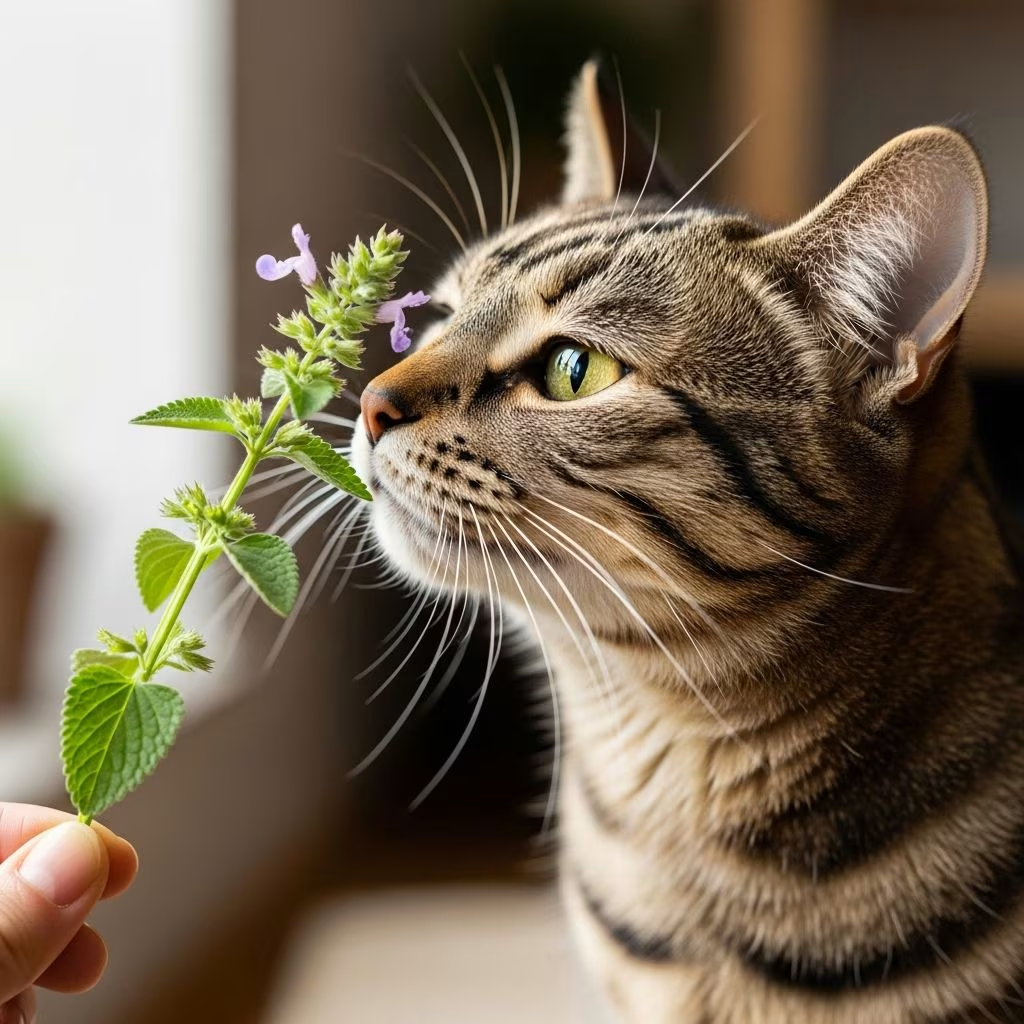
Can Cats Eat Catnip? A Complete Guide to Safety and Usage
Yes, cats can safely eat catnip, and it may even offer benefits for their digestive health and overall well-being. Catnip is nontoxic and non-addictive, making it a safe treat and enrichment tool for most cats. However, like any treat, moderation is key to preventing digestive upset and ensuring your feline friend enjoys catnip safely.
What Is Catnip?
Catnip, scientifically known as Nepeta cataria, is a plant from the mint family that has been used for centuries in both human and animal wellness. The catnip plant contains several essential oils and other compounds stored in tiny bulbs covering the leaves, stems, and seedpods. When a cat or other animal brushes against the plant, these oils are released, triggering the characteristic catnip response in susceptible cats.
The primary active ingredient in catnip is nepetalactone, a compound responsible for the distinctive behavioral effects many cat owners observe. This compound rapidly changes from a liquid to a gas and binds to receptors in a cat’s nose, affecting the part of the brain responsible for the cat’s sense of smell rather than the digestive system.
Is Catnip Safe for Cats to Eat?
Catnip is completely safe for cats to consume. The plant is nontoxic and poses no serious health threats when given appropriately. In fact, catnip has historically been used in traditional medicine for its antidiarrheal properties, and cats may benefit from these digestive advantages when consuming small amounts.
While allergic reactions to catnip are uncommon, it’s always wise to consult with your veterinarian before introducing catnip to your cat for the first time, especially if your pet has pre-existing health conditions. Starting with a small amount allows you to monitor your cat’s individual response and ensure they tolerate it well.
Health Benefits of Catnip for Cats
Beyond being a fun treat, catnip offers several meaningful benefits for your cat’s physical and mental health:
- Stress Reduction: Catnip can help reduce anxiety and provide a calming effect for stressed or anxious cats. Some veterinarians recommend placing catnip in travel carriers during car trips to veterinary appointments to help soothe nervous cats.
- Mental Stimulation and Entertainment: For indoor cats, catnip serves as an excellent form of enrichment to prevent boredom and reduce stress-related behaviors. The playful response to catnip encourages activity and engagement.
- Encourages Physical Activity: If your cat responds to catnip with playful behavior, it can stimulate exercise and movement, contributing to overall physical fitness.
- Digestive Support: The catnip plant has been used for its potential antidiarrheal properties, which may support digestive tract health when consumed in appropriate amounts.
- Natural Pest Repellent: Beyond feline benefits, catnip repels many pests, including mosquitoes that can transmit heartworms to cats.
Catnip Response: Why Don’t All Cats React?
Not all cats respond to catnip in the same way—or at all. The sensitivity to catnip is hereditary and involves multiple genes. Without these specific genes, your cat simply won’t experience the effects and may show no interest in catnip whatsoever.
When cats do respond, reactions vary widely. Some cats become playful and energetic, ricocheting around the room with enthusiasm. Others become calm and relaxed, drooling contentedly. The variation in response means that catnip affects each cat uniquely, and some cats may not respond at all—and that’s completely normal.
Kittens under 3 to 6 months of age typically won’t respond to catnip and may show little interest. As they mature, whether they develop sensitivity depends on their genetic makeup.
How Much Catnip is Safe?
Determining the right amount of catnip for your cat is essential for preventing digestive upset while maximizing enjoyment.
Recommended Dosage
- Use just 1 tablespoon of catnip per session as a general guideline.
- Start with a small pinch when introducing catnip to your cat for the first time and monitor their response.
- If your cat desires more after the initial amount, you can offer another pinch or two, but avoid using significantly more in a single session as it produces diminishing returns.
- Fresh catnip is more potent than dried catnip, so you’ll need less of it to achieve the same effect.
Frequency of Use
- Offer catnip as a treat a few times per week rather than daily.
- If cats are exposed to catnip too frequently, they may become accustomed to the effects, reducing responsiveness over time.
- Limiting access helps maintain your cat’s sensitivity and prevents tolerance buildup.
- After experiencing catnip’s euphoric effects (which typically last 5–15 minutes), cats will be temporarily “immune” to the effects for about two hours.
Risks and Potential Side Effects
While catnip is generally safe, excessive consumption can cause problems.
Digestive Issues
Eating too much catnip can cause gastrointestinal upset, including vomiting and diarrhea. Freshly grown catnip leaves are more likely to cause stomach upset compared to dried varieties or catnip products. If your cat has overindulged in catnip:
- Monitor for signs of vomiting and diarrhea, which typically resolve on their own over time.
- Ensure your cat has access to fresh water to prevent dehydration.
- Contact your veterinarian if symptoms persist or if you suspect dehydration.
Can Cats Overdose on Catnip?
Cats cannot truly overdose on catnip in the traditional sense, as there is no lethal dose. However, consuming excessive amounts can cause health problems. In rare cases, severe overconsumption might lead to lethargy, loss of coordination, or even seizures. Most cats naturally self-regulate and stop consuming catnip when they’ve had enough, so overdose is unlikely without forced or unsupervised consumption of large quantities.
Allergic Reactions
Allergic reactions to catnip are uncommon, but they can occasionally occur. Always supervise your cat when introducing catnip for the first time to identify any adverse reactions early.
Different Forms of Catnip
Catnip comes in several forms, each with distinct advantages:
| Form | Description | Advantages | Considerations |
|---|---|---|---|
| Fresh Catnip | Live catnip plant or freshly harvested leaves | More potent; easier on the mouth; natural form | Requires upkeep; higher risk of digestive upset if overeaten; monitor plant access |
| Dried Catnip | Dehydrated catnip leaves and stems | Long shelf life; easier to portion; some cats prefer it | Less potent than fresh; requires moderation |
| Catnip Spray | Concentrated catnip essence in liquid form | Easy to apply to toys; long-lasting; concentrated formula | Highly potent; use sparingly; avoid direct ingestion |
| Catnip Toys and Products | Pre-filled toys, balls, chew sticks, bubbles | Convenient; prevents excessive ingestion; combines play with enrichment | Limited control over consumption; monitor for toy damage |
Some cats prefer dried catnip to fresh, while others show no preference. Experiment with different forms to discover what your cat enjoys most. Using catnip-infused toys is an excellent way to prevent your cat from ingesting the plant directly while still providing enrichment and entertainment.
Safe Usage Guidelines
To ensure your cat enjoys catnip safely, follow these expert-recommended practices:
- Start Small: Begin with a tiny amount and monitor your cat’s response, adjusting as needed based on their individual reaction.
- Use Moderation: Limit catnip treats to a few times per week to prevent tolerance and digestive issues.
- Avoid Highly Concentrated Oils: Highly concentrated catnip oils are extremely potent and should be avoided due to their strength.
- Monitor Fresh Catnip Intake: If growing catnip at home, break off only a stem or two per session unless your cat has demonstrated moderation with plant chewing.
- Store Safely: Keep catnip in a secure location where your cat cannot access it unsupervised, preventing accidental overconsumption.
- Consult Your Veterinarian: Discuss the appropriate amount and frequency for your specific cat, especially if they have health concerns.
- Provide Fresh Water: Always ensure your cat has access to fresh water when offering catnip.
- Supervise Initial Use: Watch your cat carefully the first time you introduce catnip to identify any adverse reactions.
Alternative Plants for Cats
If your cat doesn’t respond to catnip or you want to rotate enrichment options, other safe plants can provide similar benefits:
- Silvervine: A nontoxic, non-addictive plant that produces effects similar to catnip in many cats.
- Tatarian Honeysuckle: Another safe alternative that can be used as enrichment for cats that don’t respond to catnip.
Catnip in Homemade Cat Recipes
If your cat enjoys eating catnip, you can incorporate it into homemade cat treats and recipes, such as mini fish tacos infused with catnip. Always ensure that any homemade recipes are nutritionally balanced and don’t replace your cat’s regular diet. Treats, including catnip, should never exceed 10% of your cat’s daily caloric intake to avoid nutrient deficiencies.
Frequently Asked Questions
Q: Can kittens have catnip?
A: Yes, kittens can experience catnip safely, but kittens under 3 to 6 months old typically won’t respond to it. Whether older kittens react to catnip depends on their genetics, as the response is hereditary.
Q: Can cats become addicted to catnip?
A: No, cats cannot become addicted to catnip. However, frequent exposure can lead to tolerance, reducing the effects over time. This is why limiting catnip to a few times weekly is recommended.
Q: How long does catnip’s effect last?
A: The euphoric effects of catnip typically last 5–15 minutes. After that, cats become temporarily immune to the intoxicating effects for approximately two hours before sensitivity returns.
Q: What should I do if my cat eats too much catnip?
A: If your cat has overindulged, monitor for vomiting and diarrhea, which typically resolve over time. Ensure access to fresh water and contact your veterinarian if symptoms persist or if you suspect dehydration.
Q: Is catnip safe for cats with health conditions?
A: Consult your veterinarian before offering catnip to cats with pre-existing health issues, as individual circumstances may require specific guidance.
Q: Can I use catnip daily?
A: Daily catnip use is not recommended, as frequent exposure can reduce your cat’s sensitivity to the plant. A few times weekly is the optimal frequency.
References
- What Is Catnip and What Does It Do to Cats? — PetMD. https://www.petmd.com/cat/general-health/what-is-catnip
- Can Cats Eat Catnip? Benefits, Risks and Fun Facts — Taste of the Wild Pet Food. https://www.tasteofthewildpetfood.com/articles/nutrition/can-cats-eat-catnip/
- Can Cats Eat Catnip? Do’s and Don’ts of Catnip — Whisker. https://www.whisker.com/blog/can-cats-eat-catnip
- Can Cats Eat Catnip? — Chewy. https://www.chewy.com/education/cat/food-and-nutrition/can-cats-eat-catnip
- What is Catnip? The Effects Catnip Has on Cats — Boulder Veterinary Clinic. https://bouldervet.com/blog/the-effects-catnip-has-on-cats/



