

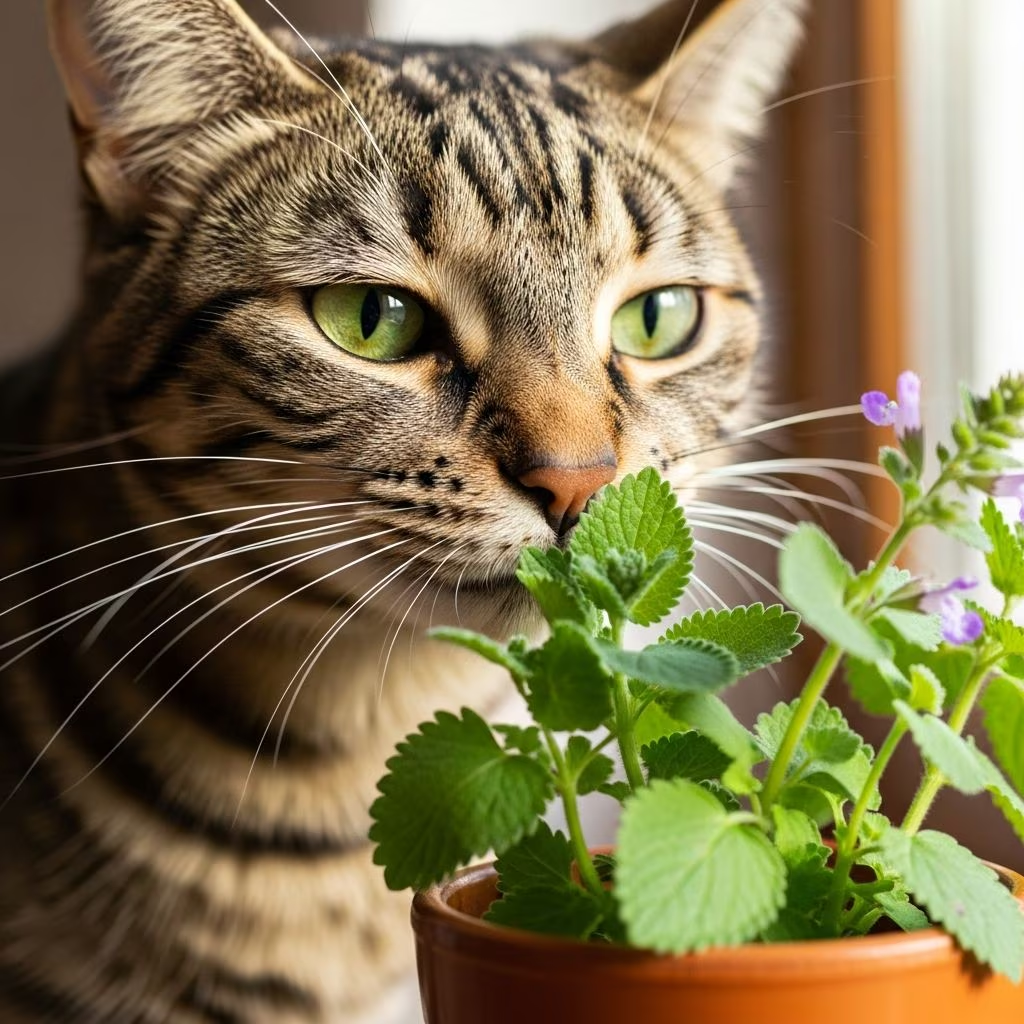
Catnip, known scientifically as Nepeta cataria, is a popular herb from the mint family that elicits fascinating responses in many cats. But can cats safely eat catnip? The answer is yes—catnip is non-toxic and safe for feline consumption in moderation. In fact, it can provide digestive benefits and serve as an enriching treat.
Native to Europe, Asia, and Africa, catnip has been used historically in human herbal remedies for ailments like colds and digestive issues. For cats, its appeal lies in nepetalactone, an essential oil that triggers behavioural reactions primarily through smell, though eating it is also harmless and may offer mild sedative effects.
What Is Catnip and What Does It Do to Cats?
Catnip contains nepetalactone, stored in tiny bulbs on its leaves, stems, and seed pods. When released—through rubbing, sniffing, or crushing—this compound binds to olfactory receptors in a cat’s nose, mimicking feline pheromones and stimulating the brain.
Reactions vary: about 70-80% of cats over six months old respond, showing behaviours like rolling, rubbing, purring, drooling, zooming, or vocalizing. These euphoric episodes last 5-15 minutes, followed by a 1-2 hour refractory period where cats become temporarily immune.
- Sniffing/Inhaling: Acts as a stimulant, prompting playful hyperactivity.
- Eating: Produces a calmer, sedative effect, potentially aiding relaxation and digestion.
Not all cats react—kittens under six months and about 20-30% of adults are genetically insensitive. Sensitivity is hereditary.
Is Catnip Safe for Cats?
Yes, catnip is safe and non-toxic for cats when used appropriately. Veterinary sources confirm it poses no long-term health risks and can even support digestive health, historically used for antidiarrheal properties in humans and potentially cats.
However, moderation is key. Cats cannot overdose fatally, but excessive ingestion may cause temporary gastrointestinal upset like vomiting or diarrhea.
Health Benefits of Catnip for Cats
Beyond fun, catnip offers tangible benefits:
- Stress Reduction: Promotes relaxation, helping anxious or indoor cats unwind.
- Enrichment and Exercise: Encourages play, combating boredom and obesity in house cats.
- Digestive Aid: Small amounts may soothe stomachs; fresh catnip is gentler.
- Natural Pest Repellent: Deters mosquitoes, reducing heartworm risk.
Studies and vet experts note these perks make catnip a valuable tool for feline well-being.
Risks and Side Effects of Catnip
While safe, overindulgence carries minor risks:
| Risk | Symptoms | Prevention |
|---|---|---|
| GI Upset | Vomiting, diarrhea | Limit to 1 tbsp dried; monitor intake |
| Tolerance Build-Up | Diminished response | Use 2-3x/week max |
| Rare Severe Effects | Lethargy, disorientation (extreme cases) | Small doses; vet consult if persists |
| Allergic Reaction | Rare itching/swelling | Start small, observe |
No addiction risk exists; cats self-regulate but may need access limits.
How Much Catnip Can Cats Eat?
Start small: 1 teaspoon to 1 tablespoon of dried catnip per session. Fresh requires less due to potency. Offer 2-3 times weekly to avoid tolerance.
- Dried: 1 tbsp max/session.
- Fresh Leaves: 1-2 stems; easier on digestion.
- Spray/Oil: Diluted; avoid concentrates.
Consult a vet for kittens, seniors, or cats with health issues.
Different Ways to Give Your Cat Catnip
Variety keeps it engaging:
- Sprinkle on Scratchers/Toys: Refillable toys extend fun.
- Infuse Toys/Balls: Chew sticks, bubbles for eating play.
- Grow Fresh Plants: Potted catnip for nibbling; rotate to prevent overeating.
- Sprays: Mist bedding for calm.
- Treats/Recipes: Mix into homemade fish tacos or biscuits.
Fresh is potent; dried milder. Store airtight.
Can Cats Overdose on Catnip?
No fatal overdoses occur, but excess (e.g., handfuls) can upset stomachs. Rare severe symptoms like seizures need vet attention. Most cats stop at satisfaction; supervise new users.
What If My Cat Doesn’t Like Catnip?
Try alternatives:
- Silvervine: Stronger reaction in non-responders.
- Tatarian Honeysuckle: Similar euphoric effects, non-toxic.
- Valerian Root: Calming, playful response.
All safe; rotate for variety.
Frequently Asked Questions
Is catnip safe for cats to eat?
Yes, catnip is non-toxic and safe in moderation; it may aid digestion.
Can kittens have catnip?
Kittens under 6 months typically don’t respond and should avoid until mature.
Does catnip get cats high?
It triggers a 5-15 minute euphoric, pheromone-like response via smell.
Can cats become addicted to catnip?
No, it’s non-addictive; tolerance fades with breaks.
How often can I give my cat catnip?
2-3 times weekly prevents tolerance and upset.
What if my cat eats too much catnip?
Monitor for vomiting/diarrhea; ensure hydration. Vet if severe.
Is fresh catnip better than dried?
Fresh is more potent and digestible; both safe.
References
- What Is Catnip and What Does It Do to Cats? — PetMD, Heather Hoffmann, DVM. 2023-10-15. https://www.petmd.com/cat/general-health/what-is-catnip
- Can Cats Eat Catnip? Benefits, Risks and Fun Facts — Taste of the Wild Pet Food. 2024-05-20. https://www.tasteofthewildpetfood.com/articles/nutrition/can-cats-eat-catnip/
- Can Cats Eat Catnip? Do’s and Don’ts of Catnip — Whisker. 2024-02-10. https://www.whisker.com/blog/can-cats-eat-catnip
- Can Cats Eat Catnip? — Chewy. 2023-11-05. https://www.chewy.com/education/cat/food-and-nutrition/can-cats-eat-catnip
- The Effects Catnip Has on Cats — Boulder Veterinary Hospital. 2024-01-12. https://bouldervet.com/blog/the-effects-catnip-has-on-cats/



