

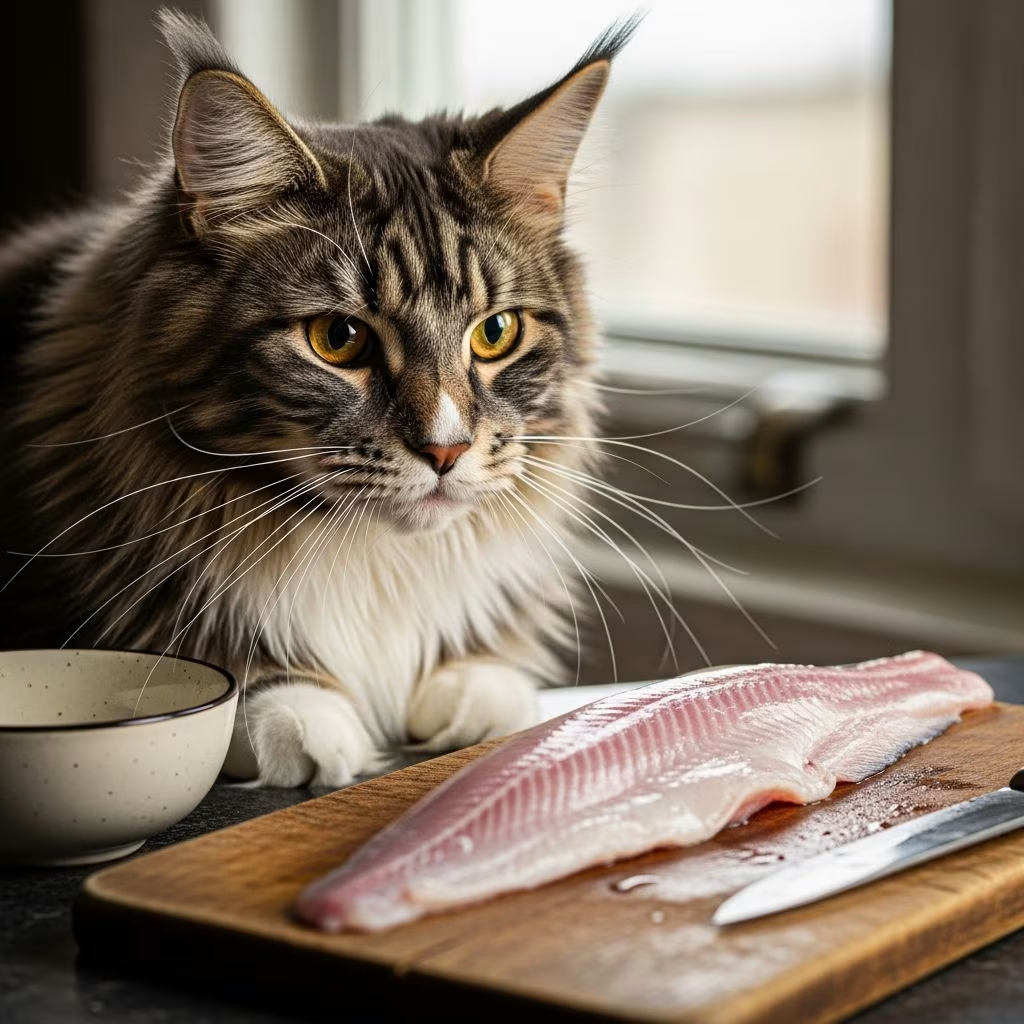
Catfish can be a safe and nutritious occasional treat for cats when properly cooked, deboned, and fed in moderation. This freshwater fish offers protein, omega-3 fatty acids, and taurine essential for feline health, but raw or excessive consumption poses risks like bacterial infections and thiamine deficiency.
Is Catfish Safe for Cats to Eat?
Yes, catfish is generally safe for most cats when prepared correctly. As obligate carnivores, cats thrive on high-protein diets, and catfish provides high-quality animal protein vital for muscle maintenance, energy, and overall vitality. It also contains essential fatty acids like omega-3 and omega-6, which support skin and coat health, reduce inflammation, and promote cardiovascular wellness.
Taurine, an amino acid cats cannot synthesize sufficiently on their own, is present in catfish and crucial for heart function, vision, and reproduction. Deficiencies can lead to serious conditions like dilated cardiomyopathy or blindness. However, safety hinges on preparation: raw catfish harbors bacteria such as Salmonella and parasites like Giardia, which can cause vomiting, diarrhea, or severe illness, especially in kittens, seniors, or immunocompromised cats.
Cooked catfish mitigates these dangers by killing pathogens and destroying thiaminase, an enzyme in raw fish that degrades thiamine (vitamin B1). Thiamine deficiency symptoms include lethargy, loss of appetite, seizures, and neurological issues, which can be fatal if prolonged. Farm-raised or wild-caught catfish from clean waters is preferable to minimize contaminants like mercury, though levels are typically low in this species compared to larger predatory fish.
- Key Safety Factors: Thorough cooking, bone removal, no seasonings, and occasional feeding.
- Consult a vet for cats with allergies, kidney issues, or fish sensitivities.
The Nutritional Benefits of Catfish for Cats
Catfish packs a nutrient punch beneficial for cats when included sparingly in their diet. High in complete protein (about 18g per 100g cooked), it aids muscle repair and growth, essential for active felines. Omega-3 fatty acids, including EPA and DHA, combat inflammation, support joint health, and may alleviate allergies or itchy skin.
Vitamin B12 in catfish supports red blood cell formation and nerve health, while selenium acts as an antioxidant to bolster immunity and protect against oxidative stress. Phosphorus contributes to strong bones and teeth, and smaller amounts of vitamin D aid calcium absorption. Compared to commercial cat food, which may lack variety, occasional catfish introduces diverse nutrients without unbalancing the diet.
| Nutrient | Benefit for Cats | Amount per 100g Cooked Catfish (approx.) |
|---|---|---|
| Protein | Muscle maintenance, energy | 18-20g |
| Omega-3 Fatty Acids | Skin/coat health, anti-inflammatory | 200-300mg |
| Taurine | Heart, eye health | 50-100mg |
| Vitamin B12 | Nerve function, blood cells | 4-5µg |
| Selenium | Immune support, antioxidant | 20-30µg |
These values are approximate based on USDA data for cooked catfish, adapted for feline relevance. While beneficial, catfish should complement, not replace, a complete commercial or vet-formulated diet.
When and Why Can Catfish Be Harmful to Cats?
Despite benefits, catfish can harm cats if mishandled. Raw or undercooked fish risks bacterial contamination (Salmonella, E. coli) leading to foodborne illness, with symptoms like fever, dehydration, and organ damage in severe cases. Thiaminase in uncooked catfish destroys dietary thiamine, causing deficiency within weeks of regular feeding.
Bones pose choking hazards or internal punctures, splintering in the digestive tract. Contaminants like mercury, PCBs, or dioxins accumulate in fatty tissues, potentially causing neurological tremors, kidney damage, or cancer over time, though catfish has lower mercury than tuna or swordfish. Excessive fish intake leads to imbalances: too much omega-6 over omega-3 causes inflammation; vitamin E depletion from unsaturated fats results in steatitis (yellow fat disease). Allergies manifest as itching, gastrointestinal upset, or respiratory issues.
- High-Risk Groups: Kittens (developing immunity), seniors (weakened organs), pregnant queens, or cats with pancreatitis.
- Seasonings like garlic, onion, salt, or oils are toxic, exacerbating issues.
Can Cats Eat Raw Catfish?
No, raw catfish is not safe for cats. It contains viable parasites, bacteria, and thiaminase that cooking neutralizes. Freezing at -20°C for 24-48 hours kills some parasites, but doesn’t eliminate bacteria or enzyme activity reliably. Veterinary experts unanimously advise against raw fish diets due to documented outbreaks of thiamine deficiency and infections.
Commercial raw pet foods undergo high-pressure processing or irradiation, but home-prepared raw catfish lacks these safeguards. Symptoms of raw fish ingestion include acute vomiting, chronic neuropathy, or sudden death from heart failure. Stick to cooked preparations for safety.
How to Safely Prepare and Feed Catfish to Your Cat
To harness benefits while minimizing risks, follow these vet-recommended steps:
- Select Quality Fish: Opt for fresh or frozen catfish from reputable sources; avoid wild-caught from polluted waters.
- Clean Thoroughly: Rinse under cold water; remove skin if fatty, as it concentrates toxins.
- Cook Properly: Bake, steam, boil, or grill at 165°F (74°C) internal temperature for 10-15 minutes until flaky. No frying or microwaving unevenly.
- Debone Completely: Use tweezers for pin bones; even small ones are dangerous.
- Portion Control: 1-2 tablespoons (10-20g) per 10lbs body weight, max once weekly.
- No Additives: Plain only—no salt, spices, butter, or sauces.
Introduce gradually: mix a tiny amount with regular food, monitor for 24-48 hours for allergies (swelling, diarrhea). Store leftovers refrigerated up to 3 days or freeze portions.
How Often Should You Feed Your Cat Catfish?
Moderation is key—feed cooked catfish as a treat 1-2 times every two weeks, not daily. Overfeeding risks nutritional dilution, where cats prefer fish over kibble, leading to deficiencies in calcium, vitamins A/D, or iodine. Rotate with other proteins like chicken, turkey, or salmon for variety. A 5kg cat might get 15g weekly max, comprising <10% total calories. Balance with AAFCO-approved complete foods.
Final Thoughts
Catfish can delight your cat’s palate and boost nutrition when fed thoughtfully. Its protein, omegas, and taurine support thriving health, but risks from raw forms, bones, and excess demand caution. Prioritize commercial diets as the staple, using fish treats for enrichment. Always vet-check new foods, especially for health-compromised cats. With proper prep, catfish becomes a safe, occasional indulgence fostering a happy, healthy feline companion.
Frequently Asked Questions
Can cats eat raw catfish safely?
No, raw catfish risks bacteria, parasites, and thiamine deficiency. Always cook thoroughly.
How often can I feed catfish to my cat?
Once every 1-2 weeks in small portions to avoid imbalances.
Are fish bones dangerous for cats?
Yes, they can cause choking or perforations. Remove all bones.
Can catfish cause allergies in cats?
Possibly; watch for itching or upset stomach. Discontinue if symptoms appear.
Is farm-raised or wild catfish better for cats?
Farm-raised often has fewer contaminants; check sourcing.
References
- Can Cats Eat Catfish? Vet-Approved Health & Safety Guide — Hepper. 2024. https://articles.hepper.com/can-cats-eat-catfish/
- Can Cats Eat Catfish? Safety & Feeding Guide — Zoorithm. 2024. https://www.zoorithm.com/cats/can-cat-eat-catfish
- Can cats eat fish, seafood and shellfish? — Bella+Duke. 2023-10-01. https://www.bellaandduke.com/cats/expert-advice/cat-nutrition/can-cats-eat-raw-fish/
- Fish Facts — All Cats Veterinary Clinic. 2023. https://www.allcatsvetclinic.com/storage/app/media/do-not-feed-fish-to-your-cat.pdf
- Should Cats Eat Fish? A Vet’s Guide — Holistic Vet Blend. 2024. https://holisticvetblend.com/blogs/news/should-cats-eat-fish-a-vets-guide-to-the-risks-and-benefits-of-feeding-fish-to-your-feline-friend
- Of Cats and Fish – Is Fish Bad for Cats — PetMD. 2013-07-01. https://www.petmd.com/blogs/nutritionnuggets/cat/jcoates/2013/july/is-fish-bad-for-cats-30648



