

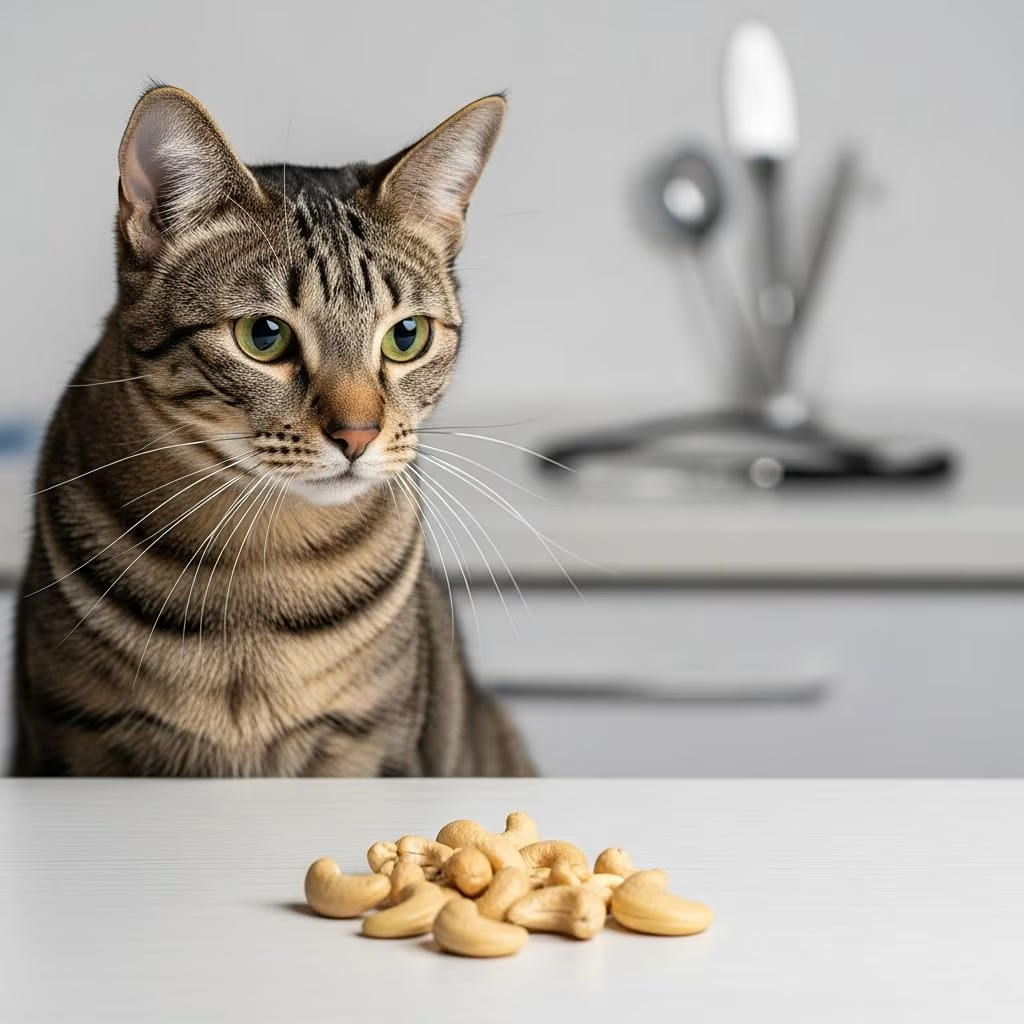
Cashews are a popular human snack, but cats should not eat them. While not outright toxic, they pose several health risks including high fat content leading to digestive upset, potential salt poisoning, mold contamination, and choking hazards. Cats are obligate carnivores with diets suited to meat, not nuts, making cashews an unnecessary and potentially harmful addition to their meals. This vet-approved guide explores the facts, risks, and safer alternatives to keep your feline healthy.
Quick Answer: Can Cats Eat Cashews?
No, cats cannot safely eat cashews as a regular treat or part of their diet. Although raw or roasted cashews aren’t confirmed toxic based on available evidence, they offer no nutritional benefits tailored to feline needs and carry significant downsides. High fat levels can cause vomiting, diarrhea, or pancreatitis; salted varieties risk sodium overload; mold may produce aflatoxins leading to severe illness; and their size presents a choking danger, especially for smaller cats or kittens. Veterinary experts recommend sticking to commercially prepared cat foods and treats designed for their carnivorous biology.
In the wild, cats hunt prey like rodents and birds, consuming nutrient-dense animal proteins, fats from meat, and minimal plant matter. Their short digestive tracts and specialized enzymes prioritize taurine-rich meats over plant-based nuts like cashews, which are high in indigestible fibers and excess calories. A single cashew might seem harmless, but even small amounts disrupt this balance, potentially leading to obesity or gastrointestinal issues over time.
Why Are Cashews Bad for Cats?
Cashews present multiple hazards that outweigh any minimal benefits. Their nutritional profile—rich in fats, proteins, and minerals like magnesium—suits humans but mismatches cat metabolism. Cats lack enzymes to efficiently process plant fats and fibers, leading to poor nutrient absorption and digestive strain. Below are the primary concerns:
- High Fat Content: Cashews contain about 44% fat, far exceeding what cats handle well. Excess fat triggers pancreatitis, vomiting, diarrhea, and long-term weight gain.
- Salt and Seasonings: Roasted cashews are often salted, with one nut holding enough sodium to contribute to thirst, dehydration, or rare salt poisoning if many are consumed.
- Mold and Aflatoxins: Nuts frequently harbor invisible molds producing liver-damaging aflatoxins, causing vomiting, seizures, or worse in cats.
- Choking Hazard: Whole cashews are large relative to a cat’s throat, risking airway blockage or esophageal lodgment.
- Raw Cashew Concerns: Some sources claim raw cashews (containing urushiol, an irritant related to poison ivy) are toxic, though evidence is anecdotal and unconfirmed in veterinary literature.
Even unsalted, plain cashews lack essential cat nutrients like taurine, vital for heart and eye health, making them nutritionally void.
1. Mold and Other Contaminants
Nuts like cashews are prone to mold contamination, producing aflatoxins—potent toxins linked to liver damage, gastrointestinal distress, and neurological symptoms in pets. While cashews are less susceptible than peanuts or walnuts, any discoloration, odd smell, or fuzz means immediate disposal. Cats ingesting contaminated nuts may show vomiting, lethargy, jaundice, or seizures, requiring urgent vet care.
Aflatoxins thrive in warm, humid storage conditions common for bulk nuts. Preventive measures include buying from reputable sources, storing in cool, dry places, and inspecting before any potential sharing (though sharing is discouraged). Studies from the FDA highlight aflatoxin risks in tree nuts, underscoring why they’re unsuitable for cats.
2. Too Much Sodium & Fat
Salted cashews deliver excessive sodium, with roughly 12mg per nut—problematic for cats needing only 0.3g daily. A handful could induce excessive thirst, frequent urination, tremors, or seizures in extreme cases. Even unsalted versions overload with fats: one ounce (18 cashews) packs 12g fat, promoting pancreatitis—an inflammation of the pancreas causing severe abdominal pain, dehydration, and appetite loss.
| Nutrient | Per Cashew (approx.) | Cat Daily Needs (avg. adult) | Risk Level |
|---|---|---|---|
| Fat | 4g (per oz serving) | Moderate (meat-based) | High – Pancreatitis |
| Sodium (salted) | 12mg | <300mg | Medium – Poisoning |
| Calories | 160 (per oz) | 200-300 total | High – Obesity |
This table illustrates why cashews disrupt feline balance. Cats metabolize fats differently, lacking adaptations for plant oils.
3. Choking Hazard & Dental Risks
Despite appearing small, cashews pose a serious choking risk to cats. Their airway is narrow; a whole nut can lodge in the throat or windpipe, causing gagging, distress, or asphyxiation. Emergency Heimlich or vet intervention may be needed. Fragments risk intestinal blockages.
Cats’ teeth are carnassial for shearing meat, not grinding tough nuts, increasing dental fracture chances, especially in kittens with deciduous teeth.
Are Cashews OK for Kittens?
No, kittens must avoid cashews entirely. Their smaller size amplifies choking risks, and baby teeth (replaced around 6-7 months) are prone to breaking. Immature digestive systems can’t handle the fat surge, likely causing diarrhea or refusal to eat. Cashew milk, though less hazardous for choking, still upsets tiny stomachs due to fat content.
Kittens require kitten-specific formulas high in protein and DHA for growth. Introducing nuts diverts from optimal nutrition during this critical phase.
Can I Give My Cat Cashew Milk?
Cashew milk is not recommended but less risky than whole nuts if unsweetened and plain. It’s dairy-free (lactose-intolerant cats rejoice), but high fat (2-4g per cup) can still cause loose stools or pancreatitis. Cats process plant milks poorly without benefiting nutritionally.
Dilute heavily if offering occasionally post-vet approval, but prioritize cat milk alternatives or bone broth. No choking risk makes it marginally safer, yet superior treats exist like freeze-dried meat.
Nutritional Value of Cashews for Cats
Cashews boast proteins, monounsaturated fats, magnesium, copper, phosphorus, fiber, and antioxidants like vitamin E—valuable for humans. For cats, however, these are largely inaccessible. Obligate carnivores derive little from plant sources; fiber may aid digestion minimally but often causes upset. Any benefits are negligible compared to meat-based diets.
- Protein: Usable but incomplete without animal sources.
- Fats: Energy-providing but excess leads to obesity.
- Minerals: Magnesium supports muscles, but cat food provides amply.
Vets concur: cashews don’t enrich a balanced diet meaningfully.
Potential Risks and Benefits Summary
| Aspect | Benefits (Minimal) | Risks (Significant) |
|---|---|---|
| Digestion | Fiber for minor gut health | Upset, diarrhea, pancreatitis |
| Nutrition | Minerals, antioxidants | Imbalanced, deficiencies long-term |
| Physical | Energy from fats | Choking, allergies, salt poisoning |
Are There Safer Treat Alternatives?
Yes! Opt for vet-approved options:
- Commercial cat treats (low-calorie, meat-based).
- Freeze-dried chicken or fish.
- Cooked plain meats (no seasoning).
- Veggie purees like pumpkin for fiber (in moderation).
These match cats’ needs without risks. Limit treats to 10% of calories.
Conclusion
Avoid cashews for cats—they’re not toxic per se but unhealthy due to fat, salt, mold, and choking perils. Kittens and adults alike fare better on species-appropriate foods. Consult your vet for personalized advice, especially if accidental ingestion occurs. Prioritize your cat’s health with tailored nutrition for a long, vibrant life.
Frequently Asked Questions (FAQs)
What happens if my cat eats a cashew?
Monitor for vomiting, diarrhea, or lethargy. Ensure water access; contact vet if symptoms appear or many were eaten.
Are raw cashews toxic to cats?
No confirmed toxicity, but potential irritants and mold risks make them unsafe. Avoid entirely.
Can cats have cashew butter?
No—high fat, possible xylitol (toxic), and sticky texture risks aspiration.
How many cashews can a cat eat safely?
None recommended. Even one risks choking or upset.
Is cashew milk safe for cats with lactose intolerance?
Safer than dairy but still fatty; use sparingly or avoid.
References
- Can Cats Eat Cashews? Vet Approved Facts & FAQ — Catster. 2023-10-15. https://www.catster.com/nutrition/can-cats-eat-cashews/
- Cashews and Cats: Potential Risks and Benefits — Bailey’s CBD. 2024-05-20. https://baileyscbd.com/blogs/cat-nutrition/cashews-and-cats-potential-risks-and-benefits
- Safe and Unsafe Nuts and Seeds For Dogs & Cats — Preventive Vet. 2023-08-10. https://www.preventivevet.com/pets/safe-and-unsafe-nuts-and-seeds-for-pets



