

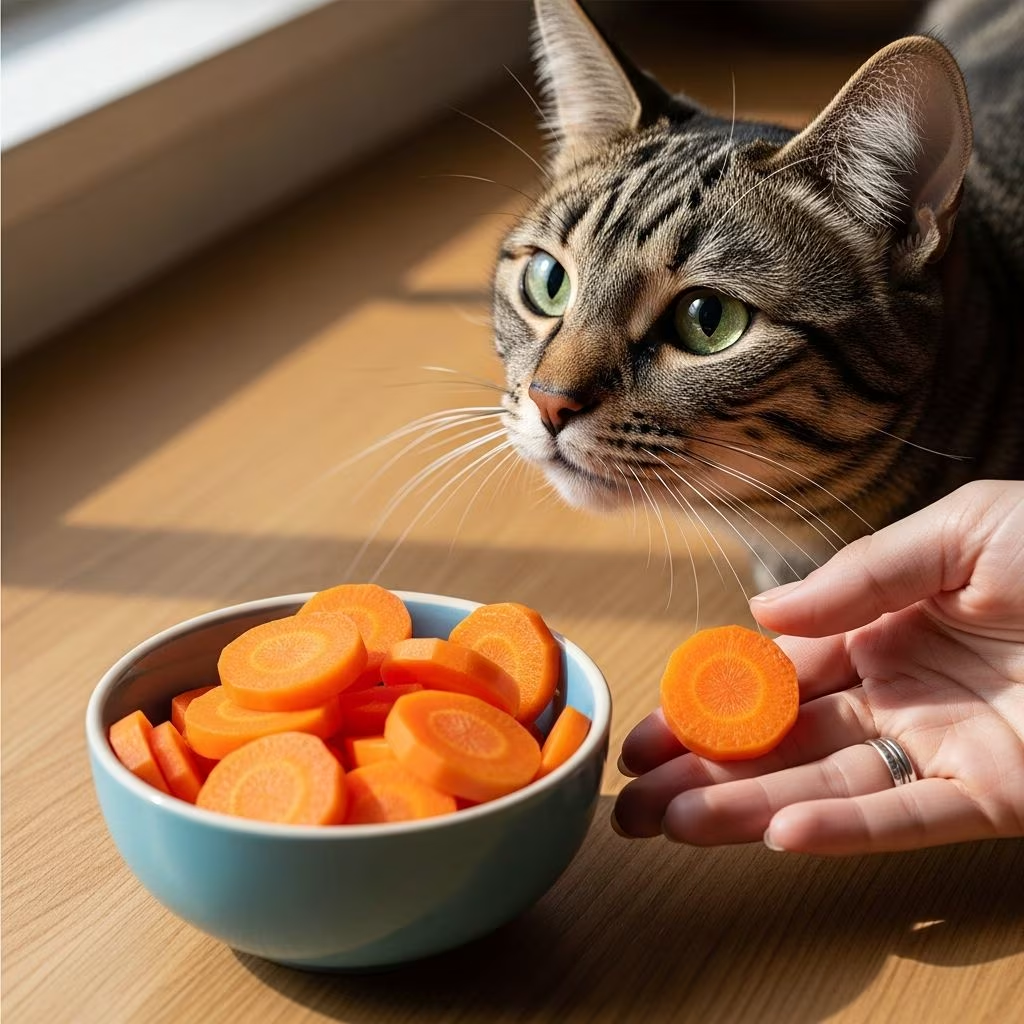
Can Cats Eat Carrots? A Complete Nutritional Guide for Cat Owners
Many cat owners wonder whether they can share their vegetables with their feline companions, particularly when it comes to carrots. The straightforward answer is yes, cats can eat carrots in moderation, though there are important considerations to keep in mind regarding preparation, portion size, and frequency of feeding. While carrots are not toxic to cats, they are not a necessary component of feline diets, as cats are obligate carnivores that require animal protein to thrive.
Understanding Cat Dietary Needs
Cats are obligate carnivores, which means their bodies are biologically designed to process and derive nutrition primarily from meat sources. Unlike humans or some other animals, cats have specific nutritional requirements that are best met through animal-based proteins. This fundamental dietary difference is crucial to understand when considering adding vegetables like carrots to your cat’s diet. While cats can technically consume carrots, these vegetables should never replace their primary diet of high-quality commercial cat food or fresh meat.
The reason cats are obligate carnivores relates to their evolutionary history and unique digestive systems. Cats lack certain enzymes that would allow them to efficiently break down and process plant-based foods. This limitation means that while carrots may provide some nutritional benefits, cats cannot extract or utilize all the nutrients from vegetables as effectively as humans can.
Nutritional Benefits of Carrots for Cats
Despite cats being obligate carnivores, carrots do offer some nutritional advantages when given as an occasional treat:
- High in Fiber: Carrots contain both soluble and insoluble fiber, which can support healthy digestion in cats. Adequate fiber intake helps regulate bowel movements, prevent constipation, and maintain beneficial gut bacteria populations.
- Rich in Vitamin A: Carrots contain beta-carotene, a precursor to vitamin A. Although cats may not convert beta-carotene into vitamin A as efficiently as humans do, this nutrient still contributes to cellular protection and supports overall immune health.
- Vitamin C Content: As an antioxidant, vitamin C helps neutralize harmful free radicals and strengthens immune function, which can be beneficial for your cat’s overall wellness.
- Low in Calories: Carrots are relatively low in calories, making them a suitable occasional treat for cats that need to maintain a healthy weight.
- Additional Minerals: Carrots provide potassium, calcium, iron, magnesium, phosphorus, zinc, and other minerals that contribute to proper bodily functioning and overall health.
Potential Risks and Concerns
While carrots can be a safe treat, there are several important risks to consider before offering them to your cat:
Choking Hazard
One of the most significant dangers associated with carrots for cats is the potential choking hazard. Raw carrots are particularly problematic because they are dense, hard, and can be slippery, especially when cut into large pieces. Cats have difficulty chewing raw carrots thoroughly, which is particularly concerning for kittens and senior cats with dental issues or reduced chewing ability. A large piece of carrot that hasn’t been properly chewed can become lodged in the throat, causing a serious airway blockage that requires immediate veterinary attention.
Digestive Upset
Cats’ digestive systems are specifically adapted to process meat-based foods and are not naturally equipped to handle significant quantities of plant-based foods. Feeding too many carrots can overwhelm a cat’s digestive system, leading to uncomfortable digestive upset. Symptoms can include abdominal pain, vomiting, and diarrhea. Even cats with sensitive digestive systems may experience these issues when exposed to new vegetables.
Nutritional Imbalance
Although carrots are nutritionally valuable for humans, they are not nutritional game-changers for cats. Excessive carrot consumption can cause problems because the high fiber content makes cats feel full prematurely. When cats feel satiated from carrots, they may not consume adequate amounts of their regular cat food, which can lead to nutritional deficiencies and unmet dietary requirements. This is particularly concerning for cats requiring specific nutrition due to medical conditions.
High Sugar and Starch Content
Carrots contain naturally occurring sugars and are high in starches. Since cats are obligate carnivores, their bodies don’t process carbohydrates efficiently. Regular consumption of sugary or starchy vegetables can cause blood sugar spikes, which is particularly problematic for diabetic cats that require strict carbohydrate control. Overfeeding carrots may increase the risk of obesity and diabetes development in susceptible cats.
Harmful Seasonings and Additives
Raw or cooked carrots are only safe when served completely plain. Any seasonings, additives, or cooking ingredients should be avoided. Common dangerous additions include salt, butter, garlic powder, and onion powder. Even small amounts of these ingredients can cause stomach upset and potentially damage red blood cells, leading to serious health complications. Always ensure carrots are prepared without any seasoning or cooking oil.
Raw Versus Cooked Carrots
Preparation method is absolutely critical when feeding carrots to cats. The choice between raw and cooked carrots significantly impacts both safety and digestibility:
| Aspect | Raw Carrots | Cooked Carrots |
|---|---|---|
| Choking Risk | High – Hard texture and difficult to chew | Low – Soft and easy to chew |
| Digestibility | Difficult – Hard to digest when not thoroughly chewed | Easier – Soften fiber and starch for better digestion |
| Recommended Serving | Not recommended | Preferred option |
| Texture Preference | Some cats may find the crunch appealing | Generally better tolerated by all cats |
Cooked carrots are the safer and recommended option for most cats. Cooking softens the vegetable, making it much easier for cats to chew and digest properly. The heating process breaks down fiber and starch structures, allowing cats’ digestive systems to process the carrot more efficiently. This preparation method significantly reduces choking risk while improving digestibility.
How to Safely Prepare Carrots for Your Cat
If you’ve decided to offer carrots to your cat as an occasional treat, follow these preparation guidelines:
- Cook Before Serving: Always cook carrots by steaming or boiling them until they become soft and easy to break apart with minimal pressure.
- Skip All Seasonings: Do not add any salt, butter, oil, garlic, onion powder, or other seasonings to the carrots.
- Cut Into Small Pieces: Chop the cooled carrots into small, bite-sized pieces that are appropriate for your cat’s mouth size and chewing ability.
- Cool Completely: Allow cooked carrots to cool thoroughly before offering them to your cat to prevent mouth burns.
- Remove the Core: If using whole carrots, remove the woody core as it can be a choking hazard.
- Avoid Processed Options: Do not give your cat carrot juice, canned carrots with added ingredients, or processed carrot snacks that often contain added sugars and harmful preservatives.
Appropriate Portion Sizes and Frequency
The key to safely feeding carrots to cats is moderation. Even though carrots are safe, they should be offered only as an occasional treat, not as a regular dietary component. Treats, including carrots, should comprise no more than 10% of your cat’s daily caloric intake, with the remaining 90% coming from complete and balanced cat food.
Start with very small portions—a piece no larger than the size of a pea—to assess your individual cat’s tolerance. Some cats may experience digestive upset even with small amounts, while others tolerate them better. Always observe your cat closely after introducing any new food and watch for signs of digestive distress.
The frequency of carrot treats should be limited. Offering carrots once or twice per week is reasonable for most healthy cats. Cats with diabetes, obesity, or sensitive digestive systems should avoid carrots entirely or receive them even less frequently, if at all.
Warning Signs to Monitor
After introducing carrots to your cat’s diet, observe them carefully for any adverse reactions:
- Vomiting or regurgitation
- Diarrhea or loose stools
- Constipation
- Abdominal discomfort or pain
- Loss of appetite
- Behavioral changes or lethargy
If any of these symptoms occur, discontinue carrot treats immediately and consult your veterinarian. Some cats may have sensitivities or allergies to carrots that cause adverse reactions even with proper preparation.
Alternative Healthy Cat Treats
If you’re looking for safe treat options beyond carrots, consider these alternatives that many cats enjoy:
- Cooked plain chicken breast
- Cooked turkey without seasonings
- Small amounts of cooked fish
- Commercial cat treats formulated for feline nutrition
- Freeze-dried meat treats
These protein-based options align better with cats’ obligate carnivore dietary requirements and provide more appropriate nutrition than plant-based treats.
Frequently Asked Questions
Q: Are carrots toxic to cats?
A: No, carrots are not toxic to cats. They are safe to consume in moderation when properly prepared, though they should never become a dietary staple.
Q: Can kittens eat carrots?
A: Kittens can technically eat carrots, but it’s best to avoid them. Kittens have developing digestive systems and smaller mouths, making them particularly vulnerable to choking hazards and digestive upset. Focus on nutritionally balanced kitten food instead.
Q: What about carrot juice for cats?
A: Carrot juice is not recommended for cats. It’s high in concentrated sugars and often contains added ingredients. Fresh, whole cooked carrots in tiny portions are preferable if you choose to offer carrots at all.
Q: Can diabetic cats eat carrots?
A: Diabetic cats should not eat carrots due to their high starch and sugar content, which can negatively impact blood glucose control. Consult your veterinarian before offering any treats to a diabetic cat.
Q: How do I know if my cat is having a bad reaction to carrots?
A: Monitor your cat for vomiting, diarrhea, constipation, or abdominal discomfort within a few hours of carrot consumption. If these symptoms appear, stop offering carrots and contact your veterinarian.
Q: Can cats eat carrot cake or other carrot-based foods?
A: No, avoid all carrot-based baked goods. These typically contain sugar, fat, butter, and other ingredients that are harmful to cats. Stick to plain, cooked carrots only if you offer them at all.
Q: How much carrot can I safely give my cat?
A: Limit carrot treats to a few small pieces once or twice per week at most. A piece the size of a pea is an appropriate portion for most cats. Always ensure carrots comprise less than 10% of daily caloric intake.
Conclusion and Key Takeaways
Carrots can be offered to cats as an occasional treat, but they are not a necessary component of feline nutrition. While carrots provide some vitamins and minerals, cats derive superior nutrition from their primary diet of high-quality cat food and animal proteins. Always remember that cats are obligate carnivores with unique dietary requirements that plant-based foods cannot adequately meet.
When offering carrots, prioritize safety through proper preparation—always cook them, serve them plain without seasonings, cut them into appropriately small pieces, and limit frequency and portion sizes. Monitor your individual cat’s response and be prepared to discontinue carrot treats if any digestive upset occurs. When in doubt, consult your veterinarian before introducing any new foods to your cat’s diet, especially if your cat has underlying health conditions or dietary sensitivities.
References
- Can Cats Eat Cooked Carrots? Key Benefits and Risks — Noble Vet Clinic. 2024. https://noblevetclinic.com/blog/can-cats-eat-cooked-carrots
- Can Cats Eat Carrots? Nutritional Facts and Risks — Feline Fancy. 2024. https://felinefancy.co.uk/blogs/cat-care-tips/can-cats-eat-carrots
- Can Cats Eat Carrots? A Guide to Safety — Purina US. 2024. https://www.purina.com/articles/cat/feeding/can-cats-eat/carrots
- Can Cats Eat Carrots? Here’s Everything You Need to Know — Pawlicy. 2024. https://www.pawlicy.com/blog/can-cats-eat-carrots/
- Can Cats Eat Carrots? — Wild Earth Pet Food. 2024. https://wildearth.com/blogs/dog-knowledge/can-cats-eat-carrots



