

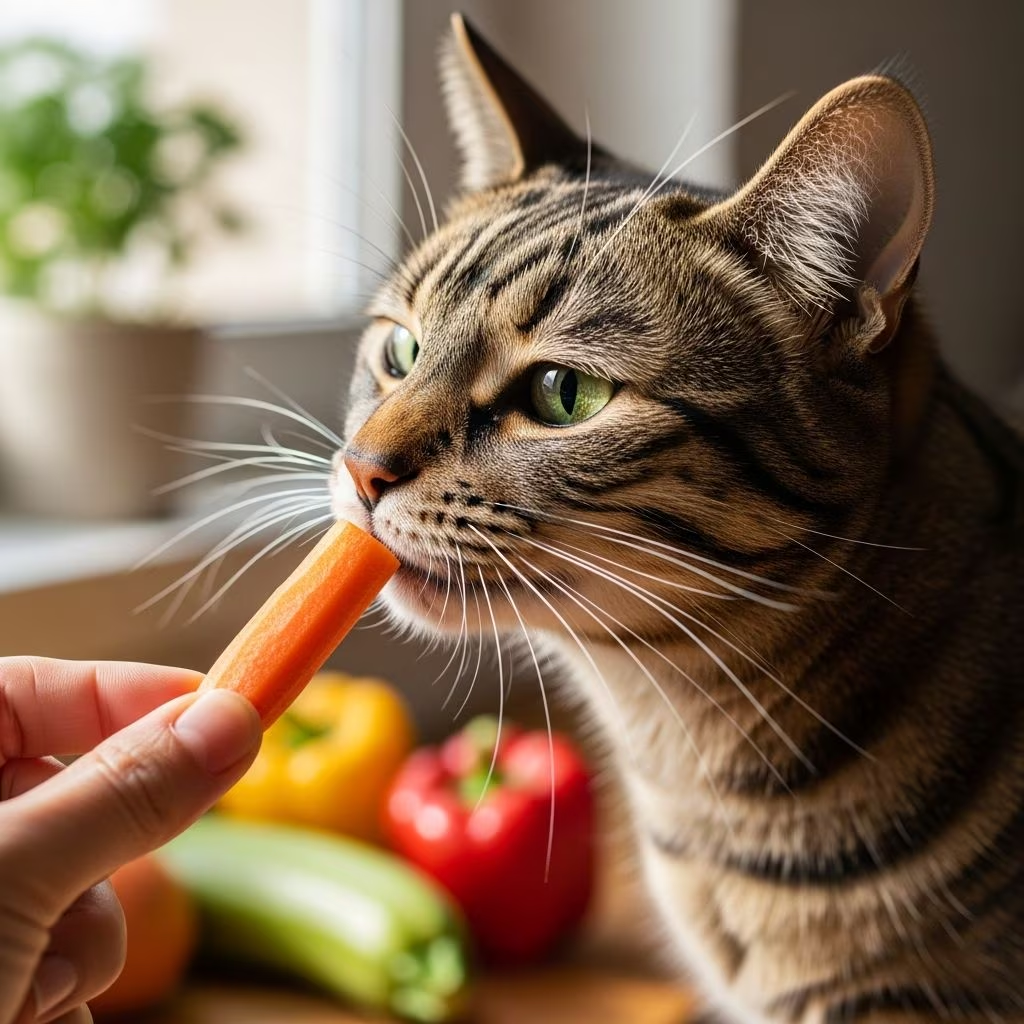
Cats, as obligate carnivores, thrive primarily on meat-based diets, but carrots can serve as an occasional safe treat when introduced thoughtfully. Prepared correctly and given in moderation, they provide minor nutritional perks without posing significant harm.
Nutritional Profile of Carrots for Feline Diets
Carrots contain fiber, beta-carotene (which converts to vitamin A), potassium, vitamin C, calcium, and iron, potentially supporting digestion and immunity in small doses. However, cats’ biology limits nutrient absorption from plants, making these benefits supplementary rather than essential. Soluble fiber aids gut bacteria, while insoluble fiber promotes regular bowel movements and satiety, useful for weight management.
Potential Health Benefits for Cats
- Digestive Support: The dual fiber types help prevent constipation and maintain gut health, acting as a prebiotic in some commercial cat foods.
- Low-Calorie Option: With few calories, carrots can satisfy curious eaters without excessive energy intake, aiding overweight cats.
- Vitamin Boost: Beta-carotene and other micronutrients contribute to overall wellness, though cats derive most vitamins from animal sources.
These advantages are most notable when carrots replace higher-calorie treats, keeping total treats under 10% of daily calories.
Risks and Drawbacks of Feeding Carrots to Cats
While non-toxic per ASPCA listings, excessive or improper carrot feeding carries concerns.
- Choking Danger: Raw carrots’ hardness and size risk airway blockages, especially for kittens or seniors.
- Stomach Issues: High fiber and natural sugars may cause diarrhea, vomiting, or bloating if overconsumed.
- Nutrient Displacement: Filling cats up on veggies reduces meat intake, risking taurine or protein deficiencies.
- Obesity and Diabetes: Sugars contribute to weight gain and blood sugar spikes over time.
- Toxic Additives: Seasonings like garlic, onions, salt, or butter can harm red blood cells or cause salt toxicity.
Hypervitaminosis A from massive quantities is theoretically possible but rare, as most cats avoid such excess.
Best Preparation Methods: Raw vs. Cooked
Cooked carrots outperform raw ones for safety and digestibility. Steaming or boiling softens texture, reducing choking risks while preserving nutrients.
| Preparation Type | Pros | Cons | Recommendation |
|---|---|---|---|
| Raw | May appeal to crunch-loving cats | High choking risk; hard to digest | Avoid entirely |
| Steamed/Boiled | Easier to chew and process; nutrient-retaining | Requires cooling before serving | Preferred method |
| Mashed/Pureed | No choking hazard; ideal topper | Less texture variety | Great for picky eaters |
Always peel carrots, remove greens (which may upset digestion), and serve plain. Cool thoroughly to prevent burns.
Safe Feeding Amounts and Frequency
Limit treats to 10% of daily calories; for a 10-lb cat, that’s about 1-2 teaspoons of cooked carrot 2-3 times weekly. Start with tiny portions to check tolerance.
- Adult cats: Thumb-sized piece daily max.
- Kittens/Seniors: Even smaller, mashed amounts.
- Overweight cats: Use for satiety in moderation.
Monitor weight and stool; adjust if issues arise.
Step-by-Step Guide to Introducing Carrots
- Select Fresh Produce: Choose firm, unblemished carrots without pesticides.
- Clean and Prep: Wash, peel, chop into tiny pieces or steam until soft (10-15 minutes).
- Cool and Portion: Let cool; offer 1/4 teaspoon first.
- Serve Creatively: Mix into wet food, use puzzle toys, or hand-feed slowly.
- Observe Closely: Watch for 24-48 hours for vomiting, diarrhea, or lethargy.
If reactions occur, discontinue and consult a vet.
Common Myths About Cats and Carrots
- Myth: Carrots are a staple veggie for cats. Reality: They’re treats only; meat is essential.
- Myth: All carrot parts are safe. Reality: Tops can cause upset; stick to roots.
- Myth: Raw is healthier. Reality: Cooked is safer and better absorbed.
When to Avoid Carrots Entirely
Skip carrots for cats with gastrointestinal disorders, diabetes, allergies, or dental issues. Pregnant/nursing queens or growing kittens need vet approval. Always prioritize balanced commercial diets.
Alternative Safe Treats for Cats
- Cooked plain pumpkin (fiber-rich).
- Steamed green beans (low-cal crunch).
- Small meat-based commercial treats.
- Frozen fish broth cubes (hydration boost).
Variety prevents boredom while maintaining nutrition.
Frequently Asked Questions (FAQs)
Are raw carrots safe for cats?
No, they pose choking risks and digestive challenges. Opt for cooked.
Can kittens eat carrots?
In tiny, mashed amounts after weaning, but consult a vet first.
What if my cat loves carrots too much?
Limit strictly to avoid obesity; redirect to meaty toys.
Do carrot greens harm cats?
Yes, they may cause stomach upset; discard them.
Can carrots help with cat hairballs?
Fiber may aid passage, but dedicated remedies are better.
Expert Tips from Veterinarians
“Carrots can add color to a cat’s diet safely in small, prepared bits, but balance is key for obligate carnivores.”
– Inspired by Dr. Paulina Czerska
Integrating carrots thoughtfully enhances mealtime without compromising health.
References
- Can Cats Eat Cooked Carrots? Key Benefits and Risks — Noble Vet Clinic. 2023. https://noblevetclinic.com/blog/can-cats-eat-cooked-carrots
- Can Cats Eat Carrots? — Chewy. 2024. https://www.chewy.com/education/cat/food-and-nutrition/can-cats-eat-carrots
- Can Cats Eat Carrots? — Cats.com. 2024. https://cats.com/can-cats-eat-carrots
- Can Cats Eat Carrots? A Guide to Safety — Purina US. 2025. https://www.purina.com/articles/cat/feeding/can-cats-eat/carrots
- Can Cats Eat Carrots? — Untamed. 2024. https://untamed.com/blogs/nutrition/can-cats-eat-carrots



