

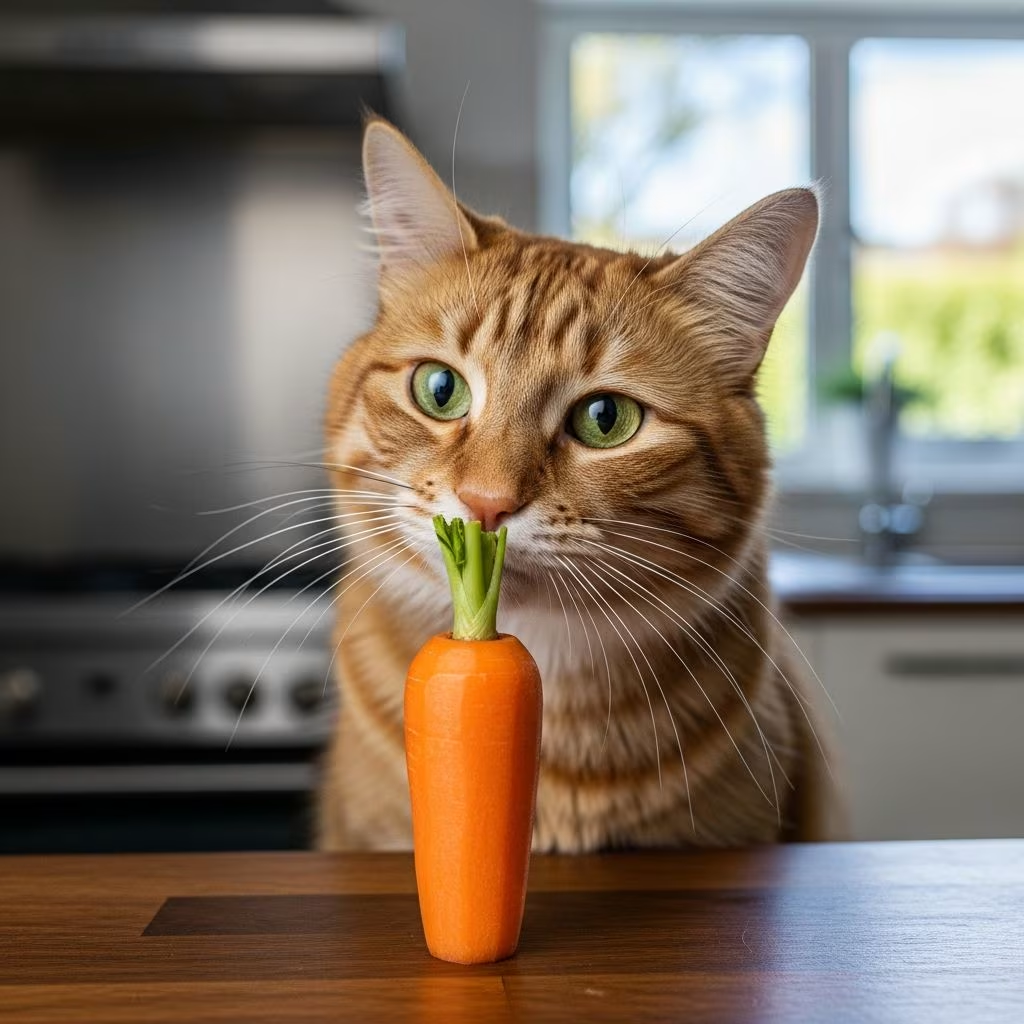
Cats are obligate carnivores, meaning their diet should primarily consist of meat, but carrots can be a safe, occasional treat when prepared correctly. According to multiple veterinary sources, carrots are non-toxic and offer some nutritional perks like fiber and vitamins, though they should never replace a balanced cat food diet.
Are Carrots Safe for Cats?
Yes, carrots are safe for cats to eat in moderation. The ASPCA confirms that the carrot root is not toxic to felines, making it a viable snack option. Veterinary experts note that while cats don’t require vegetables, small amounts of cooked carrots can provide supplementary benefits without harm.
Cats’ digestive systems are optimized for animal proteins, so vegetables like carrots should comprise no more than 10% of their caloric intake to avoid nutritional imbalances. Always introduce new foods gradually and monitor for adverse reactions.
Nutritional Benefits of Carrots for Cats
Carrots offer several nutrients that can support feline health when fed sparingly. Here’s a breakdown:
- Fiber: Both soluble and insoluble fiber in carrots aids digestion, regulates bowel movements, prevents constipation, and promotes healthy gut bacteria. Soluble fiber feeds beneficial gut microbes, while insoluble fiber adds bulk to stool.
- Vitamin A (Beta-Carotene): Carrots are rich in beta-carotene, which converts to vitamin A, supporting immune health, vision, and cellular protection. Cats may not convert it as efficiently as humans, but it still contributes positively.
- Vitamin C: Acts as an antioxidant, neutralizing free radicals and bolstering immunity.
- Other Minerals: Includes potassium, vitamin K, E, manganese, magnesium, phosphorus, zinc, and folate, which aid overall health, bone function, and red blood cell production.
These nutrients make carrots a low-calorie treat useful for weight management, as the fiber promotes satiety without excess calories.
Potential Risks and Dangers of Carrots for Cats
While beneficial, carrots pose risks if not handled properly. Key concerns include:
- Choking Hazard: Raw carrots are hard and dense, posing a serious risk, especially for kittens, seniors, or cats with dental issues. Large pieces can block airways.
- Digestive Upset: Excessive fiber can cause diarrhea, vomiting, gas, or abdominal pain, as cats’ systems aren’t built for high plant matter.
- Nutritional Imbalance: Overfeeding fills cats up, displacing essential meat-based nutrients and leading to deficiencies.
- High Sugar Content: Natural sugars may spike blood sugar, risking obesity, diabetes, or weight gain over time.
- Toxic Additives: Seasoned carrots with salt, butter, garlic, onions, or oils are dangerous, causing stomach upset or anemia.
Hypervitaminosis A from extreme overconsumption is theoretically possible but rare, as most cats won’t eat enough.
Raw vs. Cooked Carrots: Which is Better for Cats?
| Aspect | Raw Carrots | Cooked Carrots |
|---|---|---|
| Safety | High choking risk; hard to chew and digest | Safer; softer texture reduces choking and improves digestibility |
| Digestibility | Poor; may cause GI upset | Excellent; steaming or boiling breaks down fibers |
| Nutrient Retention | High beta-carotene, but less accessible | Slight loss of some vitamins, but overall more bioavailable |
| Recommendation | Avoid or finely grate tiny amounts | Preferred method; plain and mashed |
Cooked carrots—steamed, boiled, or pureed—are the safest choice, making nutrients easier to absorb while minimizing hazards.
How to Safely Feed Carrots to Your Cat
Follow these steps for safe incorporation:
- Prepare Properly: Wash thoroughly, peel if desired, cook until soft (steam/boil without seasonings), and cool completely.
- Portion Control: Start with 1-2 teaspoons for small cats, up to a tablespoon for larger ones, 1-2 times weekly. Limit to 10% of diet.
- Cut Small: Dice or mash into tiny, manageable pieces to prevent choking.
- Plain Only: No salts, spices, butter, or oils—toxic to cats.
- Monitor Reaction: Watch for vomiting, diarrhea, or lethargy; stop and consult a vet if issues arise.
- Alternatives: Mix with green beans or pumpkin for variety in low-cal treats.
Consult your veterinarian before dietary changes, especially for cats with health conditions like diabetes or GI issues.
How Much Carrot Can a Cat Eat?
Moderation is key—treats should not exceed 10% of daily calories. For a 10-lb cat on 200 calories/day, that’s about 20 calories max from carrots (roughly 1-2 tbsp mashed). Overfeeding risks include diarrhea from fiber overload or sugar-related issues like obesity. Adjust based on age, weight, and activity; kittens and seniors need smaller amounts.
Can Kittens Eat Carrots?
Kittens can have tiny amounts of well-cooked, mashed carrots as an occasional treat after weaning, but their developing systems prioritize high-protein milk or kitten food. Avoid raw carrots entirely due to choking risks, and limit to prevent digestive overload. Consult a vet for personalized advice.
Can Carrots Help Cats Lose Weight?
Yes, carrots’ low calories and high fiber promote fullness, aiding weight loss in overweight cats when substituted for higher-calorie treats. Used in vet-supervised plans, they support satiety without nutrient gaps. Pair with exercise and diet adjustment for best results; never as a meal replacement.
Frequently Asked Questions (FAQs)
Can cats eat raw carrots?
No, raw carrots are not recommended due to their hardness, which poses choking hazards and digestion difficulties. Opt for cooked versions instead.
Are baby carrots safe for cats?
Baby carrots are just smaller regular carrots—still risky raw. Cook and portion them like regular carrots for safety.
Can cats eat carrot cake?
No, carrot cake contains sugar, fat, raisins, nuts, or spices toxic to cats. Stick to plain cooked carrots.
Is carrot juice okay for cats?
Avoid carrot juice; it lacks fiber, has concentrated sugars, and may contain additives. Fresh, diluted pulp in tiny amounts is better if any.
Do carrots give cats diarrhea?
Yes, in excess, due to high fiber. Start small and observe.
Conclusion
Carrots can be a healthy, crunchy treat for cats when cooked, plain, and limited. They provide fiber and vitamins supporting digestion and immunity, but risks like choking and imbalances necessitate caution. Prioritize a meat-based diet and vet guidance for your cat’s optimal health.
References
- Can Cats Eat Cooked Carrots? Key Benefits and Risks — Noble Vet Clinic. 2023. https://noblevetclinic.com/blog/can-cats-eat-cooked-carrots
- Can Cats Eat Carrots? | Nutritional Facts and Risks — Feline Fancy. 2023. https://felinefancy.co.uk/blogs/cat-care-tips/can-cats-eat-carrots
- Can Cats Eat Carrots? Here’s Everything You Need to Know — Pawlicy Advisor. 2023. https://www.pawlicy.com/blog/can-cats-eat-carrots/
- Can Cats Eat Carrots? A Guide to Safety — Purina US. 2024-01-14. https://www.purina.com/articles/cat/feeding/can-cats-eat/carrots
- Can Cats Eat Carrots? — Cats.com. 2023. https://cats.com/can-cats-eat-carrots
- Can Cats Eat Carrots? Not the Question You Should Be Asking — HowStuffWorks Animals. 2023. https://animals.howstuffworks.com/pets/can-cats-eat-carrots.htm



