

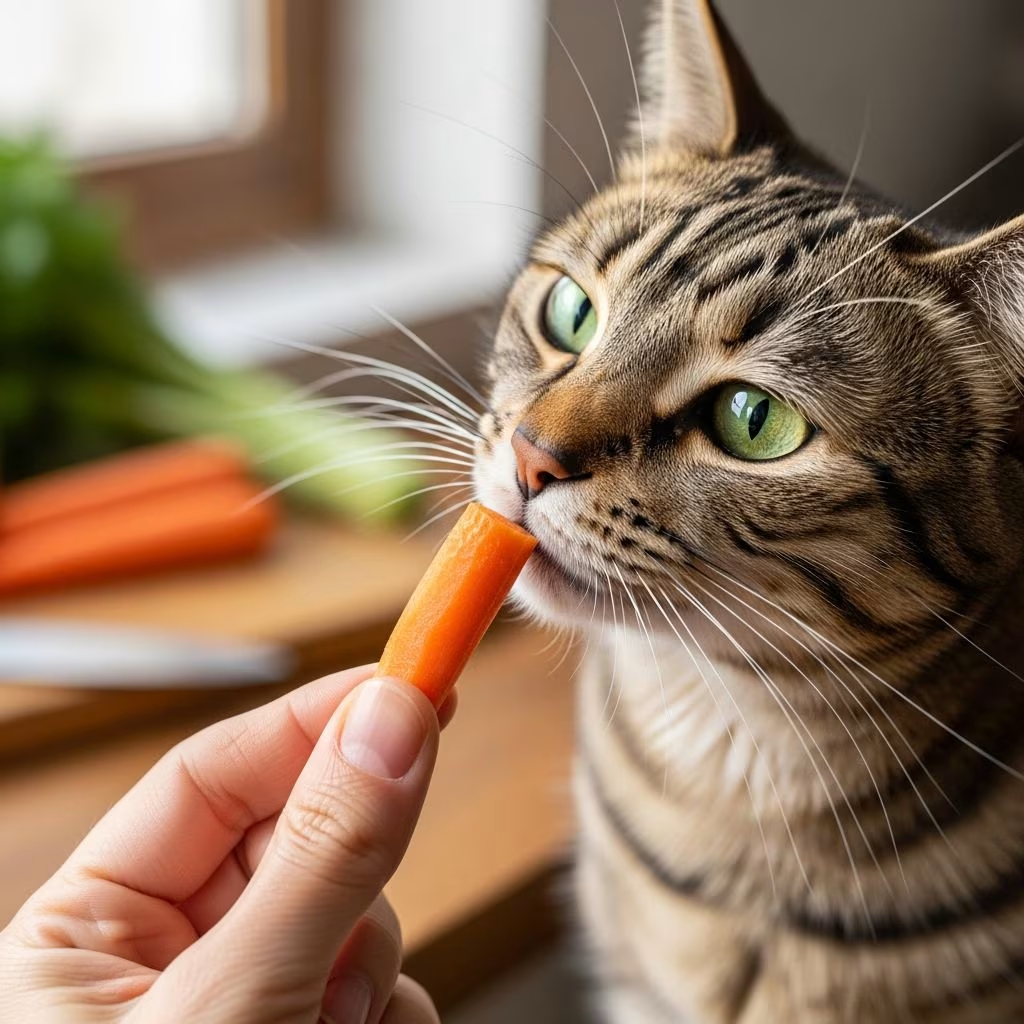
Can Cats Eat Carrots?
Yes, carrots are safe for cats to eat when prepared and served properly. While cats are obligate carnivores designed to thrive on meat-based diets, they can occasionally enjoy carrots as a treat without experiencing toxicity. However, safety and moderation are essential considerations when introducing any vegetable into your cat’s diet.
Understanding Your Cat’s Dietary Needs
Cats are obligate carnivores, meaning their bodies are biologically designed to process and depend on animal protein rather than plant-based foods. Their digestive systems have evolved over thousands of years to extract nutrients efficiently from meat, fish, and poultry. This fundamental dietary requirement means that vegetables like carrots should never replace the primary protein sources that make up your cat’s daily nutrition.
Despite this biological reality, cats can still benefit from certain vegetables in very small quantities as occasional treats. Carrots fall into this category of foods that can be safely shared with feline companions when offered mindfully and in appropriate portions.
Nutritional Benefits of Carrots for Cats
When offered as an occasional treat, carrots do provide several nutritional compounds that can support your cat’s overall health:
- Beta-Carotene and Vitamin A: Carrots contain significant amounts of beta-carotene, which the body can convert into vitamin A. While cats may not process this conversion as efficiently as humans, these compounds still contribute to cellular protection and support immune system function.
- Vitamins and Minerals: Carrots provide vitamin C, an antioxidant that helps neutralize harmful free radicals and supports immune function. They also contain vitamin K, vitamin E, manganese, potassium, magnesium, phosphorus, zinc, and folate.
- Dietary Fiber: Both soluble and insoluble fiber found in carrots can help support healthy digestion in cats. Adequate fiber intake may help regulate bowel movements, prevent constipation, and maintain healthy gut bacteria.
- Low Calorie Content: Carrots are relatively low in calories, making them an appropriate occasional treat for cats that need to maintain a healthy weight.
Risks and Concerns When Feeding Carrots to Cats
While carrots offer some nutritional benefits, several important risks must be considered before adding them to your cat’s diet:
Choking Hazard
Raw carrots present a significant choking risk, particularly for kittens, senior cats, and cats with dental issues. Raw carrots are dense, hard, and can be slippery, especially when cut into large pieces. The texture makes them difficult for cats to chew properly, and an unchewed piece can become lodged in the throat, potentially causing airway blockage. This is the primary reason veterinarians recommend cooking carrots before offering them to feline companions.
Digestive Upset
A cat’s digestive system is not naturally equipped to handle plant-based foods. Feeding excessive carrots can lead to digestive upset, resulting in abdominal pain, vomiting, and diarrhea. Even small amounts may cause gastrointestinal distress in cats with sensitive stomachs or existing digestive conditions.
High Starch and Sugar Content
While carrots are fairly low in calories, they are high in starches and contain natural sugars. Cats do not process carbohydrates efficiently, as their digestive systems are optimized for protein metabolism. Frequent consumption of sugary or starchy foods can cause blood sugar spikes, leading to long-term health complications, particularly for diabetic cats who may require an even lower carbohydrate diet.
Nutritional Imbalance
If cats consume too many carrots, the high fiber content can make them feel overly full, reducing their appetite for their regular cat food. This can prevent them from consuming adequate amounts of essential nutrients they need from their primary diet. Over time, this can lead to nutritional deficiencies and compromise overall health.
Risk of Obesity and Diabetes
Overfeeding carrots or other vegetable treats can contribute to excess caloric intake, leading to obesity and associated health problems. Additionally, the sugar content in carrots may increase the risk of developing diabetes when consumed in large quantities or too frequently.
Harmful Additives and Seasonings
Cats can eat cooked carrots only when they are served plain. Adding seasonings such as salt, butter, onion powder, or garlic can make the food dangerous for cats. Even small amounts of these additives can cause stomach upset and potentially damage red blood cells. Always ensure that any carrots offered to your cat are completely plain and free from additional ingredients.
Raw Versus Cooked Carrots for Cats
Preparation method is critical when feeding carrots to your feline companion. The difference between raw and cooked carrots significantly affects both safety and digestibility:
| Preparation Method | Safety Level | Digestibility | Choking Risk |
|---|---|---|---|
| Raw Carrots | Not Recommended | Difficult to digest | High |
| Steamed Carrots | Safe | Easy to digest | Low |
| Boiled Carrots | Safe | Easy to digest | Low |
Raw Carrots: While some cats may find raw carrots appealing due to their texture, the risks outweigh any potential benefits. Raw carrots are hard, difficult to chew, and present considerable choking hazards. They are also more difficult for cats to digest properly.
Cooked Carrots: Cooking carrots by steaming or boiling softens the fiber and starch, making them significantly easier for cats to chew and digest. Cooked carrots are the safest option when you choose to share this vegetable with your feline friend.
How to Safely Prepare Carrots for Your Cat
If you decide to offer carrots to your cat, following these preparation guidelines ensures maximum safety:
- Cook carrots by steaming or boiling them until they become soft and easily breakable with light pressure
- Never add seasonings, butter, oil, or salt to the carrots
- Allow cooked carrots to cool completely before offering them to your cat
- Chop cooked carrots into small, bite-sized pieces to prevent choking hazards
- Remove any remaining stems or hard portions before serving
- Start with very small portions to assess your cat’s tolerance
- Monitor your cat for signs of digestive upset after eating carrots
- Never offer carrot juice or processed carrot snacks, which often contain added sugars or harmful ingredients
Portion Control and Frequency Guidelines
Moderation is the key principle when feeding carrots to your cat. Since cats are obligate carnivores and derive their primary nutrition from meat, carrots should represent only a very small portion of their daily food intake.
If your cat eats excessive treats, they may not consume enough regular cat food to meet their nutritional needs, potentially leading to deficiencies. Conversely, cats may consume treats in addition to their regular meals, which can push daily caloric intake too high and contribute to obesity. A general guideline is to ensure that treats, including carrots, comprise no more than 10 percent of your cat’s daily caloric intake.
Carrots should be offered only occasionally—perhaps once or twice per week at most—rather than as a daily snack. This approach allows your cat to enjoy the nutritional benefits while maintaining appropriate dietary balance centered on high-quality animal protein.
Signs of Digestive Distress
After introducing carrots to your cat’s diet, observe carefully for any signs of negative reactions. Contact your veterinarian if you notice any of the following symptoms:
- Vomiting or retching
- Diarrhea or soft stools
- Constipation or difficulty defecating
- Abdominal pain or discomfort
- Loss of appetite
- Lethargy or unusual behavior
If digestive upset occurs after your cat eats carrots, discontinue feeding them immediately and consult with your veterinarian to rule out underlying health issues.
Alternative Healthy Treats for Cats
If you’re hesitant about offering carrots or if your cat shows signs of digestive upset, numerous other safe alternatives can provide enrichment and nutritional benefits. Consider discussing safe treat options with your veterinarian, such as small portions of cooked chicken, turkey, or fish, which align better with your cat’s obligate carnivore dietary needs.
Frequently Asked Questions
Q: Are carrots toxic to cats?
A: No, carrots are not toxic to cats. However, they should be served cooked, in small portions, and only occasionally as treats rather than as regular food components.
Q: Can kittens eat carrots?
A: Kittens can technically eat cooked carrots, but raw carrots present an even greater choking hazard for young cats. It’s best to wait until kittens are older and have fully developed their chewing ability before introducing any vegetable treats.
Q: Can diabetic cats eat carrots?
A: Diabetic cats should avoid carrots due to their carbohydrate and sugar content. Cats with diabetes may require strict dietary restrictions to help control blood sugar levels, making carrots an inappropriate choice for this population.
Q: How much carrot can I give my cat?
A: Only offer very small pieces of cooked carrot—typically just a few small bites—and no more than once or twice per week. Treats should comprise no more than 10 percent of your cat’s daily caloric intake.
Q: Can cats drink carrot juice?
A: Carrot juice is not recommended for cats as it often contains added sugars and lacks the fiber present in whole carrots. The concentrated sugars can be harmful to feline health.
Q: What should I do if my cat accidentally eats raw carrot?
A: Monitor your cat closely for signs of choking or digestive upset. If your cat is choking or showing severe distress, seek immediate veterinary attention. For digestive issues, contact your veterinarian if symptoms persist.
Q: Are carrots necessary in my cat’s diet?
A: No, carrots are not a necessary component of your cat’s diet. Cats obtain all required nutrients from high-quality commercial cat food or balanced homemade diets based on animal protein sources.
Key Takeaways
- Carrots are safe for cats when properly prepared and offered in moderation
- Always cook carrots by steaming or boiling until soft before offering them to your cat
- Serve only small, bite-sized pieces to prevent choking hazards
- Offer carrots only occasionally—no more than once or twice per week
- Ensure carrots are completely plain with no seasonings, butter, or additional ingredients
- Carrots should comprise no more than 10 percent of your cat’s daily caloric intake
- Monitor your cat for digestive upset after introducing carrots
- Remember that cats are obligate carnivores and should receive most nutrition from meat-based foods
- Consult with your veterinarian before introducing any new foods, including carrots, to your cat’s diet
Conclusion
Carrots can be a safe and occasionally enjoyable treat for cats when prepared correctly and offered in appropriate portions. While these vegetables provide some nutritional benefits including vitamins, minerals, and fiber, they should never form the foundation of your cat’s diet. Remember that your feline companion is an obligate carnivore whose nutritional needs are best met through high-quality animal protein sources. Always prioritize your cat’s primary diet and consult with your veterinarian before introducing new foods or treats. By following these guidelines and exercising appropriate caution, you can safely share carrots with your cat while maintaining their optimal health and well-being.
References
- Can Cats Eat Cooked Carrots? Key Benefits and Risks — Noble Vet Clinic. 2024. https://noblevetclinic.com/blog/can-cats-eat-cooked-carrots
- Can Cats Eat Carrots? | Nutritional Facts and Risks — Feline Fancy. 2024. https://felinefancy.co.uk/blogs/cat-care-tips/can-cats-eat-carrots
- Can Cats Eat Carrots? Here’s Everything You Need to Know — Pawlicy. 2024. https://www.pawlicy.com/blog/can-cats-eat-carrots/
- Can Cats Eat Carrots? A Guide to Safety — Purina US. 2024. https://www.purina.com/articles/cat/feeding/can-cats-eat/carrots
- Can Cats Eat Carrots? — Kinship. 2024. https://www.kinship.com/cat-nutrition/can-cats-eat-carrots



