

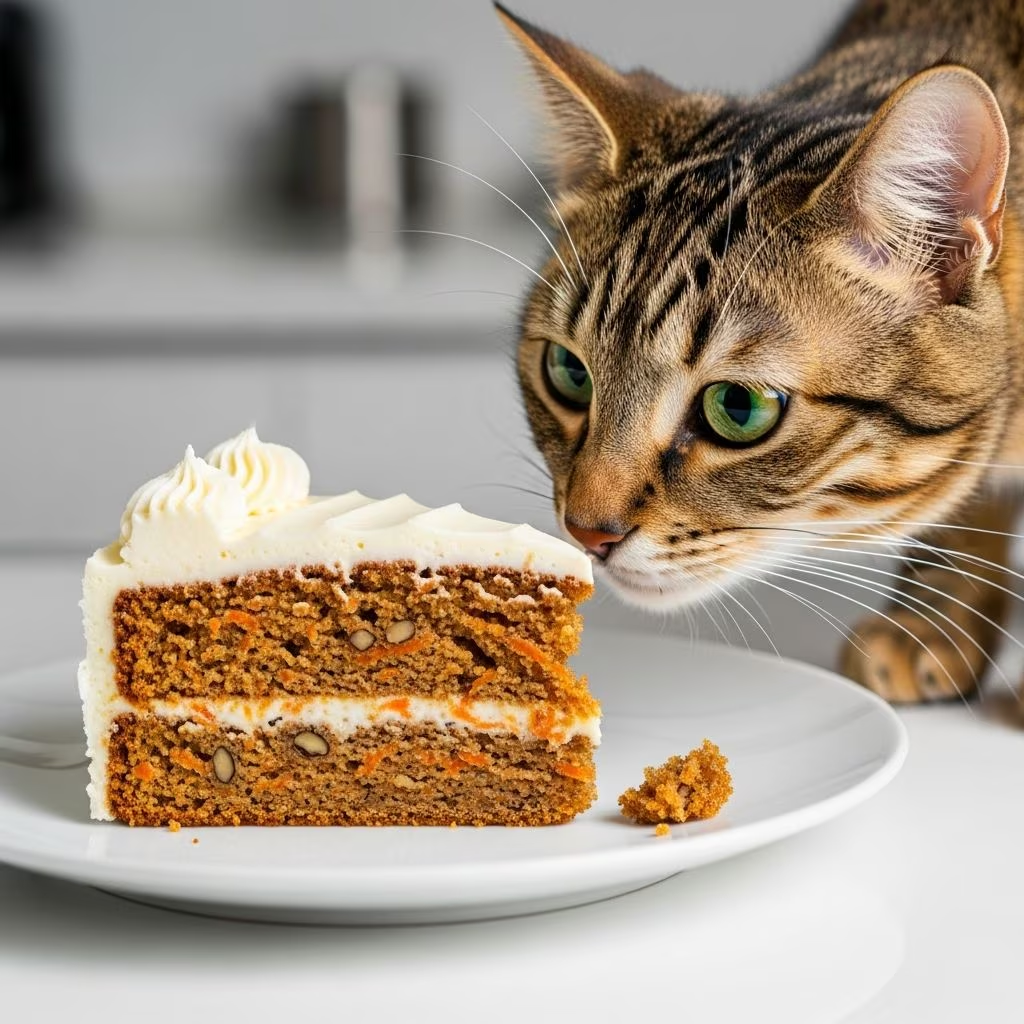
Carrot cake, a beloved human dessert packed with sweetness and spice, poses significant risks for cats due to its ingredients like high sugar, spices, dairy frosting, and potential nuts or raisins. As obligate carnivores, cats thrive on meat-based diets, and even a small bite can lead to digestive upset, obesity, or toxicity. While carrots themselves are safe in moderation, the full cake is not recommended.
The Dangers of Carrot Cake for Cats
Cats cannot safely eat carrot cake because it contains multiple ingredients harmful to their health. High sugar levels can cause immediate digestive issues like diarrhea and vomiting, while long-term risks include obesity, diabetes, and pancreatitis. Spices such as cinnamon and nutmeg irritate the gastrointestinal tract and may lead to toxicity symptoms like hallucinations or rapid heart rate in larger amounts. Dairy-based cream cheese frosting exacerbates problems for lactose-intolerant cats, resulting in stomach upset. Nuts like walnuts or pecans add choking hazards and potential toxicity, and raisins—sometimes hidden in recipes—can trigger acute kidney failure even in tiny quantities.
Obligate carnivores lack the enzymes to process plant-heavy, sugary foods efficiently. Carrot cake offers no nutritional value for cats and disrupts their balanced diet. Veterinary experts unanimously advise against it, emphasizing commercial cat treats or plain meat instead.
Why Carrots Are Safe but Cake Isn’t
Plain carrots are non-toxic for cats and provide fiber, vitamin A, potassium, and low calories, making them suitable occasional treats for weight management. However, they must be prepared correctly: cooked or finely chopped to avoid choking, unseasoned, washed, and peeled. Raw carrots risk blockages, especially for kittens or seniors, while their natural sugars can still cause diarrhea if overfed.
- Cooked carrots: Softer, easier to digest, retain nutrients like beta-carotene.
- Raw carrots: Crunchy appeal but high choking risk; grate or puree finely.
- Portion control: Limit to 10% of daily calories to prevent sugar overload.
In contrast, carrot cake transforms safe carrots into a hazardous mix with butter, flour, eggs (safe in small amounts but fatty here), and sweeteners. This combination turns a potential treat into a health threat.
Harmful Ingredients in Carrot Cake
Breaking down typical carrot cake components reveals why it’s unsafe:
| Ingredient | Risk to Cats | Symptoms |
|---|---|---|
| Sugar/Frosting | Digestive disruption, obesity, diabetes | Diarrhea, vomiting, weight gain |
| Cinnamon/Nutmeg | GI irritation, toxicity (myristicin in nutmeg) | Upset stomach, hallucinations, tachycardia |
| Cream Cheese/Butter | Lactose intolerance, high fat | Diarrhea, pancreatitis |
| Nuts (Walnuts/Pecans) | Choking, toxicity | GI upset, lethargy |
| Raisins (if present) | Kidney failure | Vomiting, kidney damage |
Even without raisins, the fat and calorie density promotes unhealthy weight gain. Artificial sweeteners, if used, compound dangers by potentially causing insulin issues.
Symptoms to Watch If Your Cat Eats Carrot Cake
If your cat sneaks carrot cake, monitor closely for 24-48 hours. Mild cases show transient upset, but severe ingestion warrants immediate vet care.
- Gastrointestinal: Vomiting, diarrhea, excessive salivation, loss of appetite.
- Neurological (from spices): Disorientation, tremors, rapid heartbeat.
- Systemic: Lethargy, abdominal pain, dehydration.
- Raisin-specific: Reduced urine output, weakness—emergency!
Small bites often cause only minor upset, but kittens, seniors, or cats with pre-existing conditions face higher risks. Contact a vet or poison hotline if symptoms persist beyond 12 hours.
What to Do If Your Cat Eats Carrot Cake
Don’t induce vomiting unless instructed by a vet, as some ingredients like fats increase aspiration risk. Provide fresh water, withhold food briefly, and observe. For potential raisins or nuts, seek professional evaluation immediately—bloodwork may check kidney function. Activated charcoal or supportive care like fluids can mitigate effects. Prevention is key: store cakes securely and educate household members.
Safe Alternatives to Carrot Cake for Cats
Opt for feline-specific treats mimicking texture without harm:
- Commercial cat treats: Meat-based, low-calorie options like freeze-dried chicken.
- Plain cooked veggies: Pumpkin or peas for fiber (small amounts).
- DIY treats: Baked plain chicken or fish, pureed carrots mixed with tuna.
- Weight-friendly: Steamed carrot sticks as toppers on kibble.
Always introduce new foods gradually to check tolerance. Consult your vet for personalized advice, especially for diabetic or overweight cats.
Understanding Cat Nutrition Basics
Cats require taurine-rich meat proteins, not carbs or sweets. Human desserts disrupt pH balance, leading to urinary issues or dental problems. AAFCO-approved foods ensure completeness; treats should never exceed 10% of intake. Regular vet checkups catch nutrition gaps early.
In holidays or parties, distract cats with toys during baking. Educate kids: no table scraps. Long-term, obesity from treats shortens lifespan—prioritize health over indulgence.
Frequently Asked Questions (FAQs)
Q: Can cats safely eat carrots?
Yes, small amounts of plain, cooked, finely chopped carrots are safe and offer fiber and vitamins, but limit to avoid sugar-related diarrhea.
Q: Is cream cheese toxic to cats?
Not toxic, but lactose causes diarrhea in most adult cats; avoid large amounts to prevent GI upset.
Q: What spices in carrot cake are harmful to cats?
Cinnamon irritates the stomach; nutmeg’s myristicin can cause vomiting, incoordination, and seizures in high doses.
Q: Can cats eat nuts like walnuts or pecans?
No, they pose choking risks and potential toxicity; cause vomiting and pancreatitis.
Q: Is a tiny lick of frosting okay?
Likely harmless but monitor for upset; repeated exposure risks obesity and dental issues.
Q: What if my cat ate raisin carrot cake?
Rush to vet—raisins cause kidney failure; even small amounts are dangerous.
References
- Pet Poison Helpline: Nutmeg Toxicity in Cats — Pet Poison Helpline. 2024-05-15. https://www.petpoisonhelpline.com/poison/nutmeg/
- ASPCA: Raisin and Grape Toxicity — ASPCA Animal Poison Control. 2025-01-10. https://www.aspca.org/pet-care/animal-poison-control/toxic-and-non-toxic-plants/grapes
- Merck Veterinary Manual: Feline Nutrition — Merck & Co. 2024-11-20. https://www.merckvetmanual.com/cat-owners/disorders-and-diseases-of-cats/nutritional-disorders-of-cats
- AVMA: Obesity in Cats — American Veterinary Medical Association. 2025-03-05. https://www.avma.org/resources-tools/pet-owners/petcare/obesity-cats
- WSAVA Nutrition Guidelines — World Small Animal Veterinary Association. 2024-09-12. https://wsava.org/global-guidelines/global-nutrition-guidelines/



