

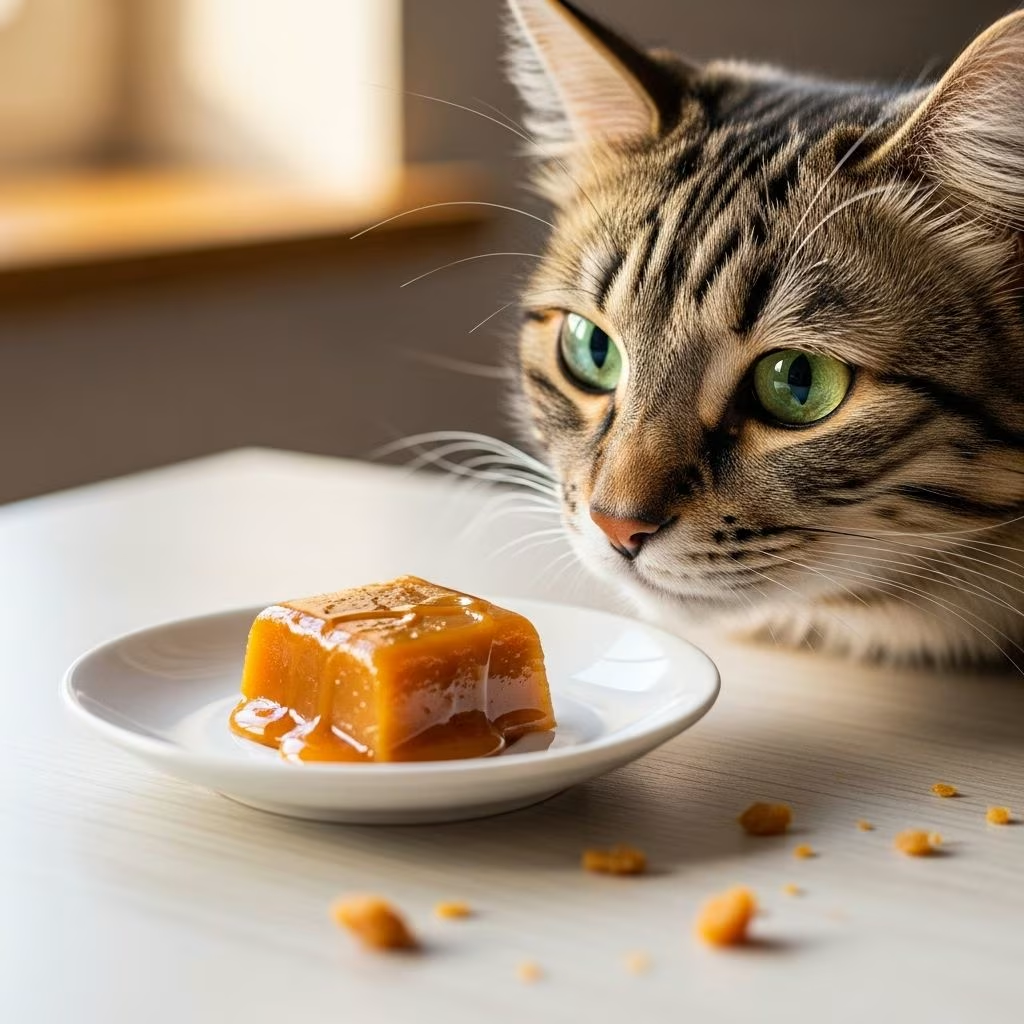
Caramel might tempt your cat’s curiosity, but **cats cannot safely eat caramel**. While non-toxic in small amounts, its high sugar, dairy content, and sticky texture pose significant health risks like digestive upset, obesity, and choking. Cats lack sweet taste receptors, making it unappealing and unnecessary for them.
Caramel is Non-Toxic to Cats
Plain caramel does not contain immediate poisons like chocolate or xylitol, so a tiny lick won’t cause acute toxicity. However, it’s far from beneficial. Cats are obligate carnivores requiring meat-based proteins, not sugars or dairy that disrupt their digestion. Avoid sharing human sweets to prevent long-term issues.
Caramel’s core ingredients—sugar, butter, cream—clash with feline biology. Many cats are lactose intolerant, leading to immediate discomfort. Even without dairy, excessive sugar ferments in the gut, causing imbalance.
Health Risks Associated with Caramel
Feeding caramel introduces multiple dangers beyond a one-off treat. **Key risks include**:
- Obesity and Diabetes: Cats can’t metabolize sugar efficiently, leading to weight gain, insulin resistance, and type 2 diabetes. Over time, this shortens lifespan and causes arthritis, cancer susceptibility, and urinary problems.
- Digestive Upset: Sugar overload disrupts the intestinal microbiome, resulting in diarrhea, bloating, gas, and vomiting. Dairy exacerbates this with lactose intolerance symptoms.
- Choking and Dental Issues: Sticky caramel clings to teeth, promoting plaque and decay. Larger pieces pose choking hazards or intestinal blockages.
- Pancreatitis: High-fat butter/cream can inflame the pancreas, causing severe pain, lethargy, and requiring vet intervention.
- Toxic Additives: Flavored caramels may include chocolate (theobromine toxicity), xylitol (hypoglycemia, liver failure), or nuts (blockages).
These risks compound with regular exposure, undermining your cat’s health. A single incident might seem minor, but habits form quickly around counter-surfing.
Intestinal Issues
Large caramel pieces ferment undigested sugars, altering gut bacteria. This leads to soft stools, frequent defecation, abdominal pain, and dehydration from diarrhea. Kittens and seniors suffer most due to immature or weakened systems.
Cats’ Taste Buds
Unlike humans, cats have no functional sweet taste receptors (Tas1r2 gene mutation). They detect proteins and fats via umami and scent, explaining disinterest in desserts. Offering caramel wastes calories without pleasure, risking health for no reward.
Other Ingredients
Commercial caramels often hide dangers:
| Ingredient | Risk to Cats | Symptoms |
|---|---|---|
| Chocolate | Highly toxic (theobromine) | Vomiting, tremors, seizures, heart issues |
| Xylitol | Extremely toxic sweetener | Hypoglycemia, collapse, liver failure |
| Nuts/Raisins | Blockages, kidney toxicity | Constipation, acute failure |
| Artificial Flavors | Allergies, GI irritation | Itching, diarrhea |
Always check labels; even ‘plain’ caramel may contain traces.
Symptoms of Caramel Ingestion in Cats
Monitor closely post-exposure. **Mild symptoms** appear within hours:
- Vomiting (undigested caramel or bile)
- Diarrhea (loose, foul-smelling stools)
- Excessive drooling or pawing at mouth (stickiness)
- Lethargy, reduced appetite
- Bloating or gas
**Severe signs** (rare but urgent):
- Tremors, rapid breathing (if additives present)
- Weakness, collapse
- Seizures (chocolate/xylitol)
- Blue gums (blockage/shock)
If symptoms persist >24 hours or worsen, seek vet care immediately.
What to Do If Your Cat Eats Caramel
Stay calm but act fast:
- Remove Access: Confiscate all caramel/sweets.
- Assess Amount: Note quantity and ingredients.
- Monitor: Watch for 24-48 hours; offer water, withhold food 12 hours if mild GI upset.
- Call Vet/Poison Control: For >1 tsp, additives, or symptoms. Induce vomiting only on vet advice.
- Supportive Care: Bland diet (boiled chicken/rice) post-recovery.
Never use human meds like Pepto-Bismol (toxic to cats).
Safe Alternatives to Caramel for Cats
Skip sweets; choose **cat-specific treats**:
- Commercial treats (freeze-dried meat, <5 kcal each)
- Plain cooked meats (chicken, turkey, no seasoning)
- Catnip or silvervine toys for ‘treat-like’ fun
- Dental chews for oral health
- Small portions of cat-safe veggies (pumpkin for digestion)
Limit treats to 10% daily calories. Consult vet for weight/diabetes-prone cats.
Preventing Cats from Eating Human Foods
Proactive steps safeguard your home:
- Store Securely: Countertops clear, sweets in high cabinets or locked tins.
- Train ‘Leave It’: Positive reinforcement deters begging.
- Educate Household: No table scraps; guests informed.
- Enrich Environment: Puzzle feeders reduce boredom-snacking.
- Regular Vet Checkups: Early detection of diet-related issues.
Cats explore by mouth; prevention beats cure.
Frequently Asked Questions (FAQs)
Can cats eat caramel safely?
No, while non-toxic, caramel causes digestive issues, obesity risks, and choking due to sugar and texture.
What happens if a cat eats caramel?
Expect vomiting, diarrhea, lethargy; severe cases involve tremors if additives present. Monitor and vet if needed.
Is a little bit of caramel okay for cats?
Even small amounts risk GI upset and contribute to weight gain. Better safe with cat treats.
Why don’t cats like sweet foods like caramel?
Cats lack sweet taste buds, evolved for carnivorous diets focused on proteins.
What treats can cats eat instead of caramel?
Meat-based treats, plain cooked fish/chicken, or vet-approved chews. Avoid all human sweets.
Final Thoughts
**Caramel offers zero benefits for cats** and invites unnecessary risks. Prioritize species-appropriate nutrition for a long, healthy life. If ingestion occurs, prompt action minimizes harm. Stock cat-safe goodies and secure temptations—your feline will thrive without sugary indulgences.
References
- Can Cats Eat Caramel? Safety & Risks Explained — Zoorithm. 2023. https://www.zoorithm.com/cats/can-cat-eat-caramel
- Can Cats Eat Caramel? Vet-Reviewed Facts & FAQ — Catster Veterinary Review. 2024-01-15. https://www.catster.com/cat-health-care/can-cats-eat-caramel/
- Can Cats Eat Twix Caramel? Caramel and Chocolate Risks — DialAVet. 2023-10-20. https://www.dialavet.com/blog/can-cats-eat-twix-caramel
- Warning: These Halloween Candies Can Be Toxic to Dogs and Cats — Cumming Vet Clinic. 2023-10-25. https://www.cummingvetclinic.com/services/cats/blog/warning-these-halloween-candies-can-be-toxic-dogs-and-cats



