

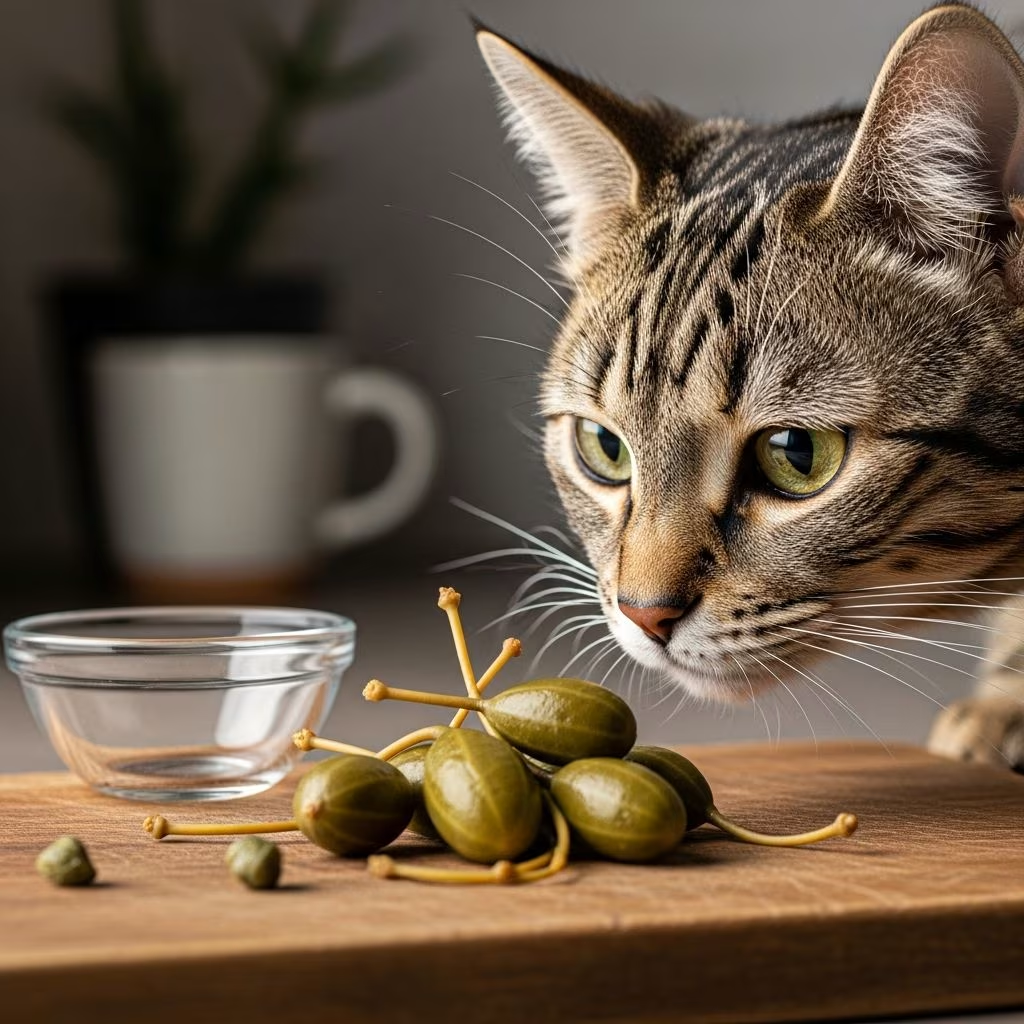
No, capers are not a healthy or recommended food for cats. While capers themselves are not toxic or poisonous to cats like lilies or tulips, they pose significant risks primarily due to their high salt content, which can lead to salt poisoning, digestive upset, kidney strain, and urinary tract issues if consumed in even moderate amounts.
Cats are obligate carnivores with specific nutritional needs, and human foods like capers—often pickled in brine or salt—do not align with their dietary requirements. A small nibble (1-3 capers) is unlikely to cause harm in most cases, but larger quantities or the brine can be dangerous. The pungent, savory aroma of capers may attract curious cats to your kitchen, increasing the chance of accidental ingestion. Always store capers out of reach and discourage tasting.
What Are Capers?
Capers are the unripened flower buds of the Capparis spinosa plant, native to the Mediterranean region. They are typically harvested young, pickled in brine (a saltwater solution), vinegar, or salt-cured to enhance their tangy, briny flavor. This preservation process makes them a popular ingredient in dishes like pasta salads, fish entrees, sauces, and Mediterranean cuisine.
Fresh capers have a slightly bitter, astringent taste, but pickling mellows them into a burst of salty, lemony pungency. Nutritionally, capers offer antioxidants like rutin (with anti-inflammatory properties in animal studies), fiber, and minimal calories for humans—about 2 calories, 2g protein, 4g carbs, and 3g fiber per serving—but their sodium content is alarmingly high at around 238mg per tablespoon (9% of human daily value). For cats, whose daily sodium needs are just 40mg, this is excessive.
Are Capers Safe for Cats?
Capers are not toxic but are unsafe for regular or large consumption. The primary concern is sodium: even half a teaspoon of salt can poison a cat, causing hypernatremia (elevated blood sodium levels). Brine-packed capers exacerbate this, as the liquid is even saltier.
- Small amounts (1-4 capers): Generally harmless; monitor for mild upset like soft stools.
- Moderate to large amounts or brine: Risks salt poisoning, dehydration, gastrointestinal distress, tremors, seizures, or coma.
- Oil-packed capers: Slightly better if low-sodium olive oil, but still not ideal due to potential digestive irritation.
Vets from sources like Dial A Vet confirm that a small nibble rarely causes serious issues, but vigilance is key. Cats’ smaller body size amplifies risks compared to humans.
Dangers of Capers for Cats
Beyond salt, capers may contain vinegar or spices that irritate a cat’s sensitive stomach. High sodium disrupts electrolyte balance, straining kidneys and the urinary tract—critical for cats prone to urinary crystals.
| Risk Factor | Impact on Cats | Source |
|---|---|---|
| High Sodium (238mg/tbsp) | Salt poisoning: vomiting, diarrhea, lethargy, excessive thirst/urination, tremors, kidney damage | |
| Brine/Vinegar | Gastrointestinal upset, dehydration | |
| Flower Bud Compounds | Mild bitterness may cause refusal or minor nausea |
Salt toxicity symptoms can appear within hours: neurological signs like confusion or seizures indicate emergencies. Long-term, repeated exposure stresses kidneys, per ASPCA guidelines on avoiding salty human foods.
Signs of Salt Poisoning in Cats
If your cat consumes capers, watch for these symptoms escalating from mild to severe:
- Vomiting or dry heaving
- Diarrhea
- Lethargy or weakness
- Excessive thirst and urination (polydipsia/polyuria)
- Decreased appetite
- Confusion, dizziness, or ‘drunk’ walking
- Tremors or seizures
- Coma (in extreme cases)
Mild signs may resolve with water and rest, but any persistence warrants immediate vet care.
What to Do If Your Cat Eats Capers
- Assess amount: 1-3 capers? Monitor closely for 24-48 hours.
- Encourage hydration: Offer fresh water; avoid forcing.
- Watch symptoms: Note onset and severity.
- Seek vet help: For large amounts, brine ingestion, or symptoms like vomiting/lethargy. Vets may administer IV fluids to flush sodium. Do not induce vomiting at home.
- Prevent future access: Store securely; clean counters.
Call a vet hotline like ASPCA Poison Control if unsure. Early intervention prevents complications.
Alternatives: Safe & Healthy Treats for Cats
Skip capers; opt for cat-appropriate options meeting their carnivorous needs.
Protein Sources
Cats require high-quality animal protein and taurine. Safe choices:
- Cooked chicken, turkey, beef, or fish (boneless, unseasoned)
- Commercial cat treats or food
Whole Grains
Digestible grains in moderation via cat food:
- Rice, wheat, corn, barley, couscous, millet
Eggs
Cooked eggs provide protein; avoid raw due to avidin and bacteria risks.
Human foods to avoid:
- Chocolate: Theobromine causes heart issues, vomiting (even 2g toxic).
- Candy: Choking hazard, sugar upset.
- Others per ASPCA: grapes, onions, xylitol.
Cat Nutrition Basics
A balanced diet supports health: 50-60% protein, fats, minimal carbs. Commercial cat food meets AAFCO standards; supplements only under vet guidance. Always provide fresh water, especially post-salty mishaps.
Fresh capers offer rutin antioxidants, but pickling negates benefits for pets. Prioritize vet-formulated kibble/wet food.
Frequently Asked Questions (FAQs)
Q: Can cats eat a few capers?
A: Yes, 1-4 capers are unlikely to harm but not recommended due to salt. Monitor for upset.
Q: What if my cat drinks caper brine?
A: High risk of salt poisoning; contact vet immediately.
Q: Are oil-packed capers safer?
A: Marginally, if low-sodium, but still avoid.
Q: How much salt is toxic to cats?
A: About 0.5 tsp; symptoms vary by size/health.
Q: My cat ate capers and seems fine—should I worry?
A: Observe 24-48 hours; vet if any symptoms appear.
Wrapping Things Up
Capers tempt with aroma but endanger via salt. Small tastes may pass harmlessly, but excess spells trouble—vomiting, lethargy, organ strain. Stick to cat-safe proteins like cooked meats/eggs. Keep human foods inaccessible, ensure water access, and consult vets for incidents. Your cat’s health thrives on species-appropriate nutrition, not culinary curiosities.
References
- Can Cats Eat Capers? Vet-Reviewed Facts & FAQ — Catster. 2023. https://www.catster.com/nutrition/can-cats-eat-capers/
- Can Cats Eat Capers? What You Need to Know — Hepper. 2023. https://articles.hepper.com/can-cats-eat-capers/
- Are capers safe for cats to eat, or should I be worried if… — Dial A Vet. 2023. https://www.dialavet.com/vet-answers/cat-ate-capers-19909
- Are Capers Good for Pets? — Bark & Whiskers. 2023-03-22. https://www.barkandwhiskers.com/2023-03-22-can-you-feed-capers-to-your-pet/
- People Foods to Avoid Feeding Your Pets — ASPCA. 2023. https://www.aspca.org/pet-care/aspca-poison-control/people-foods-avoid-feeding-your-pets



