

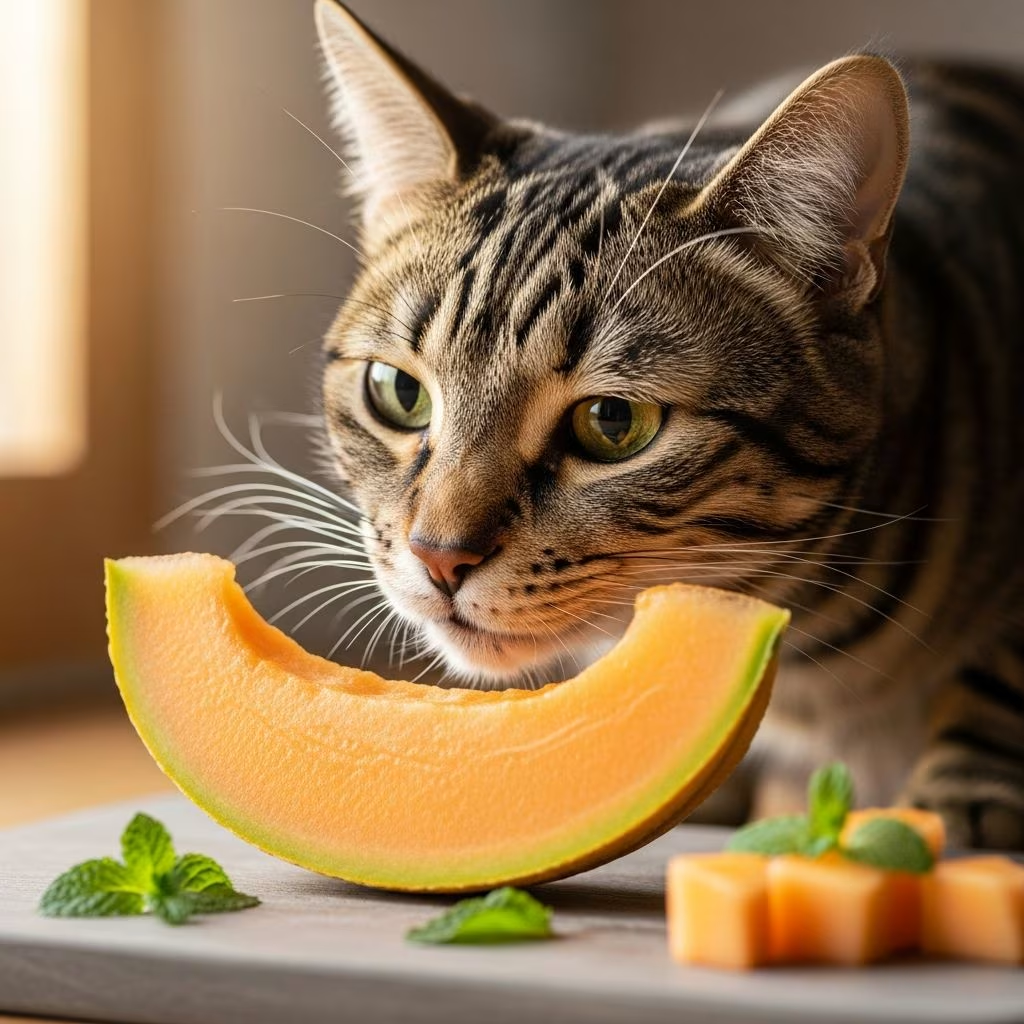
Can Cats Eat Cantaloupe? Vet-Approved Nutrition Facts & Advice
Yes, cats can eat cantaloupe in strict moderation and only occasionally, but only when served without the rind and seeds. While cantaloupe is non-toxic to cats, it provides little to no nutritional benefit for your feline companion. It’s essential to consult with your veterinarian before introducing any new foods, especially for cats with underlying health conditions such as diabetes, obesity, digestive disorders, or pancreatitis, or those taking long-term medications.
Is Cantaloupe Safe to Feed to Cats?
The good news for cat owners is that cantaloupe is completely non-toxic to felines. According to the American Society for the Prevention of Cruelty to Animals (ASPCA), true cantaloupe (scientific name Cucumis melo) poses no inherent toxicity risks to cats. This means you can safely offer a small amount to your cat occasionally, provided you follow proper preparation guidelines and receive approval from your veterinarian.
However, understanding your cat’s unique digestive system is crucial before offering any cantaloupe. Cats are obligate carnivores, meaning their bodies are evolutionarily designed to thrive exclusively on meat-based diets. Their digestive tracts are optimized for processing animal proteins and fats, not plant materials. This fundamental difference means that while cantaloupe isn’t toxic, it’s still difficult for cats to digest properly.
Digestive Considerations for Cats
Your cat’s digestive system differs significantly from that of humans. Cats have minimal fiber and carbohydrate requirements compared to people, and their stomachs struggle to break down plant-based foods efficiently. When cats consume excessive amounts of cantaloupe, they may experience digestive upset, including soft stools, vomiting, or other gastrointestinal issues.
The high fiber content in cantaloupe, combined with its natural sugars, can be particularly problematic for cats. Their bodies lack the necessary enzymes to properly process these compounds in large quantities, potentially leading to gut irritation and discomfort.
Preparation and Safety Guidelines
If your veterinarian gives you the green light to offer cantaloupe to your cat, proper preparation is absolutely essential. The rind and seeds must be removed entirely before serving any cantaloupe to your feline friend.
Why Remove the Rind?
The cantaloupe rind should never be fed to cats for several important reasons:
- The rind may have been treated with pesticides during cultivation and processing
- It’s extremely hard and difficult for cats to chew
- Cats cannot digest the rind properly, leading to potential digestive upset
- It poses a serious choking hazard, particularly for enthusiastic eaters
- If a piece of rind is swallowed, it may cause intestinal blockages requiring emergency veterinary care
Why Remove the Seeds?
Cantaloupe seeds also present multiple risks to your feline companion:
- Seeds can be a significant choking hazard, especially if your cat doesn’t chew them properly
- Swallowing multiple seeds may cause stomach upset or gastrointestinal distress
- There is a risk of intestinal blockages if too many seeds are ingested
- The hard texture makes them difficult for cats to digest safely
Proper Serving Size and Frequency
Moderation is the key principle when offering cantaloupe to your cat. The recommended serving guidelines are quite conservative to ensure your pet’s safety and comfort.
Initial Introduction
When first offering cantaloupe to your cat, start with a very small amount:
- Cut cantaloupe into chunks roughly the same size as your cat’s kibble
- Offer only 2-3 kibble-sized pieces
- Monitor your cat carefully for 24 hours after consumption
- Watch for signs of digestive upset, including vomiting, diarrhea, or soft stools
Regular Serving Schedule
If your cat tolerates the initial small portion well and shows no adverse reactions, you can gradually incorporate cantaloupe into their diet:
- Maximum frequency: once per week
- Serving size: small amount, approximately 2-3 kibble-sized chunks
- Always cut into appropriately small pieces to minimize choking risk
- Never feed cantaloupe more than once weekly due to fiber and sugar content
- Consider it an occasional treat, not a regular dietary component
Is There a Health Benefit to Feeding a Cat Cantaloupe?
While humans benefit significantly from cantaloupe’s nutritional profile, the situation is quite different for cats. Cantaloupe contains various vitamins and minerals that are essential for human health, including magnesium, vitamin A, iron, potassium, and vitamin C. However, cats have fundamentally different nutritional requirements than people.
Vitamin A and Beta-Carotene
One of cantaloupe’s most notable nutrients is beta-carotene, which humans convert into vitamin A. While cats do require vitamin A for proper body function, they cannot convert beta-carotene into usable vitamin A. Instead, cats obtain vitamin A in its pre-formed state from animal organs, particularly liver, or from complete and balanced commercial cat foods formulated with their specific nutritional needs in mind. Therefore, even though cantaloupe is rich in beta-carotene, your cat cannot benefit from this nutrient in the way humans do.
Vitamin C
Vitamin C is an essential nutrient for humans because our bodies cannot synthesize it; we must obtain it from dietary sources. Cantaloupe is notably high in vitamin C, making it excellent for human health. However, cats’ bodies naturally produce all the vitamin C they need endogenously. Healthy cats derive no health benefit from consuming dietary vitamin C, meaning the high vitamin C content in cantaloupe offers no advantage to your feline companion.
Overall Nutritional Value for Cats
The fundamental truth is that cantaloupe offers little to no real nutritional benefit for cats, despite being safe when properly prepared and served in moderation. The vitamins and minerals abundant in cantaloupe have minimal to no positive effect on feline health. Cats receive all necessary nutrients through a high-quality, meat-based diet specifically formulated for their obligate carnivore status. If you want to support your cat’s health and nutrition, focus on providing complete and balanced commercial cat foods or consult your veterinarian about appropriate dietary supplements and treats.
Why Are Cats Attracted to Cantaloupe?
If you’ve noticed your cat showing unusual interest in cantaloupe, you might wonder why this carnivore seems fascinated by a fruit. The answer lies in an interesting phenomenon involving volatile organic compounds.
The Smell Factor
Cantaloupe contains volatile compounds that vaporize readily, creating an aroma that cats find intriguing. Interestingly, some of these aromatic volatiles produce scents similar to proteins found in meat. This natural trickery explains why cats, being obligate carnivores with no biological need for fruits, would ever show interest in cantaloupe in the first place.
The Hydration Benefit
Beyond the appealing aroma, cantaloupe offers another potential advantage for certain cats. The fruit contains over 90% water content, making it an excellent option for cats that don’t drink enough water or show signs of dehydration. Some cats, particularly those prone to urinary tract issues or those eating primarily dry kibble, benefit from additional moisture in their diet. Offering small amounts of cantaloupe can help increase your cat’s overall fluid intake.
The soft texture of cantaloupe also makes it easy for cats to chew, and unlike more acidic fruits, it’s gentler on feline stomachs. Additionally, cantaloupe is low in calories, so offering small portions won’t significantly impact your cat’s daily caloric intake.
Cats to Avoid Giving Cantaloupe
While cantaloupe is generally safe for healthy cats when properly prepared, certain feline health conditions warrant avoiding this fruit entirely. Before offering any cantaloupe to your cat, discuss it with your veterinarian if your pet has any of the following conditions:
- Diabetes: The natural sugars in cantaloupe can negatively affect blood sugar levels
- Gastrointestinal disorders: The fiber content may exacerbate existing digestive issues
- Pancreatitis: High sugar fruits should be avoided for cats with pancreatic conditions
- Obesity: While low in calories, cantaloupe shouldn’t replace proper weight management strategies
- Medications: Some medications may interact poorly with fruit consumption; always verify with your vet
Key Takeaways for Cat Owners
If you’ve decided that offering cantaloupe to your cat is appropriate, remember these essential guidelines:
- Always remove the rind and all seeds before offering cantaloupe to your cat
- Cut cantaloupe into small chunks approximately the size of your cat’s kibble
- Start with just 2-3 small pieces and monitor for 24 hours
- If well tolerated, limit serving to no more than once weekly
- Watch for signs of digestive upset including vomiting, diarrhea, or soft stools
- Never combine cantaloupe with other fruits in the same week
- Consult your veterinarian before introducing cantaloupe, especially for cats with health conditions
- Remember that cantaloupe provides minimal nutritional benefit despite being safe
Frequently Asked Questions (FAQs)
Q: Is cantaloupe toxic to cats?
A: No, cantaloupe is not toxic to cats according to the ASPCA. However, it should only be offered in strict moderation and properly prepared without rind or seeds. Always consult your veterinarian first.
Q: How much cantaloupe can I give my cat?
A: Limit cantaloupe to 2-3 kibble-sized pieces, no more than once per week. Start with just 2-3 pieces on the first try and monitor for any digestive upset over the next 24 hours.
Q: Why does my cat like cantaloupe if cats are carnivores?
A: Cantaloupe contains volatile organic compounds that produce aromas similar to proteins found in meat. This natural scent attracts cats despite their obligate carnivore status. It’s essentially nature “tricking” cats into eating fruit.
Q: Can cantaloupe help with my cat’s hydration?
A: Yes, cantaloupe’s high water content (over 90%) can help increase fluid intake for cats that don’t drink enough water. However, it should never replace fresh water or be used as the primary hydration method.
Q: What should I do if my cat eats the rind or seeds?
A: Small amounts of rind or a few seeds may cause mild digestive upset. Monitor your cat closely for vomiting, diarrhea, or signs of choking. Contact your veterinarian immediately if your cat shows signs of intestinal blockage or severe distress.
Q: Can diabetic cats eat cantaloupe?
A: No, cats with diabetes should not be given cantaloupe due to its natural sugar content. Consult your veterinarian for appropriate treat options for diabetic cats.
References
- Can Cats Eat Cantaloupe? Vet-Approved Nutrition Facts & Advice — Catster. 2024. https://www.catster.com/nutrition/can-cats-eat-cantaloupe/
- 4 Fruits You Can Feed Your Cat in Moderation — Lolahemp. 2024. https://lolahemp.com/blogs/cat-health/which-fruits-are-safe-for-cats
- Cats and Cantaloupe: A Method to their Madness — Hare Today. 2024. https://hare-today.com/feline-nutrition/the-blogs/cats-and-cantaloupe-a-method-in-their-madness
- Can Cats Eat Fruit? A Guide to Safety — Purina US. 2024. https://www.purina.com/articles/cat/feeding/can-cats-eat/fruits
- American Society for the Prevention of Cruelty to Animals (ASPCA) Toxic and Non-Toxic Plants — ASPCA. https://www.aspca.org/pet-care/animal-poison-control



