

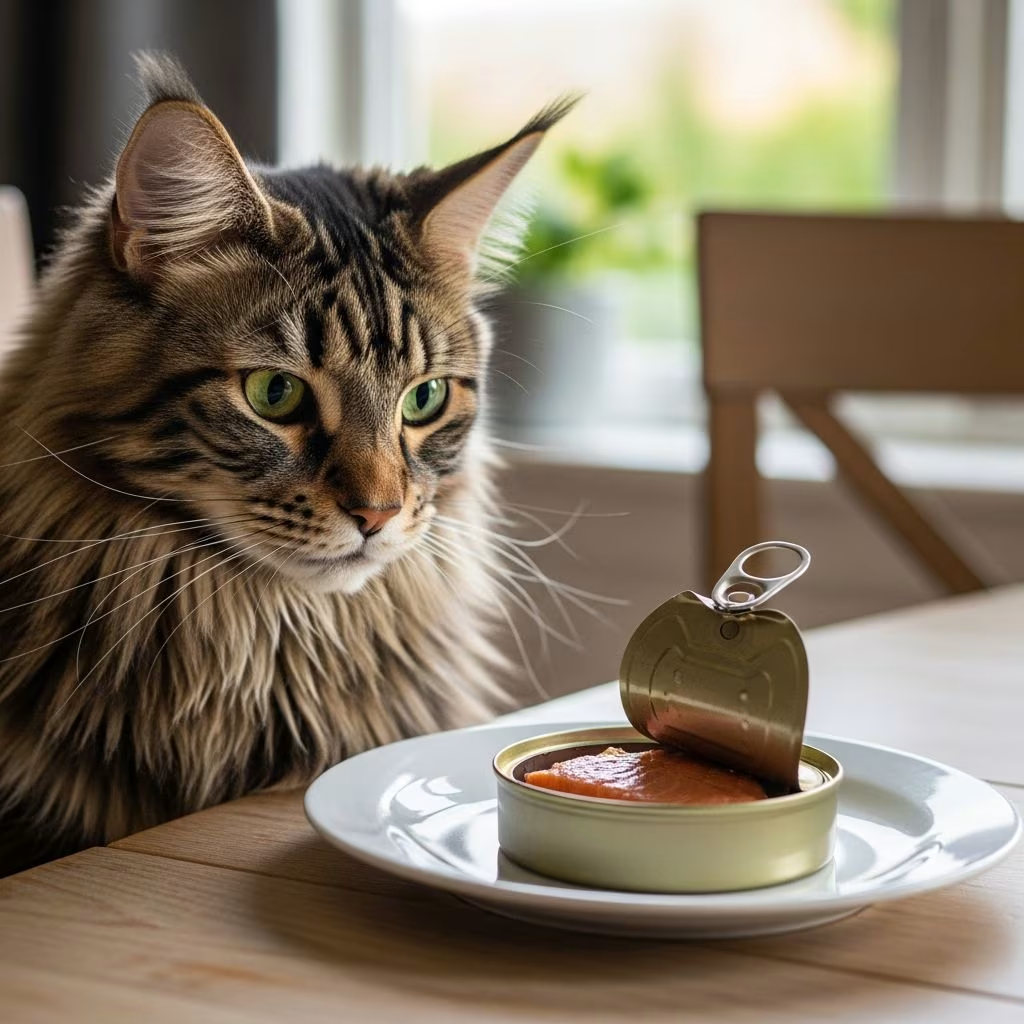
Cats often beg for fishy treats, and canned salmon seems like a convenient option packed with flavor. But is it safe? While salmon itself offers nutritional perks like high-quality protein and omega-3 fatty acids, canned versions pose risks due to added sodium, preservatives, and other human-oriented ingredients that can harm felines.
In this comprehensive guide, we’ll explore the safety of canned salmon for cats, its potential health benefits, hidden dangers, and safer alternatives. Always consult your veterinarian before introducing new foods, especially for cats with health conditions.
Is Canned Salmon Safe for Cats?
Salmon is a nutrient-dense fish that’s generally safe and beneficial for cats when prepared properly. However, canned salmon is formulated for humans, often containing high levels of salt, oils, and preservatives that cats cannot process well. In small amounts, it might not cause immediate harm, but regular or excessive consumption can lead to serious issues like sodium toxicity, dehydration, and digestive upset.
Sodium levels in canned salmon can exceed what a cat’s kidneys can handle. Cats have delicate renal systems, and too much salt may cause vomiting, diarrhea, lethargy, or even seizures in severe cases. Preservatives like sodium nitrite can also irritate the gastrointestinal tract. Veterinary experts emphasize that while a tiny bite as an occasional treat won’t likely kill your cat, it’s far from ideal.
- Key risks of canned salmon:
- High sodium content leading to salt poisoning.
- Added oils or brines that promote obesity and pancreatitis.
- Potential allergens or spices unsafe for cats.
- Bones in some varieties, posing choking hazards.
Never make canned salmon a staple. Cats require a balanced diet with taurine and other essentials not sufficiently provided by fish alone, risking malnutrition over time.
Can Canned Salmon Be Healthy for Cats?
Despite the caveats, salmon boasts impressive nutrition that can benefit cats in moderation. High-quality protein supports muscle maintenance, essential since cats are obligate carnivores thriving on animal-based proteins over carbs. A 3-ounce serving of salmon provides about 22 grams of protein, aiding growth in kittens and vitality in seniors.
Salmon is renowned for its **omega-3 fatty acids** (EPA and DHA), which offer anti-inflammatory effects. These support:
- Healthy skin and glossy coat by reducing itchiness and flakiness.
- Joint health, easing arthritis pain in older cats.
- Brain function and cognitive sharpness.
- Eye health, potentially preventing vision decline.
- Immune boosting and heart protection.
Vitamins like B12 aid nerve function, while vitamin D promotes bone health. However, these benefits are diminished in canned salmon due to processing and additives. The sodium overload quickly overshadows positives, making plain cooked salmon a superior choice if treats are desired.
| Nutrient | Benefit for Cats | Amount in 100g Salmon (approx.) |
|---|---|---|
| Protein | Muscle repair and growth | 20-25g |
| Omega-3s | Anti-inflammatory, skin/coat health | 2g |
| Vitamin B12 | Nerve and red blood cell health | 3.2µg |
| Vitamin D | Bone and immune support | 11µg |
Feed sparingly—about a teaspoon for an average adult cat, no more than once a week—and pair with a complete commercial diet.
Are There Any Other Things I Should Worry About Regarding Salmon?
Beyond canning pitfalls, salmon preparation matters greatly. Raw salmon is dangerous due to thiaminase, an enzyme that destroys thiamine (vitamin B1). Chronic raw fish feeding leads to thiamine deficiency, causing neurological symptoms like seizures, balance loss, and heart issues. Cats fed raw salmon exclusively risk fatal outcomes within weeks.
Raw fish also harbors bacteria (Salmonella, E. coli) and parasites, though cats are somewhat resistant to salmon poisoning disease unlike dogs. Bones in raw or poorly filleted salmon present choking or perforation risks.
Other forms to avoid:
- Smoked salmon: Excessive salt and smoke compounds cause toxicity.
- Seasoned or flavored salmon: Garlic, onions, herbs are toxic.
- Fried salmon: Greasy oils lead to obesity and pancreatitis.
- Salmon skin: Okay cooked in tiny amounts for fats, but high-calorie.
Allergies affect some cats, manifesting as itching, GI upset, or ear infections. Introduce gradually and monitor.
So, What’s the Verdict? Is Canned Salmon Safe for Cats?
In strict moderation, plain canned salmon in water (low-sodium, no additives) can be an occasional treat. However, vets universally recommend avoiding it due to risks outweighing rewards. Opt for cooked, boneless, unseasoned fresh salmon instead, or cat-specific fish treats formulated safely.
Balance is key: Fish should comprise less than 10% of diet. Prioritize AAFCO-approved kibble or wet food providing taurine, arachidonic acid, and complete nutrition. Over-reliance on fish flavors can cause ‘fish addiction,’ rejecting balanced foods.
For special needs—like omega supplementation—use vet-approved fish oil capsules dosed precisely.
How to Safely Feed Salmon to Your Cat
If offering salmon:
- Select fresh, wild-caught or farmed salmon low in contaminants.
- Cook thoroughly (bake, poach, or steam) without salt, oil, or seasonings.
- Remove all skin, bones, and fins meticulously.
- Portion: 1-2 teaspoons max per 10 lbs body weight, 1-2 times weekly.
- Store leftovers refrigerated up to 2 days; freeze portions.
- Transition slowly to avoid tummy upset.
Monitor for adverse reactions: refusal to eat regular food, vomiting, diarrhea, or lethargy warrant vet attention.
Healthier Alternatives to Canned Salmon
Satisfy your cat’s fish cravings safely:
- Commercial fish-flavored cat treats or toppers.
- Fresh cooked chicken, turkey, or whitefish.
- Fish oil supplements (e.g., salmon oil for cats).
- Freeze-dried raw treats from reputable brands.
A varied protein rotation enhances nutrition and prevents deficiencies.
Frequently Asked Questions (FAQs)
Can cats eat raw salmon?
No. Raw salmon contains thiaminase, leading to thiamine deficiency, and risks bacteria/parasites. Always cook thoroughly.
Can cats eat salmon skin?
Cooked salmon skin is safe in tiny pinches occasionally for healthy fats, but avoid raw and limit due to calories.
Can cats eat canned tuna?
Occasional plain water-packed tuna is okay, but mercury accumulation makes it risky long-term. Limit strictly.
Is salmon good for kittens?
Yes, in tiny amounts post-weaning for protein/omegas, but stick to kitten formulas primarily.
What if my cat ate too much canned salmon?
Watch for vomiting, diarrhea, excessive thirst. Contact vet or Pet Poison Helpline (855-764-7661) if symptoms appear.
References
- Can Cats Eat Salmon? Is Salmon Good for Cats? — PetMD. 2023-05-15. https://www.petmd.com/cat/nutrition/can-cats-eat-salmon
- Thiamine Deficiency in Cats — Merck Veterinary Manual (via National Library of Medicine). 2024-01-10. https://www.merckvetmanual.com/cat-owners/disorders-affecting-multiple-body-systems-of-cats/thiamine-deficiency-in-cats
- Omega-3 Fatty Acids for Cats — American Animal Hospital Association. 2023-11-20. https://www.aaha.org/resources/2023-aaha-selected-nutritional-guidelines/omega-3-fatty-acids/
- Sodium Toxicity in Cats — ASPCA Animal Poison Control. 2024-02-05. https://www.aspca.org/pet-care/animal-poison-control/toxic-and-non-toxic-plants/salt
- Nutritional Requirements of Cats — National Research Council (via NCBI). 2022-07-12. https://www.ncbi.nlm.nih.gov/books/NBK231923/



