

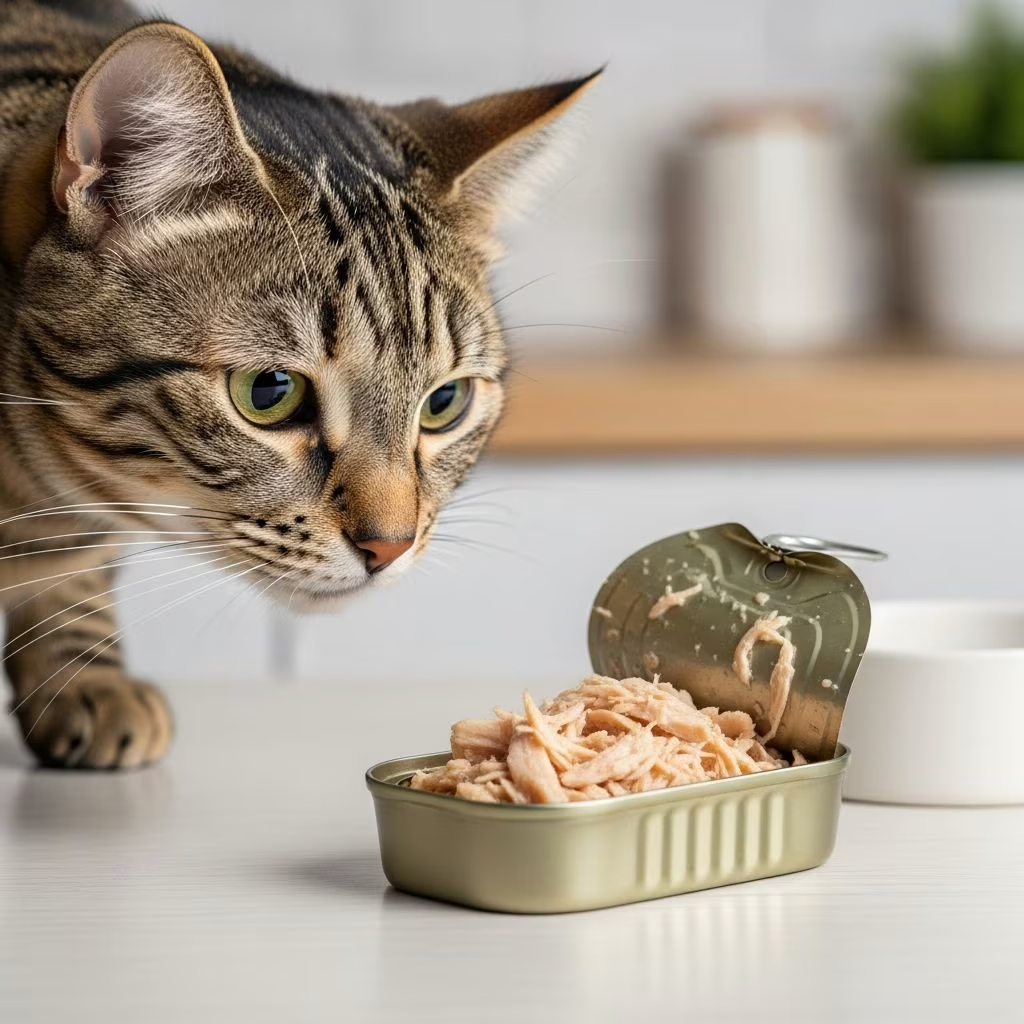
Plain canned chicken can be a safe occasional treat or emergency food for cats when free from harmful additives like salt, onions, or garlic. As obligate carnivores, cats thrive on high-protein foods like chicken, but it must complement a complete, balanced feline diet to avoid nutritional gaps.
The Short Answer
Cats can eat **plain canned chicken** in moderation without spices, salt, or toxic ingredients. It provides high-quality protein and moisture but lacks essential nutrients like taurine and calcium, making it unsuitable as a sole diet.
What Is Canned Chicken?
Canned chicken is typically cooked chicken breast packed in water or broth, designed for human consumption. It’s a lean protein source but often includes added sodium for flavor preservation. For cats, only low-sodium, unseasoned varieties are appropriate, as felines have sensitive systems intolerant to excess salt or spices.
- Common forms: In water, broth, or sauces (avoid sauced versions).
- Nutritional profile: High protein (around 20-25g per 100g), low fat if drained, and 75-80% moisture.
- Human vs. cat suitability: Human products prioritize taste over feline needs, risking imbalances.
Can Cats Eat Canned Chicken?
Yes, **cats can eat canned chicken** if it’s plain and rinsed to remove excess sodium. Veterinary experts note it’s digestible and palatable for most cats, serving as a protein boost during illness or picky eating phases. However, scrutinize labels—avoid anything with onions, garlic, spices, or preservatives, which are toxic.
Cats’ wild ancestors consumed whole prey, including muscle meat like chicken. Modern canned chicken mimics this but requires caution due to processing.
Benefits of Canned Chicken for Cats
When fed appropriately, canned chicken offers several health perks for cats, supporting their carnivorous needs.
- High-Quality Protein: Essential for muscle repair, immune function, and energy. Lean chicken matches cats’ natural diet better than plant proteins.
- Hydration Boost: 75-80% moisture content aids urinary tract and kidney health, crucial for dry-food eaters prone to dehydration.
- Palatability: Enticing aroma and texture appeal to finicky or convalescing cats, encouraging appetite.
- Digestibility: Soft texture suits seniors or those with dental issues; highly bioavailable amino acids.
- Diet Variety: Occasional use prevents boredom, mimicking prey diversity.
Studies affirm chicken’s role in feline nutrition, with high digestibility rates exceeding 90% in cats.
Potential Risks and Dangers
Despite benefits, canned chicken poses risks if mishandled, primarily from additives and incompleteness.
| Risk | Description | Symptoms/Consequences |
|---|---|---|
| High Sodium | Many cans have added salt for preservation. | Dehydration, vomiting, sodium poisoning, hypertension. |
| Toxic Additives | Onions, garlic, spices common in flavored cans. | Anemia, digestive upset, toxicity. |
| Nutritional Imbalance | Lacks taurine, calcium, vitamins from organs/bones. | Heart disease, bone issues, deficiencies. |
| Bacterial Contamination | Improper storage risks Salmonella. | Foodborne illness, diarrhea. |
| Obesity/Digestion | Excess calories or fat if overfed. | Weight gain, diarrhea. |
FDA guidelines highlight sodium sensitivity in pets, recommending low-sodium options. Always prioritize cat-specific foods for balance.
How Much Canned Chicken Can Cats Have?
Limit to **10% of daily calories** as a treat—e.g., 1-2 teaspoons for a 10-lb cat, 1-2 times weekly. Overfeeding disrupts balance; pair with AAFCO-approved cat food.
- Kittens/Seniors: Smaller portions, vet-monitored.
- Active Adults: Up to a tablespoon occasionally.
- Monitor weight and stool for adjustments.
What Type of Canned Chicken Is Best for Cats?
Select **plain, low-sodium, in-water canned chicken** from reputable brands. Rinse thoroughly and mash for kittens.
- Best: 100% chicken breast in water, no additives.
- Avoid: Broth with salt, flavored, or vegetable mixes.
- Alternatives: Cat-specific canned chicken or purees.
Check labels: Under 100mg sodium per serving ideal.
FAQs
Is canned chicken in water safe for cats?
Yes, if low-sodium and plain; rinse to minimize salt. Provides hydration without excess preservatives.
Can I feed my cat canned chicken every day?
No, it’s incomplete—lacks taurine and calcium. Use as supplement only.
What if my cat ate seasoned canned chicken?
Monitor for vomiting/diarrhea; contact vet if symptoms appear, especially with garlic/onions.
Is canned chicken better than dry food for hydration?
Yes, vastly higher moisture (75% vs. 10%) supports kidney health.
Can kittens eat canned chicken?
In small amounts, shredded; ensure balanced diet.
Conclusion
Canned chicken serves as a safe, nutritious treat for cats when plain and occasional, delivering protein and moisture benefits. Avoid risks by reading labels, moderating portions, and prioritizing complete cat foods. Consult your vet for personalized advice, ensuring your feline’s long-term health.
References
- Can Cats Eat Canned Chicken Safely? — Zoorithm. 2024. https://www.zoorithm.com/cats/can-cat-eat-canned-chicken
- Canned Chicken for Cats Nutritional Value — Love, Nala. 2024. https://www.lovenala.com/blogs/nutrition-for-cats/canned-chicken-for-cats-understanding-its-nutritional-value
- Can Cats Eat Chicken? — PetMD. 2024. https://www.petmd.com/cat/nutrition/can-cats-eat-chicken
- Can Cats Eat Canned Chicken? Vet-Reviewed Info to Know — Catster. 2024. https://www.catster.com/nutrition/can-cats-eat-canned-chicken/
- Top Reasons Why Cats Love Canned Chicken — Love, Nala. 2024. https://www.lovenala.com/blogs/nutrition-for-cats/top-reasons-why-cats-love-canned-chicken



