

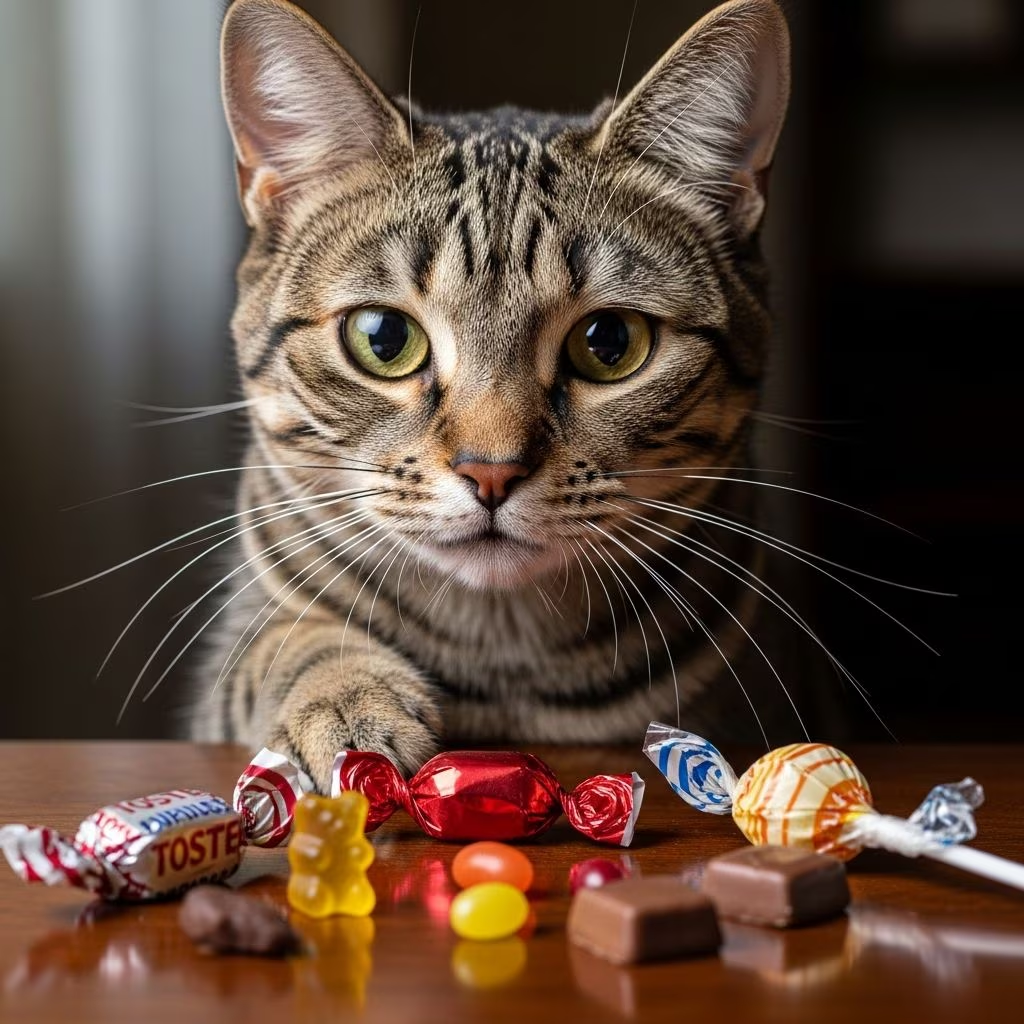
Cats should not eat candy. Most candies pose serious health risks due to toxic ingredients like theobromine in chocolate, xylitol in sugar-free varieties, high sugar content leading to obesity and diabetes, choking hazards from hard candies, and digestive issues from creamy treats.
The Dangers of Candy for Cats
Candy might seem like a harmless treat, but for cats, it can lead to immediate toxicity, gastrointestinal distress, or long-term health problems like obesity and dental issues. Cats lack sufficient taste receptors for sweetness, making them less inclined to seek it out, but curiosity or accidental ingestion remains a threat, especially during holidays like Halloween.
Why Candy Is Bad for Cats
Cats are obligate carnivores with digestive systems optimized for meat-based proteins, not carbohydrates or sugars. Their inability to taste sugar effectively means candy offers no nutritional value and instead introduces toxins and excess calories. Key risks include:
- Toxicity: Ingredients like theobromine, caffeine, and xylitol can cause vomiting, seizures, heart issues, or death.
- Obesity and Diabetes: High sugar and fat content promotes weight gain, joint problems, diabetes, and organ strain.
- Dental Decay: Sugars foster plaque, gingivitis, and tooth loss.
- Digestive Upset: Lactose intolerance triggers diarrhea from creamy candies.
- Choking/Blockages: Hard candies and wrappers cause obstructions requiring surgery.
Chocolate: The Most Dangerous Candy Ingredient
Chocolate tops the list of candy hazards for cats due to **theobromine** and **caffeine**, compounds cats metabolize slowly, leading to buildup and toxicity. Even small amounts cause symptoms like vomiting, diarrhea, rapid heart rate, tremors, seizures, and potentially fatal heart failure.
- Darker chocolates (baking, dark) contain higher theobromine levels, making tiny pieces more dangerous than larger amounts of milk chocolate.
- No chocolate is safe—no exceptions for white or milk varieties.
If your cat ingests chocolate, contact a vet immediately; severity depends on amount, type, and cat’s size.
Xylitol in Sugar-Free Candies
Sugar-free candies often contain **xylitol**, highly toxic to cats (though more studied in dogs). It triggers insulin release, causing hypoglycemia (low blood sugar), liver damage, seizures, and death—even in small doses.
- Found in gums, mints, some gummies, and candy corn brands.
- Symptoms appear rapidly: weakness, vomiting, collapse.
Avoid all sugar-free sweets; check labels rigorously.
Hard Candies and Choking Hazards
Hard candies pose **choking risks** and **intestinal blockages**. Cats may swallow them whole, leading to obstructions that require surgical intervention and can damage the digestive tract long-term.
- Lollipop sticks can perforate intestines.
- Brittle textures exacerbate splintering and impaction.
Store securely; even crinkly wrappers attract cats, causing blockages or cuts from foil.
Gummy Candies, Caramel, and Creamy Treats
Chewy gummies, caramels, and ice cream-based candies risk **choking, blockages, and pancreatitis** from high sugar/fat. Many cats are **lactose intolerant**, suffering diarrhea and upset from dairy.
- Sour-coated gummies add toxicity risks.
- Candy corn causes vomiting, diarrhea via dyes/additives.
Sticky textures pull on teeth and promote decay.
Candy Wrappers and Packaging Risks
Wrappers aren’t safe—cats chew crinkly foil or plastic, risking **intestinal blockages, cuts, or perforations**. Dispose in sealed bins.
Health Risks Beyond Toxicity
Obesity and Related Conditions
Candy’s calories/fats cause rapid weight gain. Obese cats face:
- Joint arthritis from excess pressure.
- Diabetes risk escalation.
- Heart/liver fat accumulation.
Dental Problems
Sugars feed oral bacteria, causing plaque, gingivitis, infections, and tooth loss.
Safe Alternatives: Cat-Friendly Treats
Skip candy; opt for vet-approved options:
- Commercial cat treats (low-calorie, meat-based).
- Freeze-dried meat pieces.
- Catnip toys for play.
- Small kibble portions as rewards.
Maintain a balanced diet; treats should be <10% of calories.
What to Do If Your Cat Eats Candy
- Identify type/amount ingested.
- Check for symptoms: vomiting, lethargy, tremors, rapid breathing.
- Contact vet or poison hotline (e.g., ASPCA) immediately—don’t wait.
- Induce vomiting only under vet guidance.
Prevention: Store candy high/locked, supervise kids.
Frequently Asked Questions (FAQs)
Can cats eat any candy safely?
No. All candies carry risks; none are safe.
Is a tiny bit of chocolate okay for cats?
No—even small amounts are dangerous, especially dark chocolate.
What if my cat ate sugar-free candy?
Rush to vet; xylitol causes rapid, severe issues.
Can candy cause obesity in cats?
Yes, high sugar/fat leads to weight gain, diabetes, joint issues.
Are gummy candies safe for cats?
No—choking, blockages, pancreatitis risks.
What about candy wrappers?
Dangerous; cause blockages/injuries.
References
- The Hidden Dangers of Candy for Cats — Ocala Pet Sitting. 2023. https://www.ocalapetsitting.com/post/the-hidden-dangers-of-candy-for-cats
- The Dangers of Sweets to Cats — HPP Seven Bird. 2024. https://hppsevenbird.com/en/blog/The-dangers-of-sweets-to-cats/a-3215601
- Can Cats Eat Sweets: What You Should Know — Bond Vet. 2024. https://bondvet.com/blog/can-cats-eat-sweets-what-you-should-know-about-cats-and-sugary-treats
- Warning: These Halloween Candies Can Be Toxic — Cumming Vet Clinic. 2023. https://www.cummingvetclinic.com/services/cats/blog/warning-these-halloween-candies-can-be-toxic-dogs-and-cats
- Chocolate Toxicity in Cats — GSVS. 2024. https://gsvs.org/blog/chocolate-toxicity-cats-emergency/
- Cats & Candy: Foods to Avoid for Halloween — Hill’s Pet Nutrition. 2024. https://www.hillspet.com/cat-care/nutrition-feeding/halloween-safety-foods-to-avoid
- Pets & Your Halloween Candy Don’t Mix — A Caring Vet. 2023. https://www.acaringvet.com/pets-your-halloween-candy-dont-mix-heres-why/



