

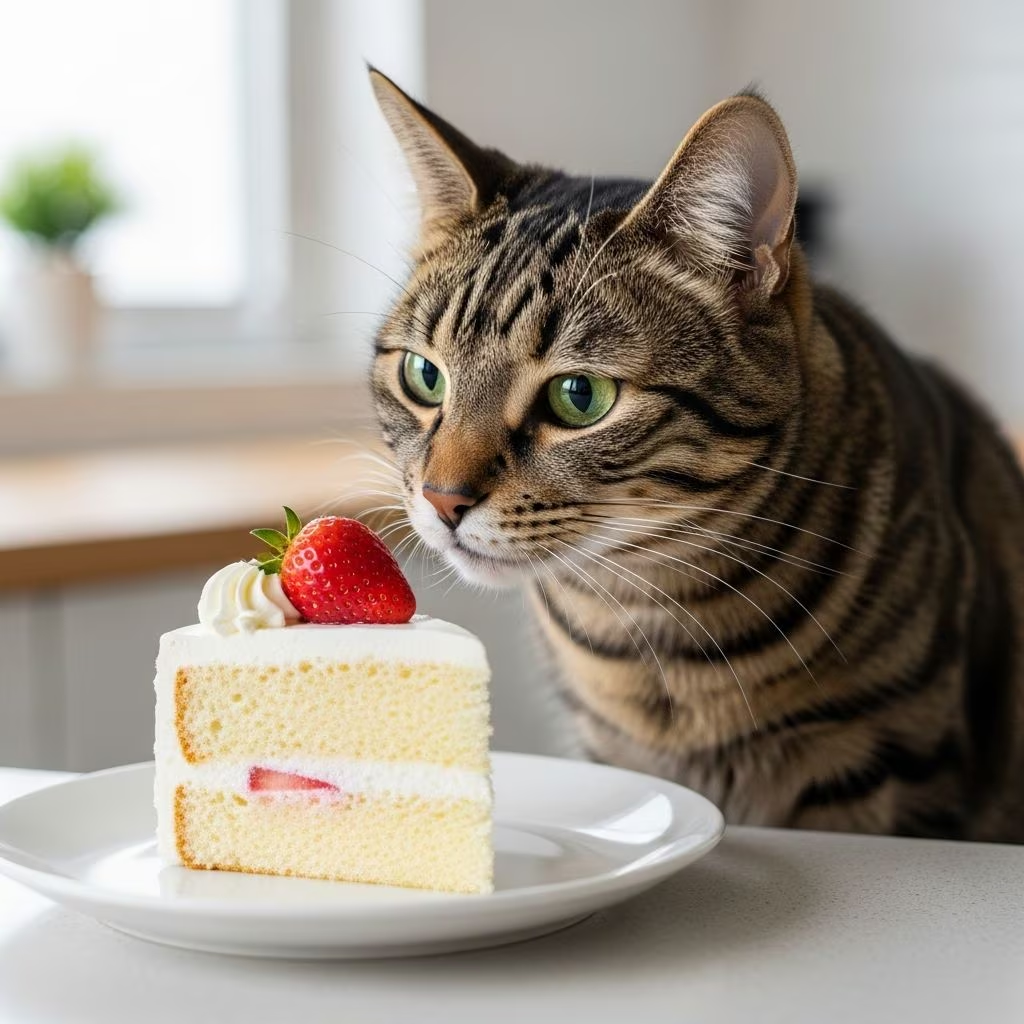
Can Cats Eat Cake? Vet-Reviewed Risks & Facts
Cats are adorable, and we understand why you’d want to share a piece of cake with your kitty. Since cakes are often found in the kitchen, your cat may have had some. So, is cake bad for cats? While a small piece of cake won’t kill your cat, don’t make it a habit. Cats should not regularly consume the sugar, flour, baking powder, and other ingredients in a cake.
Cats are carnivores, and the meat-based cat food in their feeding dishes have all the dietary essentials they need. The ingredients commonly found in cakes are not appropriate for feline digestion and can lead to serious health complications. In this comprehensive guide, we’ll break down the components of cats eating cake and explain why veterinarians recommend avoiding this human treat entirely.
Understanding Your Cat’s Dietary Needs
Cats are obligate carnivores, which means their bodies are biologically designed to thrive on a meat-based diet. Unlike humans who are omnivores, cats have specific nutritional requirements that can only be met through animal proteins and fats. Their digestive systems have evolved over thousands of years to process and extract nutrients primarily from meat.
The fundamental difference between cat and human nutrition is crucial to understand. While humans can digest and benefit from carbohydrates, sugars, and a variety of plant-based foods, cats have virtually no nutritional requirement for these substances. In fact, their bodies struggle to process these foods efficiently. This is why cake—which is primarily composed of sugar, carbohydrates, flour, and often dairy—is so inappropriate for feline consumption.
When you feed your cat regular cat food formulated by veterinary nutritionists, they receive the exact balance of proteins, fats, vitamins, and minerals their body needs to maintain optimal health. Introducing human foods like cake disrupts this carefully balanced diet and can trigger various health problems over time.
Why Cats Should Avoid Eating Cake
There are several compelling reasons why veterinarians strongly advise against feeding cake to cats. Understanding these reasons will help you protect your feline companion from unnecessary health risks.
- Poor digestive compatibility: Cat digestive systems are not designed to process the sugars and fats commonly found in cakes. This can lead to immediate gastrointestinal upset.
- Presence of toxic ingredients: Many cakes contain ingredients that are directly toxic to cats, including chocolate, artificial sweeteners, and certain nuts.
- High caloric density: Cake is extremely calorie-dense, and even small portions can contribute significantly to weight gain in cats.
- Lack of nutritional value: Cake provides no essential nutrients that your cat needs. It’s purely empty calories with potential health risks.
- Long-term health complications: Regular consumption of cake and similar treats increases the risk of obesity, diabetes, dental disease, and other serious conditions.
Common Cake Ingredients Harmful to Cats
To truly understand the dangers of cake for cats, it’s important to examine the individual ingredients commonly found in cakes and why each one poses a risk to feline health.
Chocolate
Chocolate is one of the most well-known toxic substances for cats. It contains two harmful compounds: theobromine and caffeine. While chocolate is a beloved ingredient in many cakes, it can cause serious health issues in cats. Dark chocolate poses a greater risk than white chocolate, but cats have shown clinical signs of poisoning from both types.
If your cat consumed chocolate cake, evaluate how much chocolate they ingested and what type it was, then contact your veterinarian for guidance. Watch for symptoms of chocolate poisoning including diarrhea, vomiting, fever, drop in blood pressure, weakness, convulsions, palpitations, and panting. Other signs may include muscle stiffness, heightened reflexes, and in extreme cases, death.
Sugar
Cakes contain high amounts of sugar, which cats cannot properly digest. Unlike humans, cats lack taste receptors for sweetness, meaning they don’t even enjoy the sweet flavor of cake the way we do. Instead, their natural cravings are for protein and fat, which are essential for their health and well-being.
Excessive sugar consumption can lead to obesity and diabetes in cats. Additionally, in the long-term, sugar consumption can cause weight gain, tooth problems, and other serious health issues. This is particularly concerning because obesity in cats significantly increases the risk of developing type 2 diabetes and joint problems.
Dairy Products
Many cakes contain milk, butter, or cream, which cats often have trouble digesting. Most cats are lactose intolerant, meaning they lack sufficient lactase enzymes to break down lactose, the natural sugar found in dairy products. When cats consume dairy, this can lead to upset stomachs or diarrhea.
Additionally, most cakes contain cream and milk, both of which are harmful to cats due to lactose content and high fat levels. Even small amounts of dairy in cake can trigger digestive distress in sensitive felines.
Artificial Sweeteners Like Xylitol
Some sugar-free cakes use artificial sweeteners, particularly xylitol, which is extremely toxic to cats and requires immediate veterinary attention if ingested. Xylitol can cause a rapid insulin release in cats, leading to dangerous drops in blood sugar levels and potentially fatal liver damage. Never assume that sugar-free cake is safer—it may be even more dangerous than traditional cake.
Nuts
Some nuts found in cakes, such as macadamia nuts, are toxic to cats and can trigger various symptoms, from weakness to depression. Even non-toxic nuts can be problematic due to their high fat content, which can contribute to pancreatitis—an inflammation of the pancreas that can be life-threatening.
Raisins and Grapes
Raisins and grapes, often found in fruit cakes, can cause kidney failure in cats. These ingredients should be strictly avoided and any accidental ingestion should be reported to a veterinarian immediately.
Excess Fat and Butter
Beyond just contributing to obesity, the high fat content in cakes can cause pancreatitis in cats—a condition that can be life-threatening and requires prompt veterinary treatment. High-fat foods put excessive stress on the pancreas, leading to inflammation and severe digestive complications.
Health Risks Associated with Cake Consumption
Feeding cake to cats can precipitate several serious health issues. It’s important to understand the range of problems that can develop from even occasional cake consumption.
Digestive Upset
Digestive upset such as vomiting, diarrhea, or constipation can occur shortly after your cat eats cake. This is one of the most immediate and common consequences of cats consuming inappropriate human foods. The severity depends on the amount consumed and your individual cat’s sensitivity.
Obesity
Obesity can develop from regular consumption of sugary and fatty human foods, increasing the risk of diabetes and joint problems. Obesity in cats is a serious concern that can reduce their lifespan and quality of life significantly. Even well-meaning owners who occasionally share treats can contribute to dangerous weight gain.
Pancreatitis
Pancreatitis caused by high-fat foods can be life-threatening and requires prompt veterinary treatment. This condition is particularly dangerous because it can develop suddenly and may require emergency veterinary care. Prevention through proper diet is far better than treating this serious condition.
Diabetes
The combination of high sugar content and potential obesity can lead to the development of feline diabetes, a chronic condition requiring lifelong management and medication.
Dental Problems
Sugar promotes dental disease in cats just as it does in humans. Regular cake consumption can lead to tooth decay, gum disease, and eventual tooth loss.
Allergic Reactions
Allergic reactions to ingredients like nuts or dairy may cause itching, swelling, or difficulty breathing in sensitive cats. In severe cases, allergic reactions can be life-threatening and require immediate emergency veterinary care.
What Should You Do If Your Cat Eats Cake?
If you suspect your cat has eaten cake and shows any unusual symptoms, contact your veterinarian immediately. When calling your vet, provide as much information as possible:
- What type of cake your cat consumed
- Approximate quantity eaten
- When the cake was consumed
- Any visible symptoms your cat is displaying
- Your cat’s age, weight, and medical history
Your veterinarian may recommend monitoring your cat at home or, in cases involving toxic ingredients like chocolate or xylitol, may recommend bringing your cat in for examination and treatment. It’s always better to err on the side of caution when it comes to your cat’s health.
Safe and Healthy Treat Alternatives
Instead of sharing cake with your cat, consider these safe and healthy alternatives that won’t compromise their health:
- Cat-specific treats: Purchase treats formulated specifically for cats with appropriate nutrient profiles and portion sizes.
- Plain cooked chicken: Unseasoned, boneless, skinless chicken is an excellent protein-rich treat that cats enjoy.
- Tuna: Plain, canned tuna (in water, not oil) can be offered occasionally as a special treat.
- Cooked fish: Salmon and other fish provide omega-3 fatty acids beneficial for cat health.
- Cat-safe fruits: Small amounts of cat-safe fruits like melon or blueberries can be offered occasionally.
- Homemade cat-safe cakes: Yes, you can make a cat-safe cake using ingredients like cooked chicken, tuna, or cat-friendly treats, avoiding sugar, dairy, and other harmful ingredients.
The vet will recommend better snacks than cake for your kitty. By choosing appropriate treats, you can celebrate special occasions with your cat while maintaining their health and well-being.
Frequently Asked Questions
Q: Can a small amount of cake harm my cat?
A: Even small amounts of cake can upset your cat’s stomach or expose them to toxic ingredients. It’s best to avoid giving any cake to your cat. A small bite of plain cake is unlikely to cause serious harm, but it’s still not recommended. Always check the ingredients and monitor your cat for any signs of distress.
Q: Is chocolate cake more dangerous than other types?
A: Yes, chocolate cake is especially dangerous because chocolate contains theobromine, which is toxic to cats and can cause serious illness. If your cat eats chocolate cake, contact your vet immediately. Symptoms can include vomiting, diarrhea, tremors, or seizures.
Q: Can I make a cake for my cat?
A: Yes, you can make a cat-safe cake using ingredients like cooked chicken, tuna, or cat-friendly treats. Avoid sugar, dairy, and other harmful ingredients. No fillers, no grains, and no sweeteners—just a properly made treat that won’t upset your cat’s system.
Q: Why do cats like cake if they can’t taste sweetness?
A: Cats may be curious about cake due to its texture or smell, but they don’t crave sweets the way humans do. Their interest is usually driven by curiosity rather than taste preference.
Q: What should I do if my cat ate chocolate cake?
A: Chocolate is toxic to cats, so contact your vet immediately if your cat eats chocolate cake. Provide information about the type and amount of chocolate consumed. Watch for symptoms including vomiting, diarrhea, weakness, tremors, seizures, and changes in heart rate or blood pressure.
Q: Are there any cakes that are safe for cats?
A: Traditional human cakes are not safe for cats. However, you can create cat-friendly cakes using ingredients like cooked chicken, tuna, or specially formulated cat treats. Ensure these homemade options contain no sugar, artificial sweeteners, dairy, or toxic ingredients.
Conclusion
While it might be tempting to share cake with your cat during celebrations, it’s unsafe due to toxic ingredients and digestive risks. Cats require a meat-based diet, and sugary or fatty human foods can harm their health. Instead, choose cat-friendly treats and safe celebration methods to keep your feline friend happy and healthy. Always keep cakes and similar foods out of your cat’s reach and seek veterinary help if accidental ingestion occurs.
References
- Can Cats Eat Cake? Safety & Alternatives — Zoorithm. 2024. https://www.zoorithm.com/cats/can-cat-eat-cake
- Can Cats Eat Cake? What Happens if They Do? — My Pet Sensitivity. 2024. https://mypetsensitivity.com/blogs/news/can-cats-eat-cake-what-happens-if-they-do
- Can Cats Eat Cake? Vet-Reviewed Risks & Facts — Catster. 2024. https://www.catster.com/cat-health-care/can-cats-eat-cake/
- Can Cats Eat Cake? Risks and Vet Advice — Dial a Vet. 2024. https://www.dialavet.com/blog/can-cats-eat-cake
- Can Cats Eat Sweets: What You Should Know About Cats and Sugary Treats — Bond Vet. 2024. https://bondvet.com/blog/can-cats-eat-sweets-what-you-should-know-about-cats-and-sugary-treats
- Can Cats Eat Cake? Vet-Verified Facts — Huston Veterinary. 2024. https://hustonveterinary.com/can-cats-eat-cake/
- Can Dogs (and Cats) Eat Cake? Yes, Just Not Human Cakes — Nom Ynom Y. 2024. https://www.nomynomy.com/blogs/wellness/can-dogs-and-cats-eat-cake



