

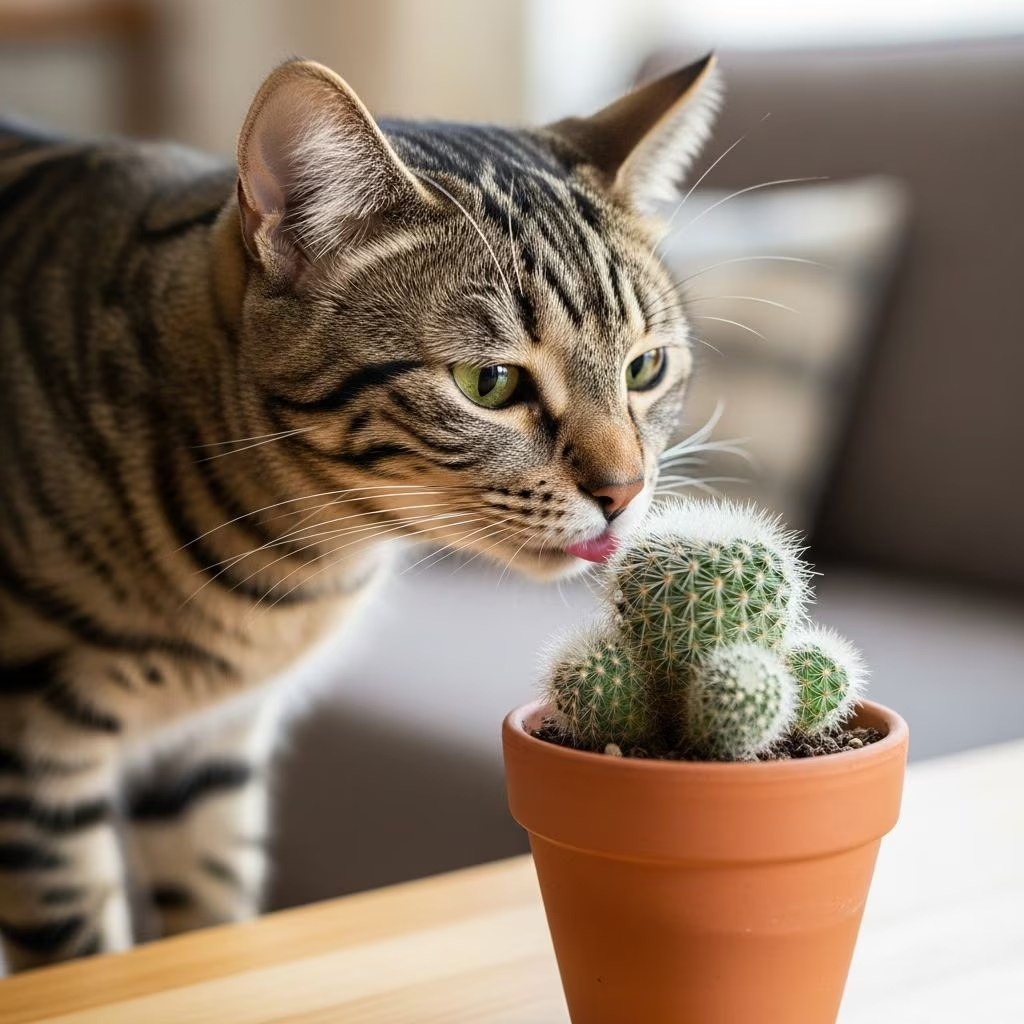
Can Cats Eat Cactus? Vet-Approved Facts & FAQ
Cats are curious creatures by nature, and it’s not uncommon for feline friends to investigate houseplants, including cacti. If you’ve ever worried about your cat getting into a cactus plant, you’re not alone. Pet owners frequently ask whether cacti pose a threat to their cats, and the answer is more nuanced than a simple yes or no. While most cacti are not toxic to cats, there are significant risks associated with your cat consuming them.
Understanding the potential dangers of cacti for cats is essential for responsible pet ownership. This comprehensive guide will help you navigate the question of whether your cat can safely eat cactus and what precautions you should take if you keep these plants in your home.
Can Cats Eat Cactus?
The short answer is that most cacti are not toxic to cats, but that doesn’t mean they’re safe for consumption. While your cat won’t experience poisoning from eating a cactus plant, the physical structure of cacti presents significant hazards that shouldn’t be overlooked.
Cacti have evolved protective mechanisms to survive in harsh desert environments. These mechanisms work just as effectively in your home as they do in the wild. The sharp bristles and spines that cover cactus plants are designed to deter animals from eating them, and they’re remarkably effective at causing injury.
These sharp spines can cause damage to your cat’s mouth, throat, stomach, intestines, and virtually every other bodily section they pass through. Even if your cat is lucky enough to avoid immediate injury from the spines, the friction and irritation they cause as they move through your cat’s digestive system can lead to serious complications. For this reason, it’s highly recommended that you keep cacti away from cats that have shown interest in chewing on household plants.
The Physical Hazards of Cactus Spines
Understanding the specific dangers posed by cactus spines is crucial for protecting your feline companion. These aren’t just minor irritations—they represent a genuine health risk.
Cactus spines can inflict injury at multiple points along your cat’s digestive tract:
- Mouth and lips: Cats may experience cuts and puncture wounds when biting into the plant
- Throat: Spines can scratch the esophagus as they’re swallowed
- Stomach: The sharp bristles can irritate or puncture the stomach lining
- Intestines: As the material passes through, spines can cause inflammation and potentially create blockages
The Opuntia genus, commonly known as Prickly Pear cacti, poses particularly significant hazards due to their especially sharp spines. If you have curious cats at home, this variety should be kept completely out of reach.
Is Cactus Healthy for Your Cat?
Beyond the physical dangers, there’s another important reason to avoid feeding cactus to your cat: cacti offer virtually no nutritional value for felines.
Cats are obligate carnivores, meaning their bodies are designed to obtain all necessary nutrition from meat. Their digestive systems evolved specifically to process animal proteins and cannot effectively extract beneficial nutrients from plant material. While cactus fruit itself is not toxic, there’s no reason to encourage your cat to consume it.
Even if small amounts of non-toxic fruits and vegetables won’t cause harm if accidentally ingested, they serve no purpose in your cat’s diet. These plant materials act as fillers in some commercial cat foods, but they don’t provide the essential amino acids, taurine, and other nutrients cats require for optimal health.
The best approach is to stick with your cat’s normal diet and ensure they receive high-quality cat food formulated specifically for their nutritional needs. If you have cacti in your home, simply move them to locations your cats cannot access.
Toxic Plants to Avoid Instead
While cacti themselves aren’t usually toxic, some plants that cat owners might consider as alternatives are genuinely dangerous. It’s important to know which houseplants pose real toxicity risks.
Kalanchoe (Devil’s Backbone)
Kalanchoe, also known as the devil’s backbone or the mother-in-law plant, is a succulent that you must keep far away from cats. Unlike cacti, this plant is genuinely toxic and can cause serious health issues. Vomiting and diarrhea are the most common symptoms, but in rare cases, ingestion can lead to abnormal heart rhythm, which requires immediate veterinary attention.
Aloe Vera
While aloe vera plants have well-documented medicinal properties for humans and are safe for us to ingest, they are dangerous for cats. Aloe can quickly create gastrointestinal problems in felines. Large dosages can lead to vomiting, diarrhea, and lethargy. If your cat has a habit of chewing on plants, aloe vera is one that requires special attention, and you should consult your vet immediately if your cat has already ingested some.
Other Toxic Houseplants
Several other common houseplants pose toxicity risks to cats and should be avoided:
- Marijuana (Cannabis sativa)
- Oleander (Nerium oleander)
- Peace Lily (Spathiphyllum sp.)
- Pothos or Devil’s Ivy (Epipremnum aureum)
- Sago Palm (Cycas revoluta)
- Spanish Thyme (Coleus ampoinicus)
Cat-Safe Plant Alternatives
If you love the aesthetic of cacti but need a safer option for homes with cats, consider these alternatives:
Christmas Cactus
The Christmas cactus is an excellent alternative to traditional cacti. Despite its name, the Christmas cactus is not a true cactus and doesn’t have sharp spines like desert varieties. This means there’s no risk of injury from the spines. While Christmas cactus is considered low in toxicity, it can still cause mild digestive upset if large amounts are consumed, including vomiting, diarrhea, and lethargy. However, for cats that chew on it occasionally in small amounts, it poses minimal risk compared to traditional cacti.
What to Do If Your Cat Eats Cactus
Despite your best efforts to keep cacti away from your cat, accidents can happen. If your cat manages to eat cactus, here’s what you should do:
- Assess the situation: Determine how much cactus your cat consumed and whether they ate the spines or just the flesh
- Monitor for symptoms: Watch for signs of distress, including vomiting, diarrhea, loss of appetite, or behavioral changes
- Contact your veterinarian: When in doubt, it’s always best to consult your vet, especially if your cat consumed a large amount or if spines are involved
- Describe the incident: Provide your vet with details about which type of cactus was involved and how much was consumed
- Follow professional guidance: Your vet may recommend monitoring at home for minor incidents or may want to examine your cat if larger amounts were ingested
Creating a Cat-Safe Home Environment
The best way to protect your cat from cactus-related injuries is to prevent exposure altogether. Here are practical strategies:
- Place cacti out of reach: Use high shelves, locked cabinets, or separate rooms that your cat cannot access
- Use plant barriers: If you must keep cacti visible, use decorative plant stands or protective barriers
- Provide alternatives: Offer cat-safe plants like cat grass to satisfy your cat’s natural urge to chew on vegetation
- Supervise plant interaction: Watch your cat closely when near any plants and redirect their attention if they show interest in chewing
- Choose cat-safe décor: Consider other decorative options that don’t involve potentially hazardous plants
Understanding Your Cat’s Chewing Behavior
Cats chew on plants for various reasons. Understanding these motivations can help you prevent unwanted plant consumption:
- Nutritional deficiency: Sometimes cats chew on plants when their diet lacks certain nutrients
- Boredom or stress: Insufficient mental stimulation can lead to destructive plant chewing
- Natural instinct: Even domesticated cats retain the instinct to forage for plants
- Dental discomfort: Chewing may help relieve sore gums or loose teeth
- Hairball management: Plant fiber can help with digestion and hairball passage
If your cat frequently chews on plants, providing appropriate outlets like cat grass can satisfy this behavior safely.
Frequently Asked Questions
Q: Is cactus toxic to cats?
A: Most cacti are not toxic to cats; however, they present significant physical hazards due to their sharp spines. These spines can injure your cat’s mouth, throat, and digestive system.
Q: What happens if my cat eats a cactus?
A: If your cat eats a small amount of cactus flesh without spines, they’ll likely be fine. However, ingesting spines can cause cuts and irritation throughout the digestive tract. Monitor your cat for vomiting, diarrhea, or loss of appetite, and contact your vet if these symptoms appear.
Q: Can cats eat cactus fruit?
A: While cactus fruit itself is not toxic, there’s no nutritional benefit for cats to eat it. Their digestive systems are designed for meat-based diets and cannot extract meaningful nutrition from plant material.
Q: Is Christmas cactus safe for cats?
A: Christmas cactus is considered low in toxicity and doesn’t have sharp spines. However, consuming large amounts can cause mild digestive upset. It’s still safer than traditional cacti but should be kept from frequent chewing.
Q: What plants should I definitely avoid if I have cats?
A: Keep your cat away from Kalanchoe, aloe vera, lilies, oleander, pothos, sago palm, and peace lilies. These plants are genuinely toxic and can cause serious health complications.
Q: How can I stop my cat from eating houseplants?
A: Place plants out of reach on high shelves or in separate rooms, provide cat-safe alternatives like cat grass, ensure adequate play and enrichment, and redirect your cat’s attention when they show interest in plants.
Q: Should I remove all cacti from my home if I have a cat?
A: It depends on your cat’s behavior. If your cat shows no interest in chewing on plants, you may keep cacti in inaccessible locations. However, if your cat is a frequent plant chewer, removing cacti is the safest option.
References
- Can Cats Eat Cactus? Vet-Approved Facts & FAQ — Catster. https://www.catster.com/nutrition/can-cats-eat-cactus/
- Can Cats Eat Cactus? Vet Verified Nutrition & Safety Facts — Hepper. https://articles.hepper.com/can-cats-eat-cactus/
- Is a Christmas Cactus Poisonous to Cats? — PetMD. https://www.petmd.com/cat/poisoning/is-a-christmas-cactus-poisonous-to-cats
- Is Christmas Cactus Poisonous to Cats? — BaxterBoo. https://www.baxterboo.com/blog/a.cfm/is-christmas-cactus-poisonous-to-cats/
- Succulents and Cacti Toxic to Pets — Planet Desert. https://planetdesert.com/blogs/news/succulents-and-cacti-toxic-to-pets
- Succulent Poisoning in Cats: Immediate Steps for an Emergency — Garden State Veterinary Specialists. https://gsvs.org/blog/succulent-poisoning-cats-emergency-steps/



