

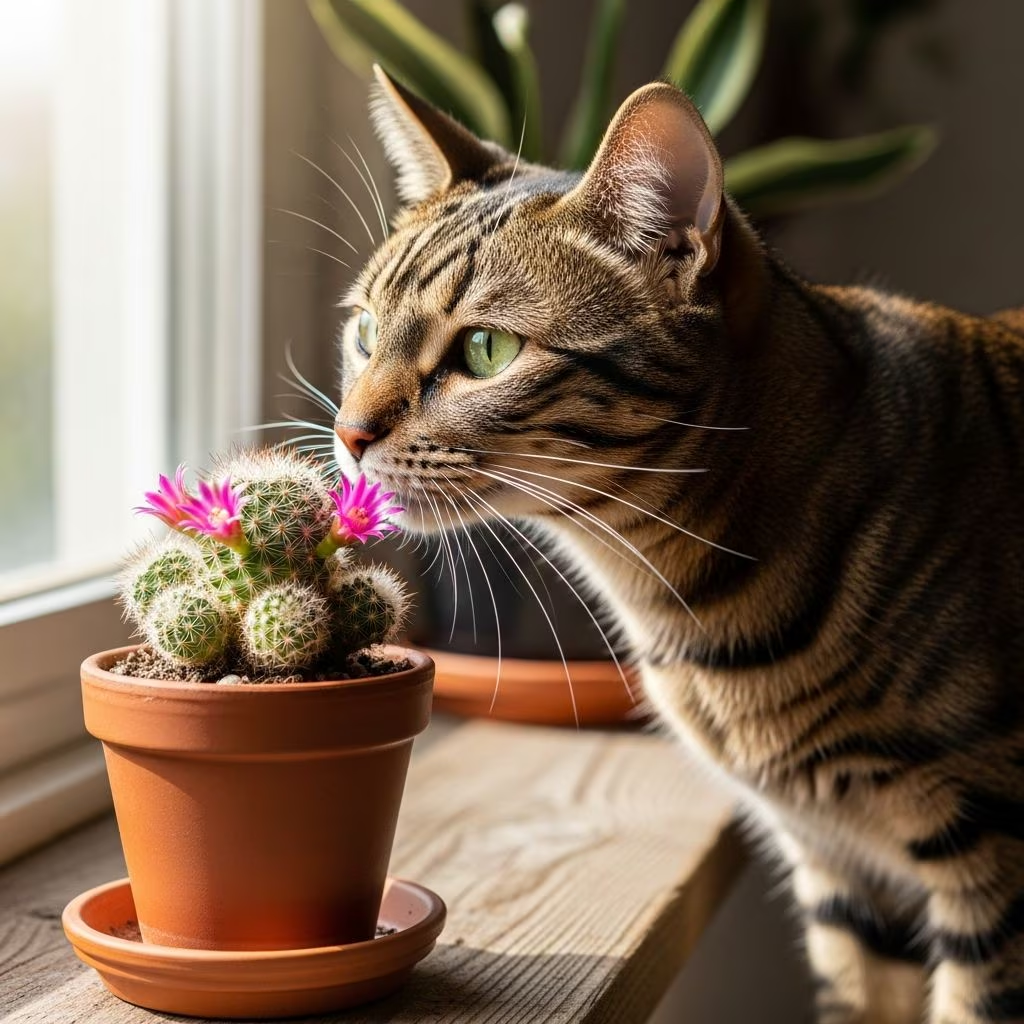
Can Cats Eat Cactus? A Complete Safety Guide
Cactus is not toxic to cats, but the sharp spines present a significant physical injury risk that pet owners should carefully consider before bringing cacti into homes with curious felines. While the plant itself won’t poison your cat if ingested, the protective mechanisms that cacti have evolved can cause painful wounds and complications for pets who attempt to chew or interact with them.
Understanding the nuances of cactus safety for cats requires examining both the toxicity aspect and the physical dangers. This comprehensive guide will help you make informed decisions about keeping cacti in your home alongside your beloved pets.
Is Cactus Toxic to Cats?
The good news for cat owners is straightforward: cacti are non-toxic to cats. Unlike many common houseplants such as lilies, poinsettias, and jade plants, cacti do not contain compounds that will poison your feline companion if accidentally ingested. This means that if your cat nibbles on a cactus leaf or consumes a small piece of the plant, toxicity will not be a concern from a poisoning perspective.
This non-toxic status applies to the vast majority of cactus species kept as indoor houseplants. Whether you have a small decorative cactus or a larger variety, the plant material itself poses no chemical threat to your cat’s health. However, it’s important to distinguish between toxicity and other potential health issues, which we’ll explore in detail below.
The Real Danger: Cactus Spines
While cactus plants themselves are not poisonous, the sharp spines covering most cacti present a serious physical hazard. These spines, which are actually modified leaves derived from leaf tissue, serve as the plant’s natural defense mechanism against herbivorous animals in the wild. For a curious cat, these spines can cause painful puncture wounds, lacerations, and injuries to the mouth, paws, and digestive tract.
The severity of spine-related injuries depends on several factors:
- The size and sharpness of the spines
- The depth of penetration into the skin or mouth tissue
- The number of spines that make contact
- Whether spines remain embedded after injury
- The location of the injury on your cat’s body
Certain cactus varieties pose even greater risks than others. Opuntia, or Prickly Pear cacti, are particularly hazardous due to their numerous sharp spines and the ease with which they detach. If your cat has a tendency to investigate and chew on plants, keeping prickly pear cacti away from accessible areas is especially important.
Can Cats Eat Cactus Fruit?
Some cacti produce edible fruits that are safe for human consumption, but cactus fruit should not be intentionally fed to cats. Although the fruit itself is non-toxic and wouldn’t cause poisoning, there are several reasons why feeding cactus fruit to your cat is not recommended:
- Cats are obligate carnivores whose digestive systems are specifically designed to process meat, not plant matter
- Cats cannot properly absorb vitamins and nutrients from plant-based foods the way herbivores and omnivores can
- Fruits and vegetables provide little to no nutritional benefit for feline health
- Plant material may cause mild digestive upset or intestinal irritation
- There is no reason to supplement your cat’s diet with non-meat foods
If your cat accidentally consumes a small piece of cactus fruit, there’s no need to panic—it won’t cause toxicity. However, intentionally offering fruit as a treat or dietary supplement is unnecessary and potentially counterproductive to your cat’s nutritional needs.
Understanding Feline Nutritional Requirements
Cats are obligate carnivores, meaning they require nutrients that are found naturally in meat to survive and thrive. Unlike dogs, which are facultative carnivores and can derive nutrition from both animal and plant sources, cats have evolved over thousands of years to obtain all their essential amino acids, vitamins, and minerals exclusively from animal protein.
Key nutritional facts about cats:
- Cats require taurine, an amino acid found primarily in meat that their bodies cannot synthesize
- Their digestive systems lack certain enzymes needed to break down and utilize plant nutrients efficiently
- Commercial cat foods often include vegetables and fruits as fillers rather than nutrient sources
- A meat-based diet is essential for maintaining healthy vision, heart function, and immune system
- Plant material cannot replicate the nutritional profile cats require
While small amounts of non-toxic fruits and vegetables won’t cause harm if accidentally ingested, they should never form part of your cat’s regular diet or be offered as nutritional supplements.
Holiday Cacti: Christmas and Thanksgiving Varieties
Special attention should be paid to holiday cacti varieties, which are commonly brought into homes during festive seasons. Christmas cactus is considered low in toxicity to cats but may cause mild digestive issues if ingested. Unlike true desert cacti, Christmas cactus has a different structure and lacks the sharp spines found on other varieties.
If a cat chews on Christmas cactus, potential symptoms include:
- Vomiting
- Diarrhea
- Reduced appetite
- Lethargy or tiredness
- Mild stomach upset
- Loose stools
Thanksgiving cactus is generally considered non-toxic to cats, similar to Christmas cactus. However, consuming larger portions of either holiday cactus variety can cause digestive distress and potential gastrointestinal blockages. The fibrous material of these plants can accumulate in the digestive system, particularly if a cat repeatedly chews on the plant over time.
The good news is that holiday cacti don’t have sharp spines like desert varieties, so physical injury from the plant itself is unlikely. The primary concern is digestive irritation rather than puncture wounds.
Potential Complications from Cactus Ingestion
Even though cactus is non-toxic, several complications can arise if your cat consumes significant amounts:
Gastrointestinal Blockage
If a cat consumes a larger portion of cactus plant material, the risk of gastrointestinal blockage increases. This occurs when plant fiber accumulates in the stomach or intestines, obstructing normal passage of food and liquids. Blockages can be serious and may require veterinary intervention, potentially including surgery.
Digestive Irritation
The fibrous material in cacti can irritate the mouth, throat, and stomach lining, leading to vomiting, diarrhea, and loss of appetite. These symptoms are usually temporary but indicate that your cat’s digestive system is struggling to process plant material.
Spine Injuries
Puncture wounds from cactus spines can become infected if not treated properly. Spines may also become embedded and difficult to remove, potentially requiring veterinary assistance.
Other Common Toxic Houseplants for Cats
While cacti are generally safe, many other popular houseplants pose serious dangers to cats. Pet owners should be aware of these toxic alternatives:
- Lilies (all parts are highly toxic)
- Pothos or Devil’s Ivy
- Peace Lily
- Dieffenbachia
- Daffodils and Narcissus
- Cyclamen
- Chrysanthemums
- Sago Palm
- Castor Bean
- Oleander
- Rhododendron
- Marijuana (Cannabis sativa)
Some of these plants can cause severe poisoning and even be fatal to cats. Before bringing any new plant into your home, research its safety profile thoroughly.
Practical Tips for Keeping Cacti and Cats Together
If you love cacti and want to keep them in your home with cats, consider these practical strategies:
- Place cacti in elevated locations that are out of your cat’s reach, such as high shelves or windowsills away from jumping points
- Use closed cabinets or glass cases to display smaller cacti safely
- Create separate spaces where cacti are kept in rooms your cat doesn’t frequent
- Choose spineless varieties if available, though ensure they’re still non-toxic
- Provide alternative plants that are cat-safe, such as cat grass, spider plants, or Boston ferns
- Use barriers like plant stands with protective edges to prevent accidental contact
- Monitor your cat’s behavior around plants and redirect chewing behavior promptly
- Ensure proper pot stability so cacti won’t tip over if your cat brushes against them
What to Do if Your Cat Eats Cactus
If you catch your cat chewing on cactus or suspect ingestion, follow these steps:
- Remain calm — cactus is not toxic, though injuries are possible
- Check for visible injuries — inspect your cat’s mouth, paws, and face for spines or wounds
- Monitor eating and bathroom habits — watch for vomiting, diarrhea, or signs of constipation
- Observe for lethargy — watch for unusual tiredness or loss of appetite
- Contact your veterinarian if your cat eats a large amount, shows prolonged vomiting, or exhibits unusual symptoms
- Provide updates to your vet about your cat’s condition over the following days
Your veterinarian can assess whether monitoring at home is sufficient or if a vet visit is necessary. Minor ingestion may require only observation, while larger amounts might warrant professional care to rule out blockages or other complications.
Creating a Cat-Safe Home Environment
Responsible cat ownership includes understanding which plants and household items pose risks to your feline companions. Take time to research any new plant before bringing it into your home, particularly if you have cats that like to investigate and chew on houseplants. Cat owners should be especially vigilant about common holiday plants, as many festive decorations are toxic to pets.
Consider maintaining a list of toxic plants and keeping it accessible for quick reference when guests bring gifts or when you’re considering new décor. Educate family members and visitors about which plants are off-limits in your cat-friendly home.
Frequently Asked Questions
Q: Is cactus poisonous to cats?
A: No, cactus is not toxic to cats. However, the sharp spines can cause physical injuries if your cat attempts to chew on or interact with the plant.
Q: What happens if my cat eats cactus?
A: If your cat eats a small amount of non-spine cactus (like Christmas cactus), it should be fine. However, larger amounts may cause mild digestive upset, vomiting, or diarrhea. Spine injuries are a greater concern with desert cacti.
Q: Are Christmas cacti safe for cats?
A: Christmas cacti are low in toxicity but may cause mild digestive issues if consumed in large amounts. Unlike desert cacti, they lack sharp spines, making them safer from an injury standpoint.
Q: What should I do if my cat has a cactus spine injury?
A: Inspect the wound for embedded spines and attempt gentle removal if possible. Contact your veterinarian if spines are deeply embedded, if there are multiple injuries, or if signs of infection develop.
Q: Can I feed cactus fruit to my cat?
A: No, cactus fruit should not be fed to cats. While non-toxic, cats are obligate carnivores and cannot derive nutritional benefit from plant-based foods.
Q: Which cacti are safest for homes with cats?
A: Spineless cacti varieties or holiday cacti (Christmas and Thanksgiving) are safer options, though they should still be placed out of reach to prevent digestive issues from large ingestion.
References
- Can Cats Eat Cactus? Vet Verified Nutrition & Safety Facts — Hepper. https://articles.hepper.com/can-cats-eat-cactus/
- Is a Christmas Cactus Poisonous to Cats? — PetMD. https://www.petmd.com/cat/poisoning/is-a-christmas-cactus-poisonous-to-cats
- 5 Truths About Thanksgiving Cactus Poisoning to Cats — Nine Tails. https://www.nin9tails.com/blog/is-thanksgiving-cactus-poisonous-to-cats-dubai-groomer-explains/
- Is Christmas Cactus Poisonous to Cats? — BaxterBoo. https://www.baxterboo.com/blog/a.cfm/is-christmas-cactus-poisonous-to-cats/



