

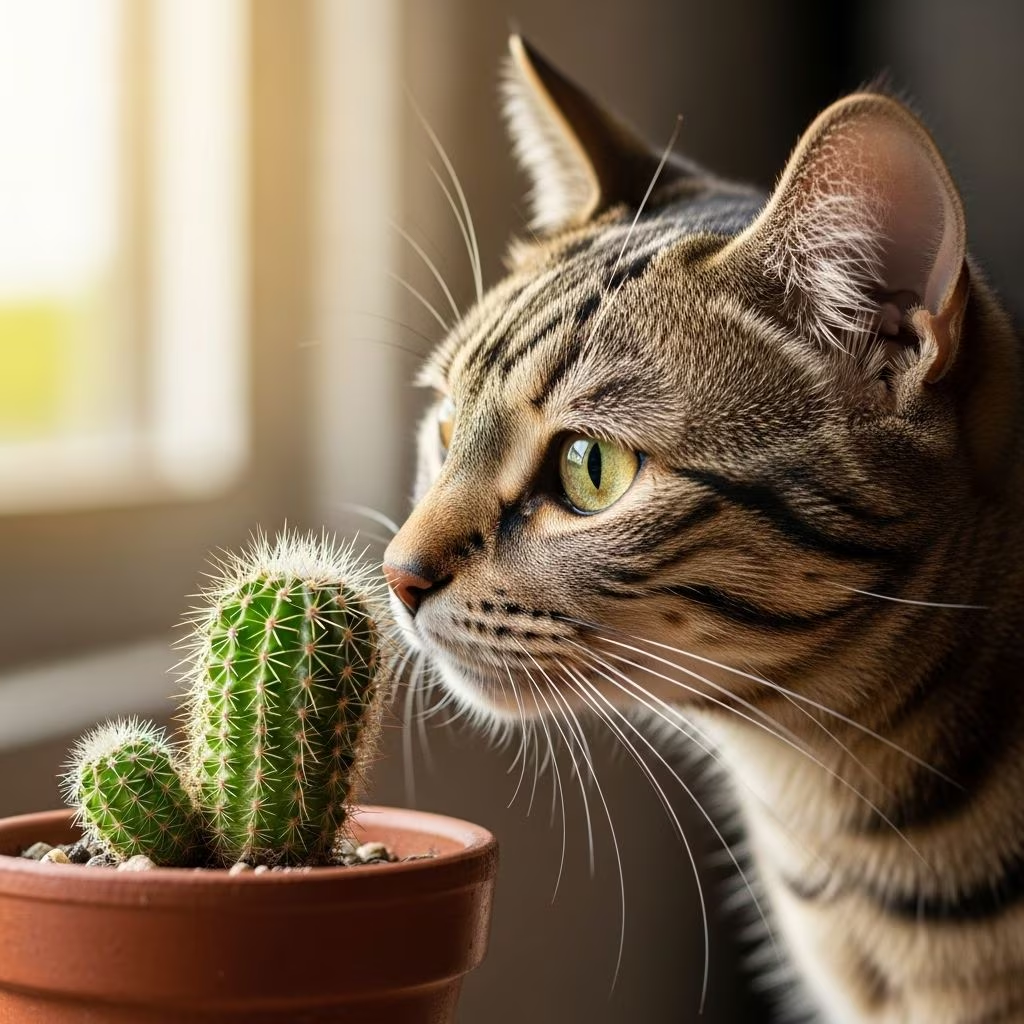
Cats are naturally curious and often nibble on houseplants, including cacti. While most true cacti are non-toxic, their sharp spines can cause serious injuries to a cat’s mouth, throat, and digestive tract. This comprehensive guide explores the risks, safe alternatives, toxic lookalikes, and what to do if your cat chews on a cactus.
Can Cats Eat Cactus?
Most cactus plants belong to the Cactaceae family and are not toxic to cats if ingested in small amounts. However, they are not safe due to their protective spines, known as glochids or spines, which are modified leaves designed to deter herbivores. These sharp structures can embed in a cat’s mouth, gums, tongue, throat, esophagus, stomach, and intestines, leading to pain, inflammation, infection, and potentially requiring veterinary intervention to remove them.
For example, prickly pear cacti (Opuntia genus) are particularly hazardous because their fine, hair-like glochids detach easily and are difficult to see or remove. Even without spines, the fibrous plant material can cause mild gastrointestinal upset, such as vomiting or diarrhea, especially if consumed in larger quantities. Cats are obligate carnivores, meaning their digestive systems are optimized for meat, not plant matter, so cacti offer no nutritional value and can act as irritants.
Veterinarians strongly advise against allowing cats access to any cacti. If your cat shows interest in plants, relocate them to high shelves, hanging baskets, or cat-proof enclosures. Observe for signs like drooling, pawing at the mouth, vomiting, or lethargy after exposure, and contact a vet immediately if symptoms appear.
Is Cactus Healthy for Your Cat?
No, cactus provides no health benefits for cats. It lacks essential nutrients like taurine, proteins, and fats that cats require from animal-based diets. The plant’s high fiber content can lead to digestive blockages or irritation rather than nourishment. Commercial cat foods already meet nutritional needs, and supplements like cactus are unnecessary and risky. Instead, offer cat-safe greens like wheatgrass if your cat craves vegetation, but always in moderation.
What Cactus Plants Are Toxic to Cats?
Not all “cacti” are true cacti. Several toxic succulents and lookalike plants mimic cacti but pose serious dangers. Always verify the botanical identity before assuming safety.
- Pencil Cactus (Euphorbia tirucalli): This is a Euphorbia species, not a true cactus. Its milky sap is highly irritating and toxic, causing severe oral pain, swelling, vomiting, diarrhea, and eye damage if contacted. Skin exposure leads to dermatitis.
- Crown of Thorns (Euphorbia milii): Another Euphorbia with thorny stems and toxic sap that irritates skin, eyes, mouth, and GI tract. Symptoms include blistering, drooling, and lethargy.
- Kalanchoe (Kalanchoe spp.): Known as devil’s backbone or mother-in-law’s tongue, this succulent causes vomiting, diarrhea, and rarely cardiac arrhythmias. Keep it far from cats.
True cacti like saguaro or barrel cacti lack these toxins but still risk injury from spines. The ASPCA lists many Euphorbias as toxic, emphasizing the importance of precise plant identification.
Kalanchoe
Kalanchoe plants are popular succulents with fleshy leaves but are dangerous for cats. Ingestion leads to gastrointestinal distress, with common symptoms including persistent vomiting and diarrhea. In rare cases, it affects heart rhythm, making prompt veterinary care essential. Symptoms may appear within hours. For safe alternatives, opt for Christmas cactus, which is non-toxic though not spineless.
Is Aloe Toxic to Cats?
Yes, aloe vera is toxic to cats despite its benefits for humans. The plant contains saponins and anthraquinones in the latex (yellow sap under the skin), which cause vomiting, diarrhea, lethargy, and in severe cases, tremors or decreased heart rate. The gel center is less harmful but still not recommended. Cats chewing aloe may develop oral irritation. Remove aloe from homes with cats or place it securely out of reach. If ingestion occurs, rinse the mouth and consult a vet or pet poison hotline.
Are Holiday Cactuses Safe for Cats?
Holiday cactuses like Christmas cactus (Schlumbergera bridgesii), Thanksgiving cactus (Schlumbergera truncata), and Easter cactus are not true desert cacti. They belong to the Schlumbergera genus, lack spines, and are generally low-toxicity.
| Plant Type | Toxicity Level | Symptoms if Ingested | Safe Alternatives |
|---|---|---|---|
| Christmas Cactus | Low | Vomiting, diarrhea, lethargy, GI irritation | Spider plant, Boston fern |
| Thanksgiving Cactus | Non-toxic | Mild upset, loose stool | Cat grass, parsley |
| Easter Cactus | Low | Appetite loss, nausea | Areca palm |
While safer than spiny cacti, large ingestions can cause blockages due to fibrous stems. Monitor cats and discourage nibbling.
Can Cats Eat Cactus Fruit?
Cactus fruits, like prickly pear pads or tuna fruit, are non-toxic but not suitable for cats. As obligate carnivores, cats cannot efficiently digest or absorb nutrients from fruits. The seeds and fibers may cause vomiting or blockages. Spines on fruits add injury risk. There’s no nutritional justification; cats thrive on meat-based diets. If a cat accidentally eats a small amount, observe for distress, but do not intentionally feed it.
What to Do if Your Cat Eats Cactus
Act quickly if you suspect cactus ingestion:
- Assess Damage: Check for embedded spines in mouth, paws, or fur. Remove visible ones gently with tweezers.
- Monitor Symptoms:
- Contact Vet: Call your veterinarian or ASPCA Poison Control (888-426-4435) immediately, providing plant type and amount ingested.
- Home Care: Offer water to flush irritants; avoid inducing vomiting unless instructed.
- Prevention: Use deterrent sprays, aluminum foil around pots, or double-sided tape on accessible surfaces.
Watch for excessive salivation, pawing at mouth, vomiting, diarrhea, refusal to eat, or lethargy over 24-48 hours.
Severe cases may require sedation for spine removal, anti-inflammatories, or endoscopy for GI foreign bodies.
Cat-Safe Plant Alternatives
- Spider Plant (Chlorophytum comosum): Non-toxic, air-purifying.
- Wheatgrass or Cat Grass: Safe greenery for nibbling.
- Boston Fern: Lush, hanging option.
- Parlor Palm: Sturdy and safe.
- Safe Succulents: Haworthia, Burro’s Tail (limited quantities).
Always verify with ASPCA’s toxic plant list before introducing new plants.
Frequently Asked Questions (FAQs)
Is Christmas cactus poisonous to cats?
Christmas cactus has low toxicity, causing mild stomach upset like vomiting or diarrhea, but no spines make it safer than true cacti.
Can cats eat cactus fruit?
No, while non-toxic, cactus fruit offers no benefits and risks digestive issues or spine injuries for cats.
What if my cat ate a pencil cactus?
Pencil cactus is toxic; expect irritation and GI symptoms. Seek vet care immediately.
Are all succulents toxic to cats?
No, but many are, like jade and aloe. Research each plant individually.
How to stop cats from eating plants?
Use deterrents, provide cat grass, elevate plants, or train with positive reinforcement.
References
- Can Cats Eat Cactus? Vet-Approved Facts & FAQ — Catster. 2023-10-15. https://www.catster.com/nutrition/can-cats-eat-cactus/
- Is a Christmas Cactus Poisonous to Cats? — PetMD. 2024-05-20. https://www.petmd.com/cat/poisoning/is-a-christmas-cactus-poisonous-to-cats
- Non-Toxic and Toxic Plants for Cats — ASPCA. 2025-01-10. https://www.aspca.org/pet-care/animal-poison-control/toxic-and-non-toxic-plants
- Succulents and Cacti Toxic to Pets — Planet Desert. 2024-08-05. https://planetdesert.com/blogs/news/succulents-and-cacti-toxic-to-pets
- Can Cats Eat Cactus? Vet Verified Nutrition & Safety Facts — Hepper. 2024-03-12. https://articles.hepper.com/can-cats-eat-cactus/



