

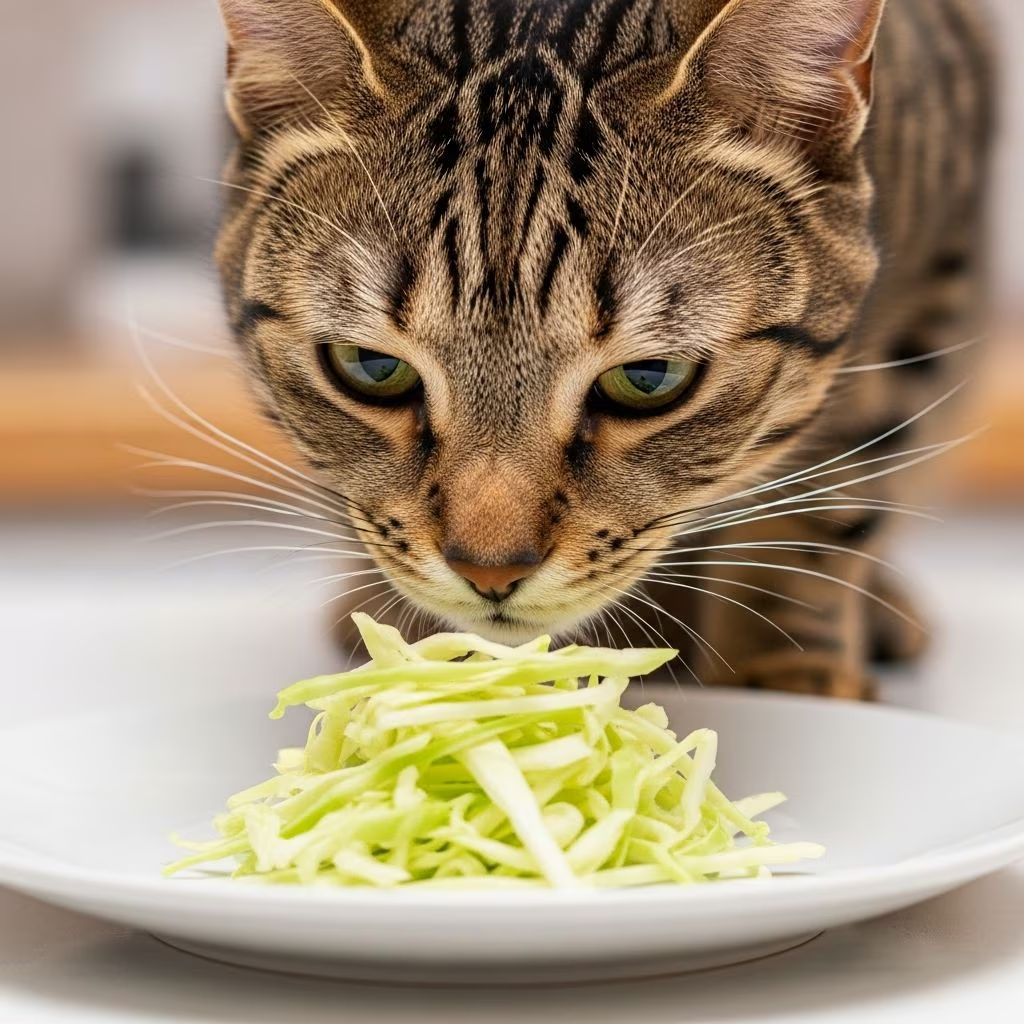
Can Cats Eat Cabbage? Vet-Reviewed Health and Nutrition Advice
Cabbage is not a dangerous food for cats and is safe for them to occasionally nibble on if prepared adequately, but cats will not benefit from eating cabbage, and there are more appropriate treats you can give your cat. There are several important considerations you should understand before offering cabbage or other vegetables to your feline companion. Many cat owners wonder whether the nutritional benefits they enjoy from vegetables like cabbage can be extended to their pets, but the reality is more complex due to cats’ unique dietary requirements and digestive systems.
Before sharing any human food with your cat, it’s essential to consult with your veterinarian first, as certain foods may not be safe depending on your cat’s age, overall health status, any underlying medical conditions, or medications they may be taking. This professional guidance ensures you’re making the best decisions for your pet’s wellbeing.
Understanding Feline Dietary Needs
Cats are obligate carnivores, meaning their bodies are biologically designed to thrive on a meat-based diet. Unlike humans and some other animals, cats cannot synthesize certain essential amino acids from plant-based sources. These amino acids, such as taurine and arginine, are crucial for maintaining proper heart function, vision, immune system health, and overall survival.
A diet based solely on plant proteins cannot be properly digested by cats and can cause serious harm or potentially even death if it becomes their only protein source. This fundamental biological difference explains why vegetables, including cabbage, should never form the foundation of a cat’s diet. Commercial cat foods formulated under veterinary guidance are specifically designed to meet these unique nutritional requirements and provide the complete and balanced nutrition cats need to thrive.
Do Cats Get the Same Nutritional Benefits From Cabbage?
It is highly unlikely that cats will derive any of the nutritional benefits from cabbage that humans do, and even if some benefits are present, they are not significant enough to warrant cabbage becoming part of your cat’s regular diet. There is no peer-reviewed research evaluating the specific benefits of cabbage for cats, and the well-documented health advantages recognized for humans cannot and should not be extrapolated to our feline companions.
While cabbage contains vitamins C and B, along with fiber and other nutrients beneficial to human health, these benefits simply do not translate effectively to cats due to their fundamentally different digestive systems and metabolic processes. Too much cabbage or too frequent inclusion in a cat’s diet can actually be detrimental to their health rather than beneficial. The gastrointestinal tract of cats is not designed to process large quantities of plant fiber, making vegetables an inefficient and potentially problematic food source for them.
Cabbage Varieties and Your Cat
There are several varieties of cabbage available, including green cabbage, red cabbage, and Savoy cabbage. Red cabbage packs many of the same nutritional components that other cabbage varieties offer. If you’re considering offering any variety of cabbage to your cat, the same rules apply: use cooked cabbage in strict moderation, if at all. You may use it as an occasional treat in your cat’s diet only after receiving approval from your veterinarian. The preparation method remains equally important regardless of cabbage variety.
How Do You Prepare Cabbage for Cats to Eat?
If you’ve decided to offer your cat a small taste of cabbage after consulting with your vet, proper preparation is critical to minimize potential digestive upset. Follow these preparation guidelines:
- Cook the cabbage thoroughly: Raw cabbage is quite difficult for cats to chew, and they won’t be able to digest it properly, which can lead to stomach upset and gastrointestinal discomfort.
- Avoid all seasonings and oils: When cooking cabbage for your cat, use plain boiling water only. Never add salt, garlic, onions, spices, or cooking oils, as these can contain toxic ingredients that may harm your feline friend.
- Cut into small pieces: After boiling, allow the cabbage to cool completely and cut it into very small, bite-sized pieces that are easy for your cat to consume.
- Serve plain and unseasoned: Ensure the cabbage is plain with no added ingredients whatsoever before offering it to your cat.
The Thiocyanate Concern
Raw cabbage contains a compound called thiocyanate, which may have negative effects on the thyroid gland if given regularly or in excessive amounts. If your cat is exposed to enough thiocyanate over a long period of time, this could potentially impact thyroid function, although there are currently no documented cases of this occurring in cats from cabbage consumption. The good news is that cooking significantly helps reduce thiocyanate levels, making cooked cabbage a safer option than raw cabbage if you do choose to offer it.
How Much Cabbage Is Safe to Give My Cat?
Determining the appropriate portion size for cabbage treats requires understanding both the amount and frequency of consumption. Giving your cat too much cabbage can be detrimental to their overall health and nutritional status. Here are the key guidelines:
- A small piece of cabbage that your cat accidentally grabbed from the floor is unlikely to cause any harm.
- If you are considering using cabbage as an intentional treat for your cat, consult with your veterinarian first to establish appropriate portion sizes.
- Never allow cabbage to replace a meaningful portion of your cat’s regular diet, as this will fill them with foods that lack the essential vitamins, minerals, and amino acids cats need to thrive.
- Cabbage should not become a regular part of your cat’s diet under any circumstances.
Substituting substantial portions of your cat’s meat-based diet with vegetables will create serious nutritional imbalances and, over time, can develop into life-threatening health issues. Cats fundamentally need meat in their diet for survival and optimal health—this is not negotiable from a nutritional standpoint.
Can Cabbage Cause Allergies in Cats?
Allergies to cabbage are quite rare in cats, as true food allergies to vegetables are uncommon in felines. However, if you notice any unusual signs after your cat eats cabbage, seek veterinary attention immediately. Watch for the following warning signs:
- Itching or skin irritation
- Swelling of the face, mouth, or throat
- Difficulty breathing
- Vomiting or diarrhea
- Excessive drooling
If your cat displays any of these symptoms after consuming cabbage, contact your veterinarian promptly to rule out an allergic reaction or other health concern.
Monitoring Your Cat for Digestive Issues
If your cat has eaten cabbage, whether intentionally or by accident, monitor them closely for signs of digestive upset. Cats may experience gastrointestinal discomfort from cabbage due to its high fiber content and their systems’ inability to efficiently process plant material. Watch for:
- Vomiting: One or more episodes of vomiting may indicate digestive distress.
- Diarrhea: Loose or watery stools are a common response to sudden dietary changes or foods cats cannot easily digest.
- Gas and bloating: Your cat may appear uncomfortable or have a distended abdomen.
- Loss of appetite: Some cats may refuse food if their digestive system is upset.
- Lethargy: Unusual tiredness or lack of interest in normal activities can indicate discomfort.
In most cases, small amounts of cooked cabbage will not cause serious harm, but persistent symptoms warrant a veterinary consultation. If symptoms persist for more than a few hours or worsen, contact your veterinarian immediately.
Better Treat Alternatives for Your Cat
Rather than offering cabbage, consider these more appropriate and species-suitable treat options that align with your cat’s natural dietary needs:
- Cooked chicken: Plain, unseasoned cooked chicken (without bones) is an excellent protein-based treat.
- Cooked fish: Small pieces of cooked, boneless fish (not raw) can be offered occasionally.
- Commercial cat treats: Choose treats specifically formulated for cats by reputable manufacturers.
- Meat-based treats: Look for treats that are primarily meat-based rather than grain or vegetable-based.
These alternatives provide nutritional value that actually benefits your cat while satisfying their natural carnivorous instincts and taste preferences. Cats generally show much more enthusiasm for meat-based treats than vegetables anyway, making these options more enjoyable for your feline friend.
Important Considerations Before Offering Any New Food
Before introducing any new food—whether cabbage or anything else—to your cat’s diet, keep these important points in mind:
- Always consult with your veterinarian before sharing human food with your cat.
- Introduce any new food very gradually to minimize potential digestive upset.
- Observe your cat’s response carefully for at least 24 hours after introducing something new.
- Never force your cat to eat something they show no interest in.
- Remember that most of what cats need nutritionally should come from high-quality commercial cat food.
- Treats of any kind should comprise no more than 10% of your cat’s total daily caloric intake.
Frequently Asked Questions (FAQs)
Q: Is cabbage toxic to cats?
A: No, cabbage is not toxic to cats. However, it is not a species-appropriate food, and cats do not benefit from eating it. Small amounts are unlikely to cause serious harm, but it should not be offered as a regular treat or dietary component.
Q: Can cats eat raw cabbage?
A: Raw cabbage is not recommended for cats. It’s difficult for them to chew and digest, can cause stomach upset, and contains thiocyanate which may affect thyroid function if consumed regularly. Always cook cabbage if you choose to offer it.
Q: How should I prepare cabbage for my cat?
A: Boil plain cabbage in water without any seasonings, oils, salt, or spices. Allow it to cool completely, then cut it into small, bite-sized pieces. Never add anything to the water or to the cooked cabbage.
Q: What if my cat accidentally ate cabbage?
A: Don’t panic. A small amount of cabbage is unlikely to cause serious harm. Monitor your cat for signs of digestive upset such as vomiting or diarrhea. If your cat shows no symptoms or only mild discomfort that resolves quickly, there’s no need for veterinary intervention. Contact your vet if symptoms persist.
Q: Can cabbage help with my cat’s digestion?
A: While cabbage contains fiber that aids digestion in humans, cats’ digestive systems are not designed to process high amounts of plant fiber. Offering cabbage may actually cause digestive upset rather than improve digestion. Consult your vet for proper digestive support.
Q: Are there other vegetables that are safer for cats?
A: While some vegetables like pumpkin can be beneficial in specific situations under veterinary guidance, vegetables should never form a significant part of your cat’s diet. Always consult your veterinarian before offering any vegetables.
Q: How often can I give my cat cabbage?
A: Cabbage should not be given regularly to cats. It should only be considered as an extremely occasional treat, if at all, and only after receiving veterinary approval. Most cats derive no meaningful benefit from cabbage consumption.
In Conclusion
Is cabbage safe for cats to eat? Yes, in very small amounts, if properly prepared. Is it something you should run to the store and purchase and prepare for your cat right now? Not at all. Cats don’t need cabbage to survive, and although it may work as an occasional treat, there are likely better and more appropriate options available.
Every time you decide to make any changes in your cat’s diet, it is essential to contact a veterinarian and ensure you are following the best protocol for your individual pet. Your vet can provide personalized recommendations based on your cat’s age, health status, and specific nutritional needs. Remember that the foundation of your cat’s diet should always be high-quality commercial cat food formulated to meet feline nutritional requirements, with treats and human foods comprising only a tiny fraction of their overall intake.
References
- Cat Nutrition — Feline Obligate Carnivore Requirements — VCA Canada. Accessed 2026-01-14. https://vcacanada.com
- Can Cats Eat Vegetables? Safety and Nutrition Guidelines — The Humane Society of the United States. Accessed 2026-01-14. https://www.humanesociety.org
- Thiocyanate in Cruciferous Vegetables and Effects on Thyroid Function — National Institutes of Health (NIH). Accessed 2026-01-14. https://pubmed.ncbi.nlm.nih.gov
- Safe and Unsafe Foods for Cats: A Comprehensive Guide — American Animal Hospital Association (AAHA). Accessed 2026-01-14. https://www.aaha.org
- Feline Digestive System and Plant-Based Foods — Cornell College of Veterinary Medicine. Accessed 2026-01-14. https://www.vet.cornell.edu



