

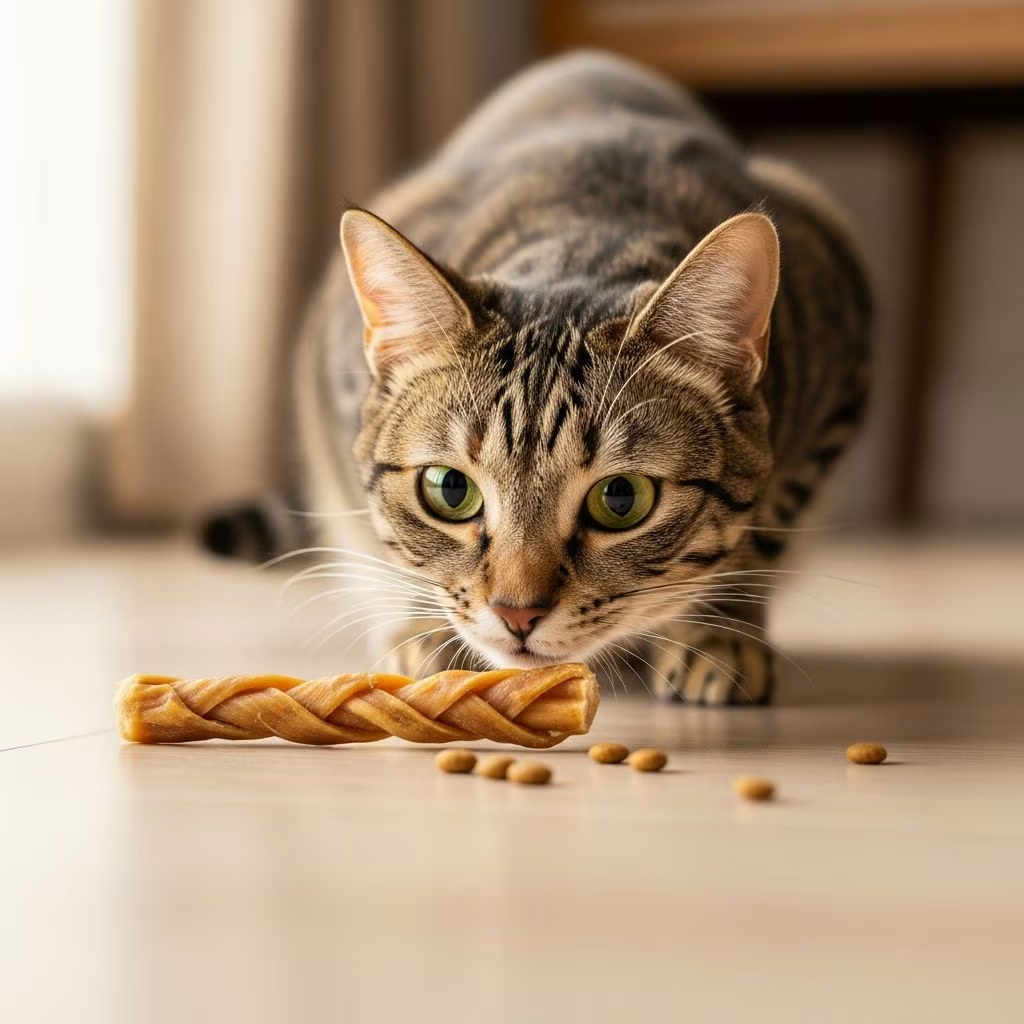
Bully sticks are popular dog treats made from beef pizzle and aren’t toxic to cats. However, their extreme toughness, choking risks, potential for dental damage, and lack of cat-specific nutrition make them an unsafe regular choice for felines. In multi-pet homes, curiosity often leads cats to dog treats, but prioritizing species-appropriate options ensures health.
What Are Bully Sticks?
Bully sticks, also known as pizzle sticks, are long-lasting chews primarily marketed for dogs as a natural alternative to rawhide. They are crafted from the dried penis of a bull or steer, a single-ingredient product composed entirely of beef muscle tissue with no additives, preservatives, or artificial flavors in high-quality versions. This composition makes them highly digestible compared to rawhide, which can expand in the stomach and cause blockages, or bones that splinter easily.
The drying process renders the pizzle into a tough, leathery chew that promotes dental hygiene in dogs by scraping away plaque and tartar through vigorous gnawing. Bully sticks vary in thickness and length, from thin 4-inch options to thick 12-inch giants, allowing customization based on pet size. Their natural beef aroma appeals strongly to dogs, satisfying chewing instincts and providing mental stimulation. For dogs, benefits include high protein content (around 80-90% protein by weight), low fat, and enrichment that reduces destructive behaviors.
While appealing for their simplicity and safety profile in canines, bully sticks are engineered for dogs’ powerful jaws and chewing habits. Cats, as obligate carnivores with smaller, more delicate teeth designed for tearing rather than grinding, interact differently with such treats. Production standards emphasize odor control through oven-baking or air-drying, but the core texture remains unyieldingly hard.
Are Bully Sticks Safe for Cats?
Technically, yes—bully sticks contain no toxic ingredients for cats. Pure bully sticks are 100% beef, aligning with cats’ carnivorous diet. However, safety extends beyond ingredients to physical risks and nutritional suitability. Cats lack the jaw strength and chewing motivation of dogs, often leading to licking rather than proper mastication.
Choking Hazard
The primary danger is choking. Bully sticks’ density means cats may bite off oversized chunks unsuitable for their narrow throats. A piece too large to swallow can lodge in the esophagus, causing gagging, distress, or airway obstruction. Signs include pawing at the mouth, drooling, retching, or labored breathing—emergencies requiring immediate veterinary intervention. Smaller sizes (under 6 inches) reduce but don’t eliminate this risk, especially unsupervised.
Intestinal Obstruction
If a cat swallows fragments without choking, undigested pieces can form blockages in the stomach or intestines. Cats’ shorter, simpler digestive tracts process meat efficiently but struggle with fibrous, partially chewed beef tendon. Symptoms like vomiting, lethargy, abdominal pain, or constipation demand urgent care, potentially involving endoscopy or surgery. Repeated small ingestions compound risks over time.
Dental Damage
Cats’ teeth are carnassial (sharp for shearing meat), not built for hard chewing. Attempting to gnaw bully sticks risks fractures, chips, enamel wear, or gum lacerations. Tooth root abscesses or avulsions can follow, leading to pain, infection, and costly extractions. Veterinary dental exams reveal such issues often stem from inappropriate chews.
Nutritional Deficiency
Bully sticks offer protein but no taurine, arachidonic acid, or balanced vitamins essential for cats. As treats, they shouldn’t exceed 10% of calories; regular use displaces complete feline diets, risking deficiencies like taurine-related cardiomyopathy or blindness. Dogs tolerate imbalances better due to omnivorous adaptations.
Reasons Not to Feed Bully Sticks to Cats
- Dental problems: Fractures, chips, and gum injuries from insufficient chewing power.
- Choking risk: Large pieces obstruct airways or esophagus.
- Intestinal blockages: Swallowed fragments cause obstructions needing surgery.
- Gum and mouth injuries: Sharp edges lacerate soft tissues.
- No nutritional value: Lacks cat-essential nutrients like taurine.
- Bacterial concerns: Improper storage breeds salmonella or E. coli, risky for felines.
Are There Any Dangerous Ingredients in Dog and Cat Treats?
Beyond bully sticks, many dog treats harbor feline-toxic elements. Always scrutinize labels and consult vets. Key hazards include:
Onions, Garlic, and Other Alliums
Alliums (onions, garlic, chives, leeks) contain n-propyl disulfide, damaging feline red blood cells via oxidative stress, causing hemolytic anemia. Even powdered forms in flavors pose threats; symptoms include pale gums, weakness, rapid breathing.
Propylene Glycol (PG)
PG preserves semi-moist dog treats but is banned in cat food by FDA due to Heinz body anemia and lactic acidosis risks. Cats’ deficient glucuronidase enzyme hinders detoxification; high doses trigger seizures, weakness.
| Ingredient | Risk to Cats | Common in Dog Treats |
|---|---|---|
| Alliums (Onion/Garlic Powder) | Anemia | Flavorings |
| Propylene Glycol | Red Cell Damage, Acidosis | Preservatives |
| Xylitol | Hypoglycemia, Liver Failure | Sugar-free varieties |
| Chocolate/Caffeine | Heart Issues, Seizures | Some flavored chews |
Safe Alternatives to Bully Sticks for Cats
Opt for cat-formulated chews softer on teeth and nutritionally balanced. Examples:
- Frozen cat treats or purees (e.g., tuna, chicken).
- Freeze-dried meat crunches (single-protein, no fillers).
- Soft dental chews with enzymes like glucose oxidase.
- Cat grass or silvervine for licking/scratching instincts.
- Commercial options: Greenies Feline Dental Treats, Churu Licks.
For multi-pet homes, store treats separately. Safe human foods in moderation: cooked chicken, fish (no bones), small fruits like blueberries.
Multi-Pet Household Tips
In homes with cats and dogs:
- Separate feeding zones: Use elevated cat shelves.
- Supervise treat time: Remove discarded dog chews promptly.
- Identical packaging avoidance: Choose distinct wrappers.
- Training: Teach ‘leave it’ commands.
If ingestion occurs, monitor for distress and contact vets or ASPCA Poison Control.
Frequently Asked Questions (FAQs)
Q: Can cats eat bully sticks occasionally?
A: Small pieces under supervision are low-risk, but regular feeding invites problems. Prioritize cat treats.
Q: What if my cat stole a bully stick?
A: Watch for choking, vomiting, or lethargy 24-48 hours. Seek vet care if symptoms appear.
Q: Are bully sticks digestible for cats?
A: Yes, pure ones are, but chewing difficulty leads to improper swallowing and blockages.
Q: What’s the smallest safe bully stick size for cats?
A: No size is truly safe; opt for tiny, soft cat alternatives instead.
Q: Can licking a bully stick harm cats?
A: Licking is generally harmless, providing minimal nutrition without chewing risks.
Final Thoughts
While bully sticks won’t poison cats, their risks outweigh benefits. Choose feline-specific treats for health and happiness. Consult vets for personalized advice in multi-pet dynamics.
References
- Can Cats Eat Bully Sticks? Vet-Verified Potential Health Risks — Hepper. 2023-10-15. https://articles.hepper.com/can-cats-eat-bully-sticks/
- Can Cats Eat Bully Sticks? Vet Approved Nutrition Advice — Catster. 2024-05-22. https://www.catster.com/nutrition/can-cats-eat-bully-sticks/
- Propylene Glycol in Pet Food — FDA. 2005-12-17 (authoritative standard). https://www.fda.gov/animal-veterinary/safety-health/pet-food-recalls-compliancenforcement/pet-food-ingredients-list
- Taurine Deficiency in Cats — National Research Council. 2006-01-01 (seminal research). https://nap.nationalacademies.org/catalog/11616/nutrient-requirements-of-dogs-and-cats
- Allium Toxicity in Cats — ASPCA. 2024-01-10. https://www.aspca.org/pet-care/animal-poison-control/toxic-and-non-toxic-plants/onion



