

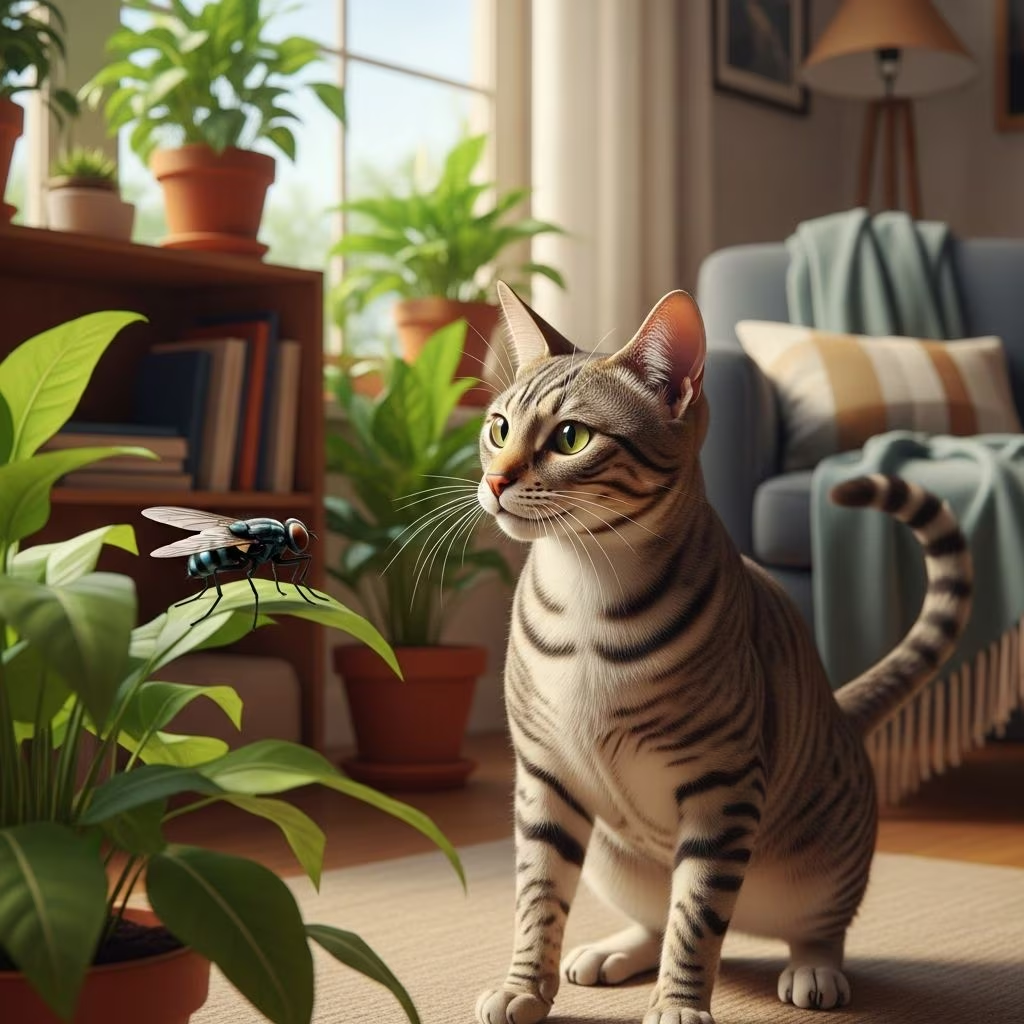
Can Cats Eat Bugs? A Complete Safety and Health Guide
If you’ve noticed your cat chasing flies, batting at moths, or crunching on crickets, you’re witnessing natural feline behavior. Many cat owners wonder whether this bug-eating habit is safe or if it poses health risks. The good news is that most bugs are safe for cats to eat, and this behavior is completely normal. However, not all insects are harmless, and understanding which ones to avoid is essential for keeping your feline friend healthy and safe.
Why Do Cats Eat Bugs?
Cats are natural hunters with strong predatory instincts built over thousands of years of evolution. These instincts don’t disappear just because your cat lives indoors. Eating bugs is a normal and healthy expression of their hunting drive, whether they live in the wild or in your home.
Understanding the reasons behind this behavior can help you appreciate it as a natural part of cat development and wellness:
- Hunting Instinct Satisfaction: Cats are obligate carnivores, and chasing insects satisfies their natural predatory drive. Even well-fed indoor cats retain the instinct to hunt small moving prey, and bugs provide an outlet for this behavior.
- Mental Stimulation: The movement of insects stimulates a cat’s brain and keeps them mentally engaged. This cognitive engagement is crucial for indoor cats that may not have access to varied environmental stimulation.
- Physical Exercise: For indoor cats especially, bugs can offer a valuable source of play and exercise. The chase itself provides physical activity, helping maintain a healthy weight and muscle tone.
- Curiosity and Boredom: Sometimes cats eat bugs simply out of curiosity or because they lack sufficient playtime and environmental enrichment at home. If your cat seems to be eating excessive amounts of bugs, it may indicate they need more interactive play.
- Natural Behavior Completion: Many cats will eat prey even when they’re not hungry. Once they’ve caught an insect, consuming it is a natural completion of the hunting cycle.
Are Bugs Safe for Cats to Eat?
The short answer is yes—most bugs are safe for cats. However, not all insects are equally harmless. Some provide minimal nutritional value while others can pose serious health risks. Knowing the difference between safe and dangerous insects is crucial for protecting your cat.
Safe Bugs for Cats
Several common insects are generally safe for cats to consume:
- Crickets: An excellent source of protein and amino acids, crickets are among the safest insects for cats to eat and are actually used in some specialized cat foods.
- Mealworms: Safe in small amounts and sometimes used in reptile food, these are harmless if your cat happens to consume one.
- Houseflies and Moths: Not toxic to cats, though they may occasionally upset the stomach if eaten frequently.
- Most Spiders: The vast majority of spider species are harmless to cats, though some venomous species exist in specific geographic regions.
Bugs to Avoid
Certain insects should be kept away from your cat whenever possible:
- Bees and Wasps: Stings and bites from these insects can be dangerous, potentially causing allergic reactions or anaphylaxis in sensitive cats.
- Fireflies: Highly toxic to pets, fireflies contain chemicals that can cause serious poisoning if ingested.
- Toxic Spiders: Black widow spiders, brown recluse spiders, and other venomous species can cause serious illness or death.
- Blister Beetles: These insects contain toxic compounds that can harm your cat if ingested.
- Roaches: While not inherently toxic, cockroaches can carry parasites and may have been exposed to pesticides.
- Ants: Certain ant species, particularly fire ants, can deliver painful bites that may cause allergic reactions.
Potential Health Risks of Eating Bugs
While most bug consumption is harmless, several health risks warrant attention and monitoring. Understanding these dangers allows you to recognize symptoms early and seek veterinary care when needed.
Parasitic Infections
Some insects, particularly those found outdoors, can carry parasites that may infect your cat. Fleas and certain beetles can transmit tapeworms and other parasitic infections, leading to digestive issues, weight loss, and general malaise. Regular veterinary check-ups and preventative parasite treatments are essential for cats that hunt outdoors.
Bacterial and Toxin Exposure
Insects can carry harmful bacteria or be contaminated with pesticides and other chemicals. If your cat ingests a contaminated bug, they may experience vomiting, diarrhea, lethargy, drooling, tremors, seizures, or even collapse. Cats living in areas where pesticides or chemical treatments are used should be monitored closely.
Allergic Reactions
Just like humans, cats can have allergic reactions to insect bites or stings. These reactions may present as swelling, itching, difficulty breathing, or anaphylaxis in severe cases. If your cat shows any signs of an allergic reaction after encountering an insect, seek immediate veterinary attention.
Choking Hazards
Although rare, some larger insects could pose a choking hazard if not chewed properly, particularly for kittens or cats with dental issues. Ensure that your cat is eating insects that are small and manageable.
Nutritional Considerations
While bugs provide some protein and nutrients, they should never replace a balanced, high-quality cat food formulated to meet complete nutritional requirements. Insects can supplement a cat’s diet but are not a reliable or safe primary food source.
How to Manage Your Cat’s Bug-Eating Behavior
If you want to reduce your cat’s bug consumption while still respecting their natural instincts, several strategies can help:
- Increase Playtime: Provide interactive toys and regular play sessions to satisfy hunting instincts and reduce boredom-related bug eating.
- Remove Insects Promptly: Keep your home clean and seal entry points to minimize the number of insects available for your cat to catch.
- Use Window and Door Screens: Properly maintained screens prevent insects from entering your home and reduce your cat’s access to outdoor bugs.
- Environmental Enrichment: Offer climbing trees, puzzle feeders, and varied toys to keep indoor cats mentally stimulated and engaged.
- Supervise Outdoor Time: If your cat spends time outdoors, monitor them to prevent consumption of dangerous insects and to manage exposure to pesticides.
Nutritional Value of Insects
Insects are increasingly recognized as a sustainable and allergy-friendly source of protein in pet nutrition. Research shows that insect nutrients, particularly amino acids, have high digestibility and are beneficial to feline health without detrimental effects on the digestive system. However, while bugs can provide some nutritional value, they should not replace a complete and balanced commercial cat diet. Your cat’s primary nutrition should come from high-quality cat food specifically formulated to meet all their dietary requirements.
When to Seek Veterinary Care
Monitor your cat after they eat a bug, and contact your veterinarian if you notice any concerning symptoms:
- Vomiting or diarrhea lasting more than a few hours
- Excessive drooling or difficulty swallowing
- Tremors, seizures, or unusual weakness
- Difficulty breathing or signs of anaphylaxis
- Lethargy or loss of appetite
- Swelling of the face, mouth, or throat
- Any other unusual behavioral changes
Additionally, ensure your cat receives regular veterinary check-ups to maintain overall health. Your veterinarian can provide personalized advice on parasite prevention, assess any concerns about your cat’s diet and behavior, and help you develop a health maintenance plan tailored to your cat’s specific needs.
Preventing Dead Bug Consumption
Dead bugs may carry bacteria or have been exposed to pesticides, making them potentially harmful if ingested. It’s safer to prevent your cat from eating dead insects by removing them promptly from your home. Dead bugs in corners, windowsills, or other areas should be cleaned up regularly to reduce your cat’s access to them.
Frequently Asked Questions
Q: Can eating bugs provide nutritional benefits to cats?
A: While bugs contain protein and nutrients, they should not replace a balanced cat diet. Research indicates that insects have high digestibility and beneficial amino acids, but bugs are best viewed as occasional supplements rather than primary nutrition sources. Your cat’s primary diet should consist of high-quality commercial cat food formulated to meet all their nutritional needs.
Q: What symptoms indicate my cat was poisoned by a bug?
A: Look for drooling, vomiting, tremors, seizures, weakness, lethargy, or difficulty breathing. These signs require immediate veterinary attention. If you suspect pesticide poisoning, also note any unusual behavior or muscle twitching.
Q: Are all spiders dangerous to cats?
A: No, most spiders are harmless to cats. Only a few venomous species, such as black widows and brown recluses, pose serious risks. It’s important to identify local dangerous spiders in your area and keep your cat away from them when possible.
Q: How can I stop my cat from eating bugs indoors?
A: Increase playtime with interactive toys, remove insects promptly, use screens on windows and doors to reduce bug access, and provide environmental enrichment like climbing trees and puzzle feeders. Addressing boredom through increased engagement often reduces bug-hunting behavior.
Q: Is it safe for cats to eat dead bugs?
A: Dead bugs may carry bacteria or pesticides, so it’s safer to prevent your cat from eating them. Regular cleaning of areas where dead insects accumulate reduces your cat’s exposure to potentially contaminated prey.
Q: What should I do if my cat eats a bee or wasp?
A: Monitor your cat closely for signs of allergic reaction, including swelling, difficulty breathing, or anaphylaxis. If you notice any concerning symptoms, contact your veterinarian immediately. Bee and wasp stings can be dangerous, especially for cats with insect allergies.
Q: Can cats eat crickets as part of their diet?
A: Yes, crickets are among the safest insects for cats to eat and are an excellent source of protein and amino acids. Some specialized cat foods now include crickets or other insects as sustainable protein sources, though they should not replace complete commercial diets.
Conclusion
Eating bugs is a natural part of your cat’s hunting behavior and, in most cases, poses no harm to your feline friend. While there are some safety considerations—such as exposure to pesticides, potential parasitic infections, and choking hazards—the occasional bug snack is generally safe. By understanding which insects are safe and which to avoid, providing your cat with appropriate toys and environmental enrichment, ensuring regular veterinary care, and monitoring your cat’s health, you can help manage any risks associated with this behavior while respecting your cat’s natural instincts. The key is informed management: maintain a healthy, balanced diet as your cat’s primary nutrition, provide plenty of mental and physical stimulation through interactive play, and stay vigilant about parasite prevention and regular health check-ups. With these strategies in place, you can feel confident allowing your cat to express their natural hunting behaviors safely.
References
- Can Cats Eat Bugs? Safety Tips and Health Considerations — MyWaggle. 2025. https://mywaggle.com/blogs/pet-health/can-cat-eat-bugs
- Can Cats Eat Bugs? Safety & Health Guide — Zoorithm. 2025. https://www.zoorithm.com/cats/can-cat-eat-bug
- Can Cats Eat Bugs? — Go! Solutions. 2025. https://go-solutions.com/en-us/blog/can-cats-eat-bugs
- Can Cats Eat Insects? — Dr. Ruth Roberts. 2025. https://drruthroberts.com/blogs/pet-blog/can-cats-eat-insects
- Why Do Cats Like Watching Bugs? — PetMD. 2025. https://www.petmd.com/cat/behavior/why-do-cats-like-watching-bugs
- Insects as Feed for Companion and Exotic Pets: A Current Trend — National Center for Biotechnology Information (NCBI). 2022. https://pmc.ncbi.nlm.nih.gov/articles/PMC9179905/



