

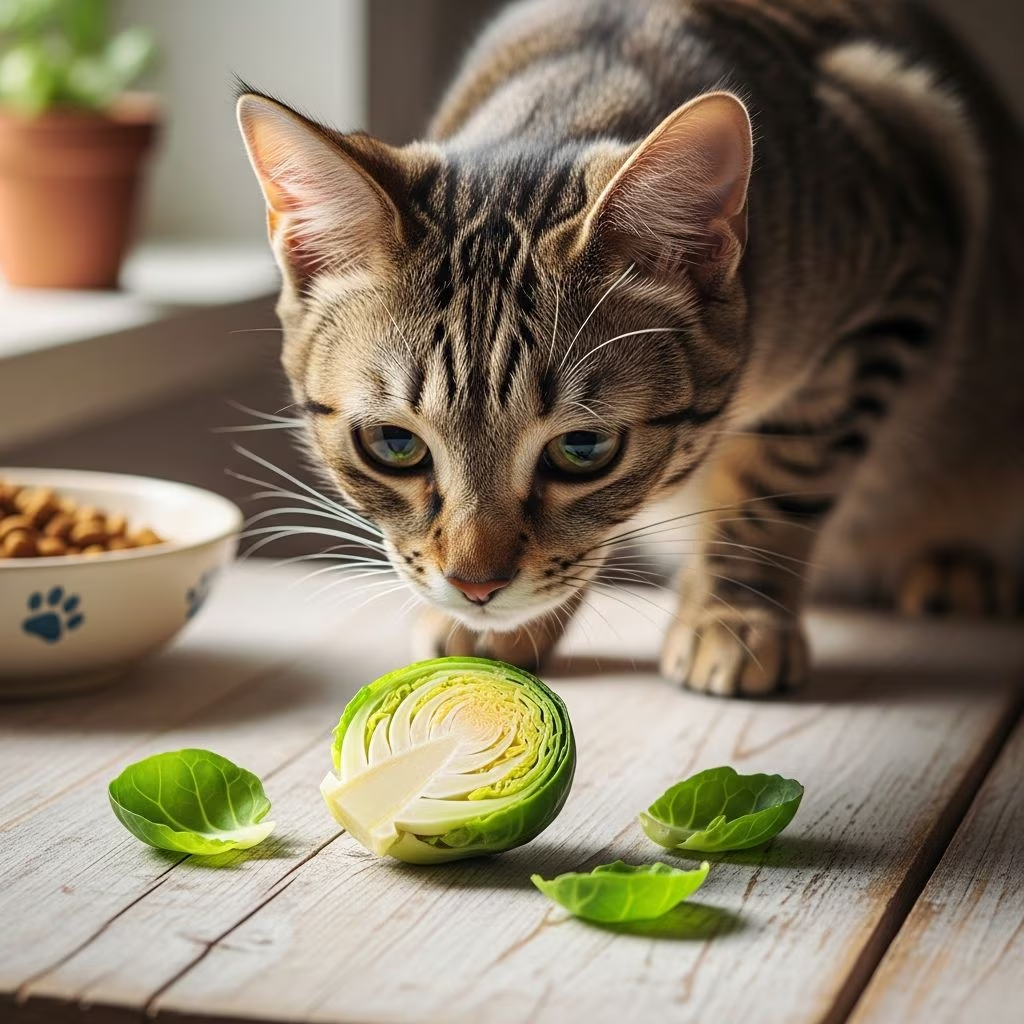
Is It Safe to Feed Cats Brussels Sprouts?
The short answer is yes—Brussels sprouts are non-toxic to cats, making them a safe occasional treat when prepared properly. However, context matters significantly when determining whether they’re appropriate for your feline companion. If your cat accidentally consumed a few bites of Brussels sprouts, there’s no need to worry about toxicity or immediate illness. These cruciferous vegetables present no inherent danger to cats from a toxicological standpoint.
That said, feeding Brussels sprouts to your cat does require caution in certain circumstances. These vegetables should never become your cat’s primary food source, as cats are obligate carnivores requiring meat-based nutrition to thrive. Additionally, Brussels sprouts cultivated in warm and humid environments can develop potentially hazardous bacteria, which poses a food safety risk. Understanding the proper preparation and portion sizes ensures that Brussels sprouts can be safely incorporated into your cat’s diet as an occasional supplement rather than a regular staple.
Nutritional Benefits of Brussels Sprouts for Cats
While cats don’t require vegetables to meet their nutritional needs, Brussels sprouts do offer several beneficial nutrients that can complement a meat-based diet when provided in moderation. These green vegetables pack an impressive nutritional profile that can support your cat’s overall health.
Key Nutrients Found in Brussels Sprouts
- Vitamin C: Supports immune system function and helps reduce inflammation in your cat’s body, contributing to overall wellness and disease resistance.
- Vitamin K: Essential for proper blood clotting and bone health, promoting skeletal strength and preventing bleeding disorders.
- Antioxidants: Combat free radicals in your cat’s body, potentially reducing the risk of chronic diseases and supporting cellular health.
- Fiber: Aids digestive function and promotes healthy bowel movements, preventing constipation and supporting gastrointestinal health.
- Low Calorie Content: At minimal caloric density, Brussels sprouts present no risk of contributing to obesity or excessive weight gain.
- Low Fat Content: Making them an ideal occasional treat without adding unnecessary dietary fat.
These nutritional components work synergistically to provide supplemental health benefits. The vitamins present in Brussels sprouts can help protect your cat’s immune system, enhance vision clarity, strengthen bones and teeth, and improve skin and fur quality. The antioxidants specifically help combat the growth of cancerous cells, offering potential preventative health benefits for long-term wellness.
Can Cats Eat Raw Brussels Sprouts?
The answer is definitively no—cats should never consume raw Brussels sprouts. Raw Brussels sprouts present multiple health hazards that cooked versions do not, making them unsuitable for feline consumption regardless of portion size.
Raw Brussels sprouts significantly increase the risk of food poisoning in cats due to potential bacterial contamination. Additionally, raw sprouts contain goitrin, a compound that can interfere with thiamine (Vitamin B1) metabolism, which is essential for maintaining a healthy thyroid. Excessive exposure to this compound can cause the thyroid to swell into a goiter, a condition that requires veterinary intervention.
Signs of Bacterial Illness to Monitor
If your cat has consumed raw Brussels sprouts, watch for these warning signs within the first 72 hours:
- Stomach pain or abdominal discomfort
- Diarrhea or loose stools
- Vomiting or retching
- Fever or elevated body temperature
- Muscle spasms or tremors
Cooking Brussels sprouts eliminates these raw-related risks by destroying bacteria and deactivating goitrin compounds, making them safe for your cat to consume when prepared correctly.
Risks and Precautions When Feeding Brussels Sprouts to Cats
Understanding potential risks helps pet owners make informed decisions about their cat’s diet. While Brussels sprouts are non-toxic, they do come with specific considerations that shouldn’t be overlooked.
Primary Health Concerns
- Digestive Upset: Excessive consumption can cause gas, bloating, or diarrhea due to the high fiber and sulfur compounds in Brussels sprouts. These compounds, while beneficial in small amounts, can be problematic in larger quantities.
- Allergic Reactions: Some cats may be allergic or sensitive to cruciferous vegetables. Individual feline biology varies, and what works for one cat may not work for another.
- Potential Liver Damage: Large amounts of Brussels sprouts have been associated with liver concerns in cats, emphasizing the importance of strict portion control.
- Choking Hazard: Improperly prepared sprouts that aren’t cut into small pieces present a choking risk.
- Harmful Seasonings: Garlic, onions, salt, and other common seasonings are toxic to cats and must never be added to Brussels sprouts.
Before introducing Brussels sprouts to your cat’s diet, always consult your veterinarian, particularly if your cat has pre-existing health conditions, takes medications, or has a history of food sensitivities. This precautionary step ensures that Brussels sprouts are appropriate for your specific cat’s individual health profile.
How to Properly Prepare Brussels Sprouts for Your Cat
Proper preparation is crucial for ensuring Brussels sprouts are safe and digestible for your feline friend. Following these steps minimizes health risks and maximizes nutritional benefits.
Step-by-Step Preparation Guide
- Wash Thoroughly: Rinse Brussels sprouts under clean running water to remove pesticides, dirt, and potential bacterial contamination. Use a vegetable brush if available to ensure thorough cleaning.
- Cook Until Soft: Steam or boil the sprouts for approximately ten minutes until they become soft and tender. This cooking process makes them easier for your cat to digest and significantly reduces gas-causing compounds.
- Cool Completely: Allow the cooked sprouts to cool to room temperature before serving to prevent burns or discomfort.
- Cut Into Small Pieces: Chop or mince the sprouts into small, manageable pieces to prevent choking and encourage easy eating and digestion.
- Serve Plain: Never add seasonings, oils, butter, sauces, salt, pepper, or any other additives that could be harmful to cats or cause digestive upset.
The cooking process is essential because it softens the vegetable structure, making it easier for your cat’s digestive system to process. Cooking also reduces the sulfur compounds responsible for gas and bloating, decreasing the likelihood of digestive discomfort following consumption.
Appropriate Portion Sizes and Feeding Frequency
Controlling portions and feeding frequency is absolutely critical when offering Brussels sprouts to your cat. Even though they’re safe, more is not better when it comes to vegetables for obligate carnivores.
Recommended Serving Guidelines
- Initial Introduction: Start with approximately half a teaspoon as a test serving to assess your cat’s tolerance level and identify any potential sensitivities or allergic reactions.
- Gradual Increase: If the initial serving is well-tolerated without adverse reactions, you may gradually increase to a full teaspoon per serving.
- Feeding Frequency: Limit Brussels sprout servings to once or twice weekly at maximum to prevent digestive upset and maintain balanced overall nutrition.
- Monitor Closely: After each feeding, observe your cat for signs of discomfort, vomiting, diarrhea, or unusual behavior. Discontinue immediately if any adverse symptoms occur.
- Primary Nutrition Focus: Always prioritize high-quality commercial cat food specifically formulated for feline nutritional needs as the main food source. Brussels sprouts should remain a rare treat, never supplementing the meat-based diet essential for optimal health.
This conservative approach ensures that Brussels sprouts enhance rather than interfere with your cat’s primary nutrition. Remember that cats evolved as carnivores with minimal vegetable consumption in their natural diet, so vegetables should represent only a tiny fraction of their overall caloric intake.
Alternative Safe Vegetables for Cats
If Brussels sprouts don’t appeal to your cat or you prefer offering variety, several other vegetables are safe for feline consumption. Veterinarians often recommend serving only one vegetable type at a time to avoid complications and to make identifying any adverse reactions easier.
Other safe vegetable options for cats include carrots (cooked and cut small), pumpkin (plain canned or cooked), green beans (cooked and chopped), and zucchini (cooked and diced). Each vegetable should be prepared plain without seasonings and introduced gradually in small portions while monitoring for individual tolerance.
Frequently Asked Questions
Q: Are Brussels sprouts toxic to cats?
A: No, Brussels sprouts are not toxic to cats. They pose no toxicological danger and can be safely offered in small, properly prepared amounts. However, they should never replace a cat’s meat-based diet.
Q: Can kittens eat Brussels sprouts?
A: Kittens can technically consume Brussels sprouts, but it’s best to wait until they’re fully developed and eating a stable adult diet. Always consult your veterinarian before introducing any new foods to kittens.
Q: What should I do if my cat eats raw Brussels sprouts?
A: Monitor your cat closely for signs of food poisoning within the first 72 hours, including stomach pain, diarrhea, vomiting, fever, or muscle spasms. Contact your veterinarian if any symptoms develop.
Q: Can Brussels sprouts help my cat lose weight?
A: Brussels sprouts are low in calories and high in fiber, which can contribute to satiety and potentially support weight management when used as a supplement to a controlled diet. However, weight loss should always be managed under veterinary supervision.
Q: How do I know if my cat is allergic to Brussels sprouts?
A: Signs of allergic reaction include vomiting, diarrhea, itching, skin irritation, or behavioral changes following consumption. If you notice any of these symptoms, discontinue feeding Brussels sprouts and consult your veterinarian.
Q: Can cats eat Brussels sprouts frozen?
A: Frozen Brussels sprouts should be thawed and cooked before serving to your cat. Never serve frozen vegetables directly, as they may cause digestive distress and are difficult for cats to chew.
Q: What’s the safest way to introduce Brussels sprouts to my cat?
A: Start with half a teaspoon of plain, cooked, and chopped Brussels sprouts. Wait several days before offering again, and observe your cat for any adverse reactions. Gradually increase portions only if well-tolerated.
Final Recommendations
Brussels sprouts can be a nutritious, non-toxic addition to your cat’s diet when handled with appropriate caution and preparation. These vegetables offer beneficial vitamins, minerals, and antioxidants that can support your cat’s immune system and overall health. However, they should always remain a rare treat rather than a dietary staple.
The key to safely feeding Brussels sprouts lies in proper preparation—always cook them thoroughly, cut them into small pieces, serve them plain without any seasonings or additives, and maintain strict portion control. Start with small amounts and monitor your cat’s response carefully. When in doubt about whether Brussels sprouts or any other food is appropriate for your specific cat, consult your veterinarian for personalized nutritional guidance based on your cat’s individual health status and dietary needs.
References
- Can Cats Eat Brussels Sprouts? Safety & Tips — Zoorithm. 2024. https://www.zoorithm.com/cats/can-cat-eat-brussel-sprout
- Can Cats Eat Brussels Sprouts? Vet-Approved Diet Facts & FAQ — Catster. 2024. https://www.catster.com/nutrition/can-cats-eat-brussels-sprouts/
- Can Cats Eat Brussels Sprouts? — Wag! (Wagwalking). 2024. https://wagwalking.com/wellness/can-cats-eat-brussel-sprouts
- Can Cats Eat Vegetables? — Bella+Duke. 2024. https://www.bellaandduke.com/cats/expert-advice/cat-nutrition/can-cats-eat-vegetables/
- Can Brussels Sprouts Be a Healthy Pet Treat? — Bark & Whiskers. 2025. https://www.barkandwhiskers.com/content/files/2025/04/can-your-pets-eat-brussels-sprouts.pdf
- Can Cats Eat Brussel Sprouts? — Next Gen Paws. 2024. https://nextgenpaws.pet/blogs/news/can-cats-eat-brussel-sprouts



