

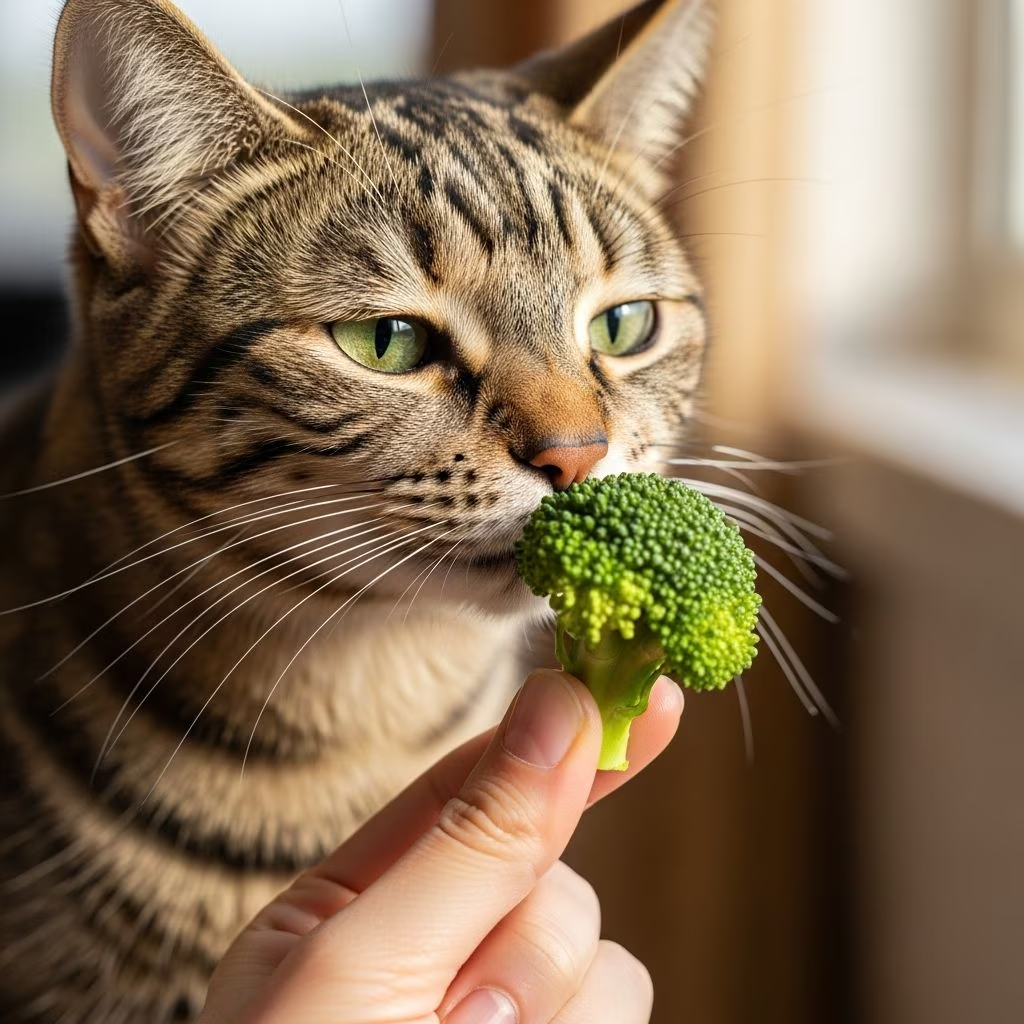
Cats are obligate carnivores, meaning their diet should primarily consist of meat-based proteins. However, many cat owners wonder if they can offer occasional vegetable treats like broccoli. The good news is that broccoli is safe and non-toxic for cats when fed in moderation. This cruciferous vegetable provides certain nutritional benefits, such as fiber for digestion and antioxidants for overall health, without posing immediate dangers like some other human foods.
While cats don’t require vegetables to thrive—their commercial cat foods are formulated to meet all nutritional needs—small amounts of plain broccoli can serve as a low-calorie treat or topper. Veterinary sources confirm that broccoli lacks toxic compounds found in onions, garlic, or grapes, making it a viable option for most healthy cats. Always introduce it gradually and consult your vet, especially for cats with pre-existing conditions like urinary issues or digestive sensitivities.
Nutritional Profile of Broccoli for Cats
Broccoli is packed with nutrients that can complement a cat’s diet in tiny portions. Per 100 grams, it offers approximately 2.9 grams of dietary fiber, significant vitamin C (over 100% daily value for humans, but cats produce their own), vitamin K, potassium, iron, and antioxidants like sulforaphane. These elements support digestion, immunity, and cellular health, though cats metabolize plant nutrients differently than omnivores.
- Fiber: Soluble and insoluble fiber aids in regular bowel movements and prevents constipation.
- Antioxidants: Combat free radicals, potentially reducing inflammation and supporting heart, liver, and eye health.
- Vitamins and Minerals: Vitamin K for blood clotting, potassium for heart rhythm, though cats derive most needs from meat.
- Low Calories: Ideal for weight management in overweight cats, with high water content (about 90%) promoting hydration.
Broccoli sprouts may contain up to 50 times more antioxidants than mature florets, but they’re harder to source and prepare safely for cats.
Benefits of Feeding Broccoli to Cats
Fiber for Digestive Health
One of the primary advantages of broccoli is its high fiber content, which helps maintain soft stools and promotes regular bowel movements. Cats on dry kibble-only diets often benefit from added roughage to support gut microbiome health and prevent constipation. Fiber adds bulk to stools, easing passage and reducing straining. For cats with chronic GI issues, broccoli’s soluble fiber acts like a natural probiotic, soothing discomfort without medications.
Antioxidants and Anti-Inflammatory Effects
Rich in sulforaphane and other compounds, broccoli helps neutralize free radicals that damage cells in the heart, liver, eyes, and other organs. This antioxidant boost may lower inflammation body-wide, enhance immunity, and even reduce cancer risk—though studies are more robust in humans than felines. For senior cats, these properties support overall vitality.
Hydration and Weight Management
With 90% water content, broccoli contributes to daily hydration, crucial for cats prone to urinary crystals or those not drinking enough. As a low-calorie treat (about 34 calories per 100g), it satisfies snack cravings without packing on pounds, making it superior to many commercial treats high in carbs and fats.
Heart Health Support
Potassium in broccoli regulates heart rhythm and muscle function, potentially lowering cardiovascular disease risk—a growing concern in obese or older cats.
Potential Risks and Downsides
Despite its benefits, broccoli isn’t perfect for every cat. Overfeeding can lead to issues due to its plant-based nature and specific compounds.
Oxalic Acid Content
Broccoli contains oxalic acid, which binds to calcium and hinders absorption. In kittens or large quantities, it may contribute to urinary stones or blockages, painful conditions common in male cats. Limit intake for young cats or those with urinary histories.
Excess Vitamin C and Bladder Stones
Cats synthesize their own vitamin C, so broccoli’s high levels (165% DV per serving) are unnecessary and excessive amounts could promote bladder stone formation, especially in predisposed cats.
Digestive Upset and Gas
Too much fiber causes gas, bloating, diarrhea, or vomiting. Cats lack enzymes to fully break down plant cell walls, leading to fermentation in the gut.
Choking and Obstruction Hazards
Large florets or stalks pose choking risks or intestinal blockages. Cats with dental issues may struggle with tough textures.
| Risk | Description | Prevention |
|---|---|---|
| Oxalic Acid | Calcium interference, stones | Small portions, avoid in kittens |
| GI Upset | Gas, diarrhea from fiber | Moderation, cooked form |
| Choking | Large pieces | Chop finely, steam |
| Vitamin C Excess | Bladder issues | Tiny amounts |
How to Safely Prepare and Serve Broccoli to Cats
Raw vs. Cooked: Steamed is Best
Raw broccoli is tough, harder to digest, and riskier for choking. Lightly steamed or boiled softens it while preserving nutrients like vitamins C and folate. Avoid microwaving, which can unevenly cook and reduce benefits. Pureeing is great for picky eaters or kittens but may destroy some heat-sensitive vitamins.
Step-by-Step Preparation Guide
- Wash thoroughly to remove pesticides.
- Chop into tiny, cat-mouth-sized pieces (pea-sized).
- Steam or boil for 5-7 minutes until tender-crisp.
- Cool completely; never serve hot.
- No seasonings, oils, salt, butter, garlic, or onions—these are toxic.
- Mix as a topper or offer plain.
Serving Sizes and Frequency
Broccoli should not exceed 10% of daily calories. For an average 10-lb cat (200-250 calories/day), that’s about 1 teaspoon (5g) chopped broccoli daily max—roughly one small floret. Offer 2-3 times weekly, not daily, to avoid overload. Start with 1/4 teaspoon to monitor tolerance.
Portion Guide by Cat Size:
- Kitten/Small cat: 1/4 tsp, 1-2x/week
- Average adult: 1 tsp/day max
- Large cat: 1.5 tsp, sparingly
Alternatives to Broccoli for Cats
If broccoli doesn’t appeal, safe veggies include:
- Pumpkin: Excellent for digestion, hairballs.
- Carrots: Cooked, for fiber and beta-carotene.
- Green beans: Low-cal, hydrating.
- Zucchini: Mild, high-water content.
Avoid toxic ones like onions, garlic, tomatoes (leaves), or high-sugar veggies.
Frequently Asked Questions (FAQs)
Is broccoli toxic to cats?
No, broccoli is non-toxic and safe in small, plain amounts. It’s not harmful like allium family veggies.
Can kittens eat broccoli?
Limit to tiny bits due to oxalic acid risks; best after 6 months and only occasionally.
How much broccoli can I give my cat?
1 teaspoon chopped, cooked per day max for adults—10% of calories.
Can I feed my cat broccoli stalks or leaves?
Yes, they’re equally nutritious; cook and chop finely to reduce toughness.
What if my cat eats too much broccoli?
Watch for vomiting, diarrhea, or lethargy. Contact vet if symptoms persist; induce vomiting only on professional advice.
Does broccoli help with cat hairballs?
Its fiber can aid passage, similar to pumpkin.
Conclusion: Moderation is Key
Broccoli can be a healthy, occasional treat for cats, providing fiber, antioxidants, and hydration without replacing their meat-based diet. Always prioritize quality cat food, prepare properly, and feed sparingly to reap benefits minus risks. Monitor your cat’s response and consult a vet for personalized advice—happy, healthy kitties start with balanced nutrition!
References
- Can Cats Eat Broccoli? – PetMD — PetMD. 2023-05-15. https://www.petmd.com/cat/nutrition/can-cats-eat-broccoli
- Can Cats Eat Broccoli? Benefits, Risks, and Safe Feeding Tips — Basepaws. 2024-02-10. https://basepaws.com/blog/can-cats-eat-broccoli
- Can Cats Eat Broccoli? – Wag! — WagWalking. 2023-11-20. https://wagwalking.com/wellness/can-cats-eat-broccoli
- Can Cats Eat Broccoli | Safe Feeding Tips for Feline Health — Feline Fancy. 2024-01-05. https://felinefancy.co.uk/blogs/cat-care-tips/can-cats-eat-broccoli
- Can Cats Eat Broccoli? – Cornucopia Pet Foods — Cornucopia Pet Foods. 2023-08-12. https://www.cornucopiapetfoods.com/blogs/news/can-cats-eat-broccoli



