

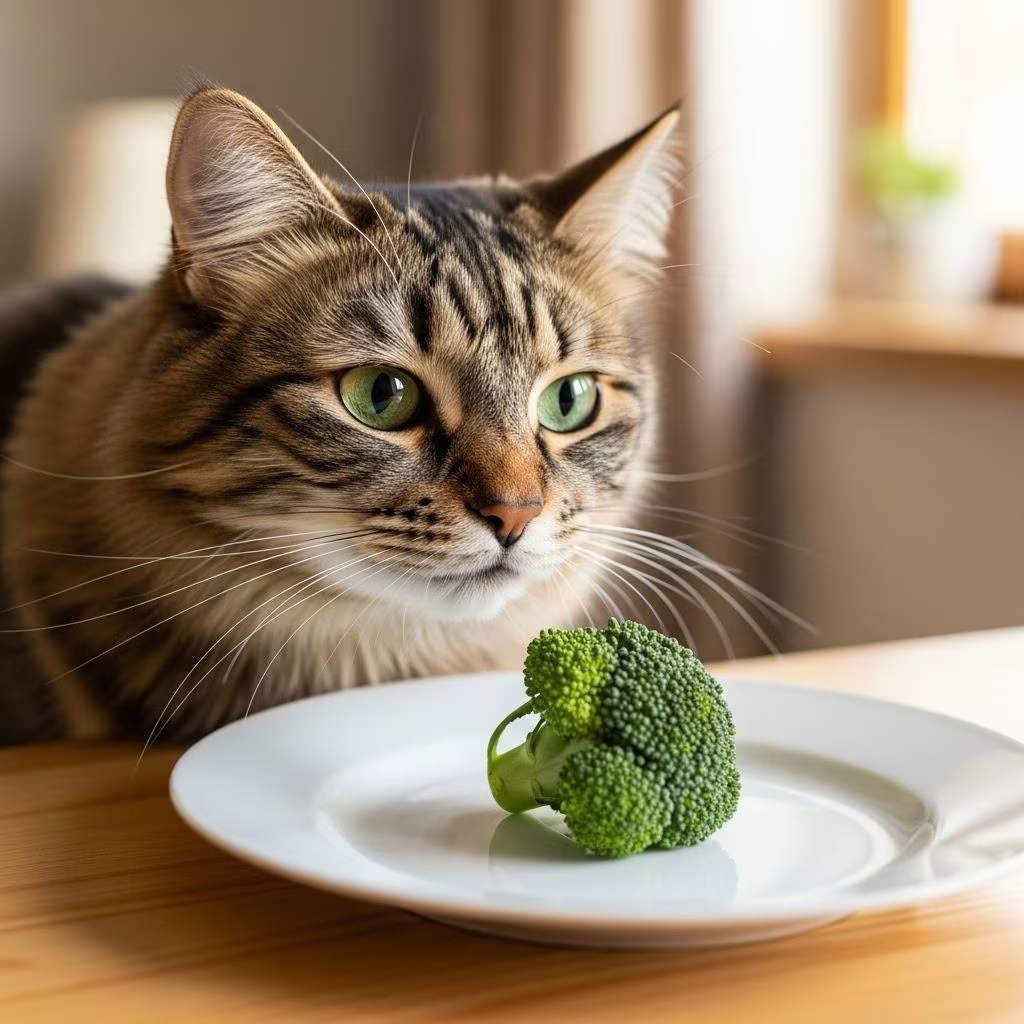
Broccoli is safe for cats to eat in small amounts, offering nutritional benefits like fiber and vitamins without toxicity risks.However, as obligate carnivores, cats should not rely on vegetables as a dietary staple; limit broccoli to occasional treats comprising no more than 10% of daily calories.
This guide explores broccoli’s safety, benefits, risks, preparation methods, and answers common questions, helping cat owners make informed choices for their pet’s health.
Is Broccoli Safe for Cats?
Yes, broccoli is non-toxic and entirely safe for most cats when fed in moderation. Unlike harmful foods like onions or garlic, broccoli poses no direct poisoning risk and is listed among safe vegetables such as carrots and peas.
Cats’ short digestive tracts are optimized for meat, lacking enzymes to fully break down plant matter. Small portions of plain, cooked broccoli can supplement a meat-based diet without issue. Veterinary sources confirm it’s low in calories, sugars, and fats, making it a healthy occasional snack.
- Non-toxic florets, stems, and leaves: All parts are safe, though high fiber means moderation is key.
- No essential need: Complete cat foods provide all required nutrients; broccoli adds variety, not necessity.
Nutritional Benefits of Broccoli for Cats
Broccoli packs nutrients that can benefit cats sparingly. Per 100g, it offers about 2.9g fiber, plus vitamins and minerals supporting digestion and overall health.
Fiber for Digestive Health
The soluble fiber (around 2g per serving) promotes regular bowel movements, softens stools, and prevents constipation. It acts like a natural probiotic for cats with chronic GI issues, easing discomfort and supporting gut microbiome.
Vitamins and Antioxidants
Rich in vitamin C (165% DV), vitamin K, vitamin A, folate, iron, potassium, and calcium. These aid blood clotting (K), eye/bone health (A), red blood cell production (folate, iron), heart function (potassium), and anemia prevention.
- Antioxidants like sulforaphane: Broccoli sprouts have 50x more than mature heads, potentially reducing inflammation, fighting free radicals, and lowering cancer risk.
- Low-calorie treat: Helps with weight management over high-calorie commercial snacks.
- Hydration boost: High water content (89%) supports fluid intake.
While beneficial, cats derive bioavailable nutrients from quality cat food, so over-supplementing isn’t needed.
Potential Risks and Downsides
Despite benefits, excess broccoli can harm due to cats’ carnivorous biology.
| Risk | Description | Prevention |
|---|---|---|
| GI Upset | Gas, bloating, diarrhea from high fiber and cruciferous compounds | Small portions, cooked only |
| Choking/Blockage | Large pieces pose hazards, especially raw | Chop finely, steam |
| Oxalic Acid | Binds calcium; risky for kittens (growth issues) or adults (urinary stones) | Tiny amounts for young cats |
| Vitamin C Excess | High levels may form bladder stones in prone cats | Moderation |
| Nutrient Imbalance | Displaces meat-based nutrition | <10% calories |
Raw broccoli is hardest to digest, exacerbating issues. Cats with dental problems or sensitivities may struggle more.
How to Safely Serve Broccoli to Cats
Preparation maximizes safety and appeal while preserving nutrients.
Raw vs. Cooked: Cooked Wins
Lightly steamed or boiled is best—softens texture, reduces choking risk, eases digestion vs. raw (which causes GI distress). Steaming retains vitamins C and folate better than boiling or pureeing.
- Portion size: Start with pea-sized pieces; max 1-2 tsp daily for adults.
- No seasonings: Plain only—no salt, oil, butter, garlic, or onions.
- Frequency: 1-2 times weekly as treat.
Preparation Steps
- Wash thoroughly.
- Chop into tiny florets/stems.
- Steam 3-5 minutes until tender-crisp.
- Cool completely.
- Mix as topper or offer alone; puree for picky eaters (note: may lose some nutrients).
For kittens: Minimal amounts post-weaning, avoiding high oxalates. Consult vets for seniors or health conditions.
Alternatives to Broccoli for Cats
If broccoli doesn’t appeal, try these safe veggies:
- Pumpkin: Excellent for digestion, hairballs (plain canned).
- Carrots: Cooked, chopped—beta-carotene source.
- Green Beans: Low-cal fiber boost.
- Peas: Protein-rich, easy to digest.
Always prioritize meat-based foods.
Frequently Asked Questions (FAQs)
Can cats eat raw broccoli?
No, avoid raw—it’s a choking hazard and hard to digest, causing gas or upset. Opt for steamed.
How much broccoli can a cat eat?
Small bites occasionally; not exceeding 10% daily calories to prevent fiber overload.
Why do cats like broccoli?
Chewy texture or scents from cooking; some enjoy the mild flavor.
Is broccoli good for kittens?
Limited tiny amounts only—high oxalates interfere with calcium.
Can broccoli help with cat constipation?
Yes, fiber aids regularity in moderation.
Broccoli stems or leaves for cats?
Safe like florets, but chop finely due to toughness.
Broccoli can delight veggie-curious cats safely when fed thoughtfully. Monitor reactions and consult your vet for personalized advice, ensuring a balanced, carnivore-appropriate diet.
References
- Can cats eat broccoli? The truth about feline nutrition — Untamed. 2023. https://untamed.com/blogs/nutrition/can-cats-eat-broccoli
- Can Cats Eat Broccoli? Benefits, Risks, and Safe Feeding Tips — Basepaws. 2023. https://basepaws.com/blog/can-cats-eat-broccoli
- Can Cats Eat Broccoli | Safe Feeding Tips for Feline Health — Feline Fancy. 2023. https://felinefancy.co.uk/blogs/cat-care-tips/can-cats-eat-broccoli
- Can Cats Eat Broccoli? — PetMD. 2024-05-15. https://www.petmd.com/cat/nutrition/can-cats-eat-broccoli
- Can Cats Eat Broccoli? — Cornucopia Pet Foods. 2023. https://www.cornucopiapetfoods.com/blogs/news/can-cats-eat-broccoli
- Can Cats Eat Broccoli? Human Food for Cats — Kinship. 2023. https://www.kinship.com/cat-nutrition/can-cats-eat-broccoli



