

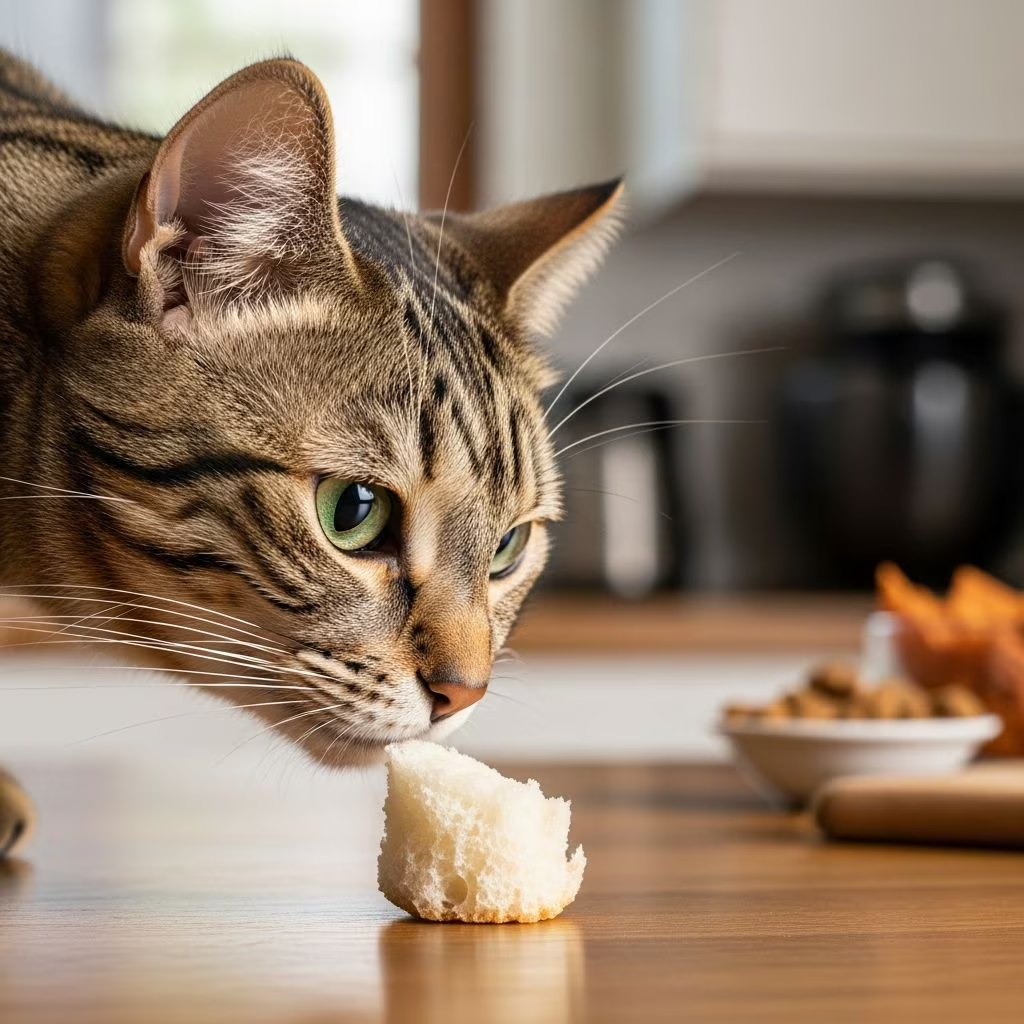
Can Cats Eat Bread?
Many cat owners wonder whether their feline companions can safely enjoy bread, especially when their curious pets show interest in toast or other baked goods. The straightforward answer is yes—cats can eat bread, but with important conditions and limitations. According to veterinary experts, plain, regular baked bread is safe for cats when offered in strictly limited quantities. However, the key is understanding that just because cats can eat bread doesn’t necessarily mean they should, as bread offers minimal nutritional value for felines.
Cats are obligate carnivores, meaning their bodies are designed to derive essential nutrients primarily from meat and meat-based products. This fundamental dietary requirement means that bread, which is carbohydrate-heavy and protein-poor, provides what veterinarians call “empty calories”—calories without meaningful nutritional benefit. A single slice of white bread can provide approximately one-fifth of all the calories an average adult cat needs in an entire day, making portion control absolutely critical.
Why Treats Matter: Understanding Portion Control
When offering any treat to your cat, including bread, it’s essential to understand the “treat rule.” Veterinary nutritionists recommend that treats should account for no more than 5 to 10 percent of a cat’s daily caloric intake. This guideline exists because excessive treat consumption can disrupt your cat’s carefully balanced nutritional profile, potentially leading to deficiencies in essential nutrients they need from their primary diet.
The challenge with bread is that it’s calorie-dense relative to its portion size. For a cat, a single small bite—approximately 10 grams or less of plain bread—represents an appropriate serving. This tiny portion may seem insignificant to humans, but it’s substantial in terms of a cat’s daily caloric needs. Feeding larger pieces or offering bread too frequently can cause your cat to feel full without obtaining the protein, taurine, and other vital nutrients their body requires.
How Often Can Cats Eat Bread?
If you decide to offer your cat bread as an occasional treat, moderation is paramount. Cats can safely eat bread approximately once or twice per week at most, and only in very small amounts. This frequency ensures that bread doesn’t displace essential nutrients from your cat’s primary diet or contribute to weight gain and metabolic issues.
It’s important to monitor your cat’s overall treat consumption throughout the week. If your cat receives treats from other sources—whether commercial cat treats, human food scraps, or other table foods—you should reduce or eliminate bread offerings to maintain the 5 to 10 percent treat threshold. Many cat owners underestimate how quickly treat calories add up, particularly when multiple family members are offering small bites throughout the day.
Some cats naturally show little interest in bread, while others seem fascinated by the aroma and texture. If your cat falls into the latter category, it may be wise to store bread in sealed containers and keep it away from accessible countertops to prevent opportunistic nibbling. Consistency in feeding practices helps establish healthy eating habits and prevents unwanted weight gain.
Types of Bread: Safe and Unsafe Options
Not all breads are created equal when it comes to feline safety. Understanding which types of bread are acceptable and which pose health risks is crucial for responsible cat ownership.
Safe Bread Options
Plain white bread, plain wheat bread, and plain rye bread are the most acceptable options for cats. The critical word here is “plain”—meaning absolutely no toppings, seasonings, herbs, or flavorings of any kind. When offering these breads, ensure they are fully baked, with no raw or undercooked portions.
Gluten-free bread can also be safe for cats, provided your cat is in good health and doesn’t have an existing gluten allergy (which is actually quite rare in felines). The same feeding guidelines apply: only a small bite-sized piece once or twice weekly, and only plain varieties without added ingredients.
Unsafe Bread Types to Avoid
Certain bread varieties contain ingredients that are toxic or harmful to cats and should be completely avoided:
Sweet Breads
Sweet breads present particular dangers for feline companions. Many sweet breads contain raisins, which can cause acute kidney failure in cats, even in small quantities. Banana bread, for example, is high in carbohydrates and can lead to digestive problems and metabolic issues. Additionally, some sweet breads contain xylitol, an artificial sweetener that is extremely toxic to cats, potentially causing liver failure or death.
Savory Breads
Savory breads are typically seasoned with ingredients that are dangerous for cats. Garlic and onion, common bread seasonings, can cause hemolytic anemia in felines—a serious condition affecting red blood cell function. Other problematic seasonings include tomatoes and various herbs. Even small amounts of these ingredients can accumulate to dangerous levels if bread is offered repeatedly.
Brioche and Enriched Breads
Brioche and similar enriched breads are made with eggs and milk, both of which can upset a cat’s digestive system. Additionally, these breads tend to be higher in sugar content, which offers no benefit to cats and may contribute to weight gain and diabetes risk.
Breads with Toppings
Any bread with toppings—whether seeds, nuts, herbs, or other additions—should be avoided. Even seemingly innocent toppings can contain ingredients harmful to cats or present choking hazards.
The Critical Danger: Raw Bread Dough
One of the most serious risks associated with bread and cats is raw, unbaked bread dough. This is not a “sometimes okay” situation—raw bread dough is genuinely dangerous and should be considered a veterinary emergency if ingested.
When cats consume raw bread dough, it can cause severe bloating that may become life-threatening. The yeast present in raw dough undergoes fermentation in the cat’s warm digestive system, producing ethanol alcohol as a byproduct. This alcohol production can result in seizures, respiratory distress, and in severe cases, fatality. Additionally, the expanding dough itself can cause dangerous gastric distention.
Cat owners should store raw dough securely and never leave it unattended on countertops or tables where curious cats might access it. If you suspect your cat has consumed raw dough, seek immediate veterinary attention, as this is a genuine medical emergency.
Health Considerations for Specific Conditions
Certain cats should completely avoid bread regardless of quantity or type. Cats with specific health conditions are at higher risk for complications from bread consumption:
Cats with Diabetes
Cats with diabetes should not eat any bread. The carbohydrate content in bread can cause blood sugar spikes, which complicates diabetes management and may require insulin adjustment. A cat with diabetes requires careful nutritional management to maintain stable glucose levels.
Cats with Kidney Disease
Cats suffering from kidney disease or kidney failure should avoid bread entirely. Their specialized diet is carefully formulated to minimize kidney workload, and bread offers no nutritional benefit while adding unnecessary metabolic stress.
Cats with Heart Disease
Cats with heart disease should not consume bread, as the carbohydrate load and potential sodium content can stress their cardiovascular system. These cats require specific dietary management to support heart function.
Obese Cats
Overweight or obese cats should avoid bread entirely. Even small portions of calorie-dense bread can hinder weight loss efforts and contribute to further weight gain. For these cats, every calorie counts, and treats should be limited to low-calorie, high-protein options specifically formulated for weight management.
Bread and Milk: A Combination to Avoid
A common misconception suggests that bread and milk make a suitable treat for cats. This combination is actually problematic for multiple reasons. First, most cats are lactose intolerant—their bodies lack sufficient lactase enzyme to properly digest milk or milk products. Second, combining bread’s high carbohydrates with milk’s lactose can cause digestive upset, including vomiting and diarrhea. Additionally, the carbohydrate load from bread can cause blood sugar fluctuations, potentially leading to insulin spikes and subsequent hypoglycemia.
Nutritional Reality: Why Bread Doesn’t Benefit Cats
Bread is essentially nutritionally empty for cats. While it contains calories that can contribute to weight gain, it lacks the essential nutrients cats require. Cats need high-quality animal-based protein, taurine (an essential amino acid found only in meat), and specific vitamins and minerals that their obligate carnivore metabolism depends upon.
When a cat fills up on bread, it may consume fewer calories from its nutritionally complete diet, creating a net nutritional loss. This is particularly concerning for kittens and young cats who have higher nutritional demands for growth and development, as well as for senior cats who may have reduced appetites and need maximum nutrition from every bite.
Signs Your Cat Has Eaten Too Much Bread
If your cat consumes excessive bread, watch for these warning signs:
- Gastrointestinal upset, including vomiting or diarrhea
- Lethargy or decreased activity
- Changes in litter box habits
- Abdominal bloating or discomfort
- Weight gain over time with repeated overfeeding
- Loss of appetite for regular food
If you notice any of these symptoms, consult your veterinarian. In cases where your cat has consumed large quantities of bread or shows severe symptoms, seek immediate veterinary care.
Feeding Guidelines Summary
To safely offer bread to your cat, follow these essential guidelines:
- Only offer plain, fully baked bread with absolutely no toppings or seasonings
- Limit portions to a single small bite (approximately 10 grams or less)
- Offer bread no more than once or twice per week
- Ensure bread comprises no more than 5-10% of daily caloric intake
- Never offer raw bread dough under any circumstances
- Avoid all sweet breads, savory breads with seasonings, and enriched breads
- Remove crusts before offering bread
- Never combine bread with milk or other problematic foods
- Exclude bread entirely for cats with diabetes, kidney disease, heart disease, or obesity
- Consult your veterinarian before introducing any new foods
Healthier Treat Alternatives
Rather than offering bread, consider healthier alternatives that provide actual nutritional value. Cooked, plain chicken or turkey without seasoning, small amounts of cooked fish, or specially formulated cat treats designed by veterinary nutritionists offer better nutritional profiles. Many commercial cat treats are specifically designed to satisfy cats while meeting their nutritional needs and maintaining appropriate calorie levels.
Frequently Asked Questions (FAQs)
Q: Is there any nutritional benefit to feeding bread to cats?
A: No. Bread is essentially empty calories for cats, containing no essential nutrients they cannot obtain from their regular diet. Cats derive no significant nutritional benefit from bread consumption.
Q: What should I do if my cat eats a large piece of bread?
A: Monitor your cat closely for signs of digestive upset or choking. Contact your veterinarian if your cat shows symptoms like vomiting, difficulty breathing, or lethargy. If raw dough was consumed, seek immediate emergency veterinary care.
Q: Can kittens eat bread?
A: While plain bread isn’t toxic to kittens, it’s not recommended. Kittens require nutrient-dense food to support growth and development, and bread offers no benefit while potentially displacing essential nutrition from their diet.
Q: Is whole wheat bread better than white bread for cats?
A: While whole wheat bread may offer slightly more nutrients than white bread, both are inappropriate regular treats for cats. Neither variety provides meaningful nutritional benefit, and the carbohydrate content remains problematic.
Q: How can I stop my cat from stealing bread off the counter?
A: Store bread in sealed containers or the refrigerator, keep countertops clear, and redirect your cat’s attention to appropriate toys or treats when they show interest in bread.
Q: Can cats have bread crumbs or toast?
A: Plain toast in tiny amounts is technically safe, but bread crumbs should generally be avoided as they’re difficult to portion appropriately. Stick to small pieces of plain, soft bread if you choose to offer any at all.
Conclusion
While cats can technically eat plain, baked bread in very small amounts without experiencing immediate toxicity, the practical reality is that bread offers no nutritional benefit and poses unnecessary risks if not handled carefully. As an obligate carnivore, your cat thrives on a diet rich in animal-based protein and specifically formulated cat nutrition. Bread—whether white, wheat, or specialty varieties—is fundamentally incompatible with feline nutritional requirements.
If you wish to offer your cat treats, choose options that actually contribute to their health and wellbeing. Always consult your veterinarian before introducing new foods, particularly if your cat has any existing health conditions. By understanding bread’s limitations and potential dangers, you can make informed decisions that support your feline companion’s long-term health and longevity.
References
- Can Cats Eat Bread? — Chewy. 2025. https://www.chewy.com/education/cat/food-and-nutrition/can-cats-eat-bread
- Can Cats Eat Bread? — PetMD. 2025. https://www.petmd.com/cat/nutrition/can-cats-eat-bread
- Can Cats Eat Bread? Understanding Cat Diet — Noble Vet Clinic. 2025. https://noblevetclinic.com/blog/can-cats-eat-bread-understanding-cat-diet
- Can Cats Eat Bread? Is it Safe or Unsafe? — Hill’s Pet Nutrition. 2025. https://www.hillspet.com/cat-care/nutrition-feeding/can-cats-eat-bread
- Can Cats Eat Bread? A Cat Lover’s Guide to Feline Nutrition — Genius Litter. 2025. https://geniuslitter.com/blogs/cat-nutrition/can-cats-eat-bread-a-cat-lovers-guide-to-feline-nutrition



