

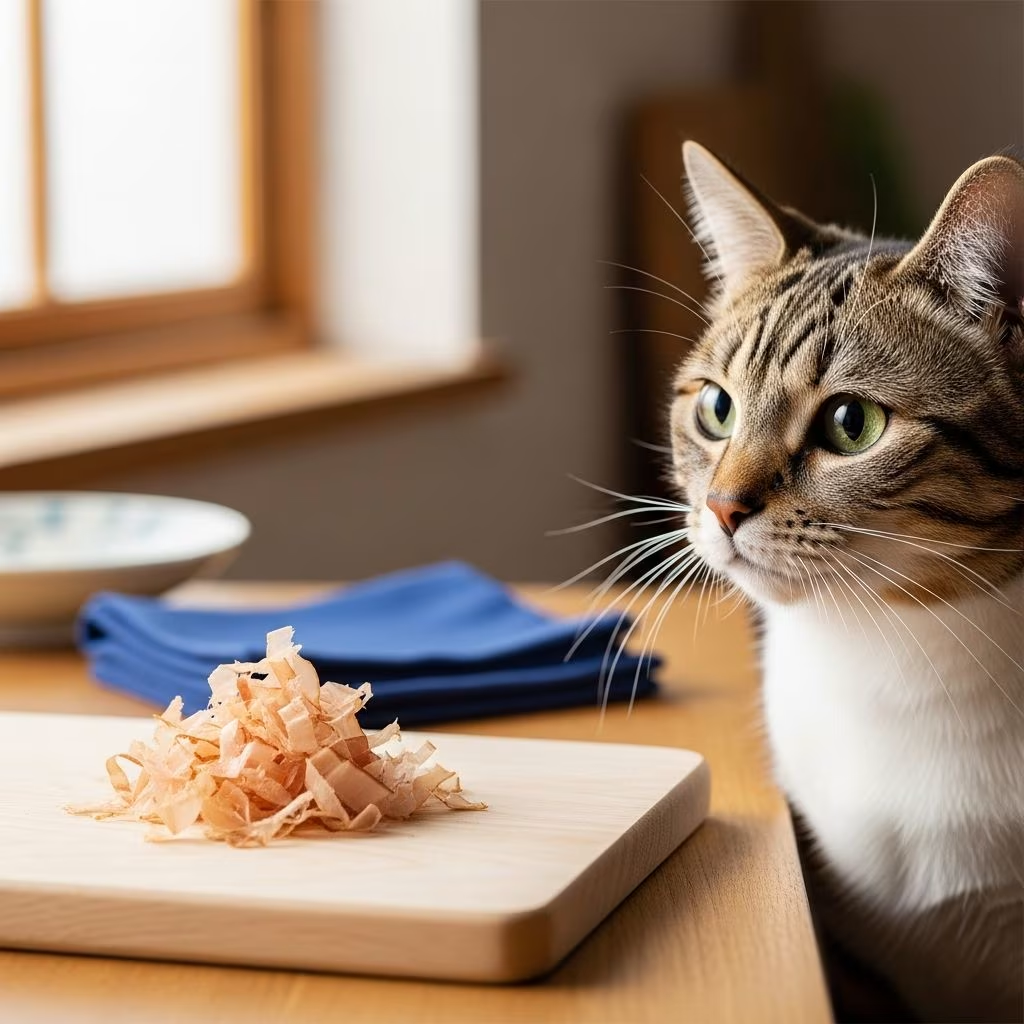
Bonito flakes, also known as katsuobushi in Japanese cuisine, are dried, fermented, and smoked shavings from skipjack tuna (katsuo). These thin, curly flakes are prized in human food for their umami flavor but have gained popularity as a cat treat due to their fishy aroma and texture that drives felines wild. As obligate carnivores, cats thrive on animal-based proteins, and bonito flakes align well with their natural dietary preferences.
But can cats eat bonito flakes safely? The short answer is yes, in moderation. Veterinary experts generally approve them as an occasional treat or food topper, provided they are cat-specific products without harmful additives. They boast a favorable nutritional profile: high in protein (typically 70-80%), low in fat and carbohydrates, mimicking the prey cats would hunt in the wild like small fish or birds. Unlike commercial kibble often filled with grains, bonito flakes offer a pure, species-appropriate snack.
Always consult your veterinarian before introducing any new food, especially if your cat has health issues like allergies, kidney disease, or obesity. Quality matters—opt for flakes made for pets from reputable brands to minimize contaminants. Now, let’s dive into the details of what makes bonito flakes a purr-fect treat.
What Are Bonito Flakes?
Bonito flakes originate from the bonito fish (Euthynnus pelamis or Katsuwonus pelamis), a member of the tuna family abundant in the Pacific Ocean. The production process involves gutting the fish, filleting it, repeatedly boiling it in saltwater, smoking it over hardwood, and fermenting it with mold (Aspergillus oryzae) for flavor development. The result is molded blocks that are shaved into delicate pink-brown flakes using a special plane called a katsuobushi kezuriki.
In human cuisine, they’re used in soups (dashi), salads, and toppings. For cats, pet-grade versions skip excessive human seasonings like soy or MSG. These flakes are lightweight, shelf-stable, and dissolve quickly in hot water, releasing an irresistible scent due to inosinic acid that triggers cats’ heightened sense of smell—up to 14 times stronger than humans’.
Nutritionally, a typical 100g serving provides about 75g protein, 5g fat, negligible carbs, and key micronutrients. They’re naturally low-mercury compared to larger predatory fish like albacore tuna, making them safer for regular use. However, they’re not a complete diet—cats need balanced AAFCO-approved food for all essential nutrients.
Bonito Flake Health Benefits
Bonito flakes shine as a nutrient-dense treat. Their macro ratio—high protein, moderate fat, low carb—matches feline needs perfectly. Cats in the wild derive 50-60% of calories from protein; bonito delivers without excess fillers. Here’s a breakdown of standout benefits:
- Superior Protein Boost: Provides highly digestible animal protein for muscle maintenance, energy, and satiety. Ideal for picky eaters or seniors needing extra lean protein.
- Low Mercury Risk: Skipjack bonito accumulates less mercury than bigger tunas, reducing heavy metal exposure concerns.
Taurine
Taurine, an essential amino acid cats cannot synthesize, is abundant in bonito flakes. Vital for heart function (prevents dilated cardiomyopathy), vision (avoids retinal degeneration), reproduction, and immune health, deficiency leads to blindness, heart failure, or FIP-like symptoms. Commercial cat foods supplement taurine, but natural sources like bonito enhance intake safely.
Fatty Acids
Rich in omega-3s (EPA and DHA), these support anti-inflammatory effects, cardiovascular health, glossy coat/skin, and joint mobility—reducing arthritis risk in older cats. Omega-3s also aid cognitive function and may mitigate allergies.
Vitamin B12
Cobalamin (B12) bolsters nerve health, red blood cell production, and immunity. Deficiency causes anemia or neurological issues; bonito’s natural B12 absorption surpasses synthetic forms.
Vitamin B6
Pyridoxine aids protein metabolism, neurotransmitter synthesis, and immune response. It ensures efficient nutrient uptake from meals.
Calcium and Vitamin D
Calcium builds strong bones/teeth; vitamin D (scarce in cats unable to sun-synthesize it efficiently) enhances absorption. Bonito provides balanced amounts to prevent skeletal issues.
Selenium and Magnesium
Selenium acts as an antioxidant for thyroid/immunity; magnesium supports enzyme function, hormone balance, and nerve signaling. Both promote overall vitality.
Nutritional Comparison Table:
| Nutrient | Bonito Flakes (per 100g) | Typical Dry Cat Food | Benefit for Cats |
|---|---|---|---|
| Protein | 75g | 30-40g | Muscle repair, energy |
| Fat | 5g | 15-20g | Healthy skin/coat |
| Carbs | <1g | 20-40g | Low-glycemic |
| Taurine | High (natural) | Supplemented | Heart/eye health |
Potential Downsides & Risks
While beneficial, bonito isn’t risk-free. Moderation is key to avoid issues:
- Imbalance if Overfed: Not nutritionally complete—excess displaces balanced meals, risking taurine/protein gaps ironically, or obesity from calories (380 kcal/100g).
- Thiamine Deficiency Myth: Raw fish historically blocked thiamine, but processing destroys enzymes.
- Mercury/Allergens: Low risk, but sensitive cats may react; choose tested products.
- Historical Concerns: 2015 EU import pause over benzopyrene (smoke carcinogen) and mold risks, but North American products are safe with precautions. No widespread cat issues reported.
- GI Upset: Overindulgence causes vomiting/diarrhea due to richness.
Fish-heavy diets link to hyperthyroidism or acne anecdotally, but evidence is weak for treats. Vets recommend <10% calories from treats.
How Much Bonito Flakes Can You Give Your Cat?
No universal dose—tailor to weight, activity, health. Guideline: 3-5 small pinches (0.5-1g total) daily for 10lb cat, equaling 5-10 calories (10% treat limit). Break large flakes; monitor weight/stools. Puppies/kittens: half; overweight cats: less. Discontinue if adverse reactions occur.
Ways to Feed Bonito Flakes
Versatile beyond handfuls:
- Treat/Training Aid: Tiny pieces for rewards; low-cal motivates without filling.
- Food Topper: Sprinkle on kibble/wet food for palatability boost—great for finicky eaters.
- Feeder Toys: Fill puzzle toys; flakes’ lightness suits lick mats or balls.
- Broth/Hydration: Soak in warm water for savory ‘soup’ encouraging drinking.
- Bake into Jerky: Mix with egg, dehydrate for chews.
Store airtight to preserve aroma. Introduce gradually.
Final Thoughts
Bonito flakes are a healthy, vet-approved treat elevating your cat’s diet with natural goodness. Their nutrient density, safety profile, and appeal make them superior to many processed snacks. Feed mindfully as part of a balanced regimen for a thriving feline friend.
Frequently Asked Questions (FAQs)
Q: Can all cats eat bonito flakes?
A: Most can, but consult a vet for those with fish allergies, kidney issues, or sensitivities. Choose pet-grade products.
Q: Are bonito flakes better than tuna treats?
A: Often yes—lower mercury, higher taurine, fewer additives.
Q: How do I know if my cat likes them?
A: The intense ‘fish dance’—zoomies, rubbing, drooling—is a giveaway!
Q: Can dogs eat bonito flakes too?
A: Yes, many brands are dog-safe; benefits similar for coat and health.
Q: What’s the shelf life?
A: 1-2 years unopened; 6 months opened in cool, dry storage.
References
- Can Cats Eat Bonito Flakes? Vet-Approved Facts & Benefits — Catster. 2023. https://www.catster.com/nutrition/can-cats-eat-bonito-flakes/
- Can Cats Eat Bonito Flakes? Vet-Reviewed Facts & Important — Hepper. 2023. https://articles.hepper.com/can-cats-eat-bonito-flakes/
- Feline Nutrition Education — Feline Nutrition Foundation (via referenced standards). 2022. https://hare-today.com/feline-nutrition/nutrition/eight-effective-bribes-for-the-kibble-addict



