

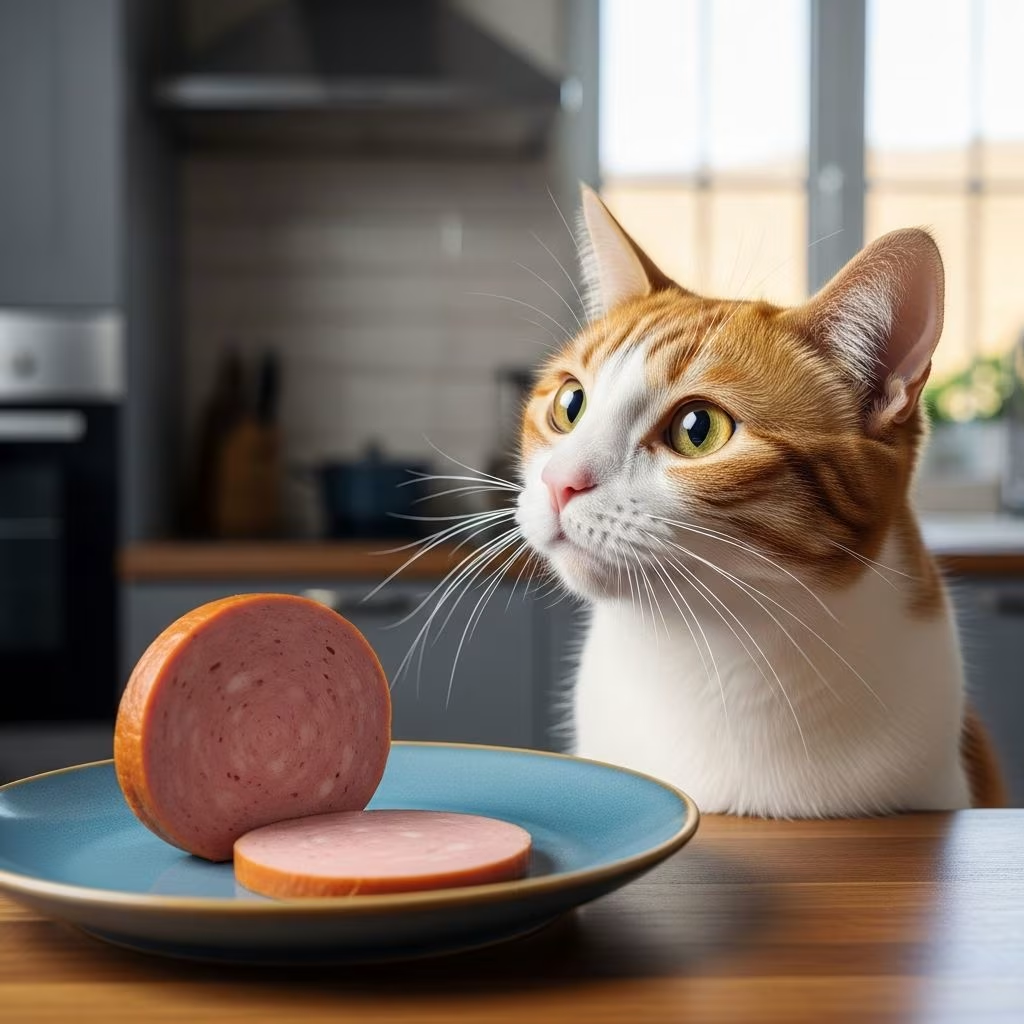
Bologna, a popular processed lunch meat made from beef, pork, or chicken, is not toxic to cats but is not recommended as a treat due to its high sodium, fat, preservatives, and spices that can harm feline health over time. Cats are obligate carnivores requiring specific nutrients like taurine, which bologna lacks, making it an unbalanced choice for regular feeding.
The Short Answer
Small amounts of plain bologna occasionally may not cause immediate harm, but regular or large servings can lead to dehydration, obesity, digestive upset, and long-term issues like kidney strain or pancreatitis. Veterinarians advise against it, favoring nutrient-rich cat treats instead.
What Is Bologna?
Bologna is a finely ground, smoked sausage typically composed of mixed meats such as pork, beef, or chicken, emulsified with fat, water, salt, spices, and preservatives like sodium nitrite or nitrates. It’s heavily processed to extend shelf life and enhance flavor, often containing fillers like corn starch that cats struggle to digest. While appealing to cats’ meat-loving instincts, these additives make it unsuitable for their sensitive systems.
- Key ingredients: Meats (pork/beef/chicken), high sodium (up to 800mg per slice), saturated fats, nitrates/nitrites, garlic/onion powder (toxic in quantity), dextrose, and binders.
- Processing: Cured, smoked, and sliced for convenience, stripping natural nutrients.
This composition prioritizes human taste over pet nutrition, leading to potential feline health risks when shared.
Is Bologna Safe for Cats?
Bologna is not outright poisonous like chocolate or grapes, but its safety is limited. A tiny piece (pea-sized) once in a blue moon might be tolerated by healthy adult cats, but kittens, seniors, or those with conditions like kidney disease should avoid it entirely. The high salt content (often 300-500mg per ounce) exceeds a cat’s daily needs (around 40-60mg), risking salt toxicity symptoms like excessive thirst and urination.
| Factor | Impact on Cats | Safe Threshold |
|---|---|---|
| Sodium | Dehydration, hypertension, kidney strain | <10% daily calories from treats |
| Fat | Obesity, pancreatitis | Minimal; lean meats preferred |
| Preservatives (Nitrates) | Digestive upset, potential cancer links | Avoid entirely |
| Spices/Garlic | Anemia, GI irritation | None |
Always cut into tiny pieces to prevent choking, and monitor for reactions. Fresh water access is crucial post-feeding.
Health Risks of Bologna for Cats
Processed meats like bologna pose multiple dangers due to their formulation. High sodium disrupts electrolyte balance, causing thirst, frequent urination, and in severe cases, sodium ion poisoning with symptoms like tremors or seizures. Excessive fat contributes to weight gain—cats need only 20-35% calories from fat—and can inflame the pancreas, leading to pancreatitis, a painful condition requiring veterinary intervention.
- Digestive issues: Preservatives, spices, and fillers like corn starch cause vomiting, diarrhea, or constipation.
- Nutritional gaps: Lacks taurine (essential for heart/eye health), leading to deficiencies if treats displace balanced kibble/wet food.
- Allergies/Sensitivities: Nitrates or spices may trigger itching, swelling, or skin problems.
- Long-term effects: Obesity links to diabetes; repeated exposure strains kidneys, especially in older cats.
Studies on processed meats in pets mirror human concerns: the World Health Organization classifies them as Group 1 carcinogens for humans, and similar risks apply to animals via chronic inflammation.
How Much Bologna Can You Safely Give a Cat?
Limit to no more than 10% of daily caloric intake from all treats combined (e.g., 5-10 calories for a 10lb cat). A single thin slice (1oz) has ~250 calories, far exceeding this—offer only a 1/4-inch cube max, once a month. Introduce gradually: start with a speck, wait 24-48 hours for issues. Never make it a habit; safer options abound.
- Kittens/Pregnant cats: None—developing systems are vulnerable.
- Adults: Rare micro-treats only.
- Sick/Overweight cats: Prohibit entirely; consult vet.
Prioritize portion control to avoid displacing nutrient-dense commercial cat food formulated by AAFCO standards.
Signs of Trouble After Eating Bologna
Watch for immediate or delayed symptoms indicating overload:
- Short-term (hours-days): Vomiting, diarrhea, drooling, lethargy, increased thirst/urination.
- Medium-term (days-weeks): Weight fluctuations, poor coat, reduced appetite.
- Severe (emergency): Seizures, collapse, bloody stool—rush to vet.
If symptoms appear, withhold food/treats, offer water, and contact a vet. Bloodwork may check sodium levels or organ function.
Healthier Alternatives to Bologna
Opt for cat-safe meats and commercial treats providing taurine without junk:
- Plain cooked meats: Chicken breast, turkey (skinless, unseasoned, boiled/grilled)—high protein, low fat.
- Fish: Salmon or tuna in water (occasional, low-mercury).
- Commercial treats: Freeze-dried liver, meat purees (e.g., Stella & Chewy’s, Wellness).
- Veggies: Steamed pumpkin or carrots for fiber (small amounts).
Homemade: Bake plain chicken bits at 350°F for 20 mins. Always cool before serving. These satisfy cravings while supporting health.
| Alternative | Benefits | Portion Guide |
|---|---|---|
| Cooked Chicken | Taurine-rich, lean protein | 1 tsp/day |
| Freeze-Dried Treats | Nutrient-dense, no fillers | Follow package |
| Turkey | Low-fat, digestible | Pea-sized |
Veterinarian Insights on Processed Meats
Vets unanimously caution against deli meats. Dr. notes from sources emphasize: ‘Processed foods lack balance and add risks without benefits.’ The ASPCA Animal Poison Control Center reports frequent calls on salty meat incidents. For personalized advice, discuss your cat’s diet at checkups—blood tests reveal imbalances early.
Frequently Asked Questions (FAQs)
Can cats eat bologna safely?
A tiny amount occasionally won’t kill a healthy cat, but high salt/fat/preservatives make it unsafe regularly. Avoid for best health.
What health risks does bologna pose to cats?
Dehydration, pancreatitis, kidney issues, digestive upset, obesity, and taurine deficiency from its processed nature.
Are there better treat options than bologna for cats?
Yes—plain cooked chicken, turkey, or vet-approved commercial treats provide nutrition without harmful additives.
What signs show my cat had a bad reaction to bologna?
Vomiting, diarrhea, excessive thirst, lethargy, or skin irritation; seek vet if persistent.
Can cats eat bologna more than once a week?
No—limit to rare occasions max; frequent feeding risks serious health issues.
Is there a healthier version of bologna for cats?
Turkey varieties have less fat/sodium, but still avoid—read labels and prioritize plain meats.
References
- Can Cats Have Bologna? Safety & Alternatives — Zoorithm. 2023-05-15. https://www.zoorithm.com/cats/can-cats-have-bologna
- Can Cats Eat Bologna? Vet-Reviewed Health & Safety Guide — Hepper. 2024-02-20. https://articles.hepper.com/can-cats-eat-bologna/
- Can Cats Eat Bologna? Vet-Verified Facts — Huston Veterinary Clinic. 2023-11-10. https://hustonveterinary.com/can-cats-eat-bologna/
- Can cats safely eat bologna, and if they have a piece, should I be concerned? — Dial a Vet. 2024-01-05. https://www.dialavet.com/vet-answers/post/cat-ate-bologna-safety-25600
- Processed Meat Hazards in Pets (WHO Classification Reference) — World Health Organization (via pet adaptation). 2015-10-26 (authoritative classification). https://www.who.int/news-room/questions-and-answers/item/cancer-carcinogenicity-of-the-consumption-of-red-meat-and-processed-meat



