

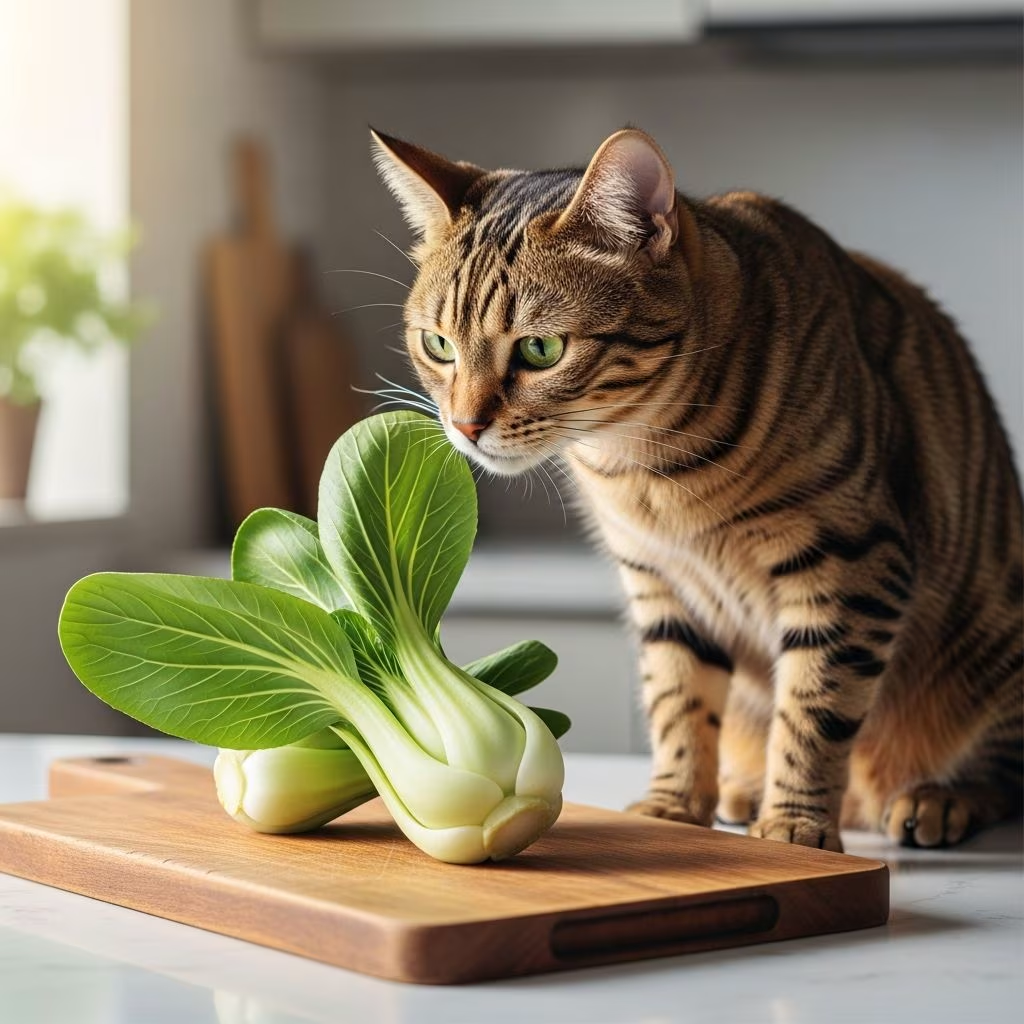
Bok choy, a crisp leafy green also known as Chinese cabbage or pak choi, is a staple in many human diets. But **can cats eat bok choy** safely? The short answer is yes, cats can eat bok choy in small, cooked amounts as an occasional treat. As obligate carnivores, cats thrive on meat-based diets, but limited vegetables like bok choy can provide supplementary fiber and hydration without harm when fed properly.
This comprehensive guide explores bok choy’s nutritional profile, safety for felines, health benefits, potential risks, preparation tips, and answers to common questions. Always consult your veterinarian before introducing new foods, especially for cats with health conditions.
What Is Bok Choy?
Bok choy (Brassica rapa var. chinensis) is a cruciferous vegetable native to China, prized for its mild flavor and crunchy texture. It features dark green leaves and thick white stalks, often used in stir-fries, soups, and salads. Nutritionally dense for humans, it’s low in calories (13 kcal per 100g) and packed with water (95%), making it hydrating.
For cats, bok choy isn’t a dietary staple but can add variety. Its **high water content** supports hydration, while natural compounds offer minor perks. However, cats’ short digestive tracts are optimized for animal proteins, not plants, so bok choy must be a tiny fraction of their intake.
Nutritional Profile of Bok Choy for Cats
Bok choy boasts vitamins and minerals beneficial in moderation for cats:
- Vitamin A: Supports vision, skin, coat health, and immune function. Cats need preformed vitamin A from meat, but plant sources like beta-carotene in bok choy contribute minimally.
- Vitamin C: An antioxidant that aids collagen production and immunity. Cats synthesize their own vitamin C, so this is supplementary.
- Vitamin K: Essential for blood clotting and bone health.
- Calcium and Potassium: Promote bone strength and heart function, though cats derive most from prey or commercial food.
- Dietary Fiber: Aids digestion and bowel regularity, helpful for constipated cats.
- Antioxidants: Combat inflammation and oxidative stress.
Despite these nutrients, bok choy lacks **taurine, arachidonic acid, and preformed vitamin A**—critical for cats. Over-reliance could lead to deficiencies. A 100g serving is roughly 70% water, low-fat, and carb-light, ideal for weight management.
Can Cats Safely Eat Bok Choy?
**Yes, bok choy is non-toxic to cats** and safe in small quantities. The ASPCA and similar bodies confirm cruciferous veggies like bok choy pose no acute poisoning risk. However, safety hinges on moderation: limit to 5-10% of calories from treats, with bok choy as a rare addition.
Cats may ignore it due to its bitter taste—many reject greens initially. Persistence or mixing with wet food can help, but never force-feed. Raw bok choy is tougher; cooking improves digestibility.
Health Benefits of Bok Choy for Cats
When fed sparingly (e.g., 1 tsp chopped, 1-2x/week), bok choy offers these **potential benefits**:
- Hydration Boost: High moisture content (95%) encourages fluid intake, vital for kidney health.
- Digestive Aid: Soluble fiber promotes gut motility, reducing constipation risk.
- Low-Calorie Treat: Helps overweight cats feel full without excess calories.
- Immune Support: Vitamins A/C and antioxidants bolster defenses against illness.
- Enrichment: Novel texture stimulates play and mental engagement.
| Nutrient | Benefit for Cats | Daily Requirement Context |
|---|---|---|
| Vitamin A | Vision, skin/coat | Supplementary to meat sources |
| Fiber | Digestion | 1-4% of diet max |
| Water | Hydration | Supports urinary health |
| Antioxidants | Anti-inflammation | Minor role |
These perks complement, not replace, a complete cat food meeting AAFCO standards.
Potential Risks and Dangers of Bok Choy for Cats
Bok choy isn’t risk-free. Key concerns include:
- Digestive Upset: Excess fiber causes gas, bloating, diarrhea, or vomiting. Cruciferous veggies produce gas via raffinose.
- Oxalates: Bind calcium, risking urinary crystals/stones in prone cats (e.g., males, Persians).
- Goitrogens/Isothiocyanates: In raw/large amounts, may disrupt thyroid or irritate GI tract.
- Choking Hazard: Fibrous stalks require chopping.
- Allergies/Intolerance: Rare, but watch for itching, lethargy.
- Nutrient Interference: High plant matter dilutes protein absorption.
Kittens, seniors, or cats with thyroid/kidney issues should avoid it. Introduce gradually: start with a pea-sized piece.
How to Prepare Bok Choy for Your Cat
Proper prep minimizes risks:
- Wash Thoroughly: Rinse under running water to remove pesticides/dirt.
- Cook Gently: Steam/boil 5-10 mins until soft—reduces oxalates/goitrogens. Avoid microwaving (uneven).
- Chop Small: Dice into 1/4-inch pieces to prevent choking.
- Plain Only: No salt, oil, garlic/onions (toxic).
- Portion Control: 1/4-1 tsp for adults; less for small cats. 1-2x/week max.
Store leftovers refrigerated (3 days); freeze portions for convenience. Mix with tuna for appeal.
How Much Bok Choy Can You Give Your Cat?
**Treat Rule:** No more than 10% of daily calories from extras. For a 10lb cat (250kcal/day), that’s ~25kcal max treats. Bok choy (13kcal/100g) allows ~1-2 tsp safely.
- Adults: Fingernail-sized piece, 1-2x/week.
- Kittens/Pregnant: Avoid or micro-amounts.
- Overweight: Up to 1 tsp for satiety.
Overfeeding risks outweigh benefits—prioritize commercial food.
What If Your Cat Eats Too Much Bok Choy?
Mild excess may cause loose stool/gas (resolves 24-48hrs). Severe: vomiting, lethargy— withhold food 12hrs, offer water, call vet if persists. Raw/large amounts warrant monitoring for thyroid/GI issues.
Better Vegetable Alternatives for Cats
Safer options (cooked, small amounts):
- Green Beans: Low-cal fiber.
- Cooked Carrots: Beta-carotene.
- Peas: Protein-rich.
- Pumpkin: Constipation relief.
- Zucchini: Hydrating, low oxalate.
Avoid onions, garlic, raw potatoes.
Frequently Asked Questions (FAQs)
Can cats eat raw bok choy?
No—raw is harder to digest, higher in irritants. Cook to reduce risks.
Is bok choy toxic to cats?
No, non-toxic, but excess oxalates/goitrogens can harm.
How much bok choy is safe for cats?
1 tsp cooked, 1-2x/week max.
Can kittens eat bok choy?
Avoid—sensitive digestion needs kitten formula.
What if my cat has diarrhea after bok choy?
Stop feeding, monitor; vet if lasts >24hrs.
Does bok choy help cats lose weight?
Yes, low-cal filler in moderation.
References
- Can Cats Eat Bok Choy? Safety & Feeding Guide — Zoorithm. 2024. https://www.zoorithm.com/cats/can-cat-eat-bok-choy
- Can Cats Eat Bok Choy? Safety & Benefits Explained — PetsCare.com. 2024. https://www.petscare.com/news/post/can-cats-eat-bok-choy
- Can Cats Eat Bok Choy? Safe or Risky? — Dial A Vet. 2024. https://www.dialavet.com/blog/can-cats-eat-bok-choy
- Can Cats Eat Bok Choy? Vet-Reviewed Risks & Benefits — Hepper. 2024. https://articles.hepper.com/can-cats-eat-bok-choy/
- Safe and Unsafe Vegetables For Dogs & Cats — Preventive Vet. 2024. https://www.preventivevet.com/pets/safe-vegetables-for-dogs-and-cats
- Is Bok choy Non-Toxic for Pets? — PictureThis. 2024. https://www.picturethisai.com/toxic-to-pets/Brassica_rapa_var._chinensis.html



