

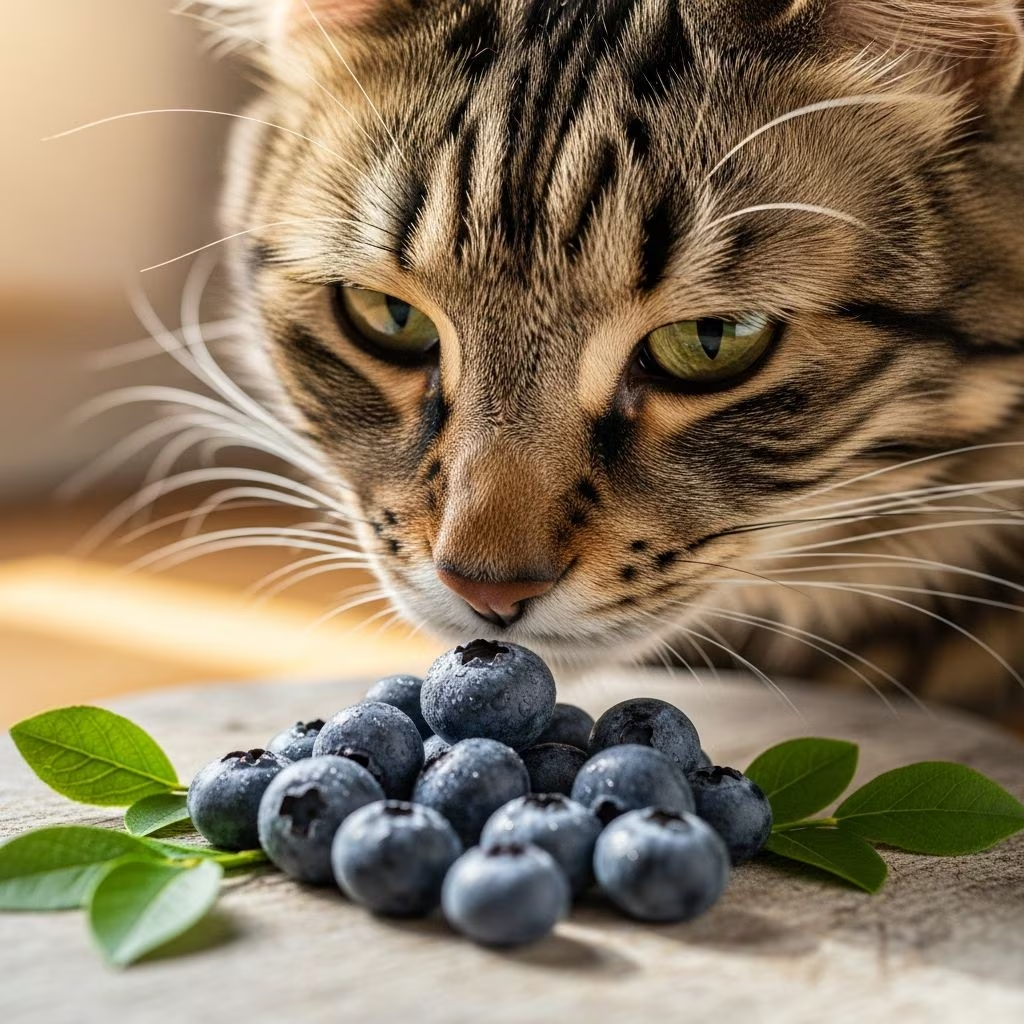
Cats are obligate carnivores, meaning their diet should primarily consist of meat-based proteins and fats, but blueberries offer a safe, occasional treat option. Fresh blueberries are non-toxic to cats and can provide minor nutritional perks when fed in moderation.
Are Blueberries Safe for Cats?
Blueberries pose no toxicological risk to felines and are not listed on veterinary poison control databases alongside dangerous foods like grapes or onions. For healthy adult cats, small quantities—typically 1-3 berries—are generally well-tolerated and can serve as a hydrating, low-calorie snack. However, safety depends on factors like portion size, preparation, and the cat’s individual health status.
Cats with conditions such as diabetes, kidney disease, or gastrointestinal sensitivities may experience issues from the natural sugars and fiber in blueberries, potentially leading to digestive upset. Kittens, seniors, or cats new to fruits should start with tiny amounts to monitor reactions like vomiting or diarrhea. Always consult a veterinarian before introducing new foods, especially for cats with pre-existing health issues.
Nutritional Benefits of Blueberries for Cats
While not essential to a cat’s diet, blueberries pack antioxidants, vitamins, minerals, and fiber that can complement their nutrition in small doses. These berries are approximately 85% water, aiding hydration without replacing fresh water sources.
- Antioxidants: Anthocyanins and other compounds combat oxidative stress, potentially supporting immune function and joint health.
- Vitamins: Vitamin C (immune boost), vitamin K (blood clotting and bone health), and vitamin A (vision support).
- Minerals: Potassium for heart and muscle function, manganese for metabolism.
- Fiber: Promotes digestion, helps with hairballs or mild constipation.
Cats lack sweet taste receptors, so they won’t crave blueberries for flavor but may enjoy the texture as enrichment. These benefits are most relevant as treats, not diet staples, since commercial cat foods meet core nutritional needs.
Potential Risks of Feeding Blueberries to Cats
Despite their safety profile, overfeeding blueberries can lead to problems due to their sugar, fiber, and size.
- Digestive Upset: Excess fiber may cause diarrhea, vomiting, or loose stools, especially in sensitive cats.
- Choking Hazard: Whole berries can lodge in the throat of kittens or small cats; always chop them.
- Nutritional Imbalance: Treats should not exceed 10% of daily calories to avoid displacing essential proteins.
- Added Ingredients: Avoid processed forms with sugar, syrups, or preservatives.
| Risk Factor | Description | Prevention |
|————-|————-|————|
| Fiber Overload | Leads to GI upset | Limit to 2-3 berries/day |
| Choking | Whole berries hard to chew | Cut into small pieces |
| Sugar Content | Upsets diabetic cats | Monitor health conditions |
| Pesticides | On non-organic berries | Choose organic, wash thoroughly |
How to Safely Feed Blueberries to Your Cat
To maximize safety and enjoyment, follow these guidelines based on veterinary recommendations.
- Choose Fresh or Frozen: Opt for plain, organic blueberries. Wash thoroughly to remove pesticides. Frozen ones can be a cool treat in hot weather.
- Prepare Properly: Cut into small pieces to prevent choking. Mash or puree for kittens.
- Portion Control: 1-3 berries per day for adults; half for kittens. Offer 1-2 times weekly max.
- Introduce Gradually: Start with one small piece and watch for 24-48 hours for allergies or upset.
- Incorporate Creatively: Mix tiny amounts into wet food or use as training rewards. Avoid dry mixes.
Never use canned, baked goods (e.g., muffins, pies), jams, or flavored products, as they contain harmful sugars, fats, or toxins like xylitol. Blueberry powder or extracts in cat treats are safer alternatives but offer fewer hydration benefits.
What Fruits Are Toxic to Cats?
Not all fruits suit cats; some are outright dangerous. Stick to vet-approved options like blueberries.
- Grapes and Raisins: Can cause acute kidney failure even in small amounts.
- Citrus Fruits: Oranges, lemons, limes—oils and psoralens irritate the GI tract.
- Cherries: Pits contain cyanide; stems and leaves are toxic.
- Avocados: Persin causes vomiting and diarrhea.
Safe alternatives include small amounts of watermelon (seedless), cantaloupe, or strawberries, always prepared similarly to blueberries.
Can Kittens Eat Blueberries?
Yes, but with extra caution. Kittens have sensitive digestive systems, so limit to 1/2-1 mashed berry occasionally. Monitor closely and consult a vet for weaning kittens.
Can Cats Eat Blueberry Muffins or Other Baked Goods?
No. These contain sugar, flour, butter, and potential toxins like chocolate or xylitol, leading to obesity, pancreatitis, or poisoning. Stick to plain fruit.
Frequently Asked Questions (FAQs)
Can cats eat frozen blueberries?
Yes, frozen blueberries are safe and can soothe teething kittens or provide hydration on warm days. Thaw slightly if needed.
Are blueberries good for cat hairballs?
The fiber may help mild hairball issues, but use commercial remedies as primary treatment.
What if my cat eats too many blueberries?
Watch for vomiting or diarrhea. Withhold treats, ensure hydration, and contact a vet if symptoms persist beyond 24 hours.
Do wild blueberries differ from cultivated ones for cats?
Wild varieties like Nordic blueberries have higher antioxidants but same safety rules apply—feed sparingly.
Can diabetic cats have blueberries?
Limit strictly or avoid due to natural sugars; consult a vet for personalized advice.
Blueberries can add variety to your cat’s treat routine when fed mindfully, supporting minor health perks without compromising their carnivorous needs. Prioritize a balanced commercial diet and veterinary guidance for optimal feline health.
References
- Can Cats Eat Blueberries? A Vet’s Guide to Feline-Friendly Fruits — Noble Vet Clinic. 2023-06-15. https://noblevetclinic.com/blog/can-cats-eat-blueberries
- Can Cats Eat Blueberries? — Chewy. 2024-02-10. https://www.chewy.com/education/cat/food-and-nutrition/can-cats-eat-blueberries
- Can Cats Eat Blueberries? A Nutritional Nugget or Potential Pitfall? — Loov Food. 2023-11-20. https://loovfood.com/blogs/the-loov-blog/can-cats-eat-blueberries-a-nutritional-nugget-or-potential-pitfall
- Can Cats Eat Blueberries? — PetMD. 2024-08-05. https://www.petmd.com/cat/nutrition/can-cats-eat-blueberries
- Can Cats Have Blueberries? Is It Safe? — Hill’s Pet. 2023-09-12. https://www.hillspet.com/cat-care/nutrition-feeding/can-cats-eat-blueberries



