

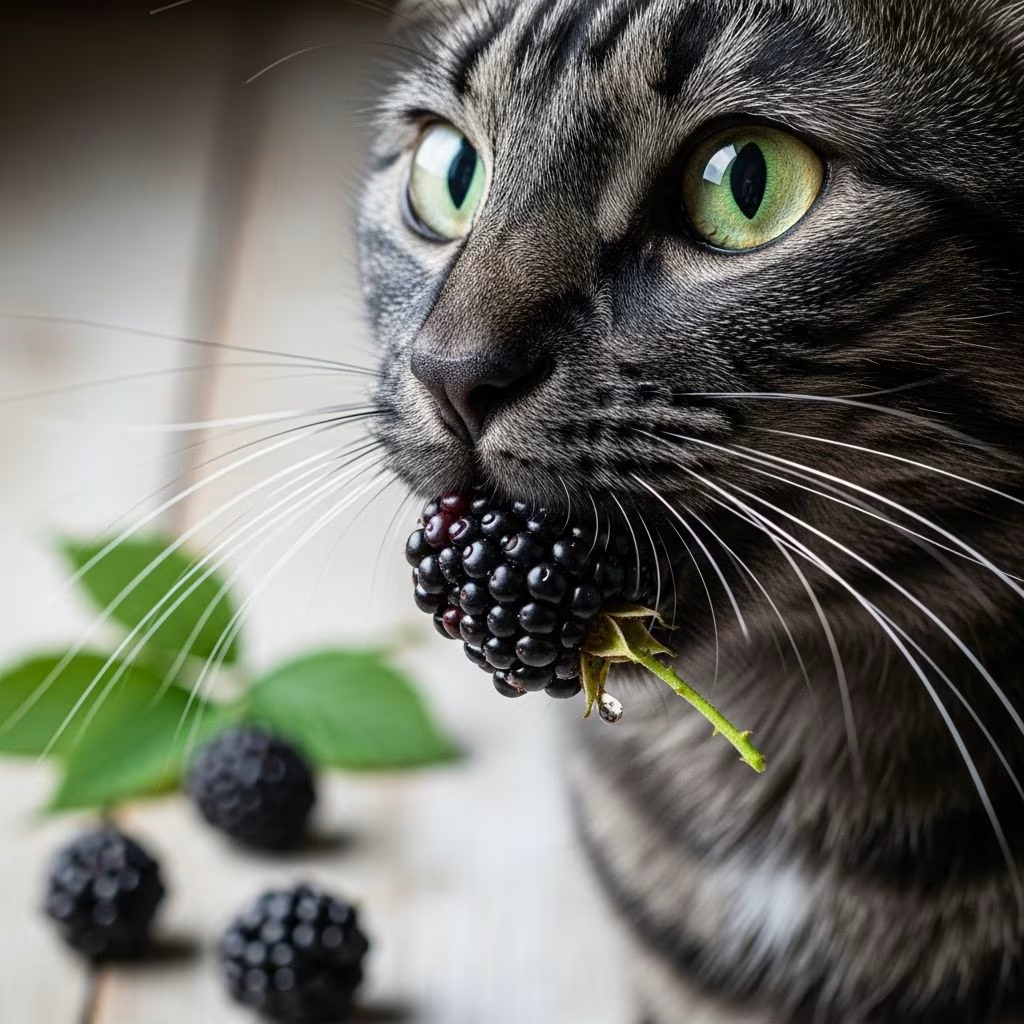
Blackberries are a delicious summer fruit enjoyed by many humans, but can cats eat blackberries too? The short answer is yes—blackberries are safe for cats when given in moderation. As obligate carnivores, cats don’t require fruits in their diet, but these berries offer some nutritional perks without toxicity risks. This article covers everything cat owners need to know, from benefits and potential downsides to proper preparation and feeding guidelines.
Are Blackberries Safe for Cats?
Blackberries are non-toxic to cats, making them a worry-free occasional treat. Unlike some berries or plants that can cause poisoning, nothing in blackberries—the fruit, leaves, stems, or roots—poses a direct threat to feline health. If your cat sneaks a few from your garden or bowl, there’s no need for alarm; they should be perfectly fine.
Wild blackberries are equally safe, provided you positively identify them and wash thoroughly to remove dirt, pesticides, or contaminants. Cats’ systems handle small amounts well, but always prioritize a meat-based complete diet over fruits. Consult your veterinarian before introducing new foods, especially for cats with health conditions.
Do Blackberries Have Any Health Benefits for Cats?
While blackberries aren’t essential for cats, they provide minor health boosts when offered sparingly. Cats produce their own vitamin C and thrive on animal proteins, but the antioxidants, fiber, and vitamins in blackberries can complement a balanced diet.
Key benefits include:
- High in antioxidants: Blackberries are rich in anthocyanins, powerful antioxidants that combat free radicals and reduce oxidative stress. This may support overall health, potentially aiding in preventing chronic issues like aging-related diseases, though feline-specific studies are limited.
- Fiber content: The soluble fiber promotes healthy digestion, helping prevent constipation and supporting gut regularity in small doses.
- Vitamins and minerals: Contains vitamins A, C, E, and K, which contribute to immune function, skin health, and metabolic support. Cats synthesize vitamin C, but extras from food won’t harm.
- Hydration boost: With about 88% water content, fresh blackberries help with hydration, especially for finicky drinkers.
Nutritionally, one cup of blackberries (about 144g) offers roughly 62 calories, 14g carbs (8g fiber), and negligible protein—ideal for treats but not staples. Limit to 10% of daily calories; for a 200-calorie cat diet, that’s 1-2 small berries.
Are There Any Dangers or Risks?
Blackberries aren’t all upside; overfeeding poses risks due to cats’ carnivorous biology. Their digestive enzymes favor proteins over plant sugars and fibers, so excess can disrupt balance.
Potential downsides:
- Digestive upset: Too many lead to vomiting, diarrhea, gas, or loose stools from high fiber and natural sugars (fructose). Symptoms usually resolve in 24-48 hours but warrant vet attention if persistent.
- High sugar: Natural sugars can contribute to obesity or diabetes risk in prone cats if treats exceed limits.
- Pesticides and contaminants: Store-bought or wild berries may carry residues; always rinse well.
- Choking hazard: Whole berries can pose risks for kittens or fast eaters—mash or cut small.
Avoid blackberry products like jams, pies, or canned versions loaded with added sugars, xylitol (toxic), or preservatives. Plain, fresh, organic blackberries are best.
How to Safely Feed Blackberries to Cats
To maximize benefits and minimize risks, follow these vet-recommended guidelines:
- Moderation first: 1-2 small berries (or quarter of a large one) 1-2 times weekly. Adjust by cat size/weight; seniors or overweight cats need less.
- Preparation: Wash thoroughly under running water. Remove stems/leaves. Cut or mash into tiny pieces to prevent choking.
- Fresh only: Serve ripe, fresh blackberries at room temp. Frozen can be a cool treat if thawed and portioned.
- Introduce gradually: Start with a tiny piece; monitor for 24 hours for allergies or upset.
- Mix it up: Puree and mix with wet food or freeze in ice cubes for fun.
| Cat Size/Needs | Recommended Amount | Frequency |
|---|---|---|
| Kitten (<1 year) | Avoid or tiny mash (pea-sized) | Rarely |
| Adult (8-10 lbs) | 1-2 small berries | 1-2x/week |
| Senior/Overweight | Half berry max | Occasional |
Store extras in the fridge up to 5 days or freeze for longer. Never force-feed; many cats ignore fruits due to poor sweet taste receptors.
Can Cats Eat Blackberry-Related Foods?
- Blackberry yogurt/juice: No—added sugars, dairy lactose, or sweeteners upset stomachs.
- Blackberry jam/pie: Avoid; high sugar and thickeners harm digestion.
- Dried blackberries: Concentrated sugars make them unsuitable.
- Blackberry leaves: Safe in tiny nibbles, but unpalatable.
Frequently Asked Questions (FAQs)
Can kittens eat blackberries?
No, it’s best to avoid giving blackberries to kittens. Their developing digestive systems are sensitive, and they need nutrient-dense kitten food for growth. Fruit can cause upset or nutritional imbalances.
Are blackberries toxic to cats?
No, blackberries are not toxic. All parts are safe in moderation, with no known poisons like cyanide in pits.
Can cats eat wild blackberries?
Yes, if identified correctly and washed. Avoid unknown wild berries, which may be toxic mimics.
Can cats eat blackberry yogurt?
No, due to sugars, flavors, and potential lactose intolerance causing diarrhea.
What if my cat eats too many blackberries?
Watch for vomiting/diarrhea. Mild cases pass; severe or lasting symptoms need vet care and hydration support.
Are frozen blackberries okay for cats?
Yes, thawed and portioned. They make hydrating summer treats.
Summing It Up
Blackberries are a safe, nutritious treat for cats—rich in antioxidants, fiber, and vitamins without toxicity risks. Offer sparingly to avoid digestive issues, always prepare properly, and prioritize commercial cat food. Your feline may love the tart flavor, adding variety to mealtime. For personalized advice, consult your vet, especially for special-needs cats.
References
- Can Cats Eat Blackberries? — PetMD. 2023. https://www.petmd.com/cat/nutrition/can-cats-eat-blackberries
- Can Cats Eat Blackberries? Vet-Verified Facts — Huston Veterinary Clinic. 2023. https://hustonveterinary.com/can-cats-eat-blackberries/
- What Fruits Can Cats Eat? 19 Fruits Safe for Cats — PetMD. 2023. https://www.petmd.com/cat/nutrition/which-fruits-can-cats-eat
- Can Cats Eat Blackberries? Vet-Reviewed Facts & Safety Information — Catster. 2023. https://www.catster.com/nutrition/can-cats-eat-blackberries/



